When To Upgrade Reef Tank Equipment
Knowing when to upgrade reef tank equipment is a big part of long-term success in the saltwater aquarium hobby. New gear can absolutely make your life easier, but upgrading too early can waste money and cause instability. The key is to watch your tank, not the marketing, and let your livestock and water parameters tell you when it’s time.
Signs Your Filtration Needs an Upgrade
Your filtration is the backbone of your reef. As corals grow and you add fish, the biological load increases, and your old setup may struggle to keep up.
Common clues it’s time to improve filtration
- Persistent nutrient issues: Nitrate or phosphate stays high despite regular water changes and good maintenance.
- Algae blooms: GHA, film algae, or cyanobacteria keep returning even after manual removal.
- Overstocked tank: You’ve added several fish since setting up the tank, and feeding has increased.
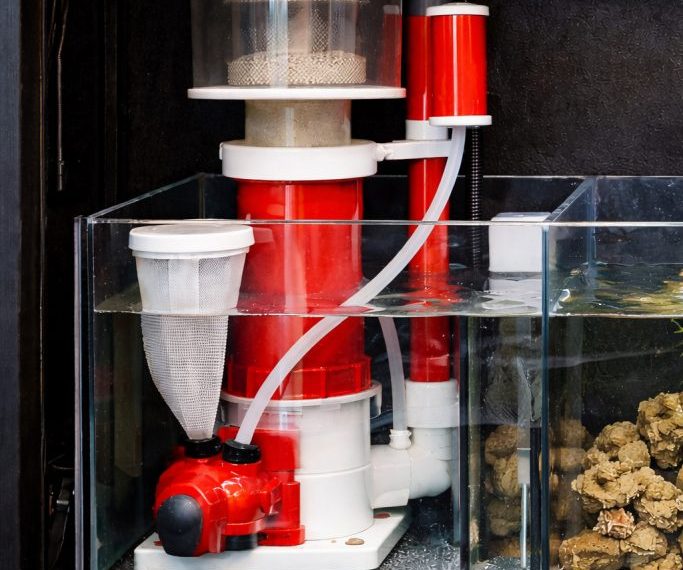
In these cases, consider upgrading to a more efficient protein skimmer, adding a refugium, or improving mechanical filtration. If you’re still planning your system, read our setup-focused article How to Set Up a Beginner Reef Tank to match equipment to your long-term livestock goals.
Lighting and Flow: When Your Corals Ask for More
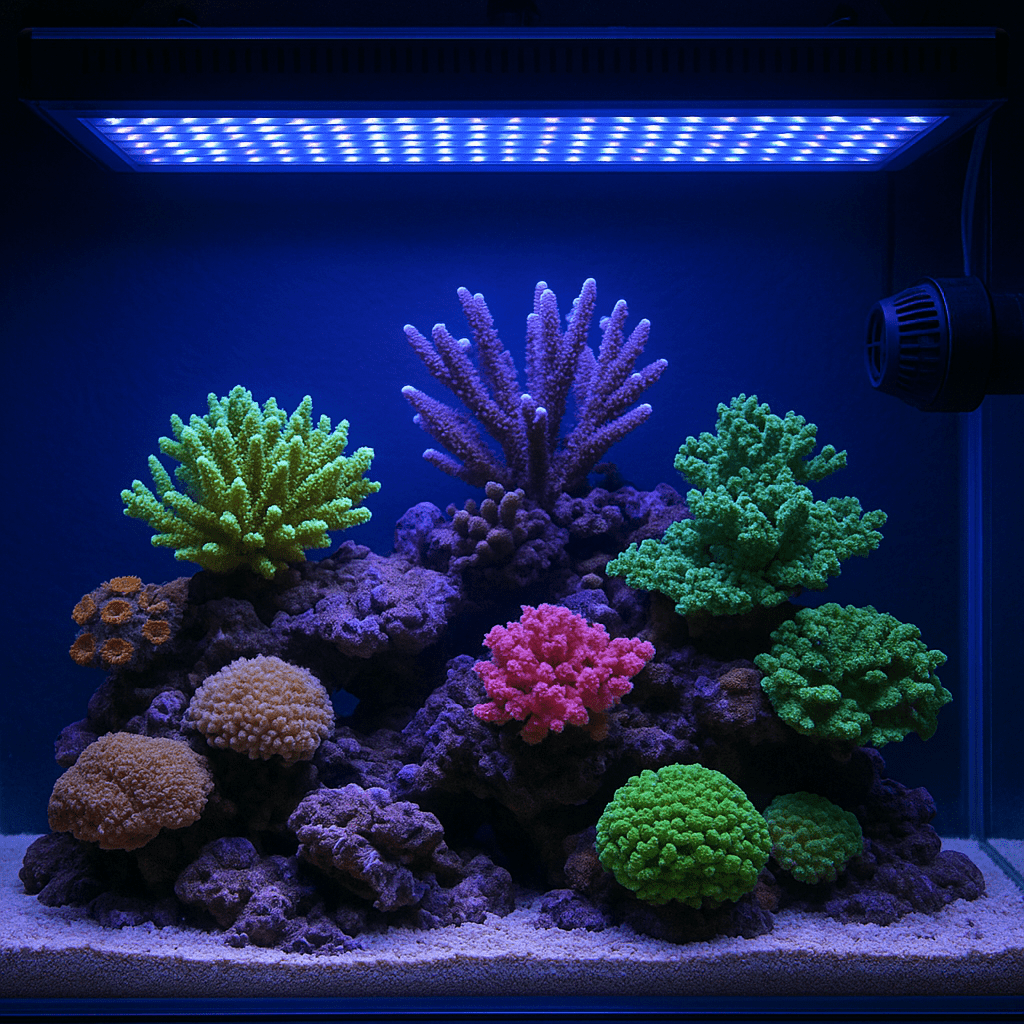
Reef lighting and water movement are two of the most common upgrades as hobbyists progress from soft corals to LPS and then to SPS.
Lighting upgrade indicators
- Corals stretching upward: Softies and LPS reaching toward the surface can mean they’re underlit.
- Faded or browned colors: SPS losing their vibrant color may need stronger, more stable PAR.
- Shadowing: As colonies grow, lower branches may receive very little light.
If you plan to move into higher-demand corals, it can be smart to upgrade lighting before you buy them. For more on coral choices at each stage, see Best Beginner Corals for Small Reef Tanks.
Flow upgrade indicators
- Dead spots: Areas where detritus collects and doesn’t move.
- Uneven polyp extension: Corals on one side of the tank are happy, while others remain closed or irritated.
- Growing coral density: As colonies fill in, they block the flow that used to move freely around the rockwork.
Upgrading to controllable powerheads or adding another pump can create more random, reef-like flow patterns that benefit SPS and reduce detritus buildup.
Controllers, Dosing, and When Convenience Becomes Stability
Not every reef needs a controller or dosing system on day one, but as your tank matures, these tools can shift from “luxury” to “stability insurance.”
- Manual dosing becomes a chore: If you’re dosing calcium, alkalinity, and magnesium daily by hand, a dosing pump can keep levels more stable.
- Parameter swings: Large daily shifts in alkalinity or salinity suggest you’ve outgrown a simple, manual routine.
- Travel and busy schedules: If you’re away often, automation can prevent missed top-offs or feedings.
Before investing in high-end controllers, make sure your fundamentals are solid: a reliable heater, a quality return pump, and an appropriate skimmer.
Upgrade Slowly and With a Plan
The best time to upgrade reef tank equipment is when your livestock and test results show a consistent need, not just when something new hits the market. Plan your future stocking, upgrade one piece of equipment at a time, and give the system a few weeks to stabilize before changing anything else. By letting your reef guide your decisions, you’ll spend less, stress less, and enjoy a healthier, more stable tank in the long run.
Sources
- Sprung, J. & Delbeek, J. C. The Reef Aquarium series.
- Fenner, R. The Conscientious Marine Aquarist.
- Bulk Reef Supply educational videos and articles on reef equipment and stability.
Was this helpful?
Related Posts
Protein Skimmer Reef Tank Guide
Learn how a protein skimmer works, how to size one, and how to tune it for a cleaner,…
 By
By
Reef Aquarium Water Parameters
Learn the ideal reef aquarium water parameters, safe ranges, and how to keep salinity, alkalinity, nutrients, and pH…