

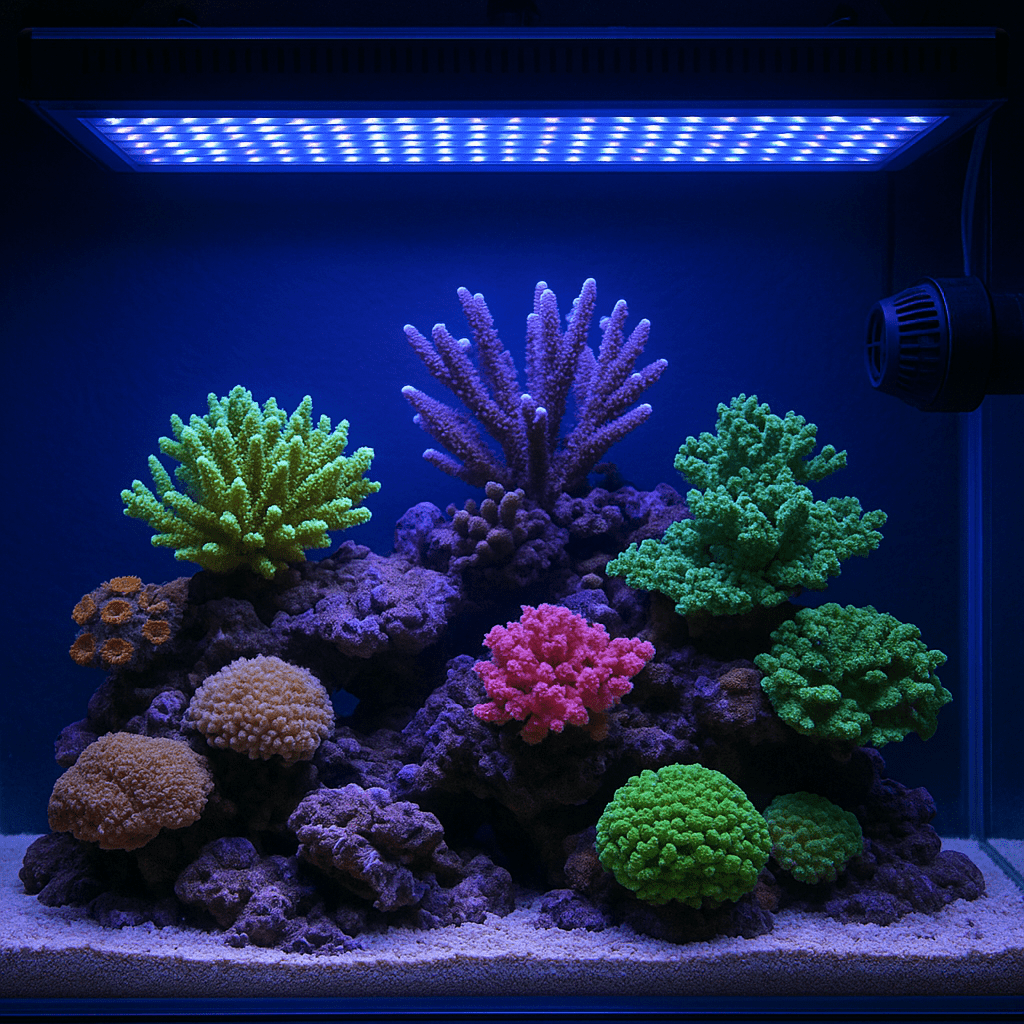
Upgrade reef tank equipment when your current gear limits stability, livestock growth, or daily maintenance. The right upgrade saves time and improves consistency. The wrong one wastes money. This guide explains the best signs to watch, which equipment matters most, and how to upgrade without stressing your reef.
Many reef keepers buy equipment twice. They start with basic gear. Then coral demand, fish load, and maintenance needs increase. At that point, the tank asks for more. Better flow, stronger lighting, quieter return pumps, and more effective filtration can all improve results. Still, not every issue needs a new device. Sometimes the real problem is setup, maintenance, or unrealistic stocking. In this article, you will learn when an upgrade makes sense, which warning signs matter most, and how to prioritize spending for the biggest impact on coral health and water quality.
Quick Reference Table
| Equipment | Upgrade When | Main Benefit |
|---|---|---|
| Lighting | Corals brown out, stretch, or lose color | Better PAR and spread |
| Protein skimmer | Nutrients stay high despite maintenance | Improved waste export |
| Return pump | Flow drops, pump runs hot, or noise increases | Reliable circulation |
| Powerheads | Detritus collects or corals get dead spots | Stronger random flow |
| ATO system | Salinity swings from evaporation | Stable salinity |
| Heater and controller | Temperature swings exceed 1-2°F daily | Safer temperature control |
| RODI unit | TDS rises or nuisance algae increases | Cleaner source water |
| Doser | Manual dosing becomes inconsistent | Stable alkalinity and calcium |
The Best Time to Upgrade Reef Tank Equipment
The best time to upgrade is before failure, not after it. Reef tanks punish delays. A weak heater can crash a tank overnight. A failing return pump can stop gas exchange fast. A low-output light can slowly starve coral for months. Good upgrades are usually proactive.
Look for patterns, not single bad days. One high nitrate test does not mean you need a new skimmer. One warm afternoon does not always require a chiller. But repeated instability matters. If the same issue returns after normal maintenance, your equipment may be undersized, aging, or poorly matched to your livestock goals.
Upgrades also make sense when your reef changes direction. A soft coral tank can run well on modest gear. An SPS-heavy reef needs tighter control. More demanding corals need stronger light, more random flow, and steadier alkalinity. Equipment should match the reef you want in six months, not only the reef you have today.
Signs Your Current Equipment Is Holding the Tank Back
Stable tanks usually have predictable behavior. When equipment starts slipping, the tank becomes harder to read. You may notice coral extension fading. Glass may need cleaning more often. Detritus may settle in new areas. Pumps may sound louder than before. Small changes often come first.
Watch your maintenance burden closely. If you constantly compensate for weak gear, that is a sign. Maybe you top off by hand twice daily. Maybe you clean algae every other day because source water quality is poor. Maybe you dose alkalinity manually and still miss target levels. These are not just chores. They are clues.
Livestock behavior also tells the truth. Fish breathing near the surface can signal poor circulation or low oxygen. Euphyllia that retracts in one corner may indicate bad flow placement. SPS with pale tips and shaded bases may need better light spread. Equipment should support the biology of the tank. If it does not, the reef will show you.
Equipment Upgrades That Usually Matter Most
Not all upgrades deliver equal value. Some improve convenience only. Others change coral growth and tank stability fast. For most reef keepers, the highest-impact upgrades are lighting, flow, temperature control, source water filtration, and dosing automation. These affect core reef chemistry and coral metabolism every day.
Lighting matters when you keep LPS and SPS corals. Weak or uneven lights cause stretching, dull color, and poor growth. Flow matters just as much. Corals need moving water to deliver oxygen and remove waste. Dead spots trap detritus and fuel algae. A better wavemaker setup often solves more than hobbyists expect.
Heaters and ATO systems are less exciting, but often more urgent. Salinity swings and temperature swings stress everything. Fish may tolerate them for a while. Corals often do not. A reliable RODI unit is another smart upgrade. Bad source water creates endless nutrient problems. Fancy gear cannot overcome poor input water for long.
When to Upgrade Your Reef Lighting
Upgrade lighting when coral response says the current fixture is not enough. Common signs include browning, fading, stretching, poor encrusting, and weak polyp extension. Placement matters too. If only top-level corals thrive, your light spread may be poor even if peak intensity looks fine.
Tank depth is another factor. Many entry-level lights work on shallow tanks. They struggle on deeper systems. Mixed reefs also expose lighting limits. Soft corals may look fine while SPS slowly decline. That often confuses newer hobbyists. The tank looks bright to your eyes, but coral uses usable spectrum and PAR, not visual brightness.
Do not upgrade based on marketing alone. Measure if possible. Borrow a PAR meter from a local club or store. Check spread, shadowing, and edge coverage. Sometimes adding a second fixture works better than replacing the first. For more help, see reef tank lighting guide and best PAR for coral growth.
When to Upgrade Flow and Circulation
Flow upgrades are often overdue in maturing reefs. Corals grow larger. Rockwork traps more waste. Fish load increases. The pump setup that worked on day one may fail a year later. Water movement should stay random, broad, and strong enough to prevent detritus buildup without blasting tissue.
Look for obvious signs. Sand may collect in one corner while other areas stay still. Cyanobacteria may form in low-flow pockets. LPS may inflate poorly. SPS may get tissue loss at the base. You may also notice oily film at the surface. That can point to weak surface agitation and low gas exchange.
Upgrade if your powerheads are noisy, weak, or hard to clean. Modern pumps are often more efficient and controllable. They can create pulse, reef crest, or gyre-style movement. That flexibility helps mixed reefs. Learn more in reef tank flow basics. It helps you place pumps before spending more money.
When Filtration and Nutrient Export Need an Upgrade
High nutrients do not always mean bad equipment. Overfeeding, weak maintenance, and dirty media can cause the same result. Still, if nitrate and phosphate stay elevated after reasonable correction, your filtration may be undersized. This often happens after adding more fish or feeding corals more heavily.
A skimmer upgrade makes sense when your current model produces little waste, struggles with your water depth, or is rated unrealistically. Many budget skimmers are fine on lightly stocked tanks. They fall behind on busy reefs. The same is true for mechanical filtration. Small socks or pads clog quickly and reduce flow.
Consider the whole export system. Better filtration may mean a larger skimmer, a refugium light, a roller mat, or simply more sump space. Match the solution to the problem. If nuisance algae is your main issue, also inspect source water. Our how to lower nitrates in a reef tank guide covers practical next steps.
When Stability Tools Become Worth the Money
Some upgrades save reefs by preventing daily swings. Auto top-off systems, heater controllers, dosers, and monitoring tools fit this category. They may not look exciting on social media. They often matter more than decorative gear. Stability keeps coral alive long term.
An ATO is worth upgrading when salinity drifts between water changes. Evaporation changes happen fast under strong lights and open tops. Manual top-off works until life gets busy. Dosing pumps become valuable when alkalinity demand rises. If you dose by hand at different times each day, your tank sees those swings.
Temperature control is another major point. Cheap heaters fail. Some stick on. Some stop heating. A quality heater with a controller adds protection. Monitors can also help, but they are not magic. Test kits still matter. If you want steadier chemistry, read reef tank alkalinity guide for dosing and stability basics.
Step-by-Step: How to Decide What to Upgrade First
Start with your tank goals. Write down your planned livestock. A clownfish soft coral tank needs different gear than an SPS reef. Next, list your recurring problems. Be specific. Examples include rising nitrate, low pH, coral shading, or daily salinity swings. Patterns help you avoid random purchases.
Then test the basics. Check temperature range, salinity, alkalinity, calcium, magnesium, nitrate, phosphate, and source water TDS. Inspect pumps and clean them. Replace worn tubing, dirty socks, and exhausted RODI resin first. Many “equipment problems” are really maintenance problems.
After that, rank upgrades by risk. Safety gear comes first. Heaters, return pumps, and ATO systems usually outrank cosmetic improvements. Next, rank by biological impact. Lighting and flow usually follow. Finally, rank by convenience. Automation should support consistency, not replace understanding. Upgrade one major item at a time when possible. That makes results easier to judge.
Common Problems
I keep buying equipment, but the tank still looks bad
This usually means the root cause was missed. Test water first. Review feeding, stocking, and maintenance habits. Check source water quality. Clean pumps and verify flow paths. New gear cannot fix unstable alkalinity, overstocking, or poor husbandry. Diagnose before you buy.
Corals declined after I upgraded equipment
Upgrades can shock a reef if changes are too fast. New lights may increase PAR sharply. New pumps may blast tissue. Stronger nutrient export can strip the water too quickly. Acclimate slowly. Ramp lights over weeks. Lower pump intensity at first. Monitor alkalinity and nutrients after every major change.
My equipment is old, but it still works
Age alone does not demand replacement. Performance does. Still, some items deserve proactive replacement. Heaters, impellers, tubing, and worn ATO sensors are common examples. If failure would threaten the whole tank, replace before it becomes an emergency. Keep backups for critical equipment whenever possible.
Frequently Asked Questions
How often should reef tank equipment be upgraded?
There is no fixed schedule. Upgrade when performance drops, goals change, or stability suffers. Clean and inspect equipment regularly. Replace critical parts before failure.
What is the first reef tank upgrade most beginners should buy?
For many tanks, an auto top-off system is the best early upgrade. It improves salinity stability and reduces daily work. A heater controller is also a strong choice.
Should I upgrade lighting or flow first?
Choose based on the problem. If corals stretch or color fades, improve lighting first. If detritus collects or corals show dead spots, improve flow first.
Can better equipment fix high nitrate and phosphate?
Sometimes, yes. But only if export is truly the issue. Overfeeding, poor maintenance, and bad source water must also be corrected. Equipment works best with good habits.
Is it better to buy premium equipment once?
Often, yes, for critical items. Reliable pumps, heaters, and ATO systems usually pay off over time. Still, the best purchase is the one that fits your tank’s real needs.
Final Thoughts
Upgrade reef tank equipment when it improves stability, safety, or coral health. Do not upgrade just because a product is popular. Let your tank guide the decision. Watch trends in coral response, nutrient control, and daily maintenance. Then spend where it matters most. Smart upgrades make reef keeping easier. More importantly, they make success repeatable.
Was this helpful?
Related Posts
Best Filtration Systems
Best Filtration Systems for a Healthy Saltwater Aquarium Choosing the best filtration system for your saltwater aquarium is…
 By
By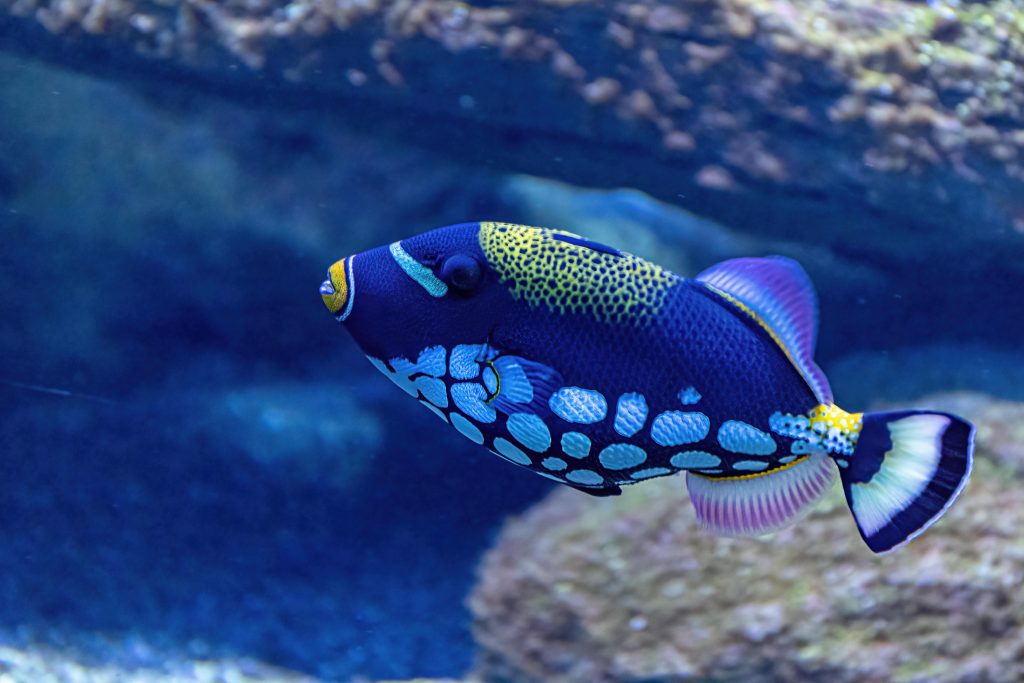
Clown Triggerfish (Balistoides Conspicillum)
Clown triggerfish are stunning but aggressive marine fish that need very large tanks, strong filtration, and careful tankmate…
[favorite_button]
My Bookmarks:
To see full list click here
[user_favorites user_id="" include_links="true" site_id="" post_types="" include_thumbnails="true" thumbnail_size="thumbnail" include_excerpt="false"]