

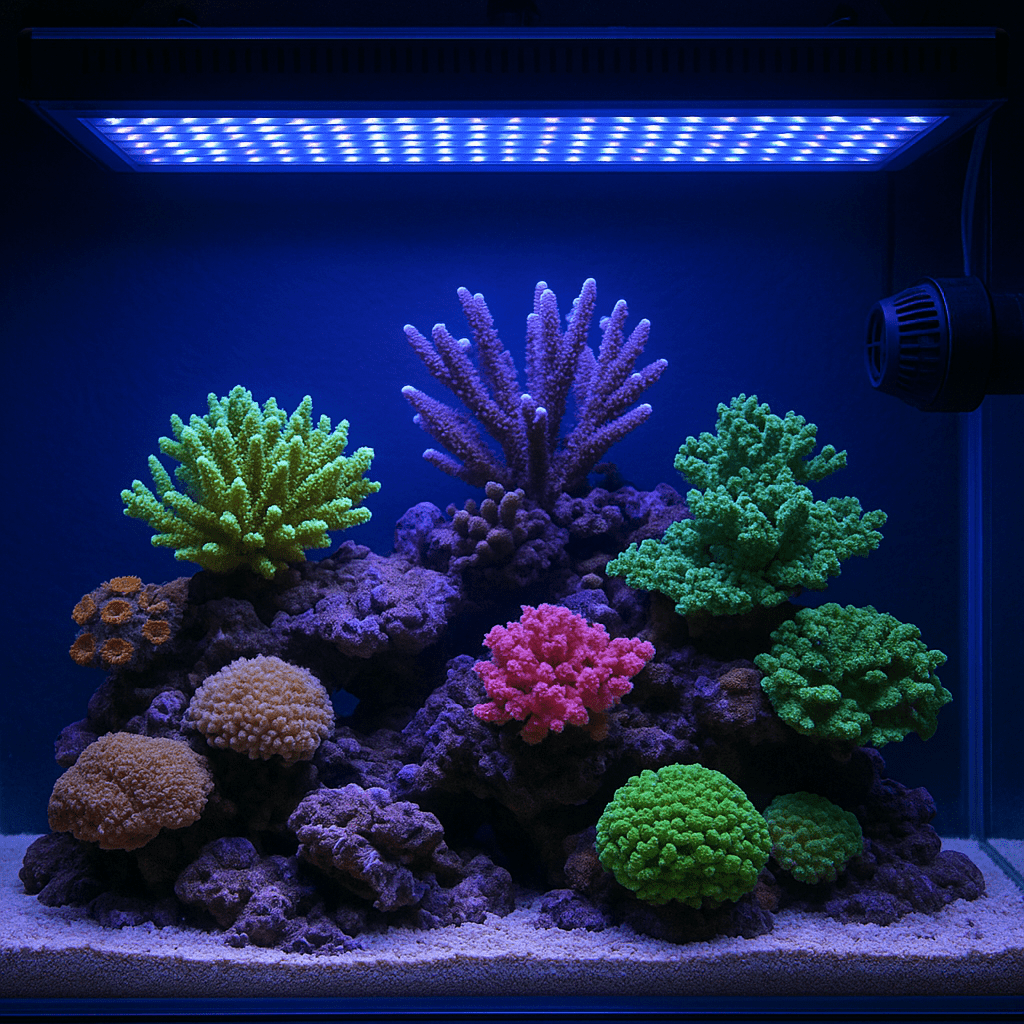
Winter care for marine fish means keeping temperature stable, preventing dry indoor air from increasing evaporation, and staying consistent with feeding and maintenance. Most reef tanks do well in winter when heaters, top off routines, and water quality checks are tightened before cold weather causes stress.
Cold months bring a different set of reef keeping challenges. Room temperatures drop faster at night. Power outages become more likely in many areas. Evaporation often rises because home heating dries the air. These changes can stress saltwater fish if you do not prepare. In this guide, you will learn how winter affects marine fish, how to stabilize your aquarium, what equipment matters most, and how to troubleshoot common seasonal problems before they turn serious.
Quick Reference Table
| Winter Care Factor | Recommended Range or Action | Why It Matters |
|---|---|---|
| Temperature | 76 to 78°F, with less than 1°F daily swing | Prevents stress and immune suppression |
| Salinity | 1.025 to 1.026 specific gravity | Evaporation can raise salinity quickly |
| Heater Setup | Use two smaller heaters if possible | Improves redundancy and safety |
| Top Off | Check daily or use ATO | Dry indoor air increases evaporation |
| Feeding | Small, consistent meals | Supports fish without polluting water |
| Power Backup | Battery air pump or generator plan | Critical during winter storms |
| Water Testing | Test weekly, more during swings | Seasonal instability can hide problems |
This table covers the basics. The sections below explain how to apply each step in a real reef tank.
Why Winter Can Be Hard on Marine Fish
Marine fish thrive on stability. Winter often reduces that stability. A tank in summer may only face mild room swings. In winter, the room can cool fast after sunset. This is common in homes with central heat, drafty windows, or nighttime thermostat setbacks.
Marine fish do not handle rapid temperature change well. Even a healthy clownfish or tang can become stressed by repeated drops. Stress weakens the immune system. That makes fish more vulnerable to parasites, bacterial issues, and poor appetite.
Winter also changes moisture levels indoors. Heated homes usually have drier air. Drier air increases evaporation from open-top tanks and sumps. As freshwater evaporates, salt stays behind. That slowly raises salinity. Fish may not show symptoms at first, but long exposure causes osmotic stress.
Storms create another risk. Winter power outages can shut down heaters, return pumps, and oxygen exchange. In a reef aquarium, that can become dangerous within hours. Planning ahead matters more than reacting late.
Step-by-Step Winter Preparation for a Marine Aquarium
Start winter prep before temperatures crash. Waiting until the first cold snap is risky. Use this simple checklist to get ahead.
- Test every heater for accuracy. Compare it with a trusted thermometer.
- Clean heater surfaces. Salt creep and buildup reduce efficiency.
- Inspect cords, plugs, and drip loops for safety.
- Confirm your controller settings if you use one.
- Check your auto top off system. Refill the reservoir more often in winter.
- Mix extra saltwater in advance for emergencies.
- Keep a battery air pump on hand.
- Write down your ideal tank parameters.
- Feed quality foods and avoid overfeeding.
- Watch fish closely during the first major weather change.
I also recommend using two smaller heaters instead of one large unit. If one fails off, the second slows the drop. If one sticks on, it is less likely to overheat the tank quickly. This is one of the simplest winter upgrades you can make.
Aquarium Setup for Winter Stability
Your tank setup affects how well it holds heat. Larger systems are usually more stable. Small tanks cool faster. Nano reef owners need to be extra careful in winter. A 20-gallon tank can swing much faster than a 100-gallon system.
Place the aquarium away from drafty windows and exterior doors. Cold air near the glass can lower temperature at the tank wall. Avoid placing the sump in an unheated basement or garage unless it is fully insulated and monitored. Many winter problems start in the sump, not the display.
Lids can help reduce heat loss and evaporation. However, they also reduce gas exchange in some systems. If you use a lid, make sure oxygen levels stay strong. Good surface agitation is still important. For open-top reef tanks, watch evaporation closely and keep salinity stable with reliable top off.
A well-insulated stand can help. So can closing nearby vents that blow cold air directly at the tank. The goal is not to make the tank warm. The goal is to keep it steady.
Heating and Temperature Management
Temperature is the main winter issue for marine fish. Most reef tanks do best between 76 and 78°F. Exact numbers matter less than consistency. Avoid daily swings larger than 1°F when possible.
Use a quality digital thermometer. Better yet, use two. Many hobbyists trust the heater dial too much. Heater dials are often inaccurate. Verify the actual water temperature in both the display and sump.
A heater controller adds safety. It can shut power off if a heater sticks on. It also gives more precise control. This matters in winter because heaters run longer and fail more often under heavy use.
At night, monitor the lowest room temperature. If your home drops several degrees overnight, your tank may follow more than expected. Test this over a few nights. Record the high and low temperature. If swings are too large, increase heater capacity or improve room insulation around the system.
Never chase temperature with constant manual adjustments. Set the system correctly and let it remain stable. Frequent changes create more stress than a slightly imperfect but steady number.
Water Quality and Evaporation in Winter
Winter often increases evaporation because indoor heat dries the air. This affects salinity first. If your top off routine slips, salinity can climb slowly over several days. Fish may breathe harder, hide more, or stop eating well.
Check salinity with a calibrated refractometer. Do not guess. Swing-arm hydrometers can drift and lead to bad corrections. If salinity rises, lower it slowly with fresh RO/DI water. Fast corrections can stress fish further.
Winter feeding patterns can also affect nutrients. Many hobbyists feed heavier during colder months because fish seem more active at feeding time. That can raise nitrate and phosphate if export stays the same. Test weekly and adjust as needed.
Keep up with regular water changes. Stable alkalinity, pH, and nutrient levels support fish health through seasonal stress. If your home stays closed up in winter, indoor carbon dioxide may rise. That can push pH lower. Good aeration and fresh skimmer air can help.
Feeding Marine Fish During Winter
Marine fish usually do not need a special winter diet indoors, but they do benefit from consistency. Offer small meals once or twice daily, depending on the species. Herbivores like tangs and rabbitfish need regular algae access. Carnivores need varied protein sources.
Use winter as a time to improve nutrition. Rotate frozen mysis, brine with enrichment, pellets, flakes, nori, and specialty blends. Variety supports immune function. It also helps fish maintain body condition when seasonal stress is higher.
Do not overfeed to “help them stay warm.” Aquarium fish are not burning calories like outdoor pond fish. Excess food only degrades water quality. Feed what they consume quickly. Remove uneaten food if it settles.
If a fish loses appetite after a cold night, check temperature first. Appetite often drops when fish are chilled or stressed. Fix the cause before changing foods too much. Garlic or appetite stimulants can help short term, but stable conditions matter more.
Compatibility and Seasonal Stress
Winter does not change fish compatibility directly, but stress can increase aggression. Fish that normally coexist may become more territorial when conditions slip. This is common in tangs, damsels, dottybacks, and established clownfish pairs.
Watch for chasing, torn fins, and fish hiding near heaters or return outlets. A bullied fish handles winter stress poorly. If one fish is already weak, colder nights and unstable salinity can push it over the edge.
Keep stocking reasonable. Overcrowded tanks are harder to oxygenate during outages and harder to stabilize during temperature swings. If you plan to add new fish, quarantine them first. Winter is not the time to introduce disease into an already stressed display.
For more help with stable systems, see water parameter basics, reef tank cycling guide, and quarantine tank setup. Those topics work together with winter fish care.
Common Problems
Fish are breathing fast in winter
Check temperature, salinity, and oxygen first. Cold stress, rising salinity, and low gas exchange are common causes. Make sure pumps are running well. Confirm surface agitation is strong. Test ammonia if a fish recently died or feeding increased.
Heater cannot keep up
Your heater may be undersized, failing, or placed poorly. Move it to an area with strong flow. Add a second heater if needed. Insulate the room better. Avoid wrapping the tank itself unless it is a temporary emergency measure.
Salinity keeps creeping up
This usually means evaporation increased. Refill your ATO reservoir more often. Inspect the float or optical sensor. Calibrate your refractometer and verify the trend over several days before making large corrections.
Fish stopped eating after a cold night
Look for a temperature drop, aggression, or early disease signs. Restore stable conditions first. Offer favorite foods in small amounts. If appetite does not return within a day or two, inspect closely for ich, velvet, or bacterial symptoms.
Power outage during a winter storm
Prioritize oxygen and heat. Use a battery air pump immediately. Wrap the tank and sump with blankets, but keep equipment safe and dry. Do not feed during long outages. If you have a generator, run return flow and heaters first.
Emergency Winter Backup Planning
Every reef keeper should have a winter outage plan. It does not need to be expensive. It needs to be ready. A battery air pump is one of the best low-cost tools you can own. It buys time and protects fish when circulation stops.
Keep extra towels, blankets, extension cords, and mixed saltwater available. Charge backup power packs before major storms. If your area loses power often, consider a generator. Even a small unit can protect thousands of dollars in fish and coral.
Make a simple checklist and store it near the tank. Include target temperature, salinity, and emergency contact numbers. In a real outage, clear steps reduce panic and mistakes.
For broader planning, read reef tank maintenance schedule and protein skimmer setup guide. Good routine care makes emergency response easier.
Frequently Asked Questions
What temperature should marine fish be kept at in winter?
Most marine fish do well at 76 to 78°F. Stability matters more than the exact number. Avoid quick daily swings.
Does winter make saltwater tanks evaporate faster?
Yes, often it does. Indoor heating dries the air. That increases evaporation and can raise salinity if top off is missed.
Should I feed marine fish more in winter?
Usually no. Feed consistently and focus on quality, not quantity. Overfeeding causes nutrient issues and does not help fish handle cold stress.
Is one heater enough for a reef tank in winter?
Sometimes, but two smaller heaters are safer. They provide redundancy and reduce the risk of major failure.
What is the biggest winter risk for marine fish?
Temperature instability is usually the biggest risk. Power outages and rising salinity are close behind.
Winter reef keeping is mostly about prevention. Stable heat, steady salinity, and a backup plan protect marine fish far better than last-minute fixes. If you prepare early, your reef can stay healthy all season long.
Was this helpful?
Related Posts
Best Filtration Systems
Best Filtration Systems for a Healthy Saltwater Aquarium Choosing the best filtration system for your saltwater aquarium is…
 By
By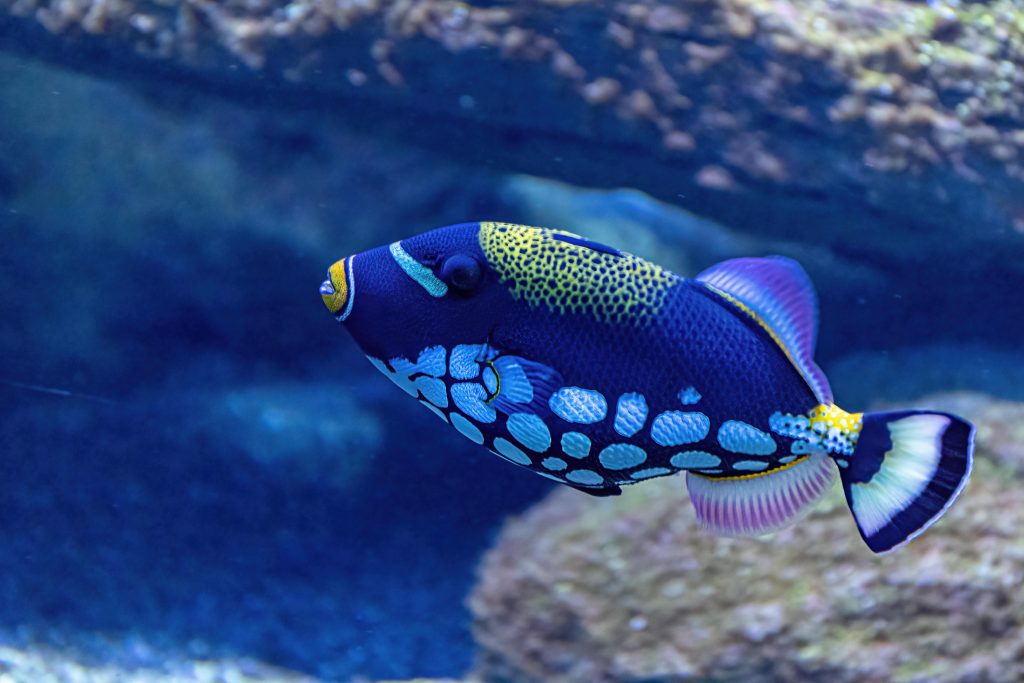
Clown Triggerfish (Balistoides Conspicillum)
Clown triggerfish are stunning but aggressive marine fish that need very large tanks, strong filtration, and careful tankmate…
[favorite_button]
My Bookmarks:
To see full list click here
[user_favorites user_id="" include_links="true" site_id="" post_types="" include_thumbnails="true" thumbnail_size="thumbnail" include_excerpt="false"]