Yellow Tang (Zebrasoma flavescens): A Bright Icon of the Reef Tank
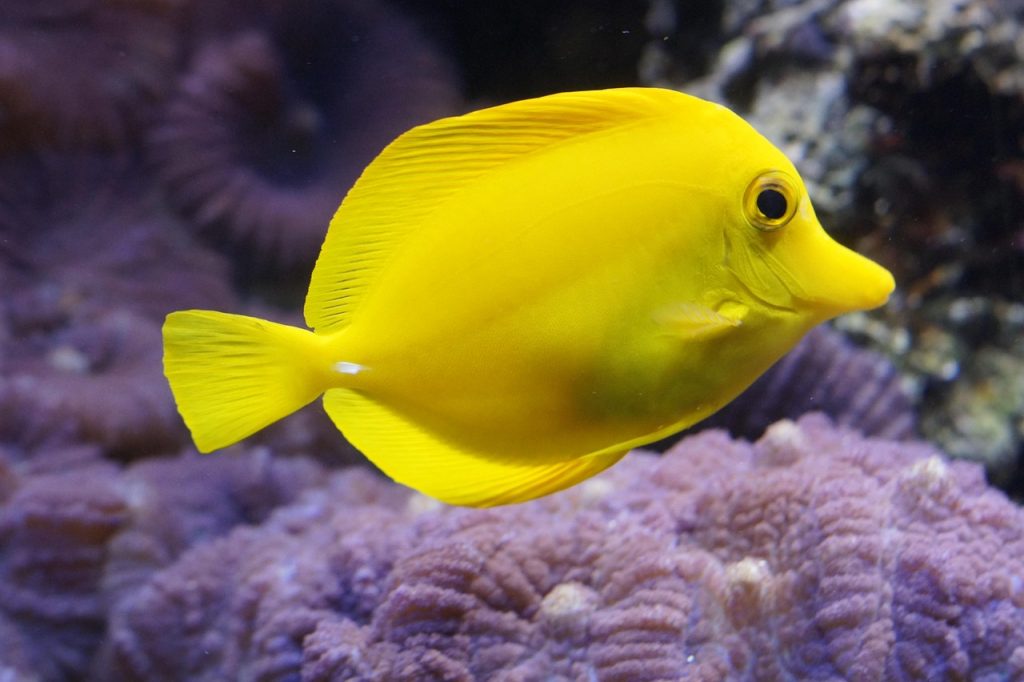
The Yellow Tang (Zebrasoma flavescens) is one of the most recognizable and sought-after fish in the saltwater aquarium hobby. Its vivid lemon-yellow body, constant motion, and algae-grazing behavior make it both beautiful and functional in a reef tank. When cared for properly, a Yellow Tang can live for many years and become a centerpiece of your display.
Natural Behavior, Size, and Tank Requirements
In the wild, Yellow Tangs are found around the reefs of Hawaii and parts of the central Pacific, where they graze on filamentous algae throughout the day. Understanding their natural lifestyle helps you provide the right environment in your home aquarium.
Tank Size and Aquascape
- Minimum tank size: 75 gallons is often considered the bare minimum; 90+ gallons is strongly preferred for long-term care.
- Swimming room: Provide long stretches of open water along the front of the rockwork so the fish can cruise and graze.
- Hiding spots: Use live rock to create arches and caves where the tang can retreat at night or when stressed.
For more on planning your system, see our guide on building your first reef tank, which covers aquascaping and water movement basics.
Water Parameters
- Temperature: 24–27°C (75–81°F)
- Salinity: 1.024–1.026 specific gravity
- pH: 8.1–8.4
- Nitrate: < 20 ppm (ideally < 10 ppm in reef systems)
Stable, high-quality water is crucial. Yellow Tangs are hardy once established, but they can be sensitive to swings in salinity and temperature, especially during the first few weeks in a new tank.
Diet, Compatibility, and Health
Yellow Tangs are primarily herbivores and should not be treated as simple “cleanup crew.” A varied, algae-rich diet keeps them colorful, active, and resistant to disease.
Feeding Your Yellow Tang
- Offer nori (dried seaweed) on a clip once or twice daily.
- Supplement with spirulina-based pellets or flakes.
- Occasionally add frozen herbivore blends or mysis shrimp as a treat.
- Soak foods in vitamin and garlic supplements to support immune health.
Tip: Place the nori clip near a high-flow area but away from overflows so it doesn’t get sucked into the filter.
For a broader look at what to feed your reef fish, check out our article on best foods for marine fish.
Temperament and Tank Mates
Yellow Tangs are generally peaceful toward other species but can be territorial with similar-shaped tangs or other algae grazers. To reduce aggression:
- Add the Yellow Tang after more timid fish have settled in.
- Avoid mixing multiple Zebrasoma tangs in smaller systems.
- Provide plenty of rockwork to break line of sight.
They usually coexist well with clownfish, wrasses, gobies, and most reef-safe species. Yellow Tangs are considered reef-safe, and they rarely bother corals or invertebrates, making them an excellent choice for mixed reefs.
Common Health Concerns
Like many tangs, Yellow Tangs are prone to marine ich (Cryptocaryon) and other external parasites. A proper quarantine routine is highly recommended before introducing them to your display tank.
- Quarantine new arrivals for 2–4 weeks.
- Observe for white spots, rapid breathing, or flashing.
- Maintain excellent water quality and a strong, varied diet to support immunity.
For step-by-step guidance, see our in-depth guide on quarantining saltwater fish.
Is the Yellow Tang Right for Your Aquarium?
When given enough space, stable water conditions, and a diet rich in marine algae, the Yellow Tang can be a hardy, long-lived showpiece that also helps control nuisance algae. It’s best suited for intermediate hobbyists who already have a stable system and are prepared for the responsibilities of a larger tank.
If you’re ready for a bright, active, and iconic reef fish that brings both color and utility to your aquarium, Zebrasoma flavescens is an excellent candidate—as long as you can meet its space and care requirements.
Sources
- Michael, S. (2001). Reef Fishes: A Guide to Their Identification, Behavior, and Captive Care. Microcosm.
- Fenner, R. (2001). The Conscientious Marine Aquarist. TFH Publications.
- FishBase. “Zebrasoma flavescens” species summary.
Was this helpful?
Related Posts
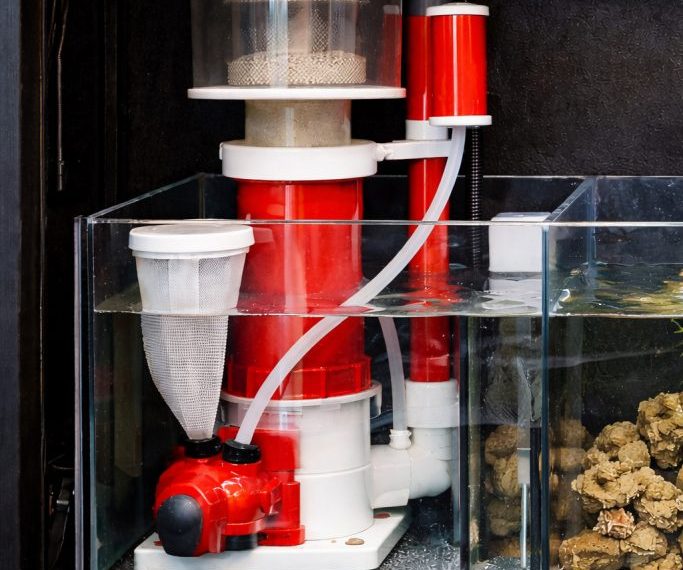
Protein Skimmer Reef Tank Guide
Learn how a protein skimmer works, how to size one, and how to tune it for a cleaner,…
 By
By
Reef Aquarium Water Parameters
Learn the ideal reef aquarium water parameters, safe ranges, and how to keep salinity, alkalinity, nutrients, and pH…