

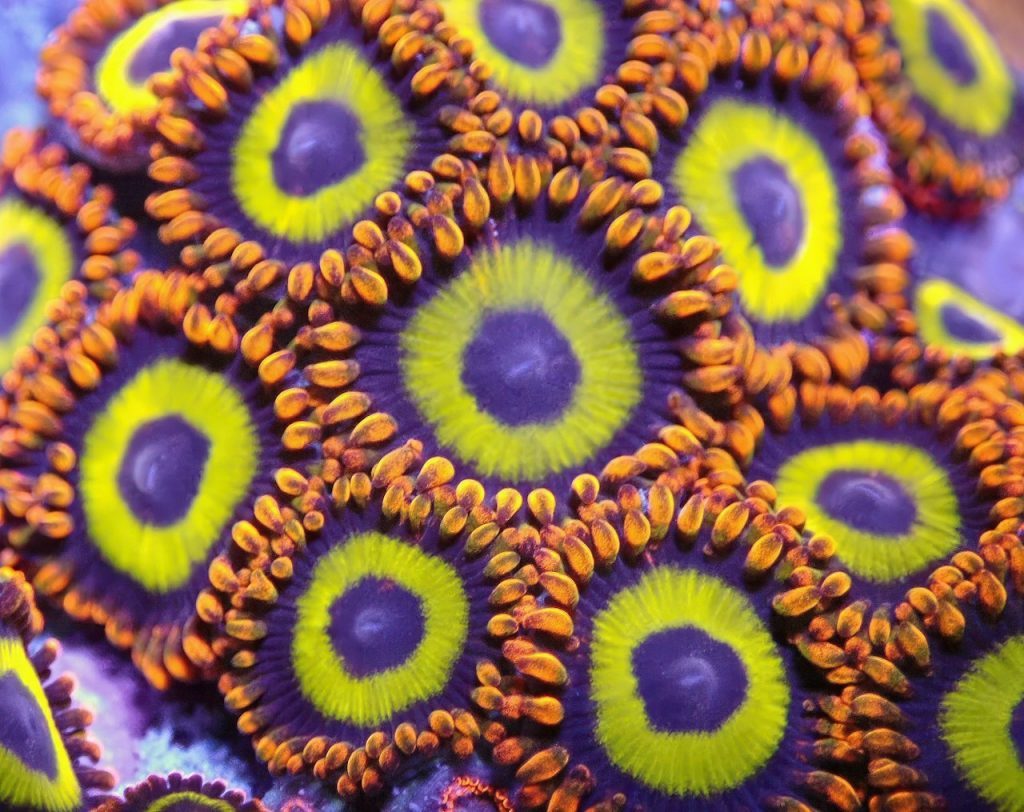
Zoanthus corals, often called zoanthids or zoas, are colorful colonial polyps that suit many reef tanks. They are hardy, fast growing, and rewarding, but they still need stable water, smart placement, and careful handling because some species may contain palytoxin.
In this guide, you will learn how to keep Zoanthus corals healthy in a home reef aquarium. We will cover lighting, flow, feeding, placement, compatibility, fragging, and common problems. If you want better polyp extension, stronger color, and steady growth, this care guide will help you avoid the mistakes that frustrate many new reef keepers.
Quick Reference Table
| Common name | Zoanthus, zoanthids, zoas |
| Scientific group | Genus Zoanthus |
| Care level | Easy to moderate |
| Temperament | Generally peaceful |
| Lighting | Low to moderate, sometimes moderate to high depending on morph |
| Water flow | Low to moderate, indirect |
| Placement | Lower to middle rockwork |
| Diet | Mostly photosynthetic, benefits from dissolved nutrients and occasional fine foods |
| Temperature | 76-79°F |
| Salinity | 1.025-1.026 specific gravity |
| pH | 8.1-8.4 |
| Alkalinity | 8-9 dKH |
| Nitrate | 2-15 ppm preferred |
| Phosphate | 0.03-0.10 ppm preferred |
| Propagation | Easy by fragging colonies |
Use this table as a starting point. Zoanthids tolerate a range of conditions, but they perform best with stability. Sudden swings in salinity, alkalinity, or temperature often cause closed polyps and slow growth.
What Are Zoanthus Corals?
Zoanthus corals are colonial polyps that grow in mats or clusters. Each polyp has a flat oral disc and a ring of short tentacles. They come in many colors and patterns. This variety makes them one of the most collected coral groups in the reef hobby.
Many hobbyists use zoas to add bright color to lower areas of the aquascape. They can form attractive gardens with contrasting morphs. Some stay compact. Others spread quickly across rock. Growth rate depends on light, nutrients, and overall tank stability.
Zoanthus is often confused with Palythoa. The two can look similar. In general, Zoanthus polyps are smaller and more delicate. Identification in the trade is not always perfect. Treat all zoanthid-like corals carefully. Some may contain dangerous toxins. Gloves and eye protection are always wise during handling, dipping, and fragging.
Natural Habitat
Zoanthus corals occur in tropical marine environments across the Indo-Pacific and other warm regions. In nature, they often grow on hard substrates in shallow reef zones. You may find them on rock faces, reef flats, and lagoon areas with changing light and flow.
These habitats help explain their aquarium needs. Many zoanthids receive moderate water movement rather than blasting current. They also experience stable salinity and warm temperatures. Sunlight can be intense in shallow water, but not every colony grows fully exposed. Some live in partially shaded areas or lower crevices.
Because they come from different microhabitats, not all morphs behave the same in captivity. One variety may thrive under stronger light. Another may bleach in the same spot. Start new frags in moderate conditions. Then adjust placement slowly based on color, extension, and growth.
Aquarium Setup
Zoanthus corals do well in nano reefs and large mixed reefs. Tank size matters less than stability. A mature aquarium with consistent parameters is better than a brand new setup. Avoid adding prized zoas to tanks still cycling or swinging in alkalinity.
Place zoanthids on isolated rocks when possible. This makes future control easier. Some morphs spread fast and can overtake nearby rockwork. Leave room between colonies. Good spacing helps with flow and limits contact with aggressive neighbors.
Aquascaping should allow moderate indirect flow across the colony. Detritus should not settle on the polyps. At the same time, the colony should not fold over from constant pressure. Flat shelves, small islands, and lower ledges often work very well.
Stable parameters are critical. Keep temperature around 76 to 79 degrees. Maintain salinity near natural seawater. Alkalinity swings can stress zoas more than many beginners expect. If you struggle with consistency, read our guides on reef tank cycling, reef tank water parameters, and best salt mix for reef tank.
Lighting Requirements
Zoanthids usually prefer low to moderate light. Many thrive in the 50 to 150 PAR range. Some colorful morphs adapt to higher levels, but sudden increases can cause bleaching, shrinking, or prolonged closure. Light acclimation is important.
If you buy a new frag, place it lower in the tank first. Watch it for one to two weeks. If the polyps stretch upward, the coral may want more light. If the color fades or the oral disc stays tight, the light may be too strong. Move the frag gradually rather than making one large change.
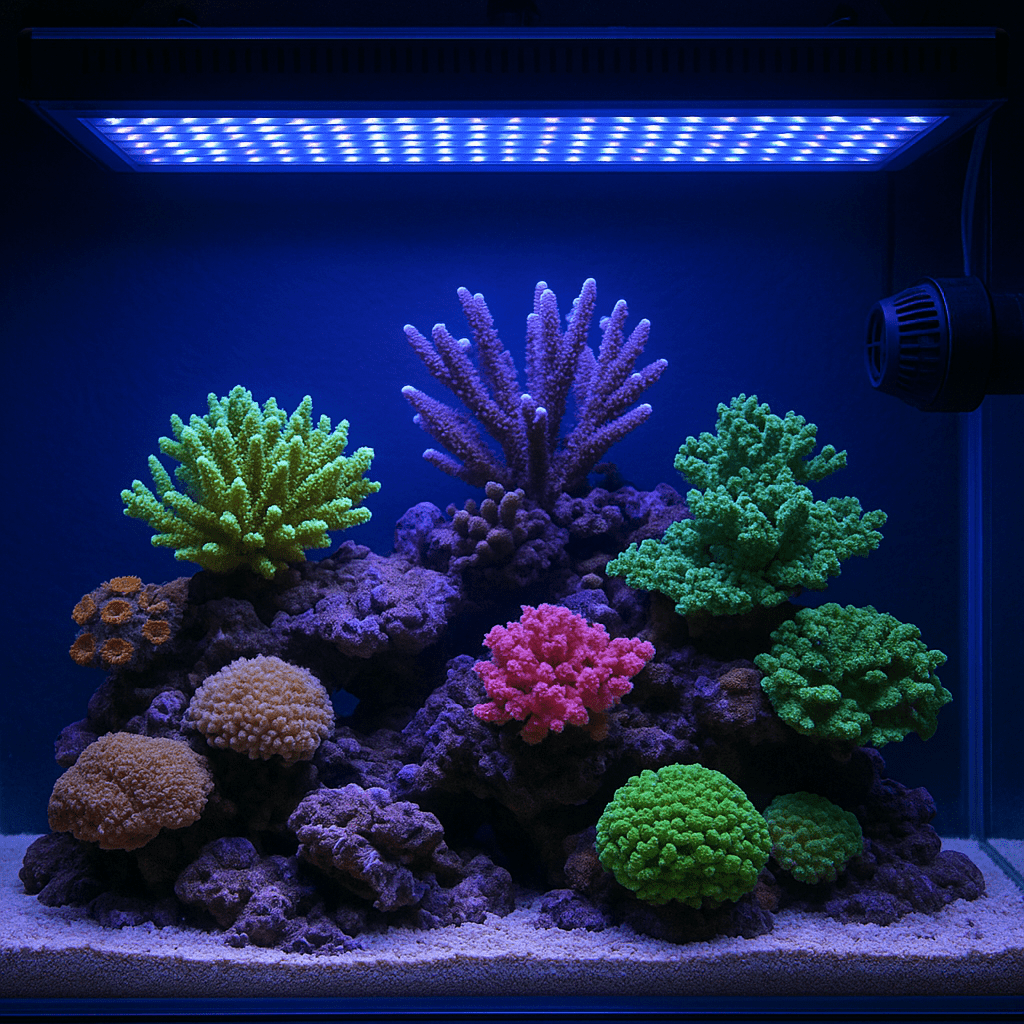
Blue-heavy reef lighting often brings out the best fluorescence. However, color alone does not prove health. Healthy zoas should open reliably and show steady growth. A coral that glows brightly but stays closed is not thriving.
Photoperiod also matters. Eight to ten hours of full reef lighting works for most tanks. Avoid chasing color with constant changes. Stability usually produces better long-term results than frequent adjustments.
Water Flow
Zoanthus corals prefer low to moderate, indirect flow. The goal is gentle movement around the colony. This keeps debris from settling and helps gas exchange. It also reduces the risk of film algae building between polyps.
Too little flow causes problems. Detritus can collect on the mat. Cyanobacteria may form around the base. Polyps may stay partly closed if waste accumulates. Too much flow causes a different issue. Polyps may remain pinched or bend in one direction all day.
Look for a natural swaying motion. The tentacles should move slightly, but the colony should not whip around. Random flow patterns are often better than direct linear blasts. In many mixed reefs, placing zoas off to the side of a powerhead works well.
If one colony refuses to open, test a new location before assuming disease. Many zoanthid problems are really placement problems. Small changes in flow can make a big difference.
Feeding
Zoanthids contain zooxanthellae and get much of their energy from light. They do not need heavy target feeding to survive. Still, they can benefit from a reef tank with available nutrients and occasional fine particulate foods.
In practical terms, a lightly fed ultra-clean tank can leave zoas looking dull or stalled. Many hobbyists see better growth when nitrate and phosphate are present in reasonable ranges. Aim for measurable nutrients, not zero. Very low nutrient systems often produce tiny polyps and weak spreading.
You can offer powdered coral foods, fine zooplankton blends, or broadcast foods once or twice weekly. Turn off strong flow briefly if needed. Avoid overfeeding. Excess food can fuel algae and irritate the colony. Most tanks do best with light, consistent feeding rather than heavy spot feeding.
If your zoas are growing, opening, and coloring well, keep your routine simple. They are not demanding eaters. Stability matters more than fancy feeding schedules.
Compatibility
Zoanthus corals are usually peaceful, but they still compete for space. Keep them away from aggressive LPS corals with long sweeper tentacles. Euphyllia, galaxea, and some favia species can sting nearby zoas. Soft corals can also create chemical competition in crowded tanks.
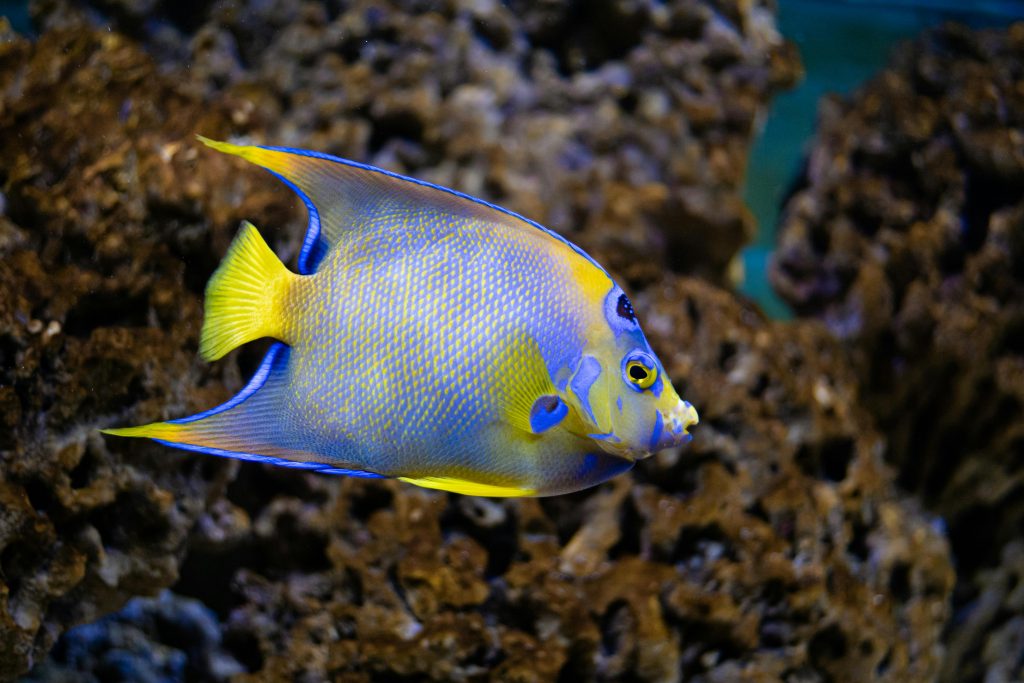
Fish compatibility is generally good. Most common reef-safe fish ignore zoanthids. However, some angelfish, butterflyfish, and large curious fish may nip polyps. Certain crabs and shrimp can irritate colonies by walking over them or stealing food.
Zoanthid-eating pests are a bigger threat than tankmates. Nudibranchs, sundial snails, and some spiders can devastate a colony. Quarantine and dipping new frags is one of the best habits you can build. See our guides on coral dip guide and reef-safe clean up crew for helpful prevention tips.
If you plan a zoa garden, group similar light and flow needs together. Give each morph room to spread. This keeps the display tidy and easier to maintain.
Propagation and Fragging
When to Frag Zoanthids
Frag zoanthids when the colony is healthy, open daily, and spreading onto surrounding rock or plug surface. Do not frag stressed colonies. Wait until they recover from shipping, dips, or recent parameter swings.
How to Frag Safely
Safety comes first. Wear gloves and eye protection. Work in a ventilated area. Never boil rocks or expose cut material to steam. Some zoanthid-like corals can release palytoxin, which is dangerous to humans and pets.
Use bone cutters, a scalpel, or coral cutters to remove a small section of mat with several polyps attached. If the colony is on a plug, you can often cut the plug itself. Glue the frag to a clean frag plug or small rubble piece. Allow it to rest in low to moderate flow until it reopens.
Aftercare for New Frags
Fresh frags may stay closed for several days. Keep them in stable conditions. Avoid moving them repeatedly. Watch for bacterial film, pests, or tissue damage. Once reopened, new frags usually settle in quickly and begin spreading within weeks.
Common Problems
Zoanthids Not Opening
This is the most common complaint. Likely causes include shipping stress, unstable alkalinity, detritus buildup, poor placement, pests, or recent dips. Start with the basics. Check salinity, temperature, alkalinity, nitrate, and phosphate. Inspect the colony closely for tiny nudibranchs, egg spirals, sundial snails, or irritation from nearby corals.
Gently turkey-baste debris from the colony. Adjust flow if waste is collecting. If pests are present, remove them manually and repeat dips as needed. Do not chase the problem with many changes at once.
Melting or Receding Polyps
Melting usually points to stress, infection, or pests. Rapid parameter changes are common triggers. Check for tissue damage at the base. Isolate affected frags if needed. Improve flow around the colony and keep water quality stable. In severe cases, hobbyists sometimes use iodine-based dips, but follow product directions carefully.
Faded Color or Bleaching
Too much light is a frequent cause. Move the colony lower and reduce intensity if needed. Nutrient starvation can also wash out color. Ultra-low nitrate and phosphate often leave zoas pale. Aim for balanced nutrients rather than perfectly clean numbers.
Algae Growing Between Polyps
This usually happens when flow is weak or nutrients are poorly balanced. Remove nuisance algae gently with tweezers or a soft brush outside the tank if practical. Increase indirect flow. Review feeding and export. A healthy clean up crew can help, but prevention is better than constant cleanup.
Step-by-Step Care Tips for Success
First, buy from a trusted source. Choose a frag with open polyps and a clean base. Second, dip and inspect every new coral. Third, place the frag low or mid-level under moderate conditions. Fourth, keep parameters stable for several weeks. Fifth, avoid overreacting if the coral stays closed for a few days.
Next, watch the colony closely. Stretching suggests low light. Pinching suggests too much flow or irritation. Fading suggests excess light or low nutrients. Debris buildup suggests poor placement. Small observations prevent major setbacks.
Finally, be patient. Zoanthids often reward consistent care with fast spreading and bright color. They are forgiving, but they still respond best to a mature, stable reef system.
Frequently Asked Questions
Are Zoanthus corals good for beginners?
Yes. Many zoanthids are beginner friendly. They tolerate a range of conditions. Still, they need stable parameters and pest prevention.
How fast do zoanthids grow?
Growth varies by morph and conditions. In stable tanks, many colonies spread steadily and can double over several months.
Do zoanthids need target feeding?
No. They do not require target feeding. Most rely mainly on light and dissolved nutrients. Occasional fine foods may improve growth.
Can zoanthids sting other corals?
They are not strong stingers, but they can overgrow nearby corals. Give them space and isolate fast-growing colonies when needed.
Are zoanthids toxic?
Some zoanthid-like corals may contain palytoxin. Always handle them carefully. Wear gloves and eye protection during fragging and dipping.
Zoanthus corals are popular for a reason. They combine color, personality, and manageable care needs. If you focus on stable water, moderate placement, pest prevention, and safe handling, zoanthids can become one of the most rewarding corals in your reef tank.
Was this helpful?
Related Posts
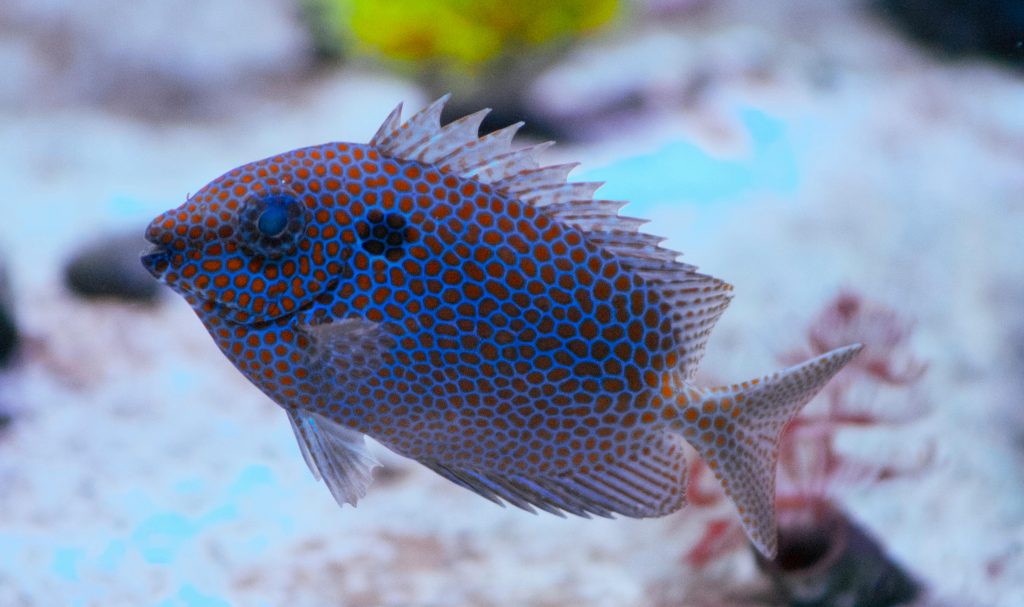
Gold Spotted Rabbitfish (Siganus Punctatus)
Gold Spotted Rabbitfish care includes large tanks, heavy algae feeding, and caution with corals. Learn tank size, diet,…
 By
By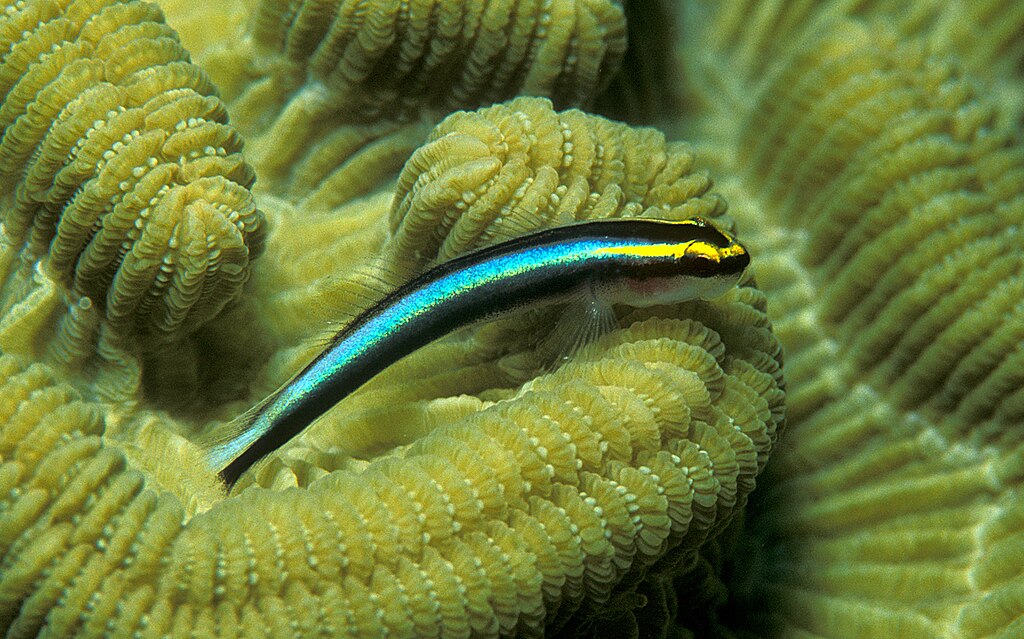
Sharknose Goby (Elacatinus evelynae)
Sharknose Goby care is simple in stable reef tanks. Learn feeding, tank setup, compatibility, and common problems for…
[favorite_button]
My Bookmarks:
To see full list click here
[user_favorites user_id="" include_links="true" site_id="" post_types="" include_thumbnails="true" thumbnail_size="thumbnail" include_excerpt="false"]