

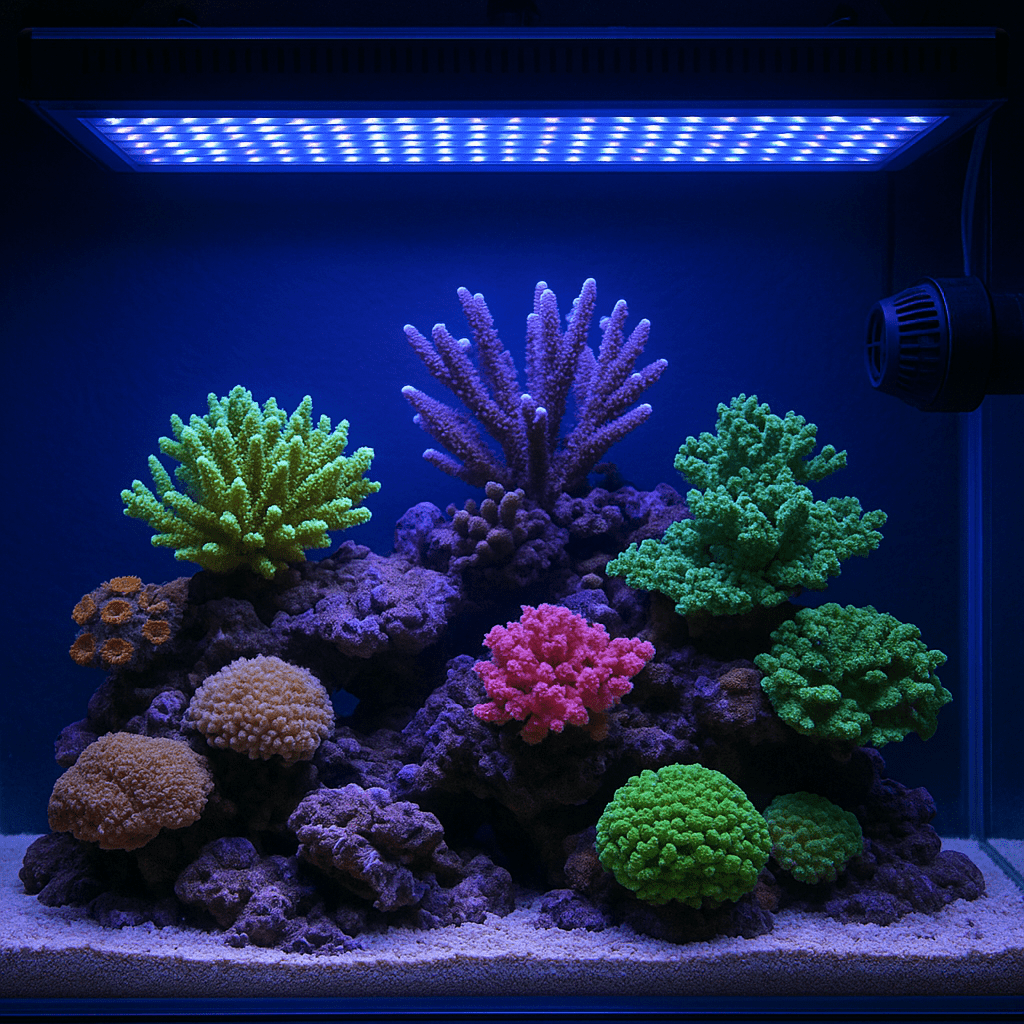
Proper reef tank acclimation reduces stress, prevents shock, and improves survival when adding fish, corals, and invertebrates. This guide explains when to float, when to drip acclimate, what parameters matter most, and how to avoid common mistakes that lead to losses.
Many reef losses happen in the first few hours after an animal enters the tank. The problem is often not disease. It is sudden change. Salinity, temperature, pH, and light can all shift too fast. Reef animals handle stability far better than rapid swings. A good acclimation routine bridges that gap safely. In this guide, you will learn how to acclimate saltwater fish, corals, shrimp, snails, and other inverts. You will also learn when slow acclimation helps, when it hurts, and how quarantine changes the process. The goal is simple. Get new arrivals settled with the least stress possible.
Quick Reference Table
| Livestock Type | Temperature Match | Drip Acclimation | Light Acclimation | Notes |
|---|---|---|---|---|
| Marine fish | Yes, 10 to 15 minutes | Usually short or none | Low room light helps | Prioritize ammonia safety in shipping water |
| SPS corals | Yes | Short acclimation only | Very important | Dip before placement if appropriate |
| LPS corals | Yes | Short acclimation only | Important | Avoid strong flow at first |
| Soft corals | Yes | Short acclimation only | Moderate | Observe for pests before adding |
| Shrimp and crabs | Yes | Yes, slow drip | Low light preferred | Very sensitive to salinity swings |
| Snails and starfish | Yes | Yes, slow drip | Low light preferred | Acclimate carefully to avoid osmotic shock |
Use this table as a starting point. Shipping time, bag condition, and species sensitivity still matter. Delicate invertebrates need the most caution. Fish often need the fastest transfer once the bag is opened.
Why Acclimation Matters in a Reef Tank
Reef animals live in stable water. Your tank should also stay stable. The problem starts during transport. Shipping bags cool down. Oxygen drops. Carbon dioxide rises. pH falls in the sealed bag. Once you open that bag, pH starts rising again. That change can make ammonia more toxic very quickly. This is why long acclimation is not always safer.
Acclimation has two jobs. First, it reduces temperature and salinity shock. Second, it limits stress during transfer. Fish can often handle a short acclimation if the destination water is clean and stable. Invertebrates usually need a slower approach because they struggle with osmotic swings. Corals sit somewhere in the middle. They need stable chemistry, but they also need smart light acclimation after placement. A calm process prevents rapid breathing, tissue damage, failed molts, and coral recession. Good acclimation is not about doing more. It is about doing the right steps in the right order.
What to Check Before You Acclimate
Prepare before opening any bag. Match your tank salinity to your normal target. For most reef systems, that means 1.025 to 1.026 specific gravity. Confirm temperature is stable. Check that ammonia and nitrite are zero. Nitrate should be reasonable for the livestock you keep. Corals also need stable alkalinity, calcium, and magnesium.
Dim the room lights. Bright light adds stress. Gather a clean bucket, airline tubing, a valve or knot for drip control, a thermometer, and a refractometer. Keep coral dip ready if you use one. Never pour shipping water into your display tank. It can carry ammonia, pests, or medications. If the animal is going into quarantine, prepare that tank first. Quarantine water should already match the display on salinity and temperature as closely as possible. Good preparation makes acclimation shorter and safer. It also reduces rushed mistakes. For a broader setup checklist, see reef tank setup guide.
Step-by-Step Reef Tank Acclimation Guide
Start by floating the sealed bag for 10 to 15 minutes. This matches temperature. Do not float too long if the bag is heavily fouled. Open the bag after temperature equalizes. If the livestock is a fish, check the smell and condition of the water. If shipping water is poor, move quickly. Net the fish or use a specimen container. Transfer it into quarantine or the display without adding bag water.
For corals, place the coral and bag water in a clean container. Add small amounts of tank water over 10 to 20 minutes. Then inspect and dip if needed. Place the coral low in the tank at first. For shrimp, snails, crabs, starfish, and other sensitive inverts, use a slow drip line. Aim for two to four drops per second. Double the water volume over 30 to 60 minutes. Some delicate species may need longer. Once done, move the animal gently into the tank. Discard all transport water. Keep lights reduced for the rest of the day. If you need help stabilizing salinity first, read reef tank salinity guide.
How to Acclimate Saltwater Fish
Fish acclimation causes the most confusion. Many hobbyists assume longer is always better. That is not true with shipped fish. In a sealed bag, low pH keeps some ammonia less toxic. Once the bag opens, pH rises and ammonia danger increases. This is why fish usually benefit from a short acclimation. Temperature match first. Then transfer promptly into clean water.
If the seller kept fish at much lower salinity, a brief adjustment may help. This is common with some stores and wholesalers. Even then, avoid dragging the process out in dirty bag water. A quarantine tank makes this easier. You can match the fish to the bag salinity, then raise salinity slowly over days. That is far safer than a long bucket acclimation. Keep lights off after introduction. Offer food later, not immediately. Watch breathing rate, swimming balance, and signs of aggression from established tankmates. For disease prevention, pair acclimation with saltwater fish quarantine guide.
How to Acclimate Corals
Corals need attention to temperature, chemistry, and light. Start with a short temperature float. Then move the coral into a container for a short water acclimation. Ten to twenty minutes is enough in most cases. After that, inspect for pests. Many reef keepers dip corals before they enter the tank. A dip will not replace quarantine, but it can reduce hitchhikers.
Light acclimation matters as much as water acclimation. A coral shipped in darkness can bleach under strong LEDs. Place new corals lower in the tank. Use reduced intensity for several days if possible. Increase exposure gradually over one to two weeks. Watch tissue inflation, polyp extension, and color. LPS corals often prefer moderate light and gentler placement at first. SPS corals usually need stronger light later, but not on day one. Soft corals are often forgiving, yet they still react badly to sudden changes. For placement and chemistry help, see coral placement guide and reef tank alkalinity guide.
How to Acclimate Shrimp, Snails, and Other Invertebrates
Most invertebrates need slower acclimation than fish. Shrimp are especially sensitive to salinity swings. Snails and starfish can also suffer from osmotic shock. Float the bag for temperature first. Then place the animal and shipping water into a small bucket or container. Use airline tubing to drip tank water slowly into the container.
Aim for a steady drip, not a stream. Over 30 to 60 minutes, double or triple the water volume. Delicate stars and some ornamental shrimp may need the longer end of that range. Keep the container covered or dimly lit. This reduces stress. Once acclimated, transfer the animal by hand or container. Avoid exposing some species to air if the seller advises against it. Do not rush this step because inverts often look fine at first, then decline later. Failed molts, limp behavior, and inactivity often trace back to poor acclimation or unstable salinity. Stability matters more than speed for these animals.
Lighting and Flow After Acclimation
Acclimation does not end at the transfer. The first 24 to 72 hours matter. Fish should enter a calm environment with reduced lighting. This lowers stress and aggression. Corals need special care with both light and flow. Start lower in the tank unless you know the coral came from similar lighting. Strong flow right away can keep fleshy LPS from inflating. Too little flow can let mucus and waste collect.
Use moderate, indirect flow for most new coral additions. Then adjust based on response. SPS corals usually want more flow once settled. Soft corals often tolerate a wider range. Avoid blasting any coral on day one. If using LED fixtures, lower intensity or shorten the photoperiod for new arrivals. Many hobbyists use acclimation mode for this reason. Fish also benefit from hiding spaces after transfer. Provide caves, overhangs, and visual breaks. This reduces chasing and gives shy species time to settle.
Common Problems
Fish breathing fast after acclimation
Rapid breathing usually points to stress, ammonia exposure, low oxygen, or disease. Check temperature and salinity first. Increase surface agitation. Dim the lights. If the fish came from shipping, poor bag water may be the cause. Quarantine and observation are best.
Coral stays closed or loses color
This often comes from light shock, rough handling, or unstable alkalinity. Move the coral lower if needed. Check alkalinity, salinity, and temperature. Inspect for pests if the coral continues to decline. Give it time before moving it repeatedly.
Shrimp dies after a molt or within days
Sudden salinity change is a common reason. Copper exposure can also kill inverts. Review your drip acclimation process. Confirm salinity with a calibrated refractometer. Never place shrimp into tanks treated with copper.
Snails do not move after introduction
Some snails rest for hours after shipping. Others are in trouble from salinity shock. Place any overturned snail upright. Check for response after several hours. Strong odors or tissue loss suggest it did not survive transport.
New fish gets bullied immediately
Acclimation cannot fix compatibility issues. Rearranging a small part of the rockwork can help. Adding fish with the lights off also helps. An acclimation box is useful for aggressive tangs, wrasses, and damsels.
Frequently Asked Questions
How long should I acclimate saltwater fish?
Usually 10 to 20 minutes total is enough for shipped fish. Match temperature first. Then transfer quickly into clean water. Long fish acclimation can increase ammonia risk.
Should I drip acclimate corals?
Usually no. A short acclimation is enough for most corals. The bigger concern is pest inspection, dipping, and light acclimation after placement.
Do I need to drip acclimate snails and shrimp?
Yes, in most cases. These animals are more sensitive to salinity changes than fish. Slow drip acclimation gives better results.
Can I add shipping water to my reef tank?
No. Shipping water may contain ammonia, waste, medications, or pests. Always discard it after transfer.
What is the biggest acclimation mistake beginners make?
The biggest mistake is using the same method for every animal. Fish, corals, and inverts need different approaches. Match the method to the livestock.
Good acclimation is simple once you understand the logic. Keep the process calm. Match temperature. Protect against salinity shock. Avoid prolonged exposure to dirty shipping water. Then support the animal with stable tank conditions. That combination gives new arrivals the best chance to thrive.
Was this helpful?
Related Posts
Kenya Tree Corals
Kenya Tree corals are hardy soft corals with easy care, moderate light needs, and fast growth. Learn placement,…
 By
By
Rhodactis Mushrooms Care
Rhodactis mushrooms are hardy reef corals that prefer low to moderate light, gentle flow, and stable water. Learn…
[favorite_button]
My Bookmarks:
To see full list click here
[user_favorites user_id="" include_links="true" site_id="" post_types="" include_thumbnails="true" thumbnail_size="thumbnail" include_excerpt="false"]