


Alkalinity is one of the main stability levers in a reef tank. It affects coral growth, pH behavior, and how forgiving your system feels day to day. This guide explains what to target and how to keep it steady.
What alkalinity does in a reef tank
Alkalinity is your water’s buffering capacity. In reef terms, it is mostly bicarbonate and carbonate. These ions help resist fast pH swings. They also supply building blocks for coral skeletons.
Most hobby kits report alkalinity as dKH or meq/L. Use dKH for simplicity. For mixed reefs, a common target is 7.5–9.0 dKH. For SPS-heavy tanks, 7.0–8.5 dKH often works best.
Match alkalinity to your nutrient level and lighting intensity. Higher alkalinity can push faster growth. It can also increase burn risk when nutrients are very low. If nitrate is under 2 ppm, stay closer to 7–8 dKH.
Stability matters more than the exact number. Aim for daily swings under 0.3 dKH. Weekly drift should stay under 0.5 dKH. If your tank swings more, dosing and testing need adjustment.
- Good starting targets: 8.0 dKH, calcium 420 ppm, magnesium 1350 ppm
- Safe change rate: no more than 1.0 dKH per day
- Testing cadence: daily when dialing in, then 2–3 times weekly
For related basics, review reef tank water parameters. If you are still cycling, see reef tank cycling guide.
How to test and interpret alkalinity results
Use a reliable titration kit or a calibrated digital checker. Test at the same time each day. Many tanks read slightly lower at night. Consistent timing makes trends easier to see.
Track results in a log or app. Look for a pattern across three to five tests. One odd reading can happen from a bad endpoint. Retest before making big corrections.
Calculate daily consumption to set dosing. Example: a 75-gallon system drops from 8.3 to 7.9 dKH in 24 hours. That is 0.4 dKH per day. Dose to replace 0.4 dKH daily, then fine-tune.
Confirm your salinity before chasing alkalinity. A shift from 1.026 to 1.024 can change readings. Use a calibrated refractometer or conductivity meter. Keep salinity near 35 ppt for consistency.
- Rinse test vials with tank water before testing
- Swirl gently during titration to avoid overshooting the endpoint
- Retest if the result changes by more than 0.5 dKH from yesterday
If you see unstable pH along with alkalinity drift, check reef tank pH control for aeration and CO2 tips.
Dosing strategies and troubleshooting common problems
The simplest approach is two-part dosing. Dose alkalinity and calcium in separate containers. Start with small daily doses. Use a dosing pump once demand rises.
Spread alkalinity dosing across the day. This reduces pH spikes and localized precipitation. A good starting schedule is 6–12 small doses per day. Dose into a high-flow area of the sump.
Common mistake: raising alkalinity too fast after a missed dose. Corals can react with pale tips or tissue loss. Increase no more than 1.0 dKH per day. If you are below 6.5 dKH, raise it over several days.
Another issue is “alk won’t stay up.” Check magnesium first. Keep it 1280–1450 ppm. Low magnesium can make calcium carbonate precipitate. Also inspect heaters and pumps for white crust.
- If alkalinity rises but calcium falls: you may be overdosing alk or precipitating calcium
- If alkalinity falls fast: check for new coral growth, coralline algae, and dosing pump errors
- If you see cloudy water after dosing: stop dosing and improve flow at the dosing point
Water changes can reset balance, but they can also cause swings. Match the new saltwater alkalinity within 0.5 dKH of the tank. Mix for 12–24 hours, then test before use. This avoids sudden stress after large changes.
Conclusion
Pick a realistic alkalinity target and keep it stable. Test consistently, dose slowly, and watch trends instead of single numbers. With steady alkalinity, coral color and growth become much easier to predict.
Sources: Randy Holmes-Farley, “Alkalinity in Reef Aquaria”; Julian Sprung, The Reef Aquarium series; Craig Bingman, seawater chemistry articles.
Was this helpful?
Related Posts
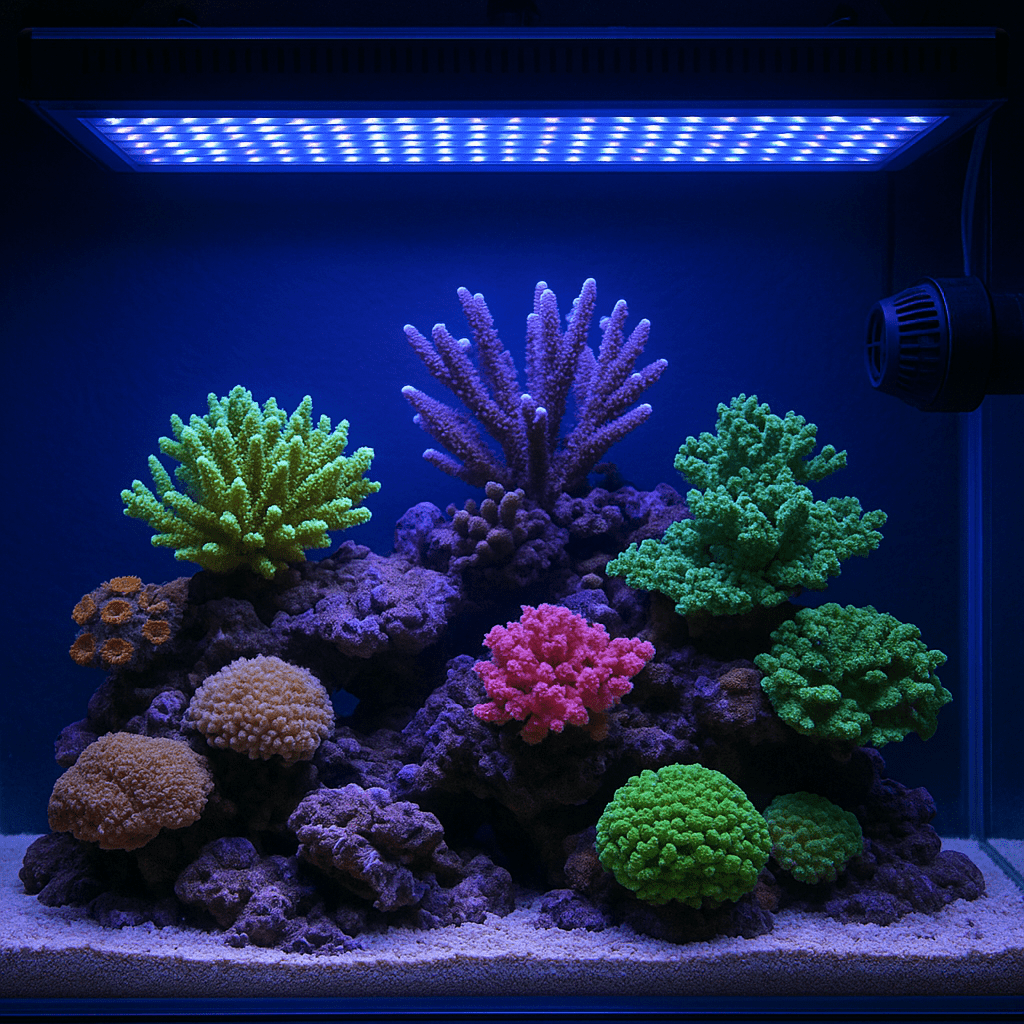
Best Filtration Systems
Best Filtration Systems for a Healthy Saltwater Aquarium Choosing the best filtration system for your saltwater aquarium is…
 By
By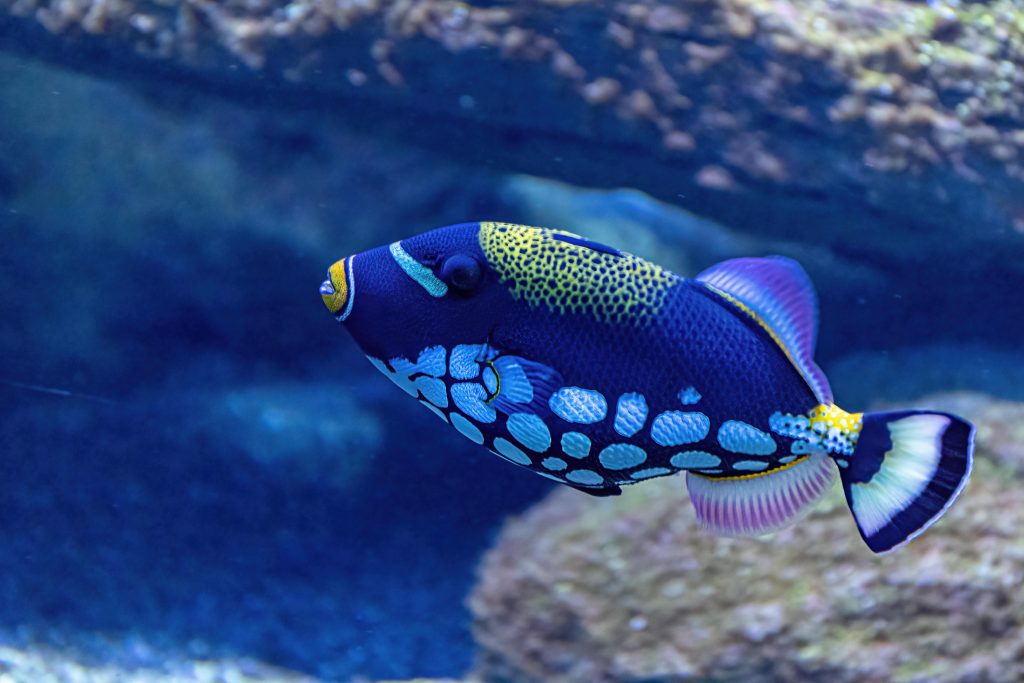
Clown Triggerfish (Balistoides Conspicillum)
Clown triggerfish are stunning but aggressive marine fish that need very large tanks, strong filtration, and careful tankmate…
[favorite_button]
My Bookmarks:
To see full list click here
[user_favorites user_id="" include_links="true" site_id="" post_types="" include_thumbnails="true" thumbnail_size="thumbnail" include_excerpt="false"]