

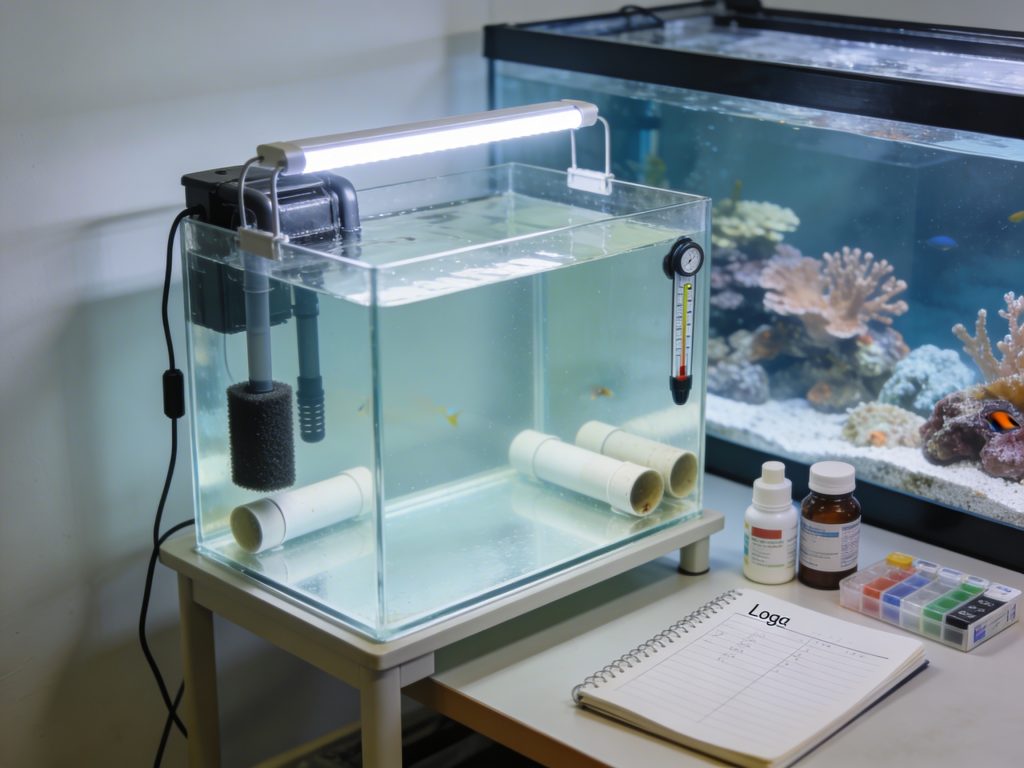
Quarantine marine fish before they enter your display tank. This simple step prevents disease, reduces stress, and protects your reef. A separate quarantine tank gives new fish time to recover, eat well, and show hidden problems before they threaten established livestock.
Many reef keepers skip quarantine once. Many regret it later. One infected fish can spread ich, velvet, flukes, or bacterial issues through an entire system. Catching every fish in a rock-filled reef is hard. Treating a display with corals and invertebrates is even harder. In this guide, you will learn how to set up a quarantine tank, how long to quarantine marine fish, what equipment matters most, and how to troubleshoot common problems. You will also learn when to observe, when to medicate, and how to move fish safely into the display.
Quick Reference Table
| Topic | Recommended Range or Practice |
|---|---|
| Tank size | 10 to 40 gallons, based on fish size |
| Quarantine length | 2 to 4 weeks minimum, often 30 days |
| Temperature | 76 to 78°F |
| Salinity | 1.024 to 1.026 specific gravity |
| Ammonia | 0 ppm at all times |
| Filtration | Sponge filter or seeded bio media |
| Hiding places | PVC elbows, couplings, or inert shelters |
| Lighting | Dim to moderate, low stress |
| Medication approach | Observation or prophylactic treatment |
| Best practice | Use separate tools from the display tank |
This table gives you the basics. The details matter just as much. Stable water quality and close observation are what make quarantine work.
Why Quarantine Marine Fish Matters
Marine fish often arrive stressed. Shipping lowers immunity. Poor handling adds more stress. Parasites and infections can stay hidden for days. Some fish look healthy at the store, then break with disease after a few nights in a home aquarium. Quarantine gives you a controlled place to watch that transition.
The main goal is protection. You protect your display fish first. You also protect the new arrival. In a quiet quarantine tank, a fish can rest and start eating without competition. That matters for delicate species. Tangs, wrasses, anthias, and butterflyfish often settle better in a calm setup.
Quarantine also makes treatment practical. Copper, praziquantel, and antibiotics should not go into a reef display. Corals, shrimp, snails, and beneficial microbes can all suffer. In a bare quarantine tank, dosing is easier and safer. You can monitor symptoms closely and react fast. That saves fish and prevents major losses later.
How Long Should You Quarantine Marine Fish?
For most hobbyists, 30 days is a solid target. Two weeks is often too short. Many diseases need time to appear. Appetite issues also take time to correct. A fish that eats on day one may still crash on day six if parasites are present.
If you use an observation-only quarantine, aim for at least four weeks. This gives you time to watch breathing, waste, skin condition, and behavior. If you use preventive medication, the exact timeline depends on the treatment plan. Copper protocols often run for two weeks at therapeutic levels. Praziquantel is usually repeated. Antibiotics vary by product and diagnosis.
Do not rush the final transfer. The fish should be eating aggressively, swimming normally, and showing no visible symptoms. Fins should be intact. Respiration should be calm. Waste should look normal. If you still have doubts, extend quarantine. Extra time is cheaper than losing a full display stock list.
Quarantine Tank Setup
A marine fish quarantine tank does not need to be fancy. It needs to be stable and easy to clean. A bare-bottom aquarium works best. Most hobbyists use a 10, 20, or 29 gallon tank. Larger fish need more room. Active swimmers may need a 40 gallon breeder.
Use a heater, thermometer, simple filter, and lid. Fish jump when stressed. A sponge filter is ideal. Seed it in your sump before you need it. You can also use bio media kept ready in a low-flow area of the display system. Add PVC fittings for shelter. Fish feel safer with structure. Avoid live rock if you plan to medicate. Rock absorbs copper and complicates dosing.
Keep lighting subdued. Bright light adds stress. Strong flow is not needed for most fish, but surface agitation is essential. Use separate nets, buckets, tubing, and towels. Cross contamination defeats the whole process. If you want to improve your main system too, read reef tank parameters, how to cycle a reef tank, and best clean up crew for reef tank.
Step-by-Step Quarantine Process
Step 1: Prepare the tank before the fish arrives. Match temperature and salinity to the source water if possible. Confirm ammonia is zero. Have test kits and medications ready.
Step 2: Acclimate gently. Float the bag for temperature. Then use a short drip acclimation if salinity differs. Do not drag this out for too long. Shipping water degrades quickly.
Step 3: Transfer without store water. Net the fish or use a specimen container. Avoid pouring bag water into quarantine.
Step 4: Keep the first day quiet. Dim the lights. Offer a small meal after the fish settles. Observe breathing and posture.
Step 5: Test water daily. Ammonia is the biggest early risk. Small tanks foul fast. Be ready for water changes.
Step 6: Choose observation or treatment. Observation works if you are experienced and can spot symptoms early. Preventive treatment lowers disease risk but requires precision.
Step 7: Feed for recovery. Offer varied foods. Use frozen mysis, brine, pellets, nori, or species-specific foods. Remove leftovers.
Step 8: Transfer only after the fish is clearly stable. Match salinity and temperature. Use clean tools. Never move quarantine water into the display.
Observation vs Preventive Medication
There are two common quarantine styles. The first is observation only. You watch closely and treat only if symptoms appear. This avoids unnecessary medication. It also works well for sensitive fish that react poorly to aggressive protocols.
The second style is prophylactic treatment. Many hobbyists use copper for ich and velvet, plus praziquantel for flukes and some worms. This can be effective, but only when dosed correctly. Copper must stay in the therapeutic range. Too little fails. Too much harms fish. Always use a reliable test kit designed for your copper type.
Neither method is perfect. Observation demands skill and patience. Preventive treatment demands discipline and accurate testing. Beginners often do best with a simple, stable quarantine and a conservative plan. If you medicate, research each species first. Some fish, like mandarins and certain wrasses, need extra care with treatment choices.
Feeding During Quarantine
Feeding is not just about calories. It is part of diagnosis. A fish that refuses food may be stressed, infected, or poorly acclimated. Start with foods the species usually accepts. Tangs often respond to nori. Clownfish usually take pellets and frozen foods. Wrasses often prefer moving frozen foods at first.
Feed small portions two to three times daily. This supports weight gain without wrecking water quality. Enriched frozen foods help thin fish recover. Vitamin soaks can help appetite and general condition. Garlic is popular, but it is not a cure. Good water and proper treatment matter more.
Watch the fish eat. Do not assume food disappearing means success. Some fish spit food repeatedly. Others get outcompeted if quarantined in groups. Uneaten food should be siphoned out. Cleanliness is critical in bare quarantine tanks. If you want fish to thrive after quarantine, review reef fish compatibility guide and best food for reef fish.
Compatibility and Stocking in Quarantine
Quarantine is easiest with one fish per tank. That is not always practical. If you quarantine multiple fish together, choose species with similar temperament and care needs. Avoid mixing aggressive fish with shy fish in tight quarters. A dominant fish can prevent feeding and hide disease signs in weaker tankmates.
Do not overcrowd the tank. More fish means more ammonia and more stress. If one fish becomes sick, all exposed fish may need treatment. Group quarantine works best for peaceful fish bought at the same time from the same source. Even then, provide several hiding spots and observe closely.
Never quarantine fish with invertebrates or corals in a medicated system. Copper and many other medications are toxic to them. Keep quarantine simple. Keep it fish only. This reduces confusion and improves control.
Common Problems
Ammonia Spikes
Ammonia is the most common quarantine failure. Bare tanks have limited biological filtration. Heavy feeding makes it worse. Test daily, especially in the first week. If ammonia rises, do an immediate water change. Reduce feeding slightly. Add established bio media if available. Use ammonia alerts as backup, not your only test.
Fish Not Eating
New fish often refuse food for a day or two. Beyond that, investigate. Check salinity, temperature, and ammonia first. Look for rapid breathing or flashing. Try different foods and feeding methods. Offer nori clips, live blackworms where available, or small frozen foods with strong scent. Stress reduction matters as much as menu choice.
Rapid Breathing
Fast breathing can signal ammonia, low oxygen, flukes, velvet, or severe stress. Increase aeration first. Recheck water quality. Examine the fish under good light. Dusty coating, clamped fins, or lethargy can point to velvet. Scratching and excess mucus may suggest flukes. Rapid breathing should never be ignored.
White Spots or Flashing
White spots often indicate marine ich, but not always. Sand grains, lymphocystis, and other issues can confuse diagnosis. Flashing suggests irritation. Watch the pattern. Ich usually appears and disappears in cycles. Velvet often progresses faster and looks finer, like dust. If symptoms escalate quickly, act fast and confirm your treatment plan.
Medication Problems
Many losses come from dosing errors. Always measure water volume accurately. Remove carbon before treatment if the medication requires it. Use the matching test kit for your medication brand when possible. Observe fish closely after each dose. If a fish reacts badly, verify concentration before assuming the disease is worsening.
Moving Fish from Quarantine to the Display
The final move should be calm and clean. Match salinity and temperature between tanks first. This reduces transfer stress. Use a specimen container or soft net. Avoid adding quarantine water to the display. That water may contain pathogens, medication residue, or waste.
If the fish was treated with copper or antibiotics, make sure the treatment course is complete and the fish has recovered well. A short observation period after medication is useful. This confirms appetite and behavior remain normal. Once the fish enters the display, keep lights low and monitor established fish for aggression.
Quarantine is not glamorous. It is one of the best habits in reef keeping. It saves money, protects livestock, and gives new fish a better start. Over time, it becomes routine. And routine is what builds stable, healthy reef systems.
Frequently Asked Questions
Do all marine fish need quarantine?
Yes, ideally. Even healthy-looking fish can carry parasites or infections. Quarantine lowers the risk to your display tank.
Can I use live rock in a quarantine tank?
You can for observation-only setups, but it is not ideal for medicated quarantine. Rock absorbs medications and makes dosing less reliable.
How big should a quarantine tank be?
Use the smallest tank that still gives the fish room to behave normally. Ten to twenty gallons works for many small fish. Larger species need more space.
Should I quarantine corals and invertebrates too?
Yes, but in a separate system. Fish medications are not safe for corals or invertebrates. Coral and invert quarantine follows different rules.
What is the biggest mistake during fish quarantine?
Poor water quality is the most common mistake. Ammonia spikes, rushed setups, and overfeeding cause many quarantine losses.
Was this helpful?
Related Posts
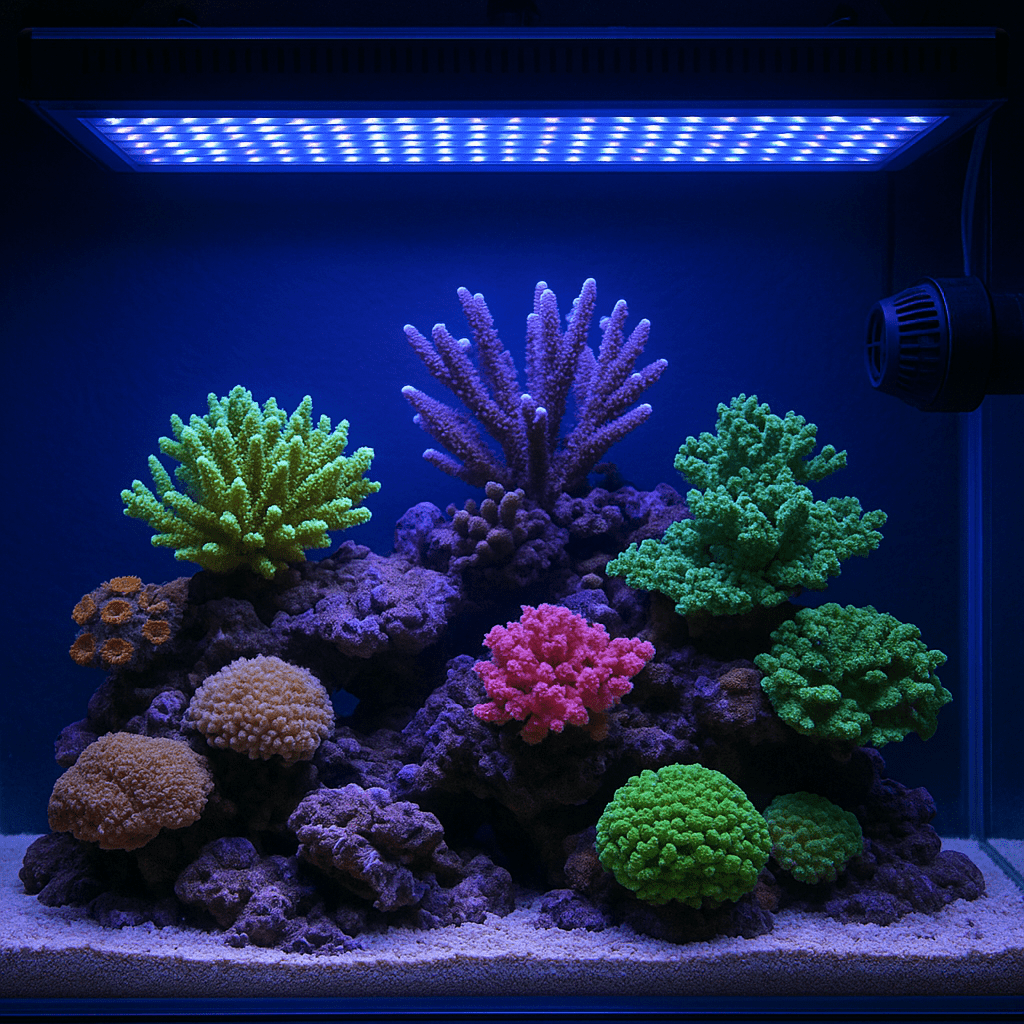
Best Filtration Systems
Best Filtration Systems for a Healthy Saltwater Aquarium Choosing the best filtration system for your saltwater aquarium is…
 By
By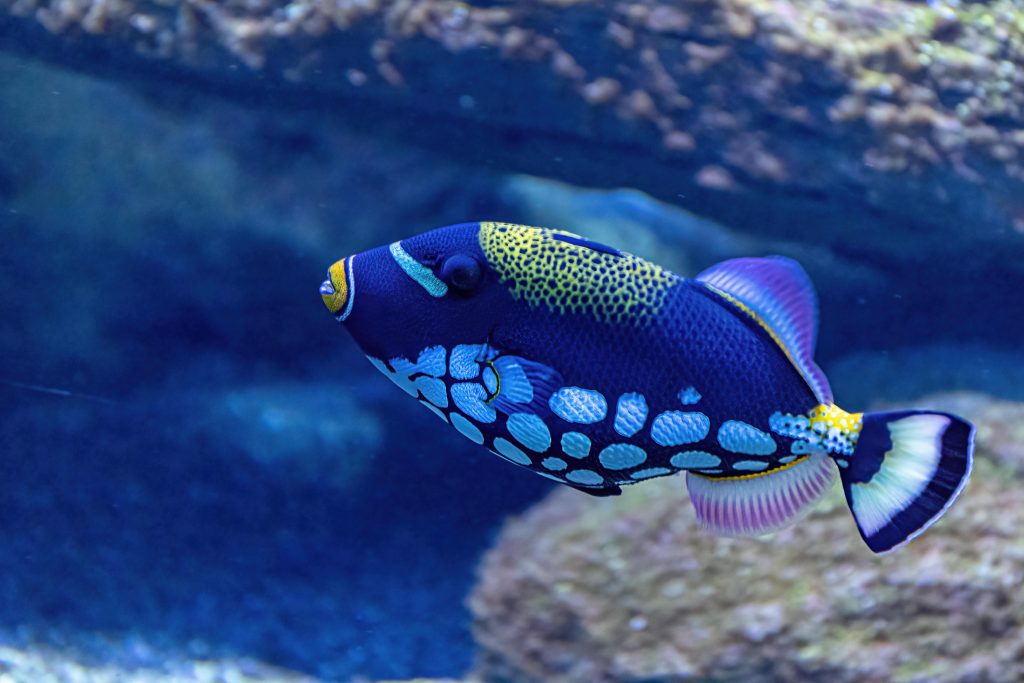
Clown Triggerfish (Balistoides Conspicillum)
Clown triggerfish are stunning but aggressive marine fish that need very large tanks, strong filtration, and careful tankmate…
[favorite_button]
My Bookmarks:
To see full list click here
[user_favorites user_id="" include_links="true" site_id="" post_types="" include_thumbnails="true" thumbnail_size="thumbnail" include_excerpt="false"]