

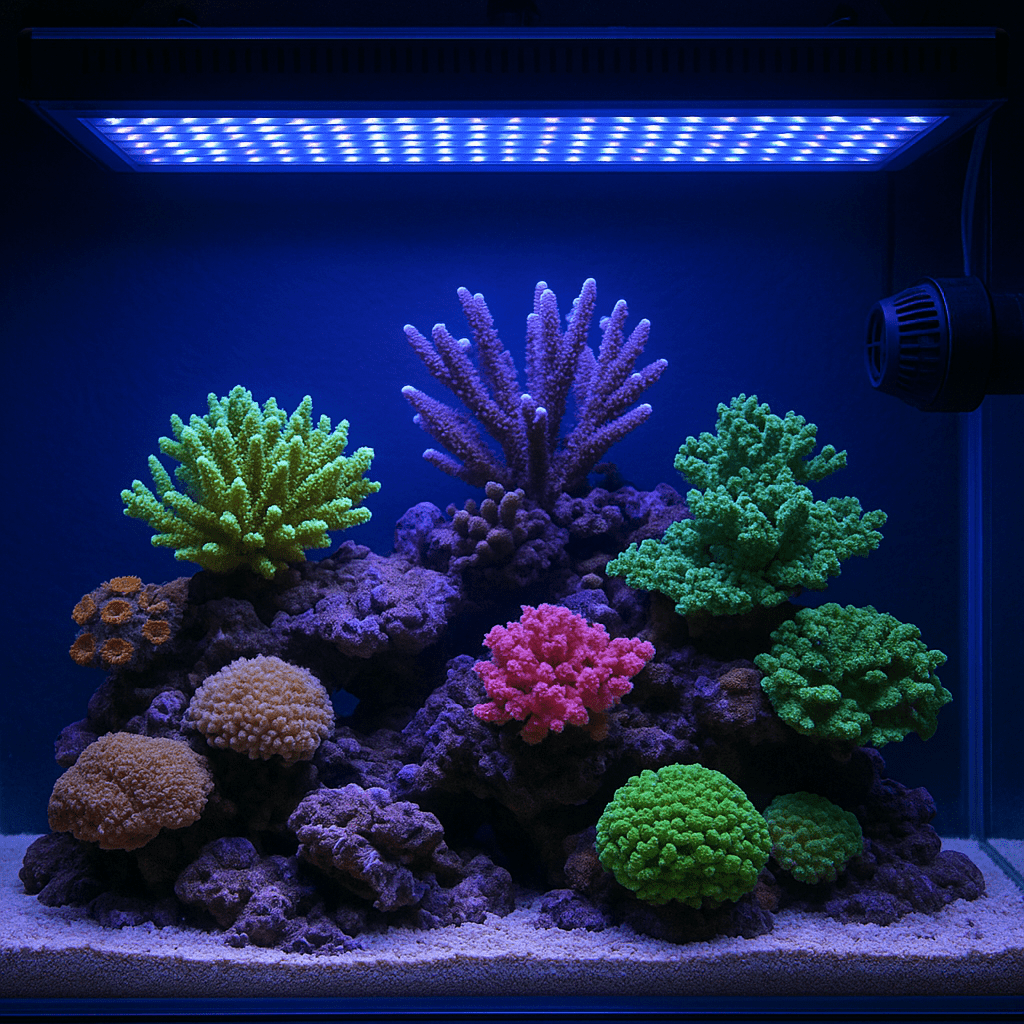
Alkalinity dosing keeps coral skeleton growth steady and helps prevent major chemistry swings. This guide explains how to measure demand, choose a dosing method, set a safe schedule, and troubleshoot common alkalinity problems in reef tanks.
Many reef keepers struggle with alkalinity at first. Corals, coralline algae, and other calcifying organisms use carbonate and bicarbonate every day. That constant consumption lowers alkalinity over time. If you do not replace it, coral growth slows and stability suffers. If you add too much too fast, you can stress corals and trigger precipitation. In this guide, you will learn what alkalinity does, how to test it, how to calculate your tank’s daily demand, and how to dose safely. You will also learn when to use two-part, kalkwasser, or a calcium reactor. The goal is simple. Keep alkalinity stable and your reef will usually look better, grow faster, and handle stress more easily.
Quick Reference Table
| Topic | Recommended Range or Tip |
|---|---|
| Target alkalinity | 7.5 to 9.0 dKH for most mixed reefs |
| Daily swing goal | Keep changes under 0.3 dKH per day |
| Testing frequency | Daily when setting dose, then 2 to 3 times weekly |
| Best dosing times | Spread across the day, or dose at night if pH runs low |
| Common supplements | Two-part alkalinity, kalkwasser, calcium reactor effluent |
| Danger sign | Rapid rise, white buildup, burnt SPS tips, cloudy water |
| Before adjusting | Confirm salinity, retest, and check magnesium and calcium |
Use this table as a starting point. Every reef is different. Heavy SPS systems often consume alkalinity quickly. Soft coral tanks often consume much less. The right dose always comes from testing and trend tracking.
What Alkalinity Does in a Reef Tank
Alkalinity measures the water’s buffering capacity. In reef tanks, it mostly reflects bicarbonate and carbonate availability. These compounds help corals build calcium carbonate skeletons. They also help resist sudden pH swings. That is why alkalinity is one of the most important reef parameters.
Think of alkalinity as both a building material source and a stability tool. When alkalinity drops, stony corals often lose growth momentum. Polyp extension may decline. Color can fade. New tips may look weak. When alkalinity rises too fast, sensitive SPS corals can react badly. Burnt tips, tissue recession, and pale growth margins are common warning signs.
Most successful reef keepers focus on stability first. A perfectly chosen number matters less than a stable number. A tank held at 7.8 dKH every day often performs better than a tank bouncing between 7 and 9 dKH each week. That principle should guide every dosing decision you make.
Best Alkalinity Range for Most Reef Aquariums
For most mixed reefs, 7.5 to 9.0 dKH is a safe target. Many hobbyists aim for 8.0 to 8.5 dKH. That range offers a good balance between growth and stability. It also leaves some room for minor test variation.
Ultra-low nutrient SPS systems often run closer to natural seawater levels. That usually means 7.0 to 8.0 dKH. Higher alkalinity in a very low nutrient tank can increase the risk of burnt tips. On the other hand, mixed reefs with moderate nutrients often do well around 8.3 to 8.8 dKH. There is no magic number for every tank.
Choose a target that fits your system. Then hold it there. Do not chase tiny daily changes. Test kit noise exists. Small shifts happen. Focus on trends. If your tank stays within a narrow band and corals look healthy, your target is probably working.
How to Test Alkalinity Accurately
Good dosing starts with good testing. Use a quality titration kit or a reliable digital checker. Follow the instructions exactly. Small mistakes can create false readings. That leads to bad dosing decisions.
Test at the same time each day when you are setting your dose. That matters because alkalinity can shift slightly over a 24-hour period. If you test in the morning one day and at night the next, your trend line may look worse than it really is. Consistency improves accuracy.
Rinse vials with tank water before use. Check reagent dates. Swirl as directed. Read the endpoint carefully. If a result looks strange, test again. It is smart to retest before making a large correction. Also confirm salinity. A drifting refractometer can make chemistry results harder to interpret. If your tank is consuming a lot of alkalinity, daily testing for one week gives you enough data to build a safe dosing plan.
Step-by-Step: How to Calculate Your Daily Alkalinity Dose
This is the most important part of alkalinity dosing. You need to know how much your tank uses each day. Guessing usually leads to swings.
- Choose your target alkalinity. Example: 8.3 dKH.
- Test alkalinity at the same time on day one.
- Do not dose alkalinity for 24 hours, unless the level is dangerously low.
- Test again at the same time on day two.
- Subtract the second result from the first. That is your daily consumption.
- Use your supplement’s instructions or a reef dosing calculator.
- Convert that daily consumption into milliliters for your true water volume.
- Start with that dose. Then test daily for several more days.
- Adjust slowly until the reading stays stable.
Example: your tank tests 8.4 dKH on Monday and 8.0 dKH on Tuesday. Your daily demand is 0.4 dKH. If your supplement label says 10 milliliters raises 25 gallons by 0.5 dKH, you can calculate the amount needed for your system volume. Always use estimated water volume, not display size alone. Rock, sand, and equipment reduce actual water volume. That detail improves dosing accuracy.
Choosing an Alkalinity Dosing Method
Most reef hobbyists use one of three methods. The best option depends on tank size, coral demand, budget, and how much automation you want.
Two-part dosing is the most common choice. It is simple and flexible. You dose alkalinity and calcium separately, usually with dosing pumps. This method works well for beginner and intermediate reefs. It is easy to adjust and easy to understand.
Kalkwasser adds alkalinity and calcium together through saturated limewater. It also helps raise pH. This method works best when evaporation is steady. It is cost-effective, but it has limits. High-demand tanks often outgrow kalkwasser alone.
Calcium reactors dissolve media with carbon dioxide. They supply alkalinity, calcium, and trace elements continuously. They work very well on larger SPS systems. They also require more tuning and equipment. Beginners can use them, but they have a steeper learning curve.
For most readers, two-part dosing is the easiest place to start. It offers control without too much complexity.
How to Dose Alkalinity Safely
Never make large corrections quickly unless livestock is at risk. Sudden changes stress corals more than slightly imperfect numbers. A common rule is to limit alkalinity adjustments to about 1 dKH per day. Many reef keepers stay even lower. Small corrections are safer.
Dose into a high-flow area. The sump is ideal. Avoid pouring concentrated solution directly onto corals or live rock. That can cause localized precipitation. It can also irritate tissue. If you use a dosing pump, split the total daily amount into many small doses. That keeps the level steadier. It also reduces pH spikes.
Night dosing can help if your tank runs low pH after lights out. Alkalinity supplements often raise pH slightly, depending on the formula. Still, stability matters more than timing alone. The best setup is the one that delivers the same amount consistently every day. Recheck your dose after adding new corals. Growth increases demand over time.
Aquarium Setup Factors That Affect Alkalinity Demand
Alkalinity demand is not random. It follows the biology of your tank. SPS corals use a lot. LPS corals usually use less, though large colonies can still consume plenty. Coralline algae can also become a major consumer. Clams increase demand too.
Lighting affects demand because stronger light often drives faster calcification. Flow matters as well. Good water movement improves coral health and growth. As growth increases, alkalinity use rises. Nutrient levels also play a role. Corals need balanced nitrate and phosphate to grow well. If nutrients bottom out, growth may stall and demand may fall.
This is why dosing needs regular review. A tank that needed 15 milliliters daily last month may need 25 milliliters now. New frags, better lighting, and maturing rock can all change consumption. Track trends in a notebook or app. That simple habit prevents many chemistry problems.
How Alkalinity Interacts With Calcium, Magnesium, and pH
Alkalinity does not exist alone. It works closely with calcium and magnesium. Corals need both alkalinity and calcium to build skeletons. If calcium is very low, coral growth may slow even if alkalinity looks perfect. If magnesium is too low, it becomes harder to keep alkalinity and calcium stable. Precipitation risk can increase.
pH is linked too. Higher pH can increase calcification and also increase precipitation risk. Low pH can make coral growth less efficient. That does not mean you should chase pH aggressively. It means you should understand the relationship. A reef with stable alkalinity, normal calcium, adequate magnesium, and decent gas exchange usually behaves better than a tank with one number forced too high.
When alkalinity becomes hard to maintain, test the full picture. Check calcium. Check magnesium. Check salinity. Review your dosing equipment. Problems often come from the system, not from alkalinity alone.
Common Problems
Why does alkalinity keep dropping?
The most common cause is simple underdosing. Your reef is using more than you replace. Growth may have increased. Coralline algae may be spreading. New stony corals may have raised demand. Test daily for several days and recalculate your dose.
Also check for dosing pump issues. Tubing can clog. Heads can slip. Containers can run dry. Finally, verify your actual water volume. Many tanks are overdosed or underdosed because the estimated volume is wrong.
Why did alkalinity spike suddenly?
A sudden spike usually comes from a dosing error. Common causes include duplicate dosing schedules, miscalculated concentration, pump failure, or manual additions on top of automation. Stop extra dosing. Retest. Confirm the result with a second test if possible.
Do not panic and swing the tank back down fast. Let normal consumption lower the level unless the value is dangerously high. Rapid correction can be just as stressful as the spike itself.
Why is there white buildup on heaters and pumps?
That white crust is usually calcium carbonate precipitation. It happens when alkalinity, calcium, or pH becomes too high in one area. Dosing concentrated solution into low flow can trigger it. So can overdosing kalkwasser or adding supplements too quickly.
Dose into stronger flow. Split the daily amount into smaller doses. Check magnesium too. Low magnesium can make precipitation easier. Clean equipment and review your dosing method before restarting.
Can high alkalinity burn SPS tips?
Yes, especially in low nutrient systems. Fast growth at the tips can outpace tissue health. The result can look like pale, irritated, or dead tip tissue. This often happens when alkalinity is pushed high while nitrate and phosphate stay very low.
Bring alkalinity back to a moderate range slowly. Avoid chasing ultra-high numbers. Make sure nutrients are not bottomed out. Stability and balance usually solve this issue better than aggressive correction.
Propagation and Fragging Considerations
Why alkalinity matters after fragging
Freshly cut corals heal best in stable water. Alkalinity swings after fragging can slow encrusting and stress tissue edges. This is especially true for SPS corals. If you plan a big fragging session, avoid major chemistry changes that week.
Supporting new growth
Once frags begin encrusting, demand often rises. This can happen gradually, then suddenly. Watch alkalinity more closely when many frags start taking off. It is a good sign, but it means your old dosing amount may no longer be enough.
Frequently Asked Questions
How often should I dose alkalinity?
Daily is best for most reef tanks. Multiple small doses are even better. They reduce swings and keep the level more stable.
Should I dose alkalinity and calcium at the same time?
It is better to separate them. Dose in different times or different high-flow areas. This lowers the chance of precipitation.
What is the easiest alkalinity method for beginners?
Two-part dosing is usually the easiest. It is simple to understand, easy to adjust, and works on many reef styles.
Can water changes replace alkalinity dosing?
Only in very low-demand tanks. Once coral growth increases, water changes alone usually cannot keep up with consumption.
What matters more, the exact dKH number or stability?
Stability matters more. A steady alkalinity level usually produces better coral health than a perfect number that swings often.
Final Tips for Long-Term Alkalinity Stability
Start simple. Test often. Make small changes. Those three habits solve most alkalinity problems. Keep your target realistic. Match it to your nutrient level and coral type. Recalculate demand as your reef grows. Replace dosing tubing before it fails. Label containers clearly. And always retest before making a major correction.
If you want to build stronger chemistry habits, read our guides on reef tank water parameters, calcium in reef tanks, reef tank pH guide, and how to use kalkwasser. These topics connect closely with alkalinity. Learning them together makes dosing much easier.
A stable alkalinity routine does more than protect a number on a test kit. It supports coral growth, color, and resilience. Once your dosing matches your tank’s real demand, reef keeping becomes far less stressful.
Was this helpful?
Related Posts
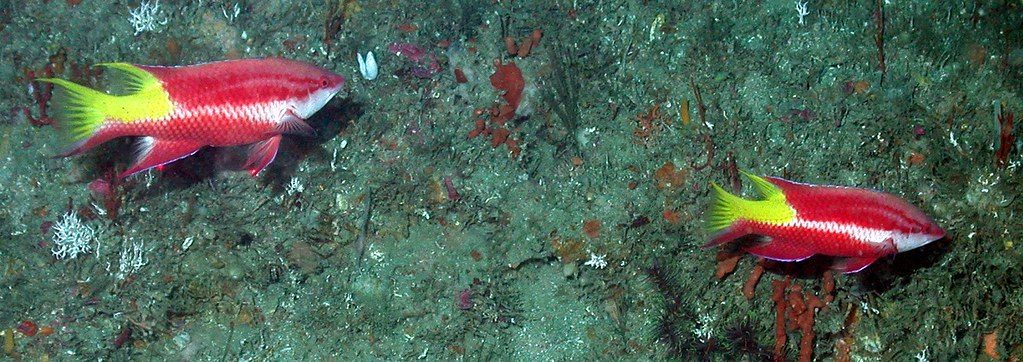
Cuban Hogfish (bodianus Pulchellus)
Cuban Hogfish care is straightforward in larger reef tanks. Learn tank size, diet, compatibility, and reef safety before…
 By
ByWhat to Do During a Power Outage
A reef tank power outage demands fast action. Protect oxygen, temperature, and circulation first to keep fish and…
 By
By[favorite_button]
My Bookmarks:
To see full list click here
[user_favorites user_id="" include_links="true" site_id="" post_types="" include_thumbnails="true" thumbnail_size="thumbnail" include_excerpt="false"]