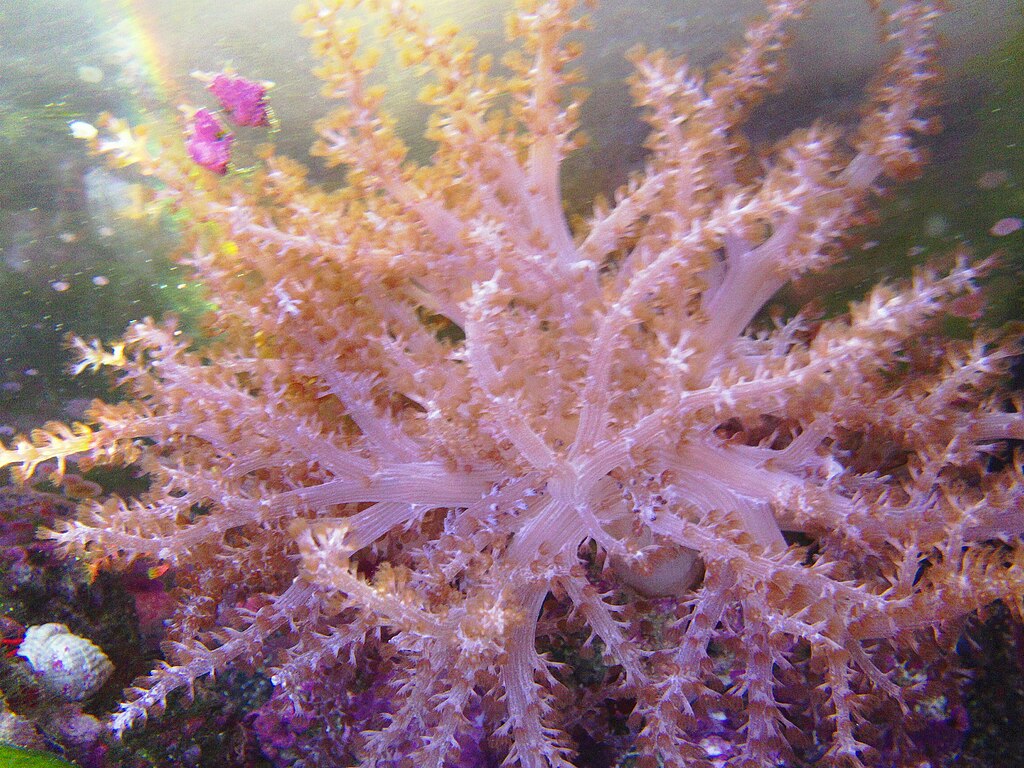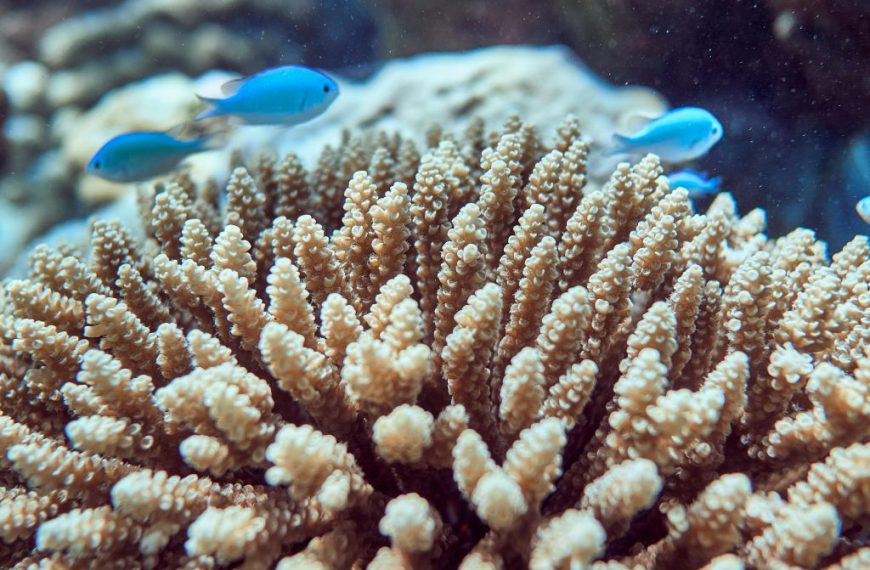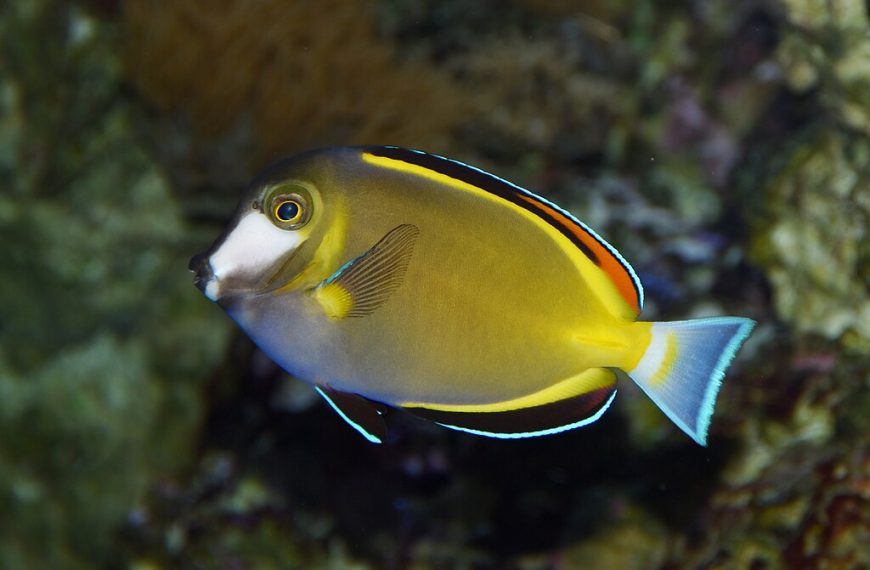
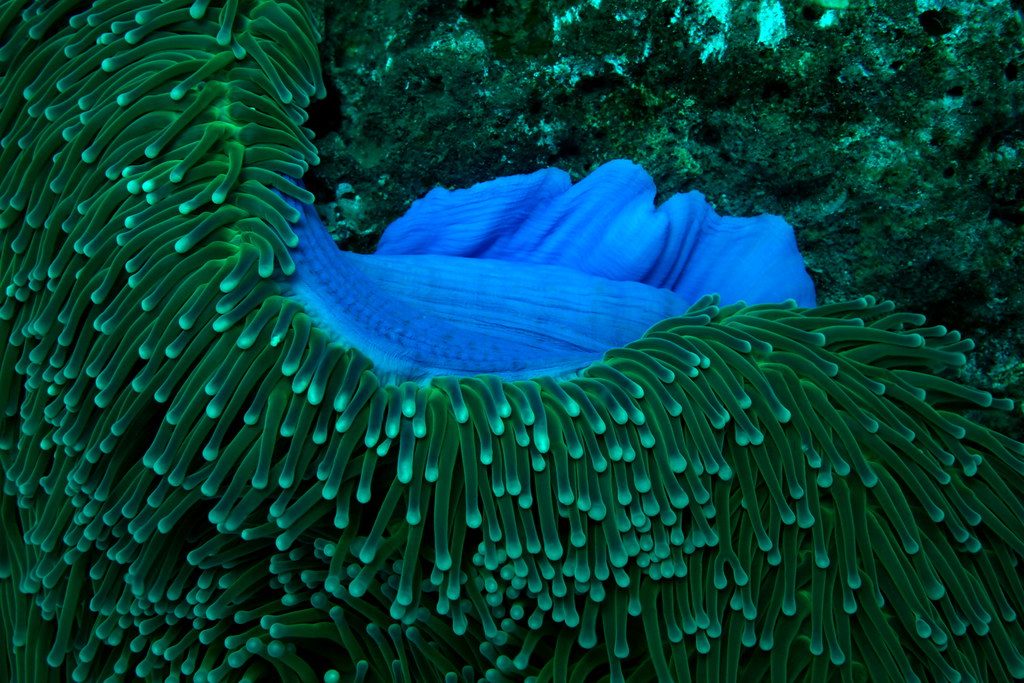
Anemones add movement and drama to reef tanks. They also demand stable systems and careful planning. This guide covers only the most common aquarium species and how to keep them well.
Before you buy: tank readiness and placement
Most anemone losses come from young tanks and unstable parameters. Wait at least 6 months before adding one. Aim for 9–12 months for the best results. Use a mature biofilter and consistent maintenance.
Keep parameters steady. Target salinity 1.025–1.026, temperature 25–26 C, and pH 8.1–8.4. Keep alkalinity 8–9 dKH and nitrate 2–15 ppm. Keep phosphate 0.03–0.10 ppm for color and growth.
Lighting and flow matter more than “special care.” Many common anemones need strong reef lighting. Provide moderate to strong, random flow. Avoid direct blasting that folds the oral disc. Cover powerheads with guards before introduction.
Plan for movement. Anemones can wander and sting neighbors. Give them an “island” rock with space around it. Place high-light species mid to high on rockwork. Use your reef lighting guide to match PAR and photoperiod.
- Quarantine is hard, but observation helps. Inspect the foot and mouth.
- Acclimate for 30–60 minutes. Match salinity within 0.001 if possible.
- Do not add to a tank with ongoing algae or cyano outbreaks.
- Run carbon after any major sting event or chemical warfare.
Most common species: care profiles and best matches
Bubble Tip Anemone (Entacmaea quadricolor) is the top beginner choice. It tolerates small swings better than most. It likes moderate to high light and moderate, variable flow. Many accept clownfish, especially ocellaris and percula, but hosting is never guaranteed.
Feed BTAs 1–2 times per week. Offer thawed mysis, krill, or chopped shrimp. Use pieces about the size of the anemone’s mouth. Overfeeding can cause regurgitation and water issues. Splitting is common when conditions are good.
Long Tentacle Anemone (Macrodactyla doreensis) is also common. It prefers a sand bed, usually 5–10 cm deep. It anchors its foot under rock at the sand edge. Provide moderate light and gentle to moderate flow. Watch for sand storms that irritate the disc.
Carpet Anemones are popular but risky. Stichodactyla haddoni is the common “Haddoni carpet.” It likes sand and strong light. It is very sticky and can eat fish. Stichodactyla gigantea is stunning but hard. It needs very high light, strong random flow, and pristine stability. Many fail in new systems.
Magnifica (Heteractis magnifica) is a classic clown host. It needs intense light and strong, turbulent flow. It often climbs to the highest rock. It is sensitive to shipping damage and bacterial issues. Only attempt it in large, stable tanks with excellent gas exchange.
Condylactis (Condylactis gigantea) is common in stores. It is not a natural clown host. It can still sting and trap fish. It can do well under moderate to strong light and flow. Buy it for its looks, not for clownfish behavior.
- Best first anemone: Bubble Tip Anemone in a 40–75 gallon reef.
- Best for sand bed displays: Long Tentacle or Haddoni carpet.
- Advanced only: Magnifica and Gigantea in large, high-light systems.
Feeding, troubleshooting, and common mistakes
Anemones get energy from light and from food. Under strong light, small weekly feedings are enough. Under moderate light, feed twice weekly. Turn off pumps for 10–15 minutes during feeding. This prevents food theft and stress.
Learn normal behavior. A tight mouth and sticky tentacles are good signs. Deflation for an hour can be normal. Repeated deflation, gaping, or a loose foot are warning signs. Check salinity first, then temperature swings, then alkalinity stability.
Wandering usually means the anemone dislikes light or flow. It can also mean it cannot attach. Give it a crevice or sand pocket, depending on species. Do not force it with glue or bands. Protect corals during the roaming phase with extra space.
Common mistakes include adding anemones to “clean” nutrient-zero tanks. Very low nitrate and phosphate can cause pale color and shrinkage. Another mistake is unguarded pumps. Use foam or mesh covers and clean them weekly. For more stability tips, see our parameter stability checklist and quarantine basics.
- If the mouth gapes: stop feeding and test salinity, alk, and ammonia.
- If it is not sticky: improve flow, check for low salinity, and avoid handling.
- If it keeps shrinking: raise nutrients slightly and confirm light intensity.
- If fish disappear: suspect carpets and add a feeding schedule or remove the anemone.
Anemones can thrive for years with stable water and smart placement. Start with a Bubble Tip if you want the highest success rate. Choose advanced species only when your system can support them. Sources: Fautin & Allen, 1992, Anemonefishes and Their Host Sea Anemones; Delbeek & Sprung, 1994–2005, The Reef Aquarium series; Borneman, 2001, Aquarium Corals.
Was this helpful?
Related Posts
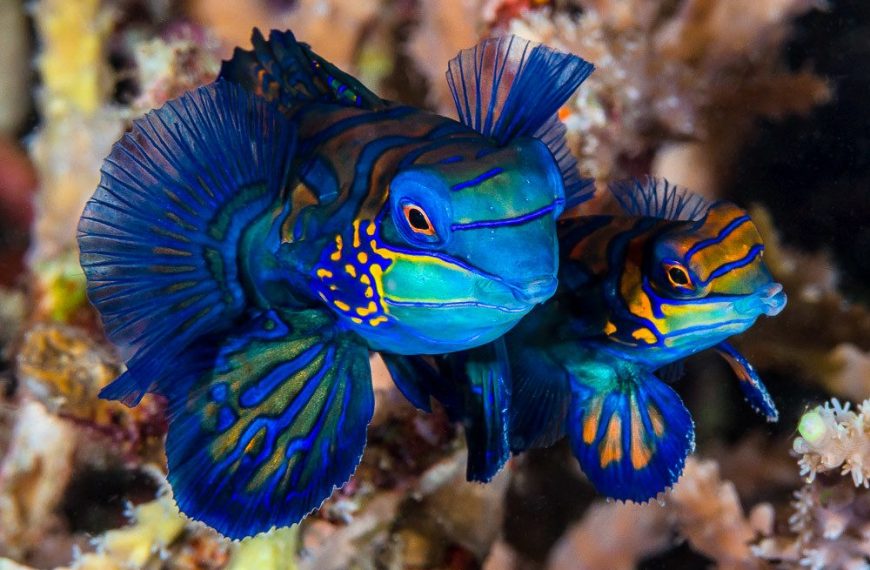
Dragonets Fish Care
Dragonets are beautiful reef fish, but they need mature tanks and steady food sources. Learn how to keep…
 By
By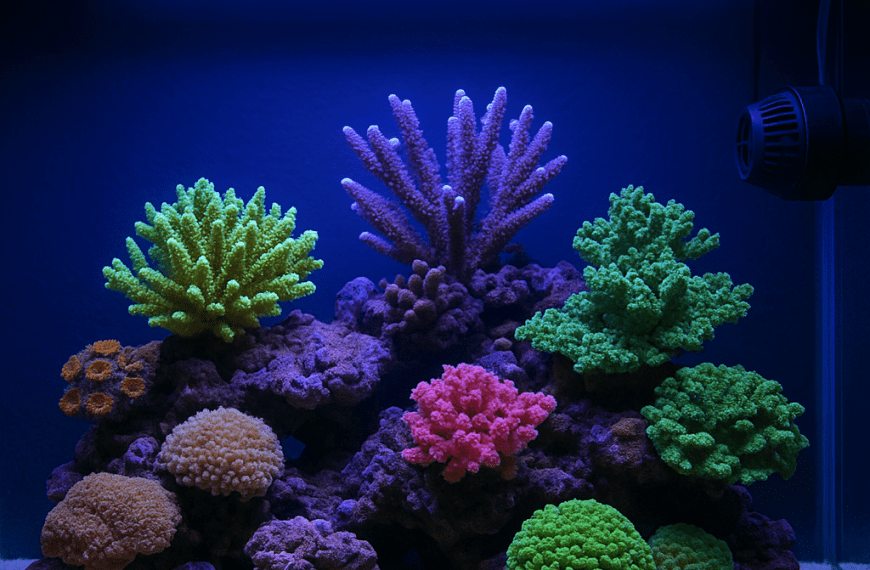
Lighting For Aquarium
Lighting for Aquarium: Getting Saltwater Illumination Right Lighting for a saltwater aquarium is about much more than simply…