Essential Aquarium Care Guide for a Healthy Saltwater Tank
Setting up a saltwater aquarium is exciting, but long-term success depends on consistent, thoughtful care. This aquarium care guide walks you through the core routines and best practices that keep your reef or fish-only system stable, beautiful, and thriving.
Daily and Weekly Maintenance Routines
Good aquarium care starts with simple, repeatable habits. These checks only take a few minutes but prevent most major problems.
Daily Checks
- Observe livestock: Watch fish behavior, breathing rate, appetite, and any signs of stress like clamped fins, hiding, or rapid gill movement.
- Check temperature: Aim for a stable 24–26°C (75–79°F). Sudden swings are more harmful than a slightly high or low reading.
- Top off evaporated water: Use only RO/DI or distilled water to maintain salinity. Mark your sump or display with a waterline to make this easy.
- Verify equipment: Confirm that return pumps, powerheads, skimmers, and lights are running as expected.
Weekly Tasks
- Test key parameters: Ammonia, nitrite, nitrate, pH, salinity, and temperature are the basics. In reef tanks, also test alkalinity, calcium, and magnesium.
- Clean glass and equipment: Use an algae magnet on the glass and gently brush salt creep from powerheads and overflow boxes.
- Perform a partial water change: A 10–15% change each week (or 20% every two weeks) helps export nutrients, replenish trace elements, and stabilize chemistry.
For help choosing livestock that matches your maintenance style, see our guide on beginner saltwater fish.
Water Quality, Filtration, and Feeding
Stable water quality is the foundation of all aquarium care. Small, consistent actions beat big, infrequent fixes.
Water Quality Best Practices
- Mix saltwater properly: Always premix saltwater in a separate container, aerate it for several hours, and match temperature and salinity to your display before adding.
- Control nutrients: Use a protein skimmer, filter socks, and live rock to help manage organic waste. Rinse or replace mechanical media every few days.
- Maintain stable salinity: Use a refractometer and aim for 1.024–1.026 specific gravity for most reef systems.
Smart Feeding Habits
- Feed small amounts: Offer only what fish can eat in 1–2 minutes, 1–2 times per day.
- Vary the diet: Mix frozen foods, quality pellets, and seaweed sheets for herbivores.
- Remove uneaten food: Siphon or net out excess food to avoid nutrient spikes.
Tip: Overfeeding is one of the fastest ways to fuel algae blooms and unstable water chemistry. When in doubt, feed a little less.
If you are still cycling your tank or planning a new setup, read our detailed saltwater aquarium cycling guide before adding fish or corals.
Long-Term Success and Troubleshooting
As your aquarium matures, your care routine should evolve with it. Corals may require targeted dosing, fish may outgrow the tank, and equipment will eventually need upgrades or replacement.
- Keep a log: Record test results, livestock additions, and any issues. Patterns in your log can reveal the causes of algae blooms or coral stress.
- Quarantine new arrivals: A separate quarantine tank helps prevent parasites and diseases from entering your display system.
- Plan for power outages: Battery-powered air pumps or backup power for circulation pumps can save your tank during emergencies.
For more gear-focused advice, check out our saltwater aquarium equipment checklist to be sure your system is properly supported.
With consistent maintenance, careful observation, and a willingness to adjust, your saltwater aquarium can thrive for years. Follow these core care principles, keep learning, and enjoy the daily reward of a healthy, vibrant marine ecosystem in your home.
Sources
- Sprung, J. & Delbeek, J. C. (1994–2005). The Reef Aquarium Vol. 1–3. Ricordea Publishing.
- Fenner, R. (2001). The Conscientious Marine Aquarist. TFH Publications.
- Paletta, M. (2007). Ultimate Marine Aquariums. Microcosm Ltd.
Was this helpful?
Related Posts
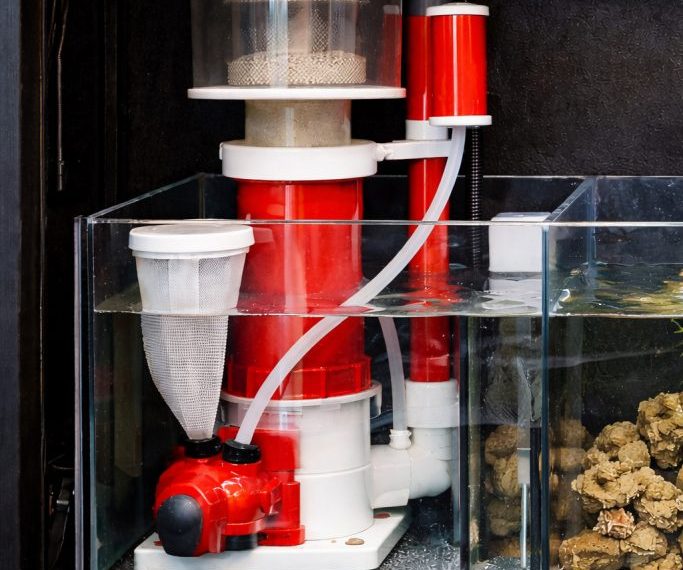
Protein Skimmer Reef Tank Guide
Learn how a protein skimmer works, how to size one, and how to tune it for a cleaner,…
 By
By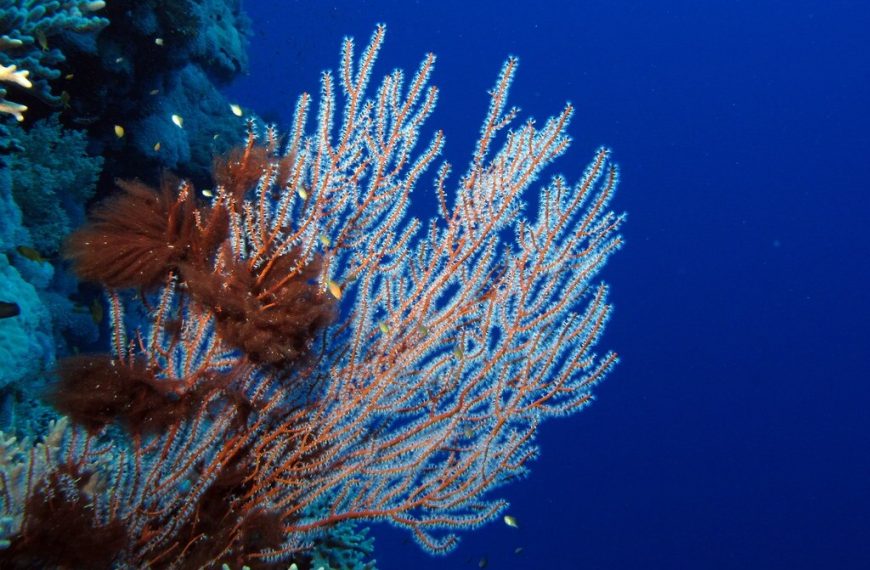
Reef Aquarium Water Parameters
Learn the ideal reef aquarium water parameters, safe ranges, and how to keep salinity, alkalinity, nutrients, and pH…