

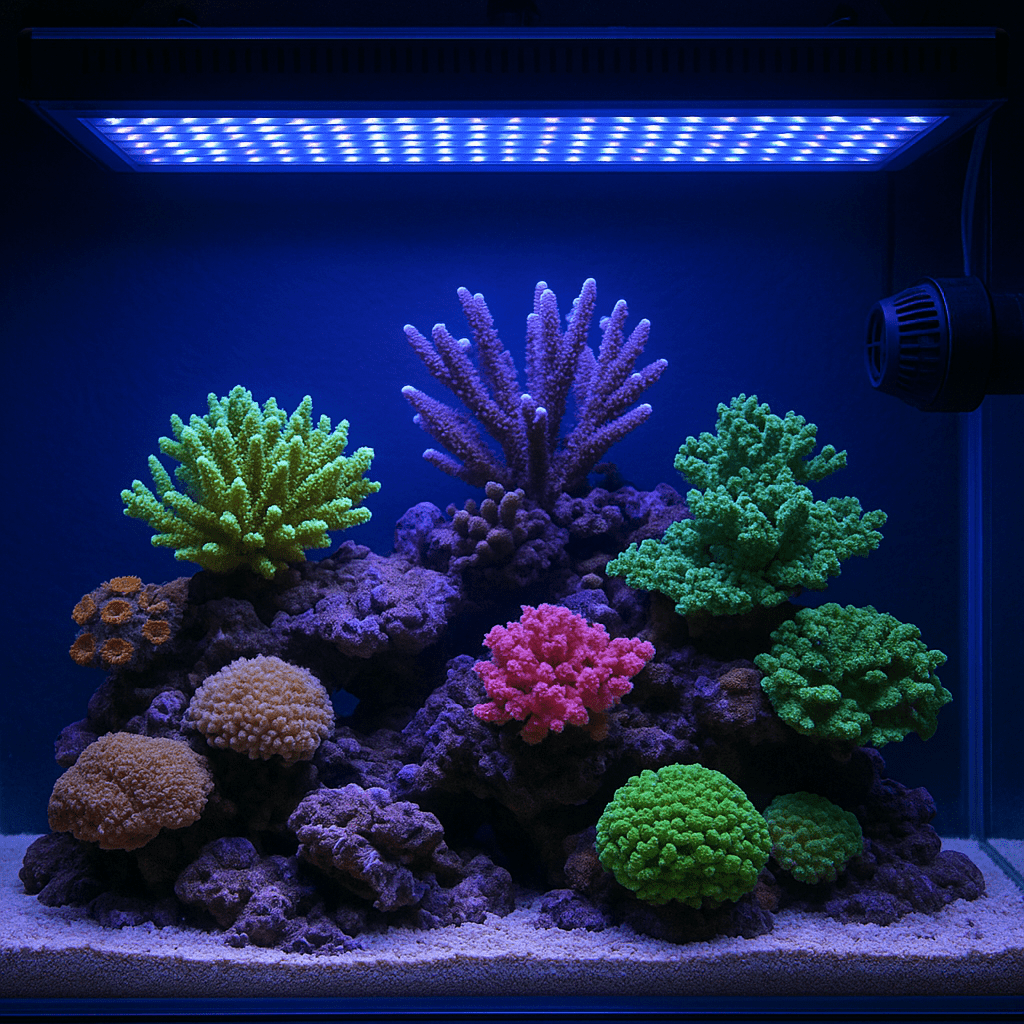
Essential reef tank equipment keeps your aquarium stable, safe, and easier to manage. Start with reliable basics first. Then add upgrades that match your livestock, budget, and long-term goals.
New reef keepers often ask the same question. What equipment do I actually need to run a successful reef tank? The answer depends on your tank size, your coral plans, and how much maintenance you want to do by hand. Some tools are mandatory. Others are helpful upgrades that improve stability and convenience. In this guide, you will learn what each major piece of reef tank equipment does, which items matter most, and how to avoid overspending on gear you do not need yet. I will also cover common mistakes, setup tips, and smart ways to build a dependable system from day one.
Quick Reference Table
| Equipment | Essential? | What It Does | Best For |
|---|---|---|---|
| Tank and stand | Yes | Holds the system safely | All reef tanks |
| Heater | Yes | Maintains stable temperature | All reef tanks |
| Return pump | Yes for sump systems | Moves water between sump and display | Sumped tanks |
| Powerheads | Yes | Creates internal flow | Fish-only and reef tanks |
| Lights | Yes for corals | Supports coral photosynthesis | Reef tanks |
| Protein skimmer | Usually | Removes organics before breakdown | Most medium and large reefs |
| RODI unit | Strongly recommended | Produces clean source water | All reef keepers |
| ATO system | Strongly recommended | Replaces evaporated water automatically | All reef tanks |
| Filter socks or roller | Optional but useful | Traps particles | Sump systems |
| Dosing pump | Optional | Adds supplements automatically | Growing coral tanks |
| Controller/monitor | Optional | Tracks and automates equipment | Advanced systems |
What Counts as Essential Reef Tank Equipment?
Essential gear supports life support, stability, and maintenance. That is the core idea. A reef tank needs stable temperature, good water movement, proper filtration, and suitable lighting for corals. Everything else builds on those basics. Beginners often buy too many gadgets early. That can waste money and add confusion. Start with dependable equipment that solves real needs.
Your livestock should guide your choices. A soft coral nano tank needs less equipment than an SPS-dominant reef. A fish-only setup can also run with simpler lighting. Still, every marine tank needs clean saltwater, strong circulation, and consistent salinity. Those are non-negotiable. Good equipment helps you hold those parameters steady.
Think in layers. First, buy the equipment that keeps animals alive. Next, add equipment that improves nutrient control. Finally, consider convenience upgrades like automation and monitoring. This approach keeps your reef budget focused. It also makes troubleshooting much easier later.
Tank, Stand, and Sump Basics
Your tank and stand are the foundation of the system. Choose the largest tank you can reasonably maintain. Larger tanks usually stay more stable. They dilute mistakes better. A 20-gallon reef can work well, but a 40-gallon breeder or larger is often easier for beginners.
The stand must support the full weight safely. Saltwater tanks are heavy. Always level the stand before filling. Uneven support can stress seams and glass. If you plan to use a sump, make sure the stand offers enough room underneath. A sump adds water volume and hides equipment. It also makes maintenance easier.
Not every reef tank needs a sump, but many hobbyists prefer one. It gives you a place for a skimmer, heater, probes, media, and an ATO sensor. It also keeps the display cleaner. If you run an all-in-one tank, the rear chambers serve a similar purpose. Keep access in mind. Tight spaces make routine work frustrating.
Heaters and Temperature Control
Temperature stability is critical in reef aquariums. Most reef tanks do well around 77 to 79 degrees Fahrenheit. The exact number matters less than consistency. Sudden swings stress fish and corals. A quality heater is essential. Cheap heaters fail more often. They can stick on or stop heating entirely.
Use a heater sized for your system volume. Many reef keepers prefer two smaller heaters instead of one large unit. That adds redundancy. If one fails, the other helps prevent a crash. Pair the heater with a separate temperature controller when possible. This adds another layer of protection.
Warm climates may also require a cooling plan. Strong lights and pumps add heat. A simple fan can reduce temperature through evaporation. Larger systems may need a chiller, but that is less common for beginners. Check temperature at different times of day. Many tanks run warmer in the evening.
Water Movement: Return Pumps and Powerheads
Reef tanks need strong, varied flow. Water movement delivers oxygen, removes waste, and brings food to corals. It also prevents dead spots where detritus collects. If you use a sump, the return pump moves water back to the display. It is important, but it does not replace internal flow pumps.
Powerheads create the circulation corals need. Soft corals usually like moderate, indirect flow. LPS corals often prefer gentle to moderate movement. SPS corals need stronger, more chaotic flow. Avoid blasting corals directly. Tissue can recede if flow is too harsh and constant.
Look for pumps that are reliable, quiet, and easy to clean. Adjustable DC pumps offer more control. They cost more, but many hobbyists like the flexibility. Place pumps so they create broad movement across the tank. Watch how food particles move. That often reveals weak areas better than your eyes alone.
Lighting for Coral Growth
Lighting is one of the most important reef tank equipment choices. Corals with symbiotic algae need the right spectrum and intensity to thrive. Fish-only systems do not need expensive reef lights. Coral tanks do. This is not the place to cut corners if you plan to keep photosynthetic corals.
LED fixtures are the most common modern choice. They are efficient, controllable, and widely available. T5 lighting still has strengths, especially for even spread. Some advanced hobbyists use hybrid systems. Beginners usually do best with proven reef LEDs that match tank dimensions and coral goals.
Do not chase high numbers without a plan. Too much light can bleach corals. Too little light can starve them over time. Start lower and increase slowly. Mounting height and spread matter as much as raw output. Research PAR needs for your coral types. If possible, use a PAR meter or borrow one locally.
Filtration Equipment You Actually Need
Reef filtration is more than one device. Live rock handles much of the biological work. It hosts bacteria that process waste. Mechanical filtration removes particles. Chemical media targets specific water issues. The best setup is simple, easy to maintain, and matched to your feeding level.
Filter socks are common in sump systems. They trap debris before it breaks down. They work well, but they need frequent cleaning. Roller mats automate that task, but cost more. Activated carbon helps polish water and remove toxins. GFO can reduce phosphate when needed. Use media based on test results, not guesswork.
A refugium is another helpful option. It grows macroalgae that consume nitrate and phosphate. It also supports pods. Refugiums are useful, but not mandatory. Many successful tanks run without one. Focus first on stable basics, feeding control, and regular maintenance. Fancy filtration cannot fix poor husbandry.
Do You Need a Protein Skimmer?
A protein skimmer is not mandatory for every reef tank, but it is very useful. It removes dissolved organics before they break down into nitrate and phosphate. It also improves gas exchange. Tanks with heavier feeding often benefit the most. Medium and large reefs usually run better with a skimmer.
Nano tanks can succeed without one if maintenance is consistent. Frequent water changes can cover the gap. Still, many all-in-one systems now include compact skimmer options. If you choose a skimmer, size it realistically. Oversized skimmers can perform poorly on lightly stocked tanks.
Expect a break-in period. New skimmers often behave inconsistently for several days. Water depth also matters. Follow the manufacturer’s recommendation. Clean the neck often for best performance. A dirty skimmer loses efficiency quickly. If your reef has chronic nutrient issues, a skimmer is often one of the best upgrades.
RODI Water, ATO Systems, and Salinity Stability
Source water matters more than many beginners realize. Tap water can contain nitrate, phosphate, silicate, copper, and other contaminants. Those compounds fuel algae and harm sensitive invertebrates. A good RODI unit removes most of them. It gives you a clean starting point for mixing saltwater and topping off evaporation.
An auto top off, or ATO, replaces evaporated freshwater automatically. This keeps salinity stable. In reef tanks, evaporation changes salinity fast, especially in smaller systems. Manual top off works, but consistency is hard. An ATO saves time and prevents daily swings. It is one of the most valuable convenience tools you can buy.
Use a reliable refractometer or digital salinity meter. Calibrate it regularly. Never top off with saltwater. Only freshwater evaporates. Stable salinity supports coral health, fish osmoregulation, and overall system balance. For many hobbyists, an RODI unit and ATO system prevent more problems than any fancy reactor ever will.
Testing, Dosing, and Monitoring Equipment
You cannot manage what you do not measure. Basic reef testing equipment includes kits for ammonia, nitrite, nitrate, phosphate, alkalinity, calcium, and magnesium. You also need a thermometer and salinity tool. During cycling, ammonia and nitrite matter most. In established reefs, alkalinity becomes one of the key numbers to watch.
Dosing equipment becomes important when coral growth increases demand. Soft coral tanks may need little supplementation. LPS and SPS systems often consume alkalinity and calcium steadily. Manual dosing works at first. Dosing pumps add consistency later. That helps prevent swings caused by missed doses.
Controllers and monitors are optional, but useful. They can track temperature, pH, leaks, and power status. Some also automate lights, pumps, and feed modes. These systems are not magic. They still need oversight. But they can reduce risk and improve convenience. If your budget is limited, buy better core equipment before buying a controller.
Step-by-Step: Building Your Equipment List
- Choose your tank size and location first. Confirm floor support and power access.
- Decide whether you want a sump, all-in-one tank, or hang-on equipment.
- Buy the core life support items. Tank, stand, heater, flow pumps, and source water tools come first.
- Select lighting based on coral goals. Soft corals need less intensity than SPS.
- Add filtration that fits your maintenance style. Simple systems often work best.
- Install safety tools. Use drip loops, GFCI outlets, and surge protection.
- Test everything with freshwater first. Check for leaks, noise, and heat issues.
- Cycle the tank fully before adding livestock. Patience saves money and lives.
- Add optional upgrades later. ATO units, skimmers, dosing pumps, and controllers can wait if needed.
This step-by-step approach prevents expensive mistakes. It also keeps your setup focused on actual needs instead of hype.
Common Problems
My tank temperature keeps swinging
The usual causes are undersized heaters, poor room climate control, or strong lighting heat. Use a quality controller. Consider two smaller heaters. Add a fan if daytime heat is the issue.
I have dead spots and detritus buildup
Your flow pattern likely needs adjustment. Reposition powerheads to create crossflow. Aim for broad movement, not narrow jets. Watch where particles settle after feeding.
My corals look pale under new lights
Light shock is common after upgrades. Reduce intensity and shorten the photoperiod. Then ramp up slowly over several weeks. Corals need time to adapt.
Salinity keeps drifting upward
Evaporation is removing freshwater. Add an ATO or top off manually every day with RODI water. Check your salinity tool for calibration errors too.
Nutrients stay high despite water changes
Check feeding levels, trapped detritus, and source water quality. Clean mechanical filters often. Test your RODI output. A skimmer or refugium may help if the tank is heavily stocked.
Frequently Asked Questions
What is the most important reef tank equipment?
Stable heating, strong water movement, clean source water, and proper lighting for corals are the most important pieces. Those basics support long-term success.
Can I run a reef tank without a sump?
Yes. Many successful reefs use all-in-one tanks or hang-on equipment. A sump adds flexibility, but it is not required.
Do beginner reef tanks need a protein skimmer?
Not always. Small tanks with light stocking can succeed without one. Skimmers become more useful as feeding and bioload increase.
Is an ATO really necessary?
It is not mandatory, but it is one of the best upgrades for stability. It keeps salinity steady and reduces daily maintenance.
Should I buy cheap equipment to start?
Buy simple gear if needed, but avoid unreliable equipment. Failures cost more than quality basics. Prioritize heaters, pumps, and lights.
Final Thoughts
The best essential reef tank equipment is not always the most expensive. It is the gear that keeps your tank stable and fits your goals. Start with strong fundamentals. Add upgrades only when they solve a real problem. That mindset builds healthier reefs and saves money over time.
If you want to keep learning, read these guides next: how to cycle a reef tank, reef tank water parameters, best beginner corals, and reef tank maintenance schedule.
Was this helpful?
Related Posts
Best Filtration Systems
Best Filtration Systems for a Healthy Saltwater Aquarium Choosing the best filtration system for your saltwater aquarium is…
 By
By
Clown Triggerfish (Balistoides Conspicillum)
Clown triggerfish are stunning but aggressive marine fish that need very large tanks, strong filtration, and careful tankmate…
[favorite_button]
My Bookmarks:
To see full list click here
[user_favorites user_id="" include_links="true" site_id="" post_types="" include_thumbnails="true" thumbnail_size="thumbnail" include_excerpt="false"]