

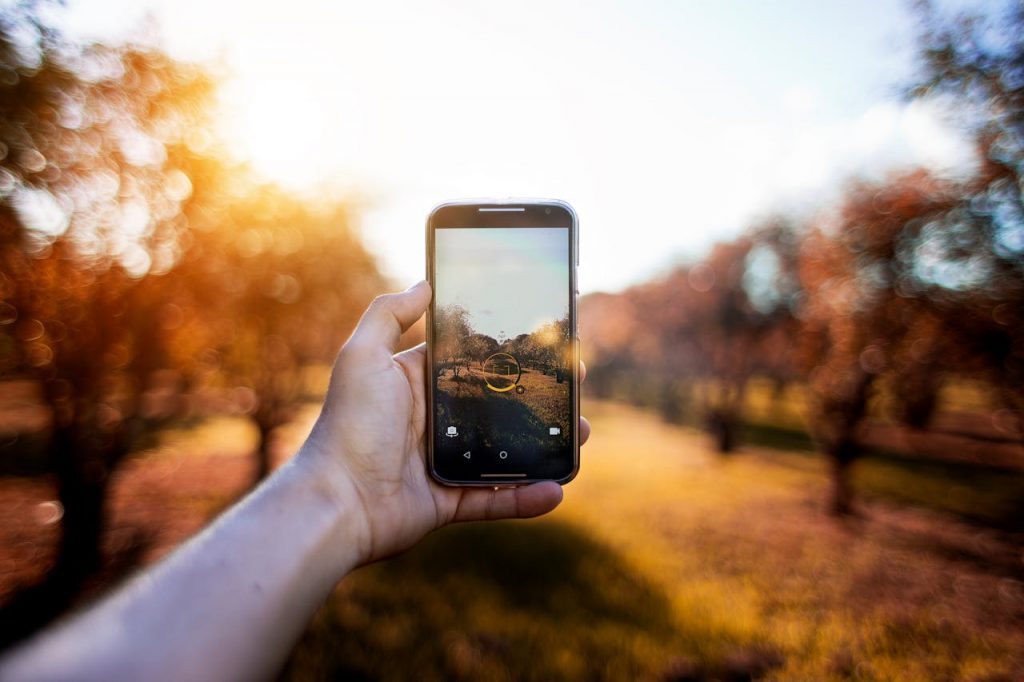
Aquarium glare and reflection control improves both viewing and coral health. The best fix is usually simple. Reduce room light hitting the glass. Adjust your fixture height and angle. Use a dark background. Keep the outside glass clean. Most glare problems come from light placement, room layout, and reflective surfaces around the tank.
Many reef keepers focus on PAR, flow, and filtration first. That makes sense. Yet glare can make a beautiful reef look washed out or hard to enjoy. Reflections can also hide fish behavior, coral polyp extension, and early problem signs. In some setups, stray light spills into the room and causes eye strain during evening viewing. In this guide, you will learn what causes aquarium glare, how to diagnose the source, and which practical fixes work best for reef tanks. We will also cover lighting angles, room design, tank backgrounds, and common mistakes that keep reflections coming back.
Quick Reference Table
| Issue | Likely Cause | Best Fix |
|---|---|---|
| Front glass reflection | Bright room behind viewer | Dim room lights and close blinds |
| Light spill into eyes | Fixture mounted too high | Lower fixture or add a light shade |
| Mirror effect at night | Room brighter than tank surroundings | Turn off nearby lamps |
| Side panel glare | Bare glass and open room angles | Add dark side film or panel |
| Washed out coral colors | Dirty outer glass or salt creep | Clean glass and fixture lenses |
| Persistent reflections | Multiple shiny surfaces nearby | Use matte decor and reposition tank lighting |
What Causes Aquarium Glare and Reflections?
Glare happens when light hits glass and bounces toward your eyes. Reflections happen when the glass acts like a weak mirror. Both issues become stronger when the room is bright or the tank light is poorly positioned. Reef tanks often use intense LED fixtures. These lights create shimmer and punch. They can also create harsh spill if mounted too high.
The front panel is the most common trouble spot. If a window sits behind you, the tank may reflect the whole room. White walls can make this worse. Glossy floors also increase bounce. Open-top aquariums add another variable. Light can escape upward and outward with little control. Rimless tanks look clean and modern, but they often show more spill than canopied systems.
Salt creep and fingerprints make glare seem worse. They scatter light across the glass. Dirty fixture lenses do the same thing. Before changing equipment, check the basics first. Many reflection problems improve with cleaning and a few room adjustments.
How to Diagnose the Source of the Problem
Start by viewing the tank at different times of day. Morning glare often comes from windows. Evening glare usually comes from lamps or ceiling lights. Stand in your normal viewing spot. Then move side to side. If the reflection changes fast, the source is likely room light. If the glare stays strong from many angles, the fixture placement may be the main issue.
Next, turn off nearby lights one by one. This simple test works well. Close blinds and curtains. Then compare the front panel again. If the reflection drops right away, your room is the bigger problem. If not, look at the fixture. Check mounting height. Check whether the LEDs are exposed without any shade or diffuser.
Also inspect the glass itself. Clean the outside thoroughly. Remove salt spray from the rim and light arms. Wipe down nearby cabinets. Sometimes a glossy white stand reflects enough light to affect viewing. Good diagnosis saves money. You may not need a new light at all.
Step-by-Step Guide to Reduce Glare
Step 1: Clean every viewing surface. Wipe the outer glass with a reef-safe cleaner. Remove salt creep from the rim. Clean the light lens or splash shield. Dust on LEDs can increase scatter.
Step 2: Control room light. Close blinds during bright hours. Turn off lamps behind your viewing position. Use dimmable room lights when possible. Warm, low room lighting usually reflects less.
Step 3: Adjust fixture height. Very high mounting creates more spill. Lowering the light often tightens the spread. Make small changes. Then recheck coral coverage and PAR.
Step 4: Change the fixture angle or add a shade. Some mounts let you tilt the light slightly. A simple visor or shade can block direct line-of-sight glare. This helps a lot on rimless tanks.
Step 5: Add a dark background. Black or dark blue backgrounds reduce visual bounce. They also make coral colors pop. Side panels can benefit too in very bright rooms.
Step 6: Reduce reflective decor. Matte paint and darker furniture help. Bright white walls and glossy cabinets often increase reflections around the tank.
Step 7: Reassess after dark. Night viewing often reveals the final weak points. Make one change at a time. That way you know what actually worked.
Lighting Setup and Mounting Tips
Lighting design affects glare more than many hobbyists expect. LED reef fixtures are powerful and directional. That is great for coral growth. It can be rough on viewing comfort. A fixture mounted too high spreads light beyond the tank. This creates room spill and stronger front glass glare.
Lower mounting often helps, but do it carefully. You still need even coverage. You also need safe PAR for corals. If you lower the fixture, recheck hotspots near the top rockwork. SPS corals can bleach if intensity becomes too concentrated. Diffusers can soften harsh output. They reduce sparkle slightly, but they often improve visual comfort.
Hybrid setups can be easier on the eyes. T5 and LED combinations spread light more evenly. Canopies and floating shades also work well. They hide the direct view of the diodes. If your tank sits in a living room, this upgrade can make a huge difference. For more lighting basics, see reef tank lighting guide and PAR for coral growth.
Room Layout, Backgrounds, and Aquascape Considerations
The room around the aquarium matters almost as much as the light itself. Large windows across from the tank are a common problem. So are bright ceiling cans and floor lamps. If you are planning a new setup, think about viewing angles before filling the tank. A wall with controlled light is usually best.
Background color helps more than many beginners realize. Black backgrounds reduce visual clutter. They hide cords and plumbing. They also cut rear light bounce. Frosted backgrounds can look modern, but they may not reduce reflections as well in bright rooms. Side backgrounds are useful for peninsula tanks or tanks near windows.
Aquascape can help too. Tall rock structures near the back create depth and shadow. This makes reflections less distracting. Avoid placing the brightest corals only at the front glass if glare is severe. Strongly lit front shelves can increase visual harshness. For aquascape ideas, read reef aquascaping tips and how to choose an aquarium background.
Compatibility With Reef Viewing and Livestock Needs
Glare control should never come at the cost of coral health. Reef tanks need enough light, gas exchange, and access for maintenance. Do not block ventilation with a poorly designed cover. Do not lower the fixture so much that heat builds up or spread becomes uneven. Every change should support both viewing and husbandry.
Fish behavior can also change under harsh spill. Some species become jumpy when room movement reflects strongly on the glass. Tangs, wrasses, and shy gobies may react to mirror-like panels. Cleaner viewing often means calmer observation. You will also spot pests, tissue recession, and algae sooner.
If you use shades or canopies, keep access easy. You still need to feed, frag, clean, and inspect equipment. Corals such as Acropora and clams are sensitive to sudden light changes. Make adjustments gradually. Use your controller to ramp intensity if needed. Stable conditions always matter more than chasing a perfect showroom look.
Common Problems
Why is my aquarium like a mirror at night?
This usually means the room around the tank is brighter than the viewing side. Turn off lamps near the glass. Dim overhead lights. Increase contrast by darkening the area behind you. A black background also helps. If the fixture is visible from the couch, add a shade or lower it slightly.
Why do I get glare even with expensive reef lights?
Price does not prevent glare. Mounting height, lens design, and room layout matter more. Premium LEDs can still spill light badly. Check the angle first. Then test a diffuser or visor. Clean the glass and lens before making bigger changes.
Can a lid or canopy reduce reflections?
Yes, often by a lot. A canopy blocks direct light escape. Mesh lids help less with glare, but they still improve jump safety. Solid covers can trap heat and reduce gas exchange. Use caution on reef systems. Good airflow is critical.
Do dark backgrounds make corals look better?
Usually yes. Dark backgrounds increase contrast. Fluorescent colors stand out more. They also hide plumbing and reduce visual distractions. Black is the most forgiving choice for mixed reefs.
Will lowering my light hurt coral growth?
It can if you do it too quickly. Lowering the fixture raises intensity in many setups. Make small changes. Measure PAR if possible. Watch coral response for a week or two before adjusting again.
Frequently Asked Questions
What is the fastest way to reduce aquarium glare?
Turn off room lights behind you. Close blinds. Clean the outer glass. These three steps solve many cases in minutes.
Are rimless tanks worse for glare?
Often yes. Rimless tanks have fewer barriers to block light spill. They look sleek, but they benefit from careful fixture mounting and shades.
Should I use black or blue background film?
Black usually reduces distractions best. Dark blue can look attractive, but black gives stronger contrast in most reef rooms.
Do diffusers reduce coral growth?
They can reduce PAR somewhat. Many tanks still perform well with them. Recheck intensity and coral placement after installation.
Can reflections stress fish?
Sometimes. Territorial fish may react to their reflection. Strong room reflections can also make shy fish feel exposed.
Final Thoughts
Aquarium glare and reflection control is part reef design and part room design. Start with the easy fixes first. Clean the glass. Reduce outside light. Adjust fixture height carefully. Add a dark background if needed. Most tanks improve without major expense. Better viewing helps you enjoy the reef more. It also helps you notice coral and fish issues earlier. That makes this small project worth doing.
Was this helpful?
Related Posts
Reef Alkalinity and Calcium Guide
Learn the ideal reef alkalinity and calcium ranges, how they interact, and how to test, dose, and troubleshoot…
 By
ByReef Tank Basics
Learn reef tank basics, from setup and cycling to lighting, flow, and water chemistry, so your first reef…
[favorite_button]
My Bookmarks:
To see full list click here
[user_favorites user_id="" include_links="true" site_id="" post_types="" include_thumbnails="true" thumbnail_size="thumbnail" include_excerpt="false"]