Beginner Fish For Aquariums: Saltwater Favorites That Actually Stay Alive
Starting a saltwater aquarium is exciting, but choosing the wrong fish can quickly turn that excitement into frustration. Some species are delicate, aggressive, or just too demanding for a new hobbyist. The good news: there are several hardy, colorful beginner fish that adapt well to new tanks and help you learn the ropes without constant stress.
Before you buy anything, make sure you’ve read our basic setup and cycling guides, such as How to Cycle a Saltwater Aquarium and our Saltwater Aquarium Setup Checklist. Stable water parameters are the real secret to keeping beginner fish healthy.
What Makes a Good Beginner Saltwater Fish?
Not every beautiful fish at the store is beginner-friendly. Look for species that are:
- Hardy: Tolerant of minor water swings while you’re still learning.
- Peaceful or semi-peaceful: Less likely to bully tank mates.
- Readily eating prepared foods: Will accept frozen and pellet foods.
- Appropriate size: Comfortable in common beginner tanks (20–55 gallons).
Always research the adult size, not just the size in the store, and match your stocking list to your tank volume and filtration capacity.
Top Beginner Saltwater Fish (Colorful & Hardy)
1. Ocellaris & Percula Clownfish
Clownfish (Amphiprion ocellaris and A. percula) are the classic beginner saltwater fish for a reason. Captive-bred varieties are hardy, adapt well to aquarium life, and come in many color morphs.
- Minimum tank: 20–30 gallons for a pair.
- Temperament: Generally peaceful, can be territorial around their chosen spot.
- Feeding: Accepts pellets, flakes, and frozen foods.
Tip: Buy a small pair raised together and ask the store to show they are eating prepared food before purchase.
2. Firefish Goby
The firefish (Nemateleotris magnifica) offers a splash of color and constant motion without adding much to the bioload. They are shy but peaceful and do well in smaller tanks.
- Minimum tank: 20 gallons.
- Temperament: Peaceful; may jump when startled.
- Feeding: Small pellets, frozen mysis, and brine shrimp.
Tip: Use a tight-fitting lid or mesh top; firefish are notorious jumpers, especially in new environments.
3. Royal Gramma Basslet
The royal gramma (Gramma loreto) is a striking purple-and-yellow fish that stays small and generally behaves well in community setups.
- Minimum tank: 30 gallons.
- Temperament: Peaceful to semi-aggressive; may defend a cave.
- Feeding: Meaty frozen foods and quality marine pellets.
Tip: Provide rockwork with caves; this helps reduce stress and territorial disputes.
4. Tailspot or Lawnmower Blenny
Blennies add personality and utility. The tailspot blenny (Ecsenius stigmatura) stays small and is quite peaceful, while the lawnmower blenny (Salarias fasciatus) helps graze algae in more established tanks.
- Minimum tank: 30 gallons.
- Temperament: Generally peaceful; may spar with similar-shaped fish.
- Feeding: Algae-based foods; lawnmowers should have established algae or supplemental nori.
Tip: Add algae-grazing blennies only after the tank has matured and you see consistent algae growth.
Stocking Tips for Your First Saltwater Aquarium
Even with hardy beginner fish, how you introduce them matters as much as which species you choose.
- Add fish slowly: One new fish (or pair) every 2–3 weeks so your biological filter can keep up.
- Quarantine when possible: A simple quarantine tank can prevent diseases like marine ich from entering your display.
- Test weekly: Track ammonia, nitrite, nitrate, salinity, and temperature, especially after adding new livestock.
- Plan your final stocking list: Use our Saltwater Fish Stocking Guide to avoid overcrowding and aggression issues.
Remember: a lightly stocked, stable tank with a few healthy fish is far more enjoyable than an overstocked tank full of stressed animals.
Choosing beginner-friendly fish like clownfish, firefish, royal grammas, and small blennies sets you up for success in the saltwater hobby. Combine hardy species with good husbandry, patience, and regular testing, and your first saltwater aquarium can thrive for years.
Sources
- Michael S. Paletta, The New Marine Aquarium, Microcosm Ltd.
- John H. Tullock, Natural Reef Aquariums, Microcosm Ltd.
- Scott W. Michael, Marine Fishes: 500+ Essential-To-Know Aquarium Species, Microcosm Ltd.
Was this helpful?
Related Posts
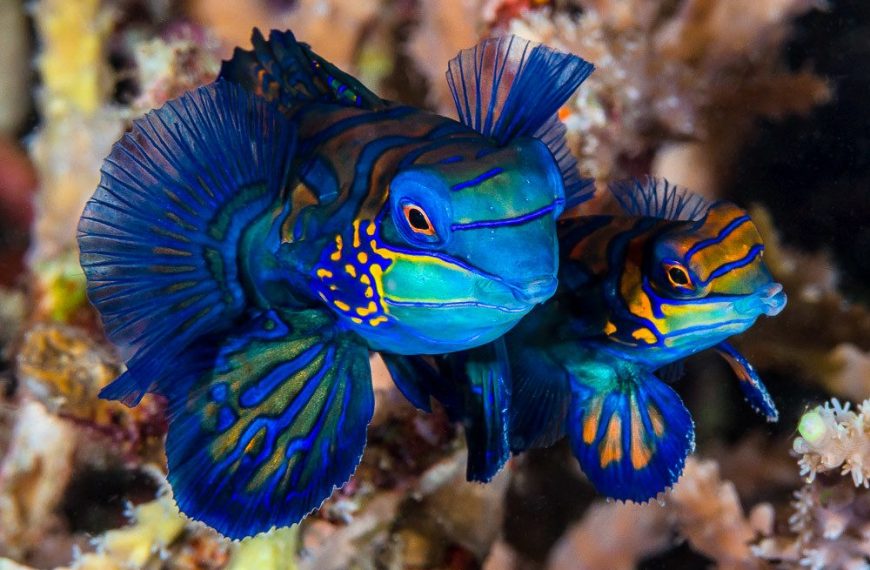
Dragonets Fish Care
Dragonets are beautiful reef fish, but they need mature tanks and steady food sources. Learn how to keep…
 By
By
Lighting For Aquarium
Lighting for Aquarium: Getting Saltwater Illumination Right Lighting for a saltwater aquarium is about much more than simply…