

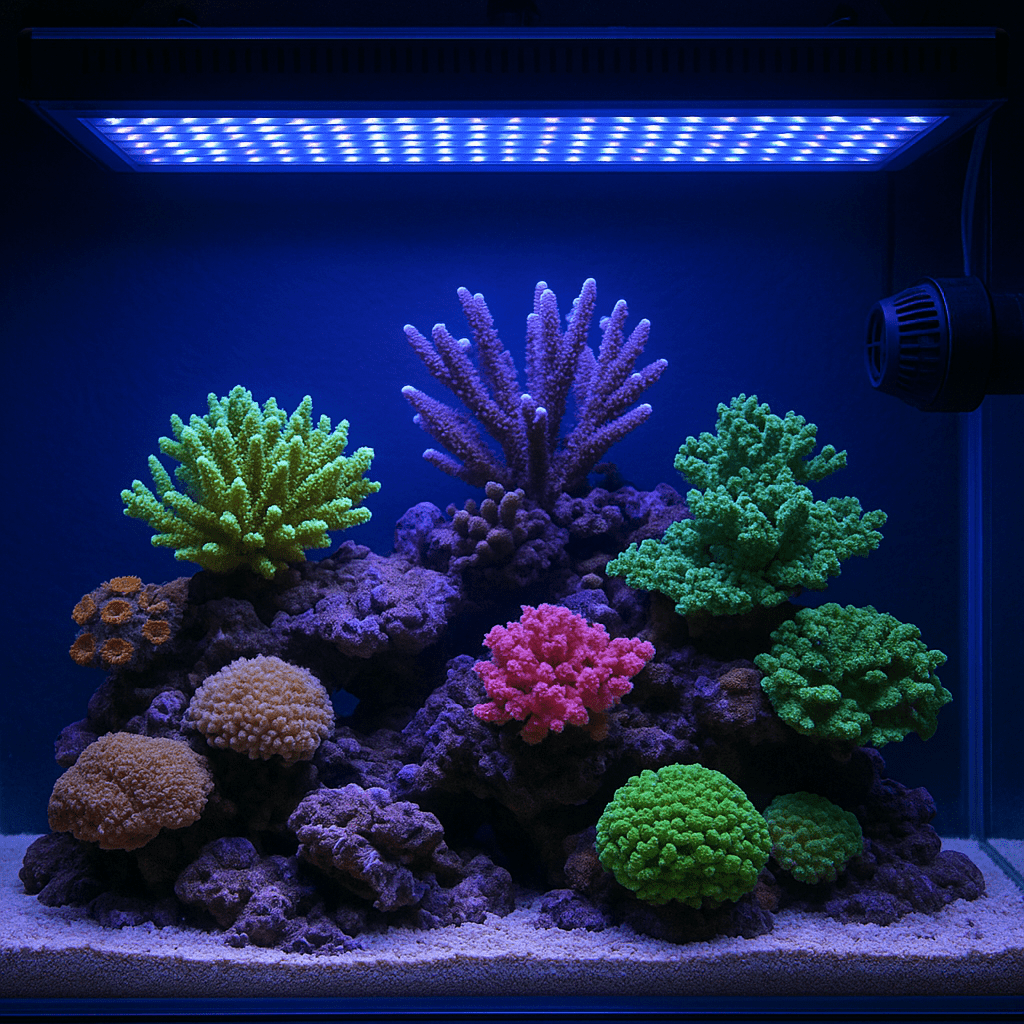
Beginner reef invertebrates add movement, color, and useful cleanup help. The best choices are hardy, peaceful, and forgiving of small mistakes. Start with species that handle stable reef tanks well. Avoid delicate stars, sea apples, and specialized feeders until you gain more experience.
Many new reef keepers focus on fish and corals first. Invertebrates often come later. That is a mistake. The right invertebrates make a reef feel alive. They graze algae, sift sand, scavenge leftovers, and create natural behavior in the tank. They also teach important lessons about salinity, acclimation, and compatibility. In this guide, you will learn which beginner reef invertebrates are easiest to keep, how to choose them, how to acclimate them safely, and how to avoid the most common losses.
Quick Reference Table
| Invertebrate | Difficulty | Reef Safe | Best Role | Key Watch-Out |
|---|---|---|---|---|
| Trochus snail | Easy | Yes | Glass and rock algae control | Needs stable salinity |
| Cerith snail | Easy | Yes | Sand and film algae cleanup | Can hide for long periods |
| Nassarius snail | Easy | Yes | Sand stirring and leftover food cleanup | Needs meaty foods present |
| Scarlet hermit crab | Easy | Usually | Detritus and algae picking | May fight for shells |
| Skunk cleaner shrimp | Easy | Yes | Scavenging and display interest | Sensitive to copper and fast acclimation |
| Peppermint shrimp | Easy | Usually | Scavenging and possible Aiptasia control | Can nip some corals if hungry |
| Pincushion urchin | Moderate | Usually | Heavy algae grazing | Can move frags and loose rock |
| Feather duster worm | Easy to moderate | Yes | Filter feeding and display value | Needs plankton-rich feeding |
Use this table as a starting point, not a stocking list. Every reef tank is different. Match the animal to your tank size, algae level, and fish choices. A small tank does not need a huge cleanup crew. Too many invertebrates often starve after the first month.
What Makes a Good Beginner Reef Invertebrate
The best beginner reef invertebrates share a few traits. They are hardy. They eat common foods. They tolerate normal reef conditions. They also do not require expert feeding or species-only care. That matters because invertebrates react badly to sudden changes. Salinity swings kill many of them quickly. Copper exposure is also deadly.
Look for species with a clear job. Snails control algae. Shrimp scavenge leftovers. Some worms filter the water. This makes them useful and easier to evaluate. If the tank has no algae, do not buy ten algae grazers. If the tank has no sand bed, sand sifters have less value. Good beginner choices also stay small and peaceful. That reduces risk in mixed reef tanks. Finally, buy healthy animals from clean systems. Avoid inactive shrimp, upside-down snails, and crabs missing legs.
Best Beginner Reef Invertebrates
Trochus snails are one of the best first choices. They eat film algae well. They also right themselves if they fall. That gives them an advantage over some other snails. Cerith snails are also excellent. They work on rock, glass, and sand. Nassarius snails are different. They do not eat algae much. They eat leftover meaty food and stir the sand bed.
Skunk cleaner shrimp are popular for good reason. They are active, visible, and reef safe. They often set up cleaning stations for fish. Peppermint shrimp can help with Aiptasia. Results vary by species and individual behavior. Scarlet hermit crabs are safer than many larger hermits. They stay smaller and usually cause less trouble. Feather duster worms are good for mature tanks with regular feeding. Pincushion urchins fit beginners with stable tanks and nuisance algae. They are not ideal for loose frags or delicate aquascapes.
Natural Habitat and Why It Matters
Most reef invertebrates come from shallow tropical marine habitats. These include reef flats, lagoons, rubble zones, and seagrass areas. In nature, salinity stays stable. Water is oxygen rich. Food arrives in different forms throughout the day. Algae grows across hard surfaces. Detritus settles in protected areas. Predators are always present.
This natural context explains their aquarium needs. Snails need surfaces to graze. Shrimp need hiding spots to molt safely. Filter feeders need suspended food. Sand dwellers need oxygenated substrate. Many invertebrates also avoid rapid change because the ocean changes slowly. That is why drip acclimation matters. It is also why top-off systems help. Stable salinity keeps molts normal and reduces stress. If you understand where an animal lives in nature, you can predict its behavior at home. That leads to better care and fewer losses.
Aquarium Setup for Beginner Invertebrates
A stable reef tank matters more than a large one. Many beginner invertebrates do well in nano reefs if conditions stay steady. A practical minimum is around 20 gallons. Larger tanks are easier to keep stable. They dilute mistakes better. Use quality live rock or dry rock with mature biofilm. This provides grazing surfaces and hiding spots.
A sand bed helps ceriths and nassarius snails. It also supports a more natural cleanup crew. Keep rockwork secure. Urchins and crabs can move loose pieces. Cover pump intakes if needed. Small invertebrates can get trapped. Maintain temperature around 76 to 78 degrees Fahrenheit. Keep salinity near 1.025 specific gravity. Aim for ammonia and nitrite at zero. Nitrate and phosphate should be present but controlled. Avoid using any medication with copper in the display. If you want more setup guidance, see reef tank setup and reef tank parameters.
Lighting Requirements
Most beginner reef invertebrates do not need special lighting. Snails, hermits, and shrimp care more about water quality than PAR. They can live under soft coral lighting or stronger mixed reef lighting. What matters is the effect of light on the tank. More light often means more algae. That can support grazers, but it can also create imbalance if nutrients rise too fast.
Feather duster worms are also not light dependent. They rely on suspended food, not photosynthesis. Urchins tolerate a wide range of lighting if algae is available. Keep the photoperiod consistent. Sudden changes can alter algae growth and food availability. If your tank is very new and very clean, algae grazers may run out of food. In that case, reduce the cleanup crew size or supplement with algae sheets. Lighting supports the system more than the invertebrate directly. That distinction helps beginners avoid poor stocking decisions.
Water Flow
Moderate, varied flow works for most beginner invertebrates. Snails and hermits handle broad flow ranges. Cleaner shrimp enjoy areas with cover and nearby current. Feather dusters prefer enough flow to deliver food, but not enough to collapse their crowns constantly. Strong direct jets can stress delicate filter feeders.
Use indirect, random movement when possible. This keeps oxygen high and waste suspended. It also helps prevent dead spots in the sand bed. Nassarius snails benefit from clean substrate with light movement above it. Urchins can handle stronger flow if they have stable footing. Watch behavior for clues. If a shrimp hides all day in a high-flow corner, the current may be too intense. If detritus piles up around snails, flow may be too weak. Good water movement supports the whole reef. It is not just about coral health.
Feeding Beginner Reef Invertebrates
Many beginners overestimate how much cleanup crews can eat. Snails do not create food from nothing. They need algae, film, or detritus already present. In a new or ultra-clean tank, they may starve slowly. Trochus and cerith snails often find enough natural food in established systems. Nassarius snails need meaty leftovers or target feeding from time to time.
Cleaner shrimp and peppermint shrimp are easy feeders. Offer small bits of mysis, brine, pellet, or reef blend foods. Feed lightly. Overfeeding causes nutrient problems. Feather duster worms need fine suspended foods. Use phytoplankton or small filter-feeder blends in moderation. Urchins may need dried algae sheets if nuisance algae declines. Watch body condition and activity. A healthy shrimp molts regularly. Active snails graze often. If you want stronger feeding routines, visit reef clean up crew and reef tank feeding guide.
Compatibility With Fish, Corals, and Other Invertebrates
Most beginner reef invertebrates are peaceful. The bigger issue is what may eat them. Many wrasses hunt snails, shrimp, and worms. Hawkfish often attack shrimp. Puffers and triggers are poor choices in reef tanks with invertebrates. Some dottybacks and larger crabs can also be risky. Always research fish before adding cleanup crew animals.
With corals, the safest choices are trochus, cerith, nassarius, and cleaner shrimp. Peppermint shrimp can sometimes irritate fleshy corals if underfed. Hermit crabs may climb over corals and knock frags loose. Urchins are usually reef safe, but they bulldoze unsecured pieces. Keep extra shells for hermits to reduce snail attacks. Avoid mixing too many crab species in small tanks. Peaceful stocking works best. For broader planning, read reef fish compatibility.
Step-by-Step Guide to Adding Invertebrates
First, wait until the tank is cycled and stable. Do not add invertebrates during ammonia or nitrite spikes. Second, match the animal to the tank’s actual needs. Buy a few snails first, not dozens. Third, inspect each animal at the store. Choose active shrimp and responsive snails.
Fourth, acclimate slowly. Drip acclimation for 45 to 90 minutes is usually wise. Keep temperature stable during the process. Fifth, place the animal gently into the tank. Set snails upright on hard surfaces. Release shrimp near rock cover. Sixth, keep lights lower for the first few hours if possible. Seventh, monitor behavior over the next week. Check for predation, failed molts, and lack of food. Finally, add more only after you see what the tank can support. Slow stocking prevents starvation and conflict.
Propagation and Breeding
Snails
Some snails reproduce in reef tanks, especially trochus and cerith species. You may notice tiny white egg spirals or clouds of gametes. Successful survival depends on species and filtration. Many larvae do not make it in mixed reef systems. Still, occasional recruitment does happen in mature tanks.
Shrimp
Cleaner shrimp often carry eggs. The larvae usually hatch at night. Raising them is possible but not simple. It requires separate rearing systems and tiny live foods. Most beginners should view breeding as a bonus, not a goal.
Hermit Crabs and Others
Hermits may mate in aquariums, but raising larvae is difficult. Feather dusters can sometimes reproduce by spawning or tube growth, depending on species. In general, beginner reef invertebrates are bought for function and display, not home propagation.
Common Problems
Why are my snails dying?
The most common causes are salinity swings, starvation, and poor acclimation. Copper contamination is another major cause. Check specific gravity with a calibrated refractometer. Review how much algae is actually available. Add fewer snails next time.
Why did my shrimp die after molting?
Molting problems often point to stress or unstable water chemistry. Sudden salinity changes are common triggers. Low iodine is often blamed, but instability is usually the bigger issue. Provide hiding spots and avoid aggressive tankmates.
Why are hermit crabs killing snails?
They may want shells, food, or territory. Offer empty shells in several sizes. Feed the tank appropriately. Reduce crab numbers if attacks continue. Scarlet hermits are usually safer than larger blue-leg populations in small tanks.
Why is my feather duster dropping its crown?
This can happen from stress, handling, starvation, or poor water quality. The worm may regrow the crown if conditions improve. Keep flow moderate and feed fine planktonic foods sparingly but consistently.
Why is my urchin moving frags?
That is normal behavior. Urchins often carry loose items. Secure corals well with glue or epoxy. Keep rockwork stable. If the tank has many small frags, an urchin may not be the best fit.
Frequently Asked Questions
How many cleanup crew invertebrates should a beginner add?
Start small. Add a few snails and observe. Most tanks need less than stores recommend. Increase only if algae and detritus remain high.
Are cleaner shrimp good for nano reefs?
Yes, if the tank is stable. They fit many nano reefs well. Avoid aggressive fish and maintain steady salinity.
Can beginner reef invertebrates live in a new tank?
Wait until the cycle is complete. Then add only a few hardy species. Very new tanks often lack enough natural food.
Are hermit crabs necessary in a reef tank?
No. Snails can handle most cleanup roles. Hermits add personality, but they are optional and sometimes disruptive.
What beginner invertebrates should I avoid?
Avoid delicate sea stars, sea apples, non-photosynthetic specialists, and large predatory crabs. They need more experience or carry more risk.
Beginner reef invertebrates work best in stable, mature systems with realistic stocking. Choose species with a clear purpose. Acclimate them slowly. Feed based on actual need. If you do that, your reef will look more natural and run more smoothly from the start.
Was this helpful?
Related Posts
Best Filtration Systems
Best Filtration Systems for a Healthy Saltwater Aquarium Choosing the best filtration system for your saltwater aquarium is…
 By
By
Clown Triggerfish (Balistoides Conspicillum)
Clown triggerfish are stunning but aggressive marine fish that need very large tanks, strong filtration, and careful tankmate…
[favorite_button]
My Bookmarks:
To see full list click here
[user_favorites user_id="" include_links="true" site_id="" post_types="" include_thumbnails="true" thumbnail_size="thumbnail" include_excerpt="false"]