Best LED Lights for Reef Tanks
Choosing the best LED lights for reef tanks is one of the most important decisions you’ll make as a saltwater hobbyist. The right light will keep your corals growing, colors popping, and algae under control. The wrong light can stunt growth, wash out colors, and waste a lot of money and time.
In this guide, we’ll break down what actually matters when shopping for reef LEDs, how to match a light to your tank, and a few practical tips to get the most out of whatever fixture you choose.
What Makes an LED “Good” for Reef Tanks?
Not all aquarium LEDs are created equal. Reef tanks, especially SPS-dominated systems, demand strong, stable lighting with the right spectrum and spread. When comparing options, focus less on brand hype and more on these core features:
- PAR and spread: You want enough PAR (Photosynthetically Active Radiation) at the sandbed and rockwork without hot spots. Look for fixtures that can evenly cover your tank’s full footprint.
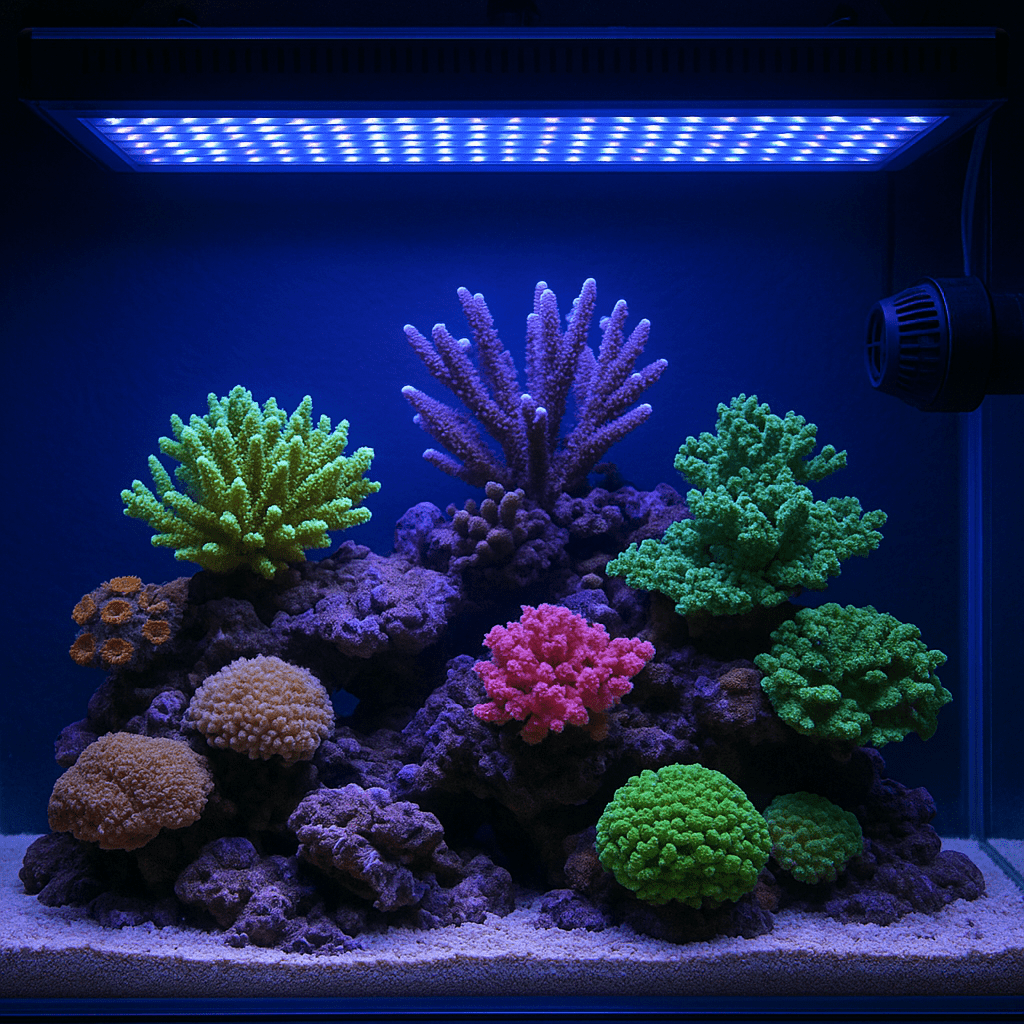
- Reef-friendly spectrum: A strong blue-heavy spectrum (around 14K–20K look) supports coral photosynthesis and brings out fluorescence. Adjustable color channels are a big plus.
- Controllability: Built-in timers, dimming, and sunrise/sunset schedules help reduce coral stress and make your tank look more natural.
- Build quality and cooling: Good heat management and quality diodes mean more stable output and a longer lifespan.
- Mounting options: Check whether the light includes tank mounts, hanging kits, or rails that fit your specific setup.
Matching LED Lights to Your Reef Style
The “best” LED is the one that fits your goals, tank size, and livestock. A soft coral and LPS tank has different needs than an SPS-dominated system.
- Soft coral & LPS tanks: Moderate PAR with wide spread is ideal. Many mid-range LED bars and pucks can handle these corals easily.
- Mixed reefs: Look for flexible spectrum control and enough power to place SPS higher and LPS/softies lower.
- SPS-dominant reefs: You’ll want higher PAR, often from multiple fixtures or a hybrid setup (LEDs plus T5/LED bars) to avoid shadowing.
Before choosing a light, measure your tank’s length, width, and depth and compare them with the manufacturer’s recommended coverage area.
Practical Tips for Getting the Most From Your Reef LEDs
Even the best LED lights for reef tanks can cause problems if you run them incorrectly. A careful setup will protect your corals and reduce headaches.
- Acclimate your corals: When upgrading to stronger LEDs, start at 30–50% intensity and slowly increase over 2–4 weeks.
- Prioritize blue channels: Many reefers run whites lower than blues. This keeps PAR high but reduces harsh, yellow light and nuisance algae.
- Stabilize your photoperiod: A consistent 8–10 hour main photoperiod with ramp-up and ramp-down helps corals adapt and grow.
- Watch for shadowing: If you see pale spots or dead areas on branching SPS, you may need to adjust mounting height or add supplemental bars.
- Keep lenses and splash guards clean: Salt creep and dust can significantly reduce PAR over time.
Tip: Use a PAR meter (or rent/borrow one from a local club) to dial in intensity. Numbers don’t have to be perfect, but they’ll help you avoid blasting or starving your corals.
Lighting doesn’t work in isolation. Strong LEDs pair best with stable nutrients, good flow, and a thoughtful stocking plan. If you’re still planning your system, consider reading our guides on reef tank setup and saltwater aquarium maintenance so your lighting choice fits into an overall strategy. For coral-focused systems, our beginner reef corals article can help you pick species that match your lighting and experience level.
Conclusion
The best LED lights for reef tanks combine strong, even PAR, a blue-heavy spectrum, and reliable control in a package that fits your tank size and coral goals. Take time to match the fixture to your aquascape and livestock, acclimate your corals slowly, and keep your schedule consistent. Do that, and your reef will reward you with growth and color that truly make the investment worthwhile.
Sources
- Dana Riddle, “Lighting the Reef Aquarium” series, Advanced Aquarist
- Bulk Reef Supply Investigates: LED vs T5 vs Metal Halide testing and PAR mapping
- WWC & BRS Hybrid Method educational videos on reef lighting and coral placement
Was this helpful?
Related Posts
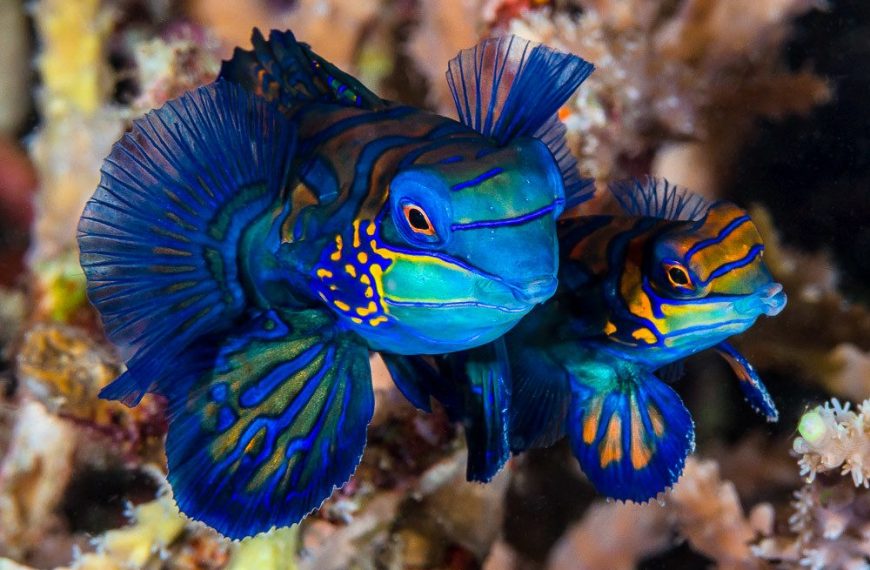
Dragonets Fish Care
Dragonets are beautiful reef fish, but they need mature tanks and steady food sources. Learn how to keep…
 By
By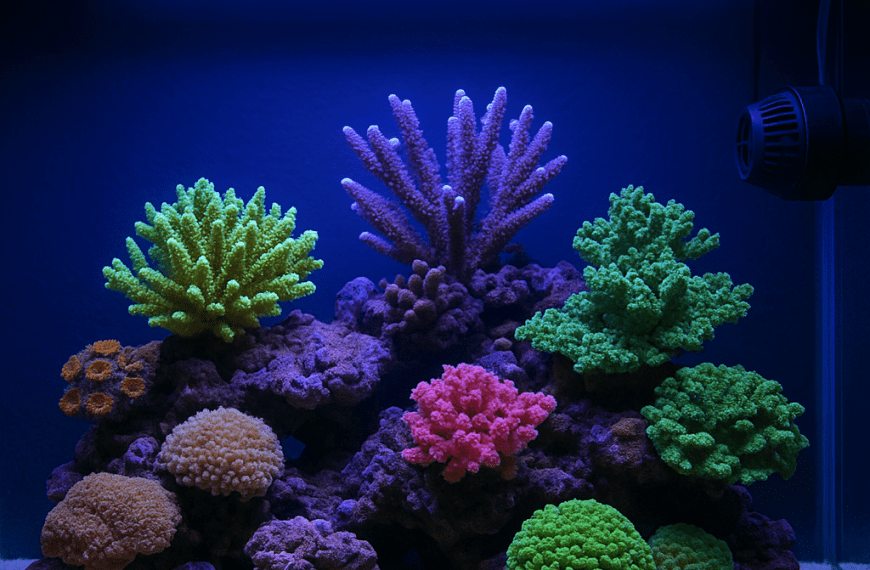
Lighting For Aquarium
Lighting for Aquarium: Getting Saltwater Illumination Right Lighting for a saltwater aquarium is about much more than simply…