
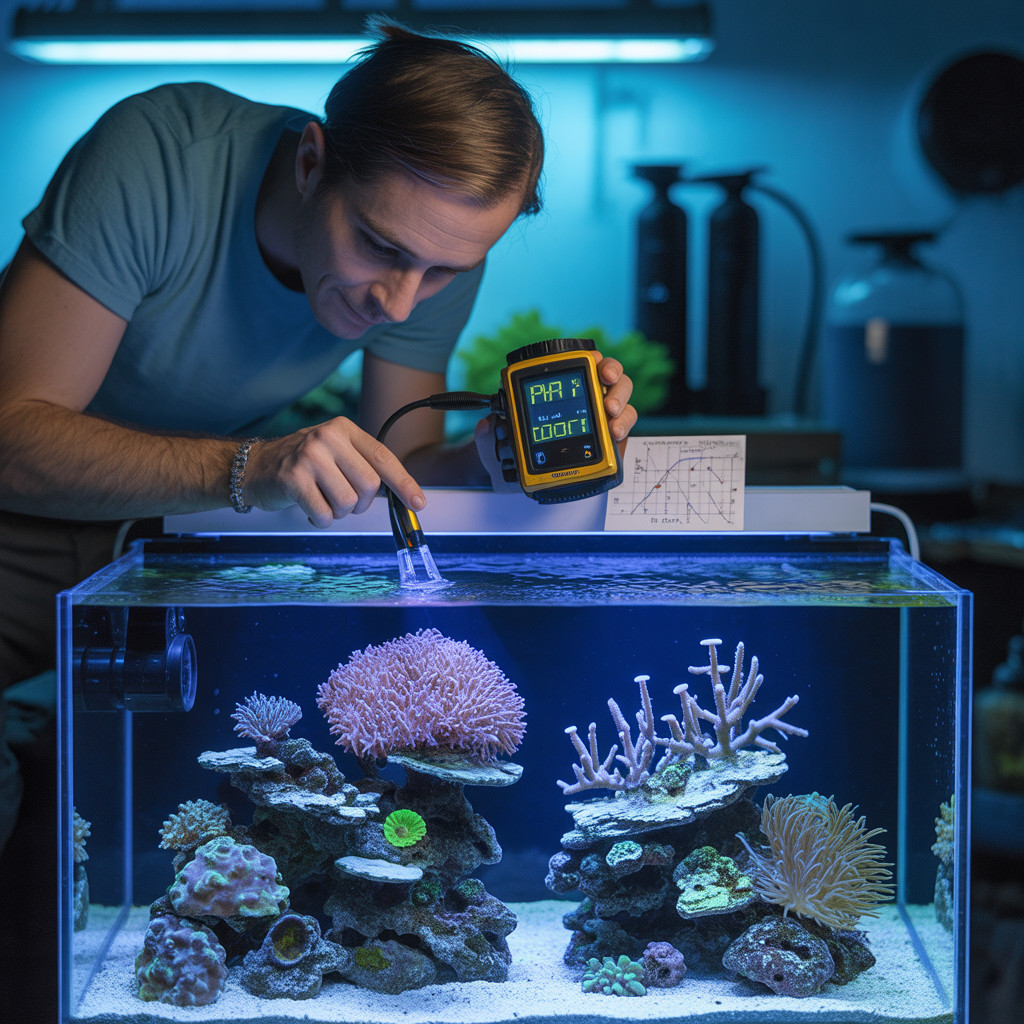
Coral placement and lighting shape coral health, color, and growth. Put each coral where its light, flow, and space needs match. Start lower than you think. Then move slowly. That simple approach prevents many common reef tank problems.
Many reef keepers focus on buying corals first. Placement comes second. That often leads to faded color, closed polyps, and tissue loss. Light intensity matters, but so does stability. Water flow matters too. So does aggression from nearby corals. In this guide, you will learn how to place soft corals, LPS, and SPS corals with confidence. You will also learn how to read coral behavior, adjust PAR safely, and avoid common lighting mistakes. If you are building a mixed reef, this article will help you create zones that suit different coral types.
Quick Reference Table
| Coral Type | Typical PAR | Placement | Flow | Main Caution |
|---|---|---|---|---|
| Soft corals | 50–150 | Lower to middle | Low to moderate | Can spread quickly |
| Mushrooms | 30–100 | Lower rockwork or sand | Low | Too much light causes shrinking |
| Zoanthids | 60–180 | Lower to middle | Low to moderate | Can be overgrown by neighbors |
| LPS corals | 75–200 | Lower to middle | Low to moderate | Sweeper tentacles need space |
| Euphyllia | 80–180 | Middle | Moderate, indirect | Too much flow tears tissue |
| SPS corals | 200–350+ | Upper rockwork | Moderate to strong | Need stable parameters |
Use these ranges as a starting point. Every tank is different. Light spectrum, rock height, water clarity, and fixture spread all change results. Always watch the coral itself. Coral response is more useful than any chart alone.
Why Coral Placement Matters
Corals are animals with algae living inside their tissue. Those algae need light to produce energy. If light is too weak, growth slows. If light is too strong, tissue can bleach. Placement decides how much light and flow a coral receives every hour.
Good placement also prevents coral warfare. Many LPS corals extend sweeper tentacles at night. Some soft corals release chemicals into the water. Fast growers can shade slower corals below them. A coral that looks fine today may become a problem in six months.
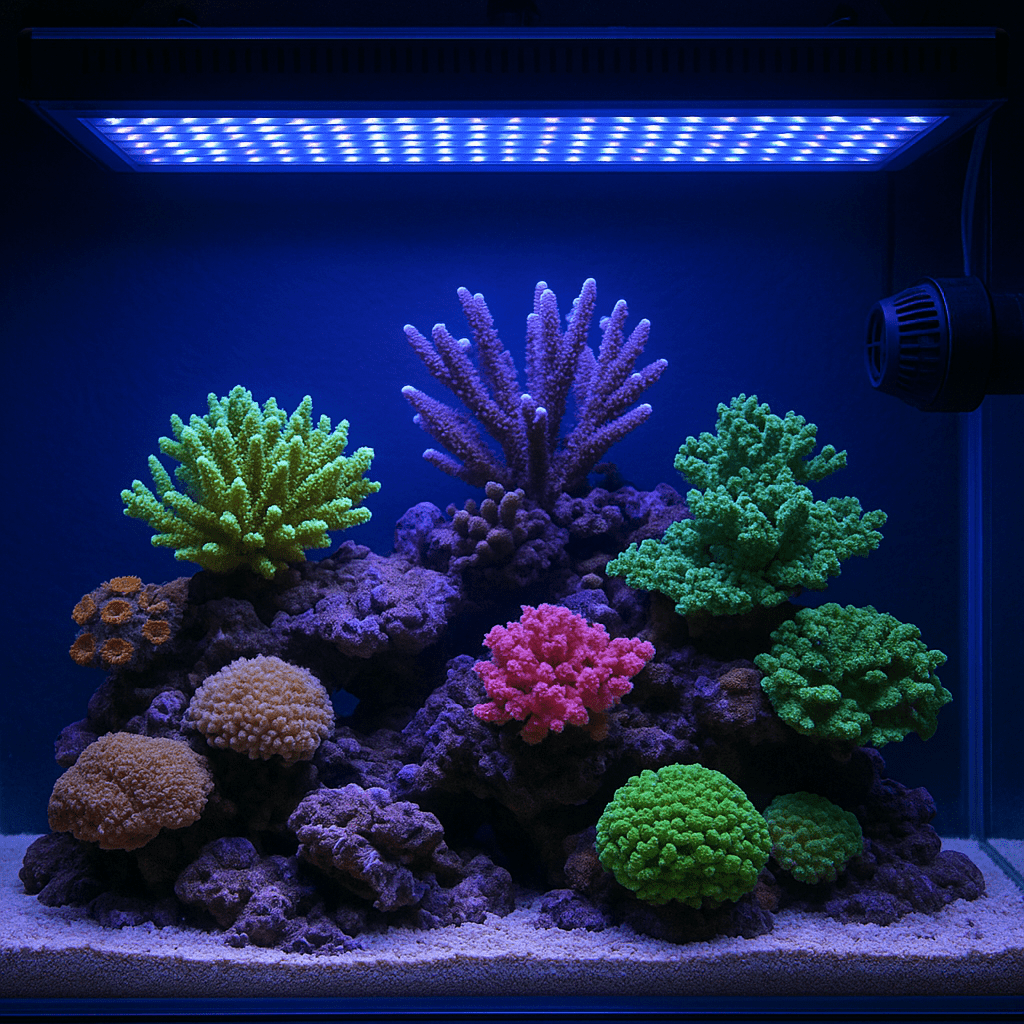
Think in zones. Build dim areas, moderate areas, and high-light areas. Then match corals to each zone. This method works far better than placing corals wherever there is empty rock. It also makes future growth easier to manage.
Natural Habitat and What It Tells Us
Wild coral reefs are not lit evenly. Some corals grow in shallow, bright water. Others live under ledges or on deeper slopes. Water movement also changes by location. Reef crest corals face intense light and surge. Lagoon corals often receive softer light and gentler flow.
This matters in aquariums. Acropora usually come from brighter, higher-energy zones. They often prefer stronger light and stronger flow. Mushrooms and many fleshy LPS often come from more protected areas. They usually do better in lower light and calmer flow.
Natural habitat is not a strict rule. Captive corals adapt over time. Many frags are aquacultured under different systems. Still, habitat gives a useful baseline. When unsure, start with the coral’s natural environment. Then adjust based on its response in your tank.
Aquarium Setup for Better Placement
A good aquascape makes coral placement easier. Build shelves, ledges, and open sand areas. Avoid one flat wall of rock. Corals need different heights, shade zones, and flow patterns. Open structures also improve circulation around colonies.
Leave room between rocks and the glass. You will need access for cleaning and fragging. Corals also grow wider than beginners expect. A tiny frag can become a large colony. Plan for the adult size, not the frag plug size.
Mixed reefs benefit from clear zones. Put SPS near the top and in stronger flow. Keep fleshy LPS lower and away from direct blast. Place invasive soft corals on isolated rocks when possible. That limits spreading. It also makes trimming much easier later.
Lighting Requirements by Coral Type
PAR is the most useful lighting measure for coral placement. It shows usable light intensity. Spectrum still matters, but PAR helps you place corals with far more precision. If possible, use a PAR meter. Guessing by eye often leads to mistakes.
Soft corals usually prefer lower to moderate light. Mushrooms often thrive in dimmer zones. Zoanthids handle a broad range, but many color best in moderate light. LPS corals usually prefer moderate light. Too much can bleach fleshy tissue. Too little can reduce inflation and growth.
SPS corals generally need the most light. Many Acropora and Montipora do best in high PAR with stable chemistry. Still, high light should be introduced slowly. A healthy coral under moderate light is better than a stressed coral under extreme light. Stability beats chasing numbers.
How to Place Corals Step by Step
- Identify the coral type before placing it. Know if it is soft, LPS, or SPS.
- Check the seller’s lighting and flow conditions. This gives a useful starting point.
- Inspect your tank’s PAR zones. Use a meter or trusted fixture map.
- Start the coral lower than its final target. This reduces light shock.
- Watch extension, inflation, and color for one to two weeks.
- Move the coral upward slowly if it needs more light.
- Leave enough space for growth and aggression.
- Secure the frag well. Loose frags often fall into bad locations.
Make one change at a time. Do not change flow, light, and placement all at once. That makes troubleshooting harder. Corals need time to adapt. Small adjustments are safer than dramatic moves.
Water Flow and Its Role in Placement
Light gets most of the attention. Flow is just as important. Corals use water movement to bring oxygen and food. Flow also removes waste and mucus. Poor flow can cause detritus buildup and dead spots. Excessive flow can damage tissue.
Soft corals often enjoy gentle, random movement. LPS corals prefer enough flow to sway, not whip. Euphyllia should move softly and rhythmically. If the flesh folds sharply or retracts, flow is likely too strong. SPS corals usually prefer stronger, chaotic flow from multiple directions.
Never judge flow by pump power alone. Rockwork changes everything. A coral in the same tank can receive very different flow just inches away. Watch how tentacles move. That tells you more than the pump setting.
Compatibility and Spacing in a Mixed Reef
Corals compete for space, light, and flow. Some use stinging tentacles. Others use chemical warfare. Placement should reduce these conflicts. Give LPS corals extra room. Many extend sweepers after lights out. Favias, galaxea, and torch corals can sting distant neighbors.
Soft corals create another issue. Many grow fast and shade nearby corals. Green star polyps, xenia, and some mushrooms can spread over rock quickly. Isolated islands help contain them. SPS corals need room too. As colonies branch, they block light below.
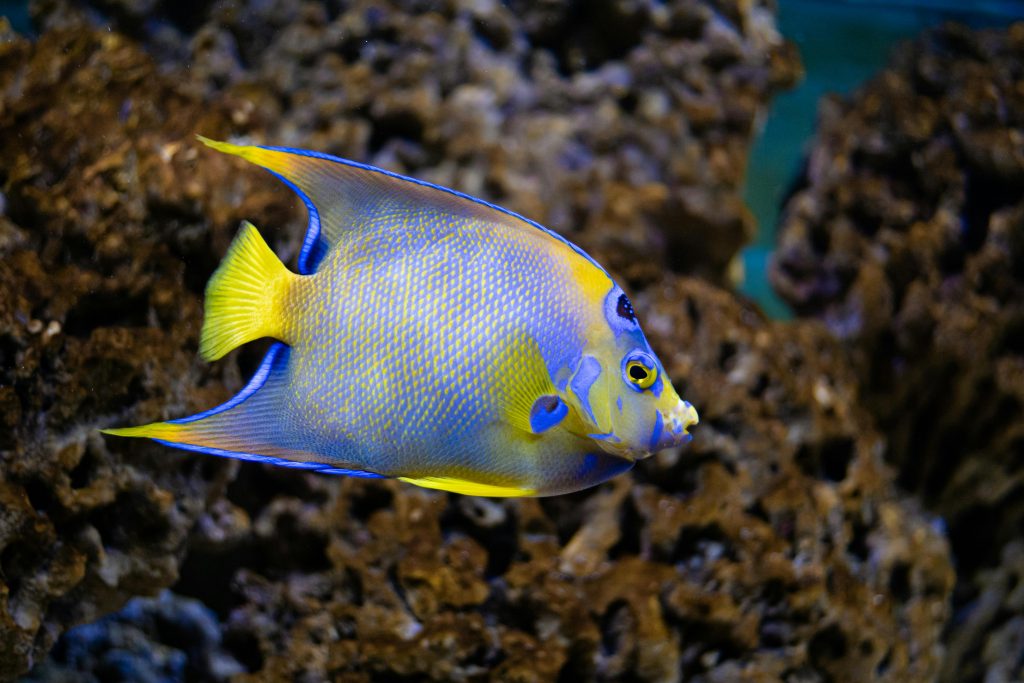
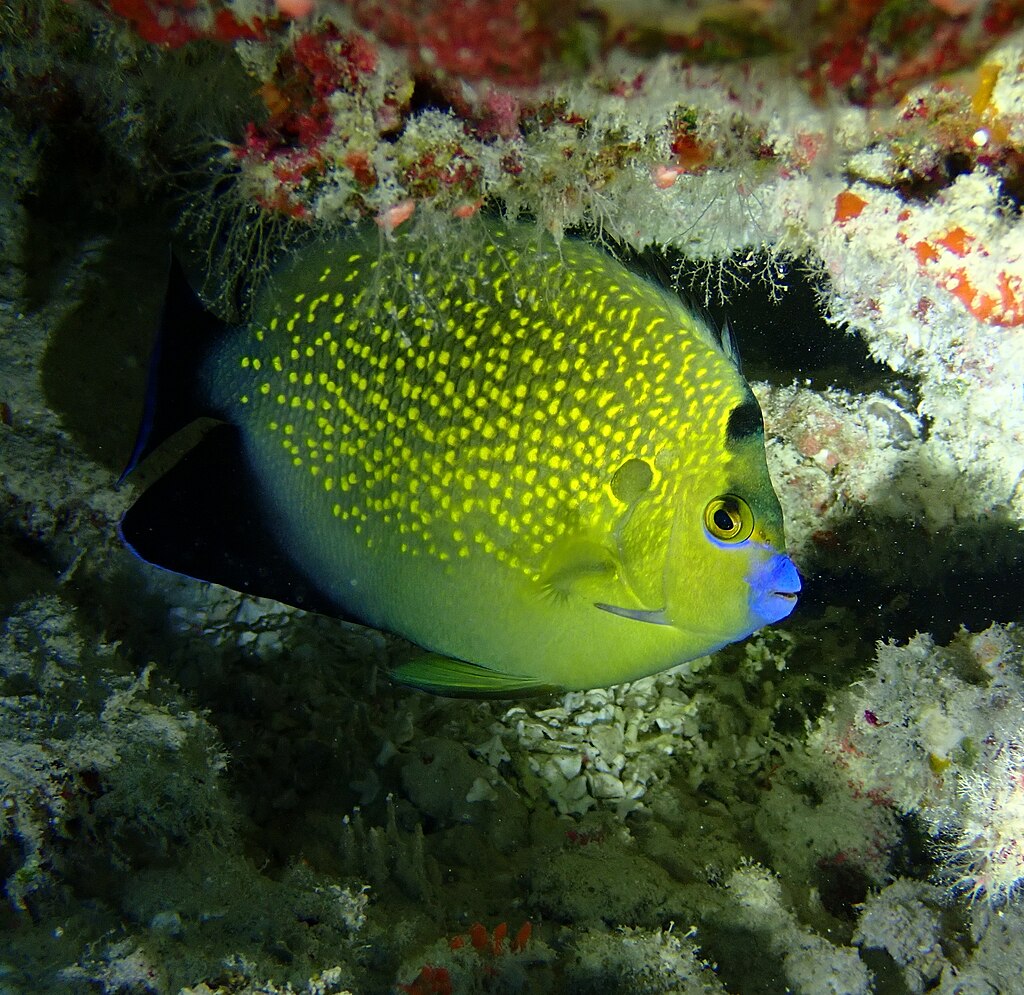
Fish can affect placement as well. Some clownfish irritate fleshy corals by hosting in them. Angelfish and some butterflyfish may nip polyps. Urchins and large snails can knock over unsecured frags. Stable placement reduces these problems.
Common Problems
Coral Is Bleaching After Moving Upward
This usually means too much light, too fast. The coral was not acclimated properly. Lower it to a dimmer area. Reduce intensity if several corals show stress. Then increase light more slowly. Use a ramp schedule or screen method if needed.
Coral Turns Brown Instead of Colorful
Brown coral often suggests low light, excess nutrients, or both. First, check nitrate and phosphate. Then review PAR. If nutrients are reasonable, move the coral slightly higher. Make small changes only. Sudden jumps can create the opposite problem.
Polyps Stay Closed
Closed polyps can mean many things. Check flow first. Too much direct flow causes retraction. Too little flow can let debris settle. Also inspect for pests, fish nipping, and unstable alkalinity. New corals may simply need time to settle in.
LPS Tissue Recession on One Side
One-sided recession often points to directional flow or contact damage. Check for a nearby stinging coral. Look at how the coral sits on the skeleton. Sharp rock edges can irritate tissue. Move it to lower, indirect flow and give it more space.
SPS Loses Color at the Base
This can happen from shading, poor flow, or unstable chemistry. As SPS branches grow, the base receives less light and movement. Improve random flow around the colony. Trim nearby shading corals if needed. Also confirm stable alkalinity, calcium, and nutrients.
Fragging and Repositioning Corals Safely
When to Move a Coral
Move a coral when signs clearly point to poor placement. Examples include bleaching, tissue damage, or chronic retraction. Do not move corals repeatedly without a reason. Constant relocation creates more stress. Observe first. Then act with a clear goal.
How to Reposition a Frag
Turn off strong pumps first. Gently remove the frag if possible. Dry the plug or rock surface briefly. Use reef-safe gel glue or epoxy. Place the frag securely. Then restore flow. Monitor the coral for several days. Stability matters after the move.
Why Fragging Helps Placement
Fragging controls growth and prevents crowding. It also allows you to test placement in different zones. A small backup frag can save a coral if the main colony struggles. In mixed reefs, regular trimming keeps aggressive corals from taking over valuable space.
Frequently Asked Questions
Should I place new corals on the sand bed first?
Yes, in many cases. Starting low reduces light shock. This is especially helpful under strong LEDs. Move the coral upward gradually if it needs more PAR.
How do I know if a coral gets too much light?
Watch for bleaching, shrinking, faded color, or poor extension. Some corals also produce excess mucus. Lower the coral and review your acclimation plan.
Can different corals share the same rock?
They can, but spacing matters. Leave room for growth and stinging distance. Avoid placing aggressive LPS beside delicate neighbors.
Is blue light enough for coral growth?
Blue-heavy spectrum supports photosynthesis well. Still, total PAR matters most for placement. Good fixtures balance usable spectrum with proper intensity.
Do I need a PAR meter?
You do not need one, but it helps a lot. A PAR meter removes guesswork. It is one of the best tools for consistent coral placement.
Final Tips for Long-Term Success
Place corals based on their needs, not empty space. Start with lower light. Increase slowly. Leave more room than you think you need. Watch the coral every day, especially after changes. Healthy placement is not static. It evolves as colonies grow.
In most tanks, patience wins. Corals respond over days and weeks, not minutes. If you build clear light zones, maintain stable chemistry, and respect coral aggression, placement becomes much easier. Your reef will look better. More importantly, it will stay healthier over time.
reef tank lighting guide
best coral for beginners
reef tank water parameters
how to frag corals
mixed reef tank guide
Was this helpful?
Related Posts
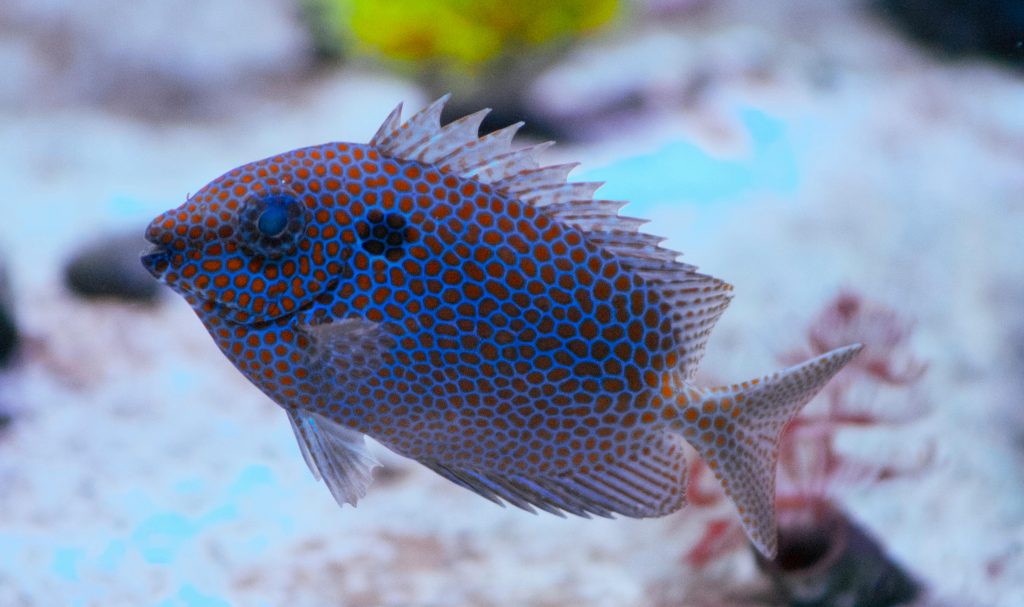
Gold Spotted Rabbitfish (Siganus Punctatus)
Gold Spotted Rabbitfish care includes large tanks, heavy algae feeding, and caution with corals. Learn tank size, diet,…
 By
By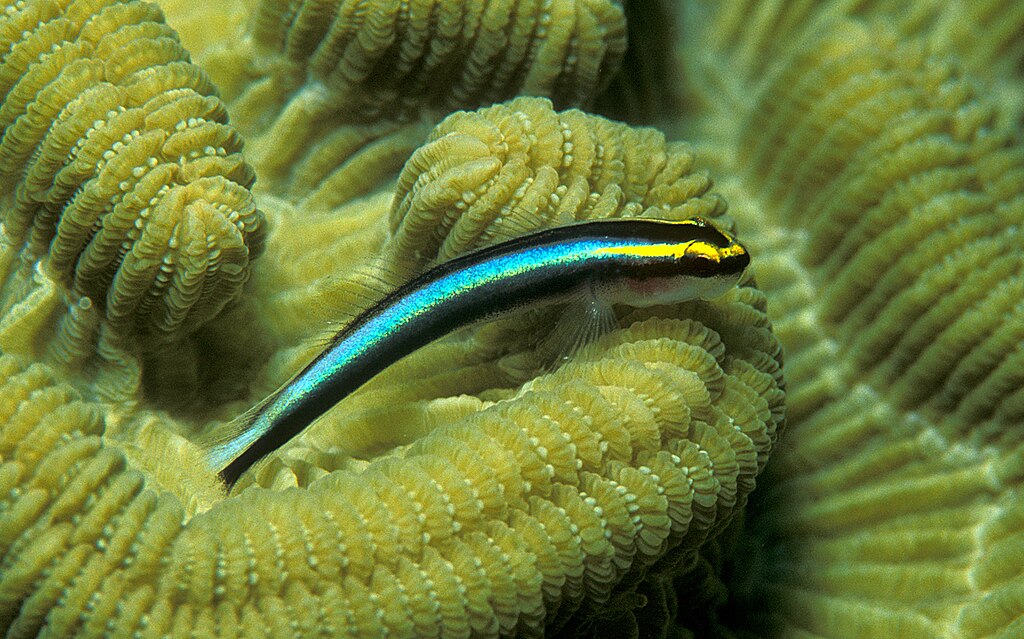
Sharknose Goby (Elacatinus evelynae)
Sharknose Goby care is simple in stable reef tanks. Learn feeding, tank setup, compatibility, and common problems for…
[favorite_button]
My Bookmarks:
To see full list click here
[user_favorites user_id="" include_links="true" site_id="" post_types="" include_thumbnails="true" thumbnail_size="thumbnail" include_excerpt="false"]