

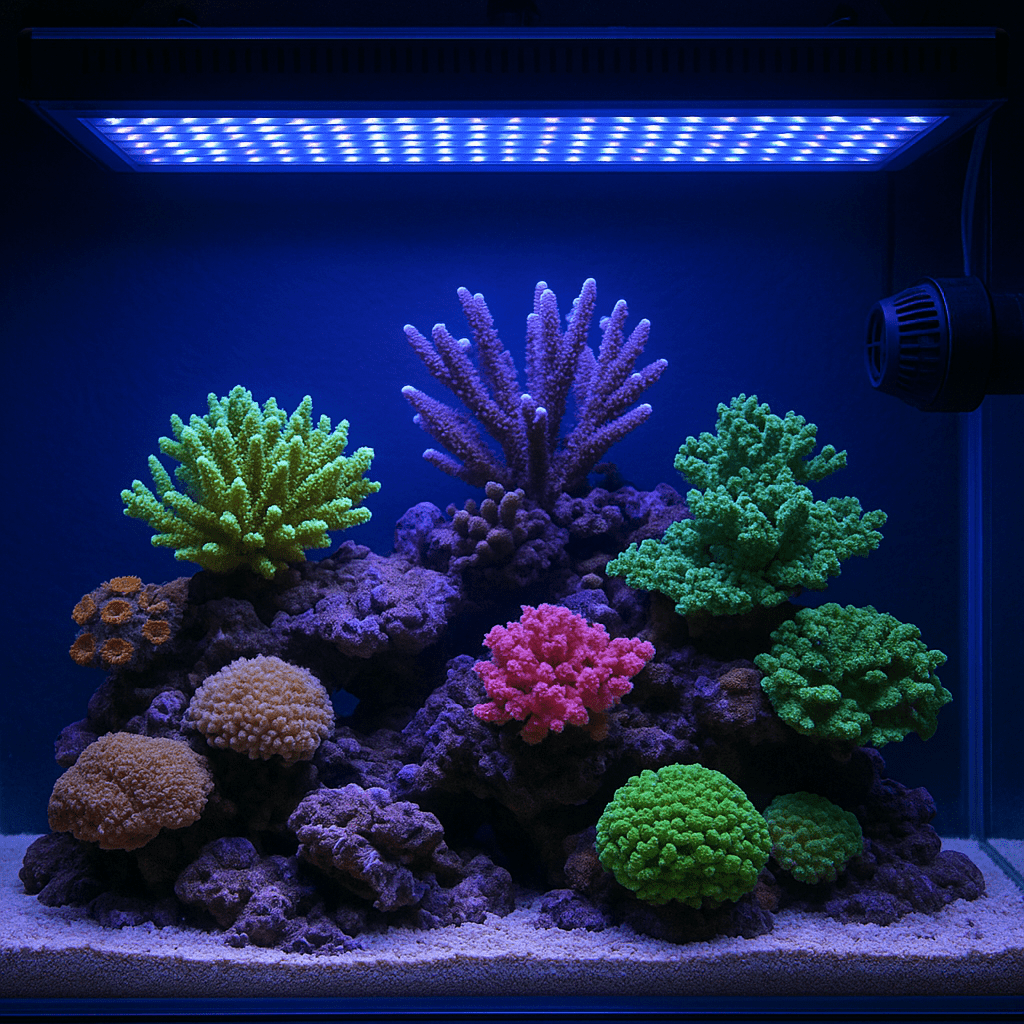
A mixed reef tank can hold soft corals, LPS, SPS, fish, and invertebrates together. Success depends on smart stocking, stable water, and careful placement. This guide explains how to build a balanced mixed reef that grows well and stays peaceful over time.
Many reef keepers love mixed reefs because they offer variety. You can enjoy movement from soft corals, bright flesh from LPS, and fine branching structure from SPS. The challenge is balance. Different corals want different light, flow, and space. Fish also affect nutrients, aggression, and feeding. Good stocking is not about filling every inch quickly. It is about choosing compatible animals, adding them in the right order, and leaving room for growth. In this guide, you will learn how to stock a mixed reef tank step by step. You will also learn how to avoid common mistakes that lead to coral warfare, unstable nutrients, and overcrowding.
Quick Reference Table
| Category | Best Practice |
|---|---|
| Tank size | 40 gallons minimum for stability |
| Coral mix | Start with soft corals and easy LPS |
| Fish load | Light to moderate at first |
| Lighting | Moderate overall, with high zones for SPS |
| Flow | Varied flow with calm and high-energy areas |
| Nutrients | Keep nitrate and phosphate detectable but controlled |
| Spacing | Leave room for coral growth and sweeper tentacles |
| Stocking pace | Add livestock slowly over several months |
| Quarantine | Strongly recommended for fish and coral |
What Is a Mixed Reef Tank?
A mixed reef tank combines several coral groups in one aquarium. Most mixed reefs include soft corals, large polyp stony corals, and small polyp stony corals. Many also include reef-safe fish, shrimp, snails, crabs, and other useful invertebrates. The goal is diversity without chaos.
This setup appeals to many hobbyists because it looks natural and dynamic. Different coral shapes create contrast. Different fish add motion and personality. You also have more flexibility than in a strict SPS or soft coral system. Still, mixed reefs require planning. Mushrooms and leathers can release chemicals. Euphyllia can sting nearby corals. SPS often need stronger light and cleaner conditions. A good mixed reef works because the aquarist designs zones. High light and strong flow go up top. Moderate areas sit in the middle. Lower light and calmer spots stay near the sand and shaded rock. That structure makes mixed reef stocking much easier.
Choose the Right Tank Size First
Tank size shapes every stocking decision. Larger tanks are easier to manage. They hold more water, which improves stability. They also give you more room to separate aggressive corals and territorial fish. For most hobbyists, 40 gallons is the practical minimum for a mixed reef. A 60 to 90 gallon tank gives much more flexibility.
Small tanks can still work. They just demand more restraint. A nano mixed reef fills fast. Corals grow into each other sooner. Nutrients swing faster. Fish options are also limited. In larger systems, you can create clear zones for SPS, LPS, and soft corals. You can also stock a better cleanup crew and a wider fish community. If your goal is a true long-term mixed reef, choose the biggest tank you can maintain well. Stability matters more than size alone. A modest tank with excellent husbandry will outperform a giant tank with poor planning.
Build the Aquascape for Coral Zones
A mixed reef needs an aquascape with purpose. Avoid one giant wall of rock. That layout blocks flow and limits coral placement. Instead, build islands, arches, or open bommies. Leave channels for circulation. Leave open sand for LPS and future colonies. Think about where each coral type will live before you add water.
Place high points where SPS can receive stronger light and flow. Create middle shelves for many LPS and encrusting corals. Save lower areas for mushrooms, zoanthids, and lower-light soft corals. Keep enough distance between islands if you plan to grow aggressive species. Euphyllia, galaxea, and chalices can reach farther than beginners expect. Open aquascapes also improve fish behavior. Shy fish want caves. Active fish want swim lanes. Good rockwork supports both needs. If you want inspiration, see: reef aquascaping ideas. A smart aquascape solves many stocking problems before they begin.
How to Stock Corals in a Mixed Reef
Start with hardy corals. Let the tank mature before adding demanding species. Soft corals and beginner LPS are usually the best first choices. Good starter options include zoanthids, mushrooms, toadstools, candy cane coral, and hammer coral. These corals show you how your tank behaves. They also tolerate small mistakes better than Acropora.
Once the tank is stable, add a few SPS in the highest and brightest areas. Montipora is often a better first SPS than Acropora. Birdsnest can also work in stable systems. Avoid adding too many fast growers early. Green star polyps, Xenia, and some mushrooms can overrun rockwork. Isolate them on separate islands if you want them. Keep enough space between colonies for future growth. Corals sold as tiny frags can become large colonies within a year. If you need help with placement strategy, read: coral placement guide. Stocking slowly helps you learn your tank instead of fighting it.
Lighting Requirements for a Mixed Reef
Mixed reef lighting should support several coral groups at once. That means aiming for a moderate overall intensity with brighter zones up high. Soft corals and many LPS do well under moderate light. Most SPS need stronger light, especially near the top. Uniform lighting across the whole tank can make placement harder.
Use your rock structure to create light gradients. Place demanding SPS directly under stronger output. Move fleshy LPS away from harsh hotspots. Watch coral response closely. Bleaching, retraction, and faded color often signal too much light. Stretching and dull brown tissue can suggest too little. Make changes slowly. Corals need time to adjust. If you upgrade lights, use acclimation mode or raise the fixture first. A mixed reef rarely needs maximum intensity everywhere. It needs consistency and range. If you are still choosing equipment, see: reef tank lighting basics. The best lighting plan is the one that gives each coral a suitable place to thrive.
Water Flow in a Mixed Reef Tank
Flow is just as important as light. Mixed reefs do best with varied water movement. SPS prefer stronger, chaotic flow. Many LPS prefer moderate indirect flow. Soft corals often enjoy random movement but can suffer under a direct blast. The solution is not weak flow. The solution is smart flow.
Use multiple pumps if possible. Angle them so currents intersect and bounce off rock. This creates random movement instead of one harsh stream. Watch coral tissue. Euphyllia should sway gently, not whip violently. SPS polyps should extend without collecting detritus. Dead spots lead to algae and cyanobacteria. Excessive direct flow can strip tissue from fleshy corals. Revisit flow after each new coral colony grows. Coral growth changes circulation over time. A mixed reef is never truly static. It evolves, and your pump settings should evolve with it.
Fish Stocking Strategy for Mixed Reefs
Fish do more than fill the water column. They influence nutrients, aggression, and coral feeding. In a mixed reef, a light to moderate fish load is often ideal. Too few fish can leave the tank nutrient starved. Too many fish can drive nitrate and phosphate too high. Balance matters.
Start with peaceful fish. Good options include clownfish, gobies, blennies, firefish, royal grammas, and many wrasses. Add territorial species later. Avoid fish known to nip corals unless you accept the risk. Some angelfish and butterflyfish are poor choices for most mixed reefs. Add fish slowly. Quarantine them if possible. This protects your display from parasites and disease. Also consider behavior. A six-line wrasse may control pests, but it can bully smaller fish. A lawnmower blenny may help with algae, but it needs enough natural grazing. For a deeper look, visit: reef safe fish for beginners. Stock fish for long-term compatibility, not just short-term excitement.
Cleanup Crew and Invertebrate Stocking
A cleanup crew helps maintain a mixed reef, but it is not a cure-all. Snails, hermits, shrimp, and other invertebrates support the system by eating algae, detritus, and leftover food. The best cleanup crew is varied. Different animals handle different jobs.
Trochus and turbo snails are useful for algae on rock and glass. Nassarius snails stir the sand and eat leftover food. Cerith snails help with film algae and detritus. Hermit crabs can be helpful, but some become opportunistic. Cleaner shrimp add interest and may clean fish, though that behavior varies. Avoid overstocking the cleanup crew. Too many members will starve once the tank looks clean. Add them based on actual need. Replace losses over time rather than dumping in large numbers at once. Invertebrates are sensitive to salinity swings, copper, and sudden changes. Acclimate them carefully and keep parameters stable.
Step-by-Step Mixed Reef Stocking Plan
- Cycle the tank fully before adding livestock.
- Add a small cleanup crew after the cycle completes.
- Introduce the first peaceful fish and monitor nutrients.
- Add easy soft corals and hardy LPS once the tank stabilizes.
- Wait several weeks between major additions.
- Test alkalinity, calcium, magnesium, nitrate, and phosphate often.
- Add more fish slowly, starting with peaceful species.
- Introduce beginner SPS only after stability is proven.
- Leave room for coral growth and future aggression.
- Adjust flow, light, and feeding as the reef matures.
This slow approach prevents many common reef problems. It also helps you identify what caused a change if something goes wrong. Fast stocking often creates overlapping issues. Then troubleshooting becomes much harder.
Common Problems
Corals Keep Stinging Each Other
This usually means poor spacing or poor planning. Many LPS extend sweeper tentacles at night. Some soft corals release chemicals into the water. Move aggressive corals farther apart. Run fresh carbon. Prune or frag fast growers before they touch neighbors.
SPS Look Pale While LPS Look Fine
This often points to unstable alkalinity, low nutrients, or too much light. Test alkalinity first. Check nitrate and phosphate next. Pale SPS in an ultra-clean tank may need more feeding or a slightly higher nutrient level.
Soft Corals Grow but Stony Corals Struggle
Soft corals can tolerate lower stability and lower calcium demand. Stony corals need stronger chemistry support. Check alkalinity, calcium, and magnesium. Also review flow and light. In some tanks, heavy soft coral growth may also increase chemical competition.
Algae Increases After Adding More Fish
More fish means more food and waste. Feed carefully. Clean mechanical filtration often. Increase export with water changes, skimming, or refugium growth. Do not add more cleanup crew until you address the nutrient source.
Frequently Asked Questions
What is the best coral mix for a beginner mixed reef?
Start with zoanthids, mushrooms, toadstools, candy cane coral, and one or two Euphyllia. These are attractive and forgiving. Add SPS later.
How many fish can I keep in a mixed reef tank?
That depends on tank size, filtration, and fish species. Most tanks do best with a moderate load. Stock slowly and watch nutrient trends.
Can SPS, LPS, and soft corals really live together?
Yes, they can. Success comes from zoning the tank for light, flow, and spacing. Stable parameters are also essential.
Should I add coral or fish first?
Add a small cleanup crew first, then a few peaceful fish. Corals usually follow once the tank shows stable behavior and consistent parameters.
How long should I wait before adding SPS?
Many hobbyists wait several months. Add SPS after your tank shows stable alkalinity, controlled nutrients, and good growth from easier corals.
Final Thoughts
The best mixed reef tank stocking plan is patient and intentional. Build coral zones. Choose fish that fit your system. Leave room for growth. Keep nutrients controlled but not stripped. Most of all, resist the urge to rush. A mixed reef becomes more beautiful with time. Good stocking decisions in the first months will shape your reef for years.
Was this helpful?
Related Posts
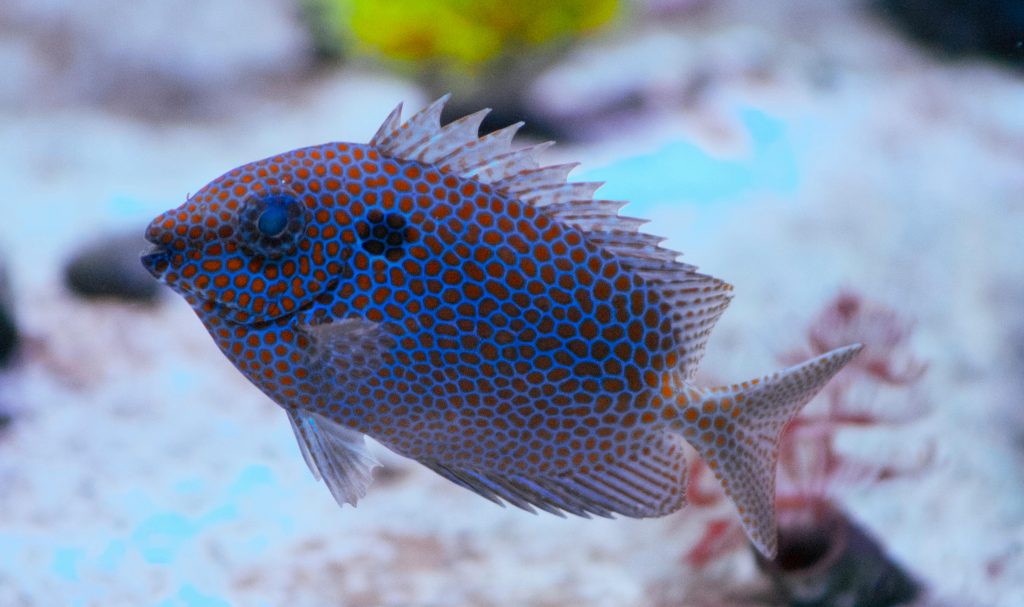
Gold Spotted Rabbitfish (Siganus Punctatus)
Gold Spotted Rabbitfish care includes large tanks, heavy algae feeding, and caution with corals. Learn tank size, diet,…
 By
By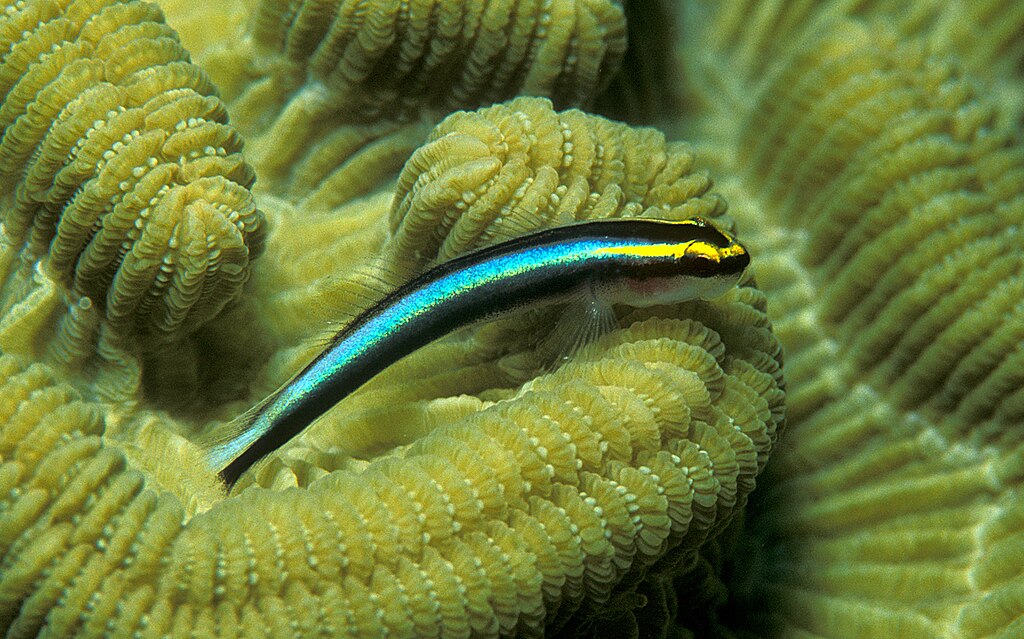
Sharknose Goby (Elacatinus evelynae)
Sharknose Goby care is simple in stable reef tanks. Learn feeding, tank setup, compatibility, and common problems for…
[favorite_button]
My Bookmarks:
To see full list click here
[user_favorites user_id="" include_links="true" site_id="" post_types="" include_thumbnails="true" thumbnail_size="thumbnail" include_excerpt="false"]