
Choosing corals for small reef tanks is easier when you focus on hardy species, stable placement, and realistic growth. The best nano reef corals tolerate minor swings, stay manageable, and thrive under moderate lighting and flow.
Small reef tanks can look incredible. They also punish mistakes faster than large systems. Water chemistry shifts quickly. Space runs out fast. Coral aggression becomes a real issue. That is why coral selection matters so much in nano reefs and other compact marine aquariums. In this guide, you will learn which corals usually do best in small tanks, how to match them to your setup, and how to avoid common stocking mistakes. We will also cover placement, lighting, flow, feeding, compatibility, and simple troubleshooting. If you want a small reef that grows well without constant frustration, start with the right corals.
Quick Reference Table
| Coral Type | Difficulty | Light | Flow | Best For | Notes |
|---|---|---|---|---|---|
| Mushrooms | Easy | Low to moderate | Low | Beginners | Great for shaded areas. Can spread fast. |
| Zoanthids | Easy | Low to moderate | Low to moderate | Colorful nano reefs | Many color morphs. Watch for pests. |
| Green Star Polyps | Easy | Moderate | Moderate to high | Movement and fast coverage | Best isolated on its own rock. |
| Leather Corals | Easy | Moderate | Moderate | Soft coral tanks | Tolerant and forgiving. Need room. |
| Duncan Coral | Easy to moderate | Moderate | Low to moderate | LPS beginners | Friendly feeder. Good growth. |
| Blastomussa | Easy to moderate | Low to moderate | Low | Peaceful nano reefs | Excellent for lower rockwork. |
| Candy Cane Coral | Easy to moderate | Moderate | Low to moderate | Starter LPS | Hardy and easy to frag later. |
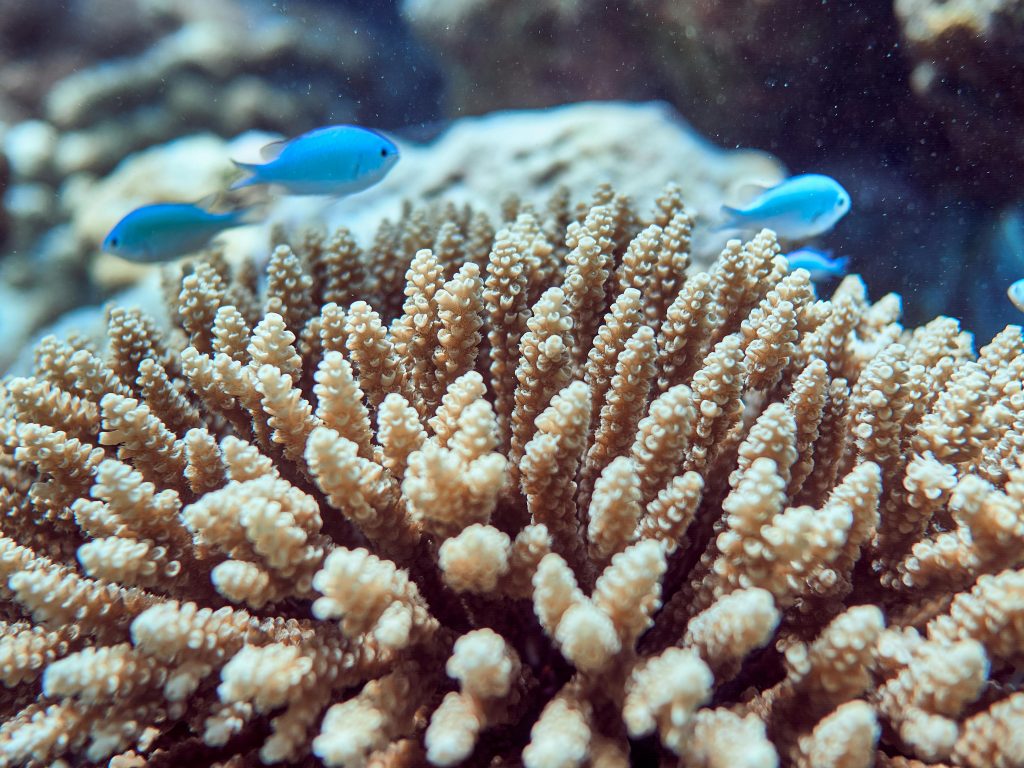
| Birdsnest | Moderate | Moderate to high | Moderate to high | Stable small SPS tanks | Needs strong stability and space. |
Use this table as a starting point. Always match coral choices to your actual equipment and maintenance routine. A coral that is easy in one nano tank may struggle in another if lighting, nutrients, or flow are very different.
What Makes a Coral Good for a Small Reef Tank?
The best small tank corals share a few traits. First, they tolerate small parameter changes. Nano reefs can swing in salinity, alkalinity, and temperature. Hardy corals handle these shifts better. Second, they have manageable growth. Fast growers can overrun rockwork in months. Third, they are less aggressive. In a tight aquascape, long sweeper tentacles can sting neighbors at night.
Look for corals that do well in moderate conditions. Soft corals and many beginner LPS fit this role. They usually adapt well to common nano reef lights and powerheads. They also give visual movement and color without demanding perfect stability. That matters if you are still learning reef chemistry.
Avoid buying only by color. Think about final size, spread pattern, and placement options. A tiny frag can become a major problem later. This is especially true with encrusting soft corals and fast-growing zoanthids. In a small tank, planning ahead prevents many headaches.
Best Coral Types for Beginners with Small Tanks
Mushrooms are one of the safest starting points. They like lower light and gentle flow. They come in many colors. They also adapt well to nano reef conditions. Ricordea and discosoma varieties are especially popular. Give them room, because some types multiply quickly.
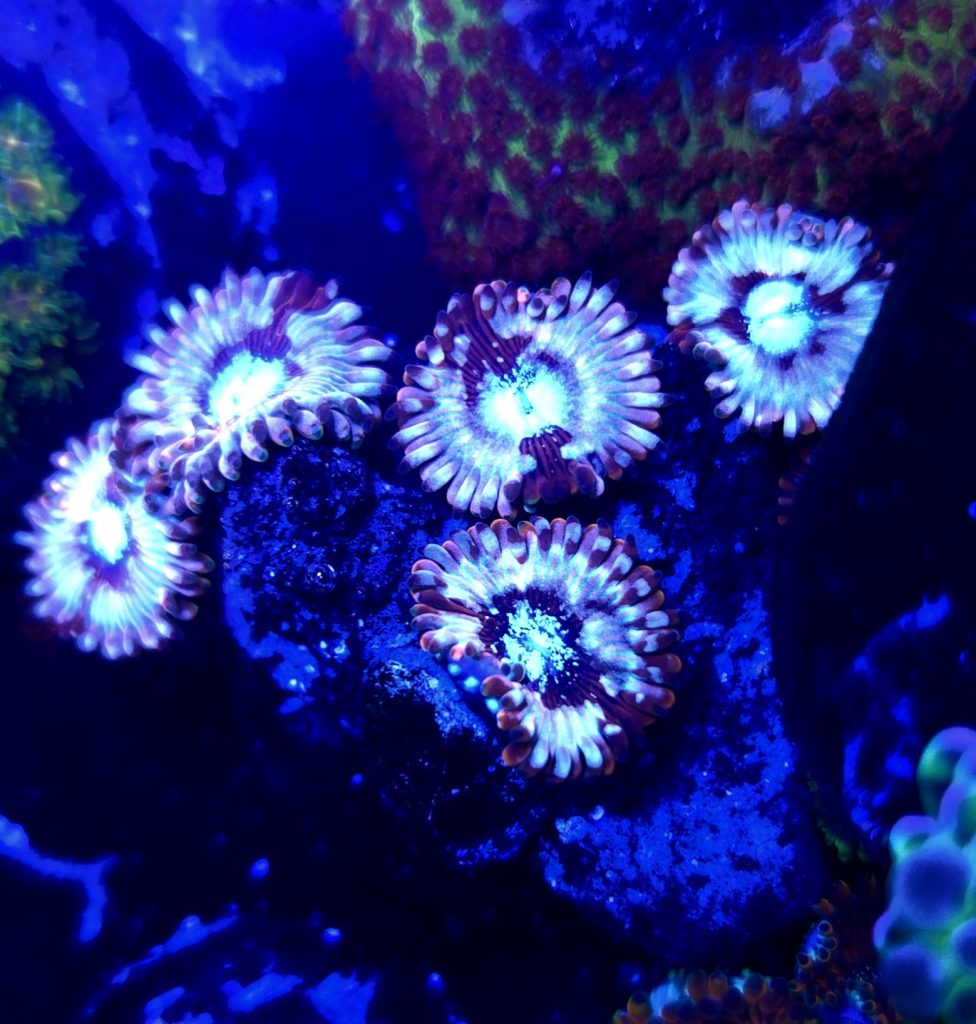
Zoanthids are another classic choice. They stay relatively compact and offer huge color variety. Many hobbyists build entire nano reefs around zoa gardens. Keep them away from aggressive neighbors. Dip new frags carefully, because zoanthids often carry pests. Handle them with care due to palytoxin risk.
For LPS, try Duncan corals, candy cane corals, or Blastomussa. These species are usually forgiving. They have larger polyps and obvious feeding responses. That makes them fun for beginners. They also tend to stay where you place them, unlike spreading soft corals.
Leather corals can also work well. Toadstool leathers are hardy and attractive. They add height and movement. Just remember they may release chemicals into the water. Running carbon helps in mixed reefs.
Corals to Be Careful With in Nano Reefs
Some corals look perfect in stores but become difficult in small tanks. Green star polyps are a good example. They are hardy and beautiful. They also spread rapidly over rock and glass. In a nano reef, they can take over before you realize it. Keep them isolated on a separate island rock.
Xenia has similar issues. It pulses nicely and grows fast under nutrient-rich conditions. It can also crash suddenly. When it crashes, it may foul a small tank quickly. Euphyllia corals like hammers and torches are another caution. They are popular and stunning. But they need space for sweeper tentacles. A small tank often lacks that buffer.
Most SPS corals should wait until your tank is mature and stable. Birdsnest and montipora can work in skilled nano systems. Acropora usually demand more consistency than beginners can provide. In small tanks, even minor alkalinity swings can cause tissue loss fast.
Natural Habitat and Why It Matters
Corals come from very different reef zones. Some live in calmer, lower-light areas. Others grow on shallow reef crests with intense light and strong surge. Knowing this helps you place corals correctly at home. Mushrooms and Blastomussa often prefer lower light and gentler flow. Birdsnest and many SPS come from brighter, higher-energy areas.
This matters even more in small tanks. Nano reefs compress many habitats into one box. A powerhead can create a harsh blast in one spot and a dead zone nearby. A strong LED can bleach a low-light coral if placed too high. When you understand a coral’s natural setting, you can recreate the right microhabitat more easily.
Try to think in zones. Use upper rockwork for higher light species. Reserve lower ledges and shaded areas for corals that prefer less intensity. This simple habit improves coral health and reduces random losses.
Aquarium Setup for Small Reef Corals
A small reef tank can range from about 10 to 40 gallons. Larger nanos are easier to manage. More water means more stability. If you are new, a 20 to 40 gallon system is often the sweet spot. It still saves space, but gives you more room for coral placement and equipment.
Build your aquascape with future growth in mind. Leave open sand and gaps between rock structures. Corals need room to expand. Water must move around colonies. Avoid packing every inch with rock. A clean, open layout often looks better and functions better too.
Use quality filtration and a reliable heater. Top off evaporation daily, or use an auto top-off system. Salinity swings are common in small tanks. They stress corals quickly. Stable salinity is one of the biggest keys to success. You can learn more in our reef tank setup guide and our reef tank water parameters article.
Lighting Requirements
Most beginner corals for small tanks prefer low to moderate light. That includes mushrooms, zoanthids, leather corals, and many LPS. Stronger light is not always better. In fact, excessive light is a common beginner mistake. It can bleach corals and cause them to stay closed.
Start lower than you think. Then increase slowly if needed. Use acclimation mode on your light if available. Corals from frag systems may have been grown under very different intensity. A gradual adjustment protects them from shock. Watch for signs like stretching, fading, or shrinking tissue.
In mixed nano reefs, place low-light corals near the bottom or in partial shade. Put moderate-light LPS and soft corals in the middle. Reserve the top for species that truly need more intensity. If you keep SPS later, monitor alkalinity closely. Strong light increases demand for stable chemistry.
Water Flow
Flow is often overlooked in small tanks. Yet it strongly affects coral health. Corals need enough movement to remove waste and bring oxygen and nutrients. They do not want a direct blast all day. In nanos, that line is easy to cross.
Soft corals usually like gentle to moderate indirect flow. LPS often prefer lower, pulsing movement that lets their flesh sway without folding over harshly. SPS need stronger, more chaotic flow. If you are keeping beginner corals, aim for broad, random movement across the whole tank.
Watch coral behavior. If polyps stay tightly closed, flow may be too strong or too weak. If detritus settles around the base, increase circulation slightly. Small adjustments make a big difference in nano reefs.
Feeding and Nutrient Balance
Many beginner corals get much of their energy from light. Still, feeding can improve growth and color. Duncan corals, candy canes, and Blastomussa often respond well to occasional target feeding. Offer small meaty foods once or twice weekly. Use mysis, reef roids, or other fine coral foods in moderation.
Do not overfeed a small tank. Excess food quickly becomes nitrate and phosphate. Some nutrients are helpful. Too much causes algae and poor water quality. The goal is balance, not zero nutrients. Soft corals and zoanthids often look better with a little nitrate and phosphate present.
Feed fish carefully too. Coral health depends on the whole system. In many nano reefs, fish waste provides enough indirect nutrition for hardy corals. If nutrients climb, reduce feeding and improve export before adding more corals.
Compatibility in Small Reef Tanks
Compatibility is not only about fish. It is also about coral warfare. Corals compete for space, light, and flow. In a small tank, this competition happens fast. Some release chemicals. Others send out sweeper tentacles. Fast encrusters simply grow over neighbors.
Try to group corals by temperament and growth style. Keep peaceful LPS together with spacing. Place spreading soft corals on isolated rocks when possible. Leave room around euphyllia if you keep them. Avoid mixing too many aggressive species in one tiny aquascape.
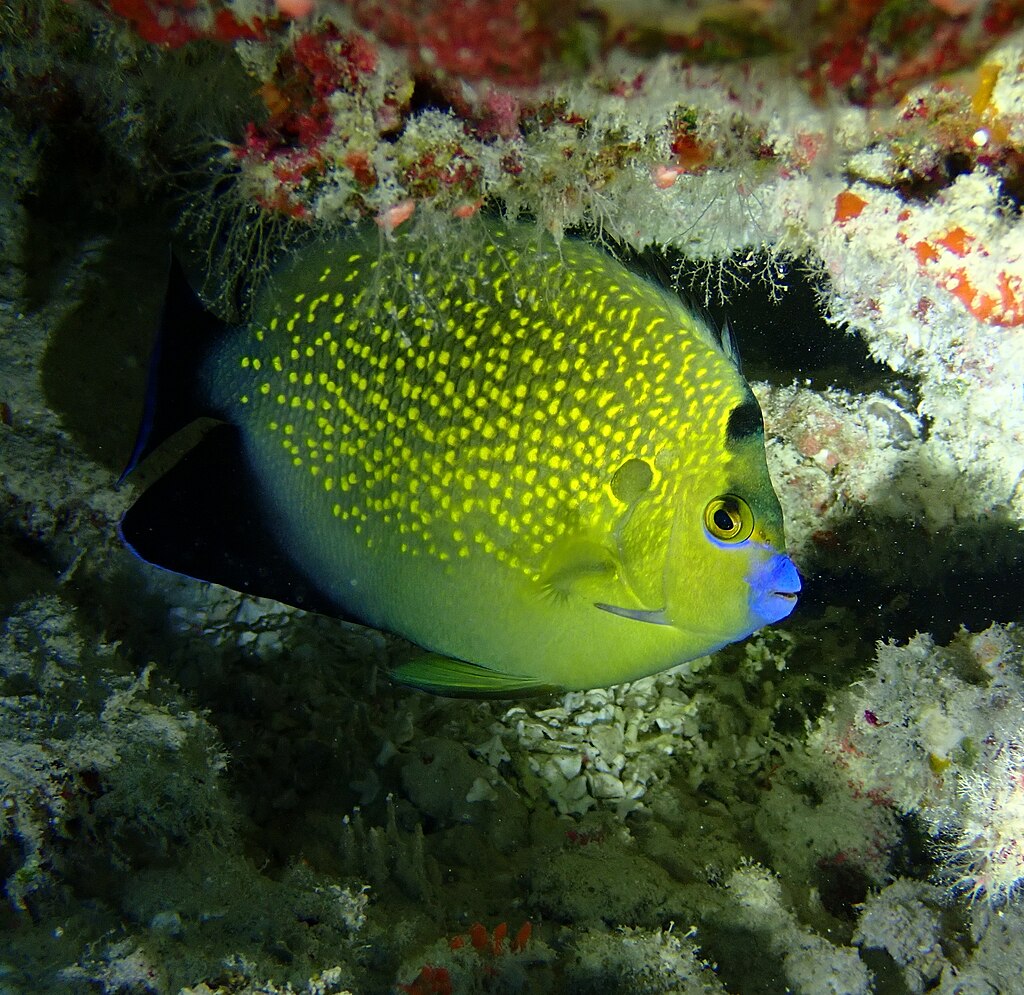
Fish matter too. Some angelfish, butterflies, and even certain crabs may nip coral polyps. In small reefs, clownfish can also irritate fleshy corals by hosting them. Research every tankmate before adding it. Our best fish for nano reef tanks and coral dipping guide can help you plan safer additions.
Step-by-Step: How to Choose Corals for Your Small Tank
- Check your tank age. New tanks should start with hardy soft corals or easy LPS.
- Review your lighting. Match coral choices to actual intensity, not marketing claims.
- Assess flow patterns. Make sure you have calm and moderate zones available.
- Choose a theme. Soft coral, mixed reef, or beginner LPS are easier than random stocking.
- Plan for growth. Leave empty space around every frag.
- Limit early purchases. Add a few corals, then watch them for several weeks.
- Dip and inspect every new frag. This reduces pest outbreaks.
- Track parameters. Stability matters more than chasing perfect numbers.
This simple process saves money and frustration. It also prevents the common nano reef problem of buying attractive frags that do not fit your system long term.
Propagation and Fragging
Soft Corals
Mushrooms, zoanthids, and leather corals are often easy to propagate. Many spread on their own. Hobbyists usually frag them by cutting tissue or separating colonies from rock. Always use eye and hand protection, especially with zoanthids. Give fresh frags lower flow until they attach securely.
LPS Corals
Candy cane corals and Duncan corals are among the easiest LPS to frag. Use bone cutters or a coral saw to separate heads cleanly. Avoid crushing the skeleton. Frag only healthy colonies. Let corals recover in stable water with moderate flow.
Common Problems
Corals Stay Closed
This usually points to stress. Check salinity first. Then test alkalinity, temperature, nitrate, and phosphate. Review lighting changes and flow direction. New corals may stay closed for several days, but persistent closure needs investigation.
Corals Are Fading or Bleaching
Too much light is a common cause. Sudden nutrient drops can also fade coral color. Reduce intensity, shorten the photoperiod slightly, and avoid abrupt chemistry corrections. Stability helps corals regain color.
Algae Growing Around Corals
Excess nutrients, low flow, and weak maintenance often cause this. Remove algae manually. Improve export with water changes and filtration. Check feeding habits. Make sure detritus is not collecting in dead spots.
Corals Are Fighting
Move colonies farther apart. Frag back fast growers if needed. Run fresh carbon in mixed reefs. Observe corals after lights out, because many aggressive tentacles appear at night.
Frequently Asked Questions
What are the easiest corals for a small reef tank?
Mushrooms, zoanthids, toadstool leathers, Duncan corals, candy canes, and Blastomussa are excellent beginner choices. They are hardy and adaptable.
How many corals can I keep in a nano reef?
That depends on coral type and growth rate. Start lightly stocked. Leave room for expansion. A few healthy colonies look better than a crowded tank.
Can I keep SPS corals in a small tank?
Yes, but only in a mature and stable system. Start with easier SPS like birdsnest or montipora before trying demanding acropora.
Do small reef tanks need coral feeding?
Not always. Many corals do well from light and fish waste alone. Target feeding helps some LPS, but overfeeding causes more problems than underfeeding.
Should I mix soft corals and LPS in a nano reef?
Yes, if you plan spacing carefully and maintain good water quality. Running carbon helps reduce chemical irritation in mixed coral tanks.
Small reef tanks reward careful choices. Start with hardy corals. Place them with growth in mind. Keep water stable and avoid rushing additions. If you do that, a compact reef can become one of the most colorful and satisfying aquariums you will ever keep.
Was this helpful?
Related Posts
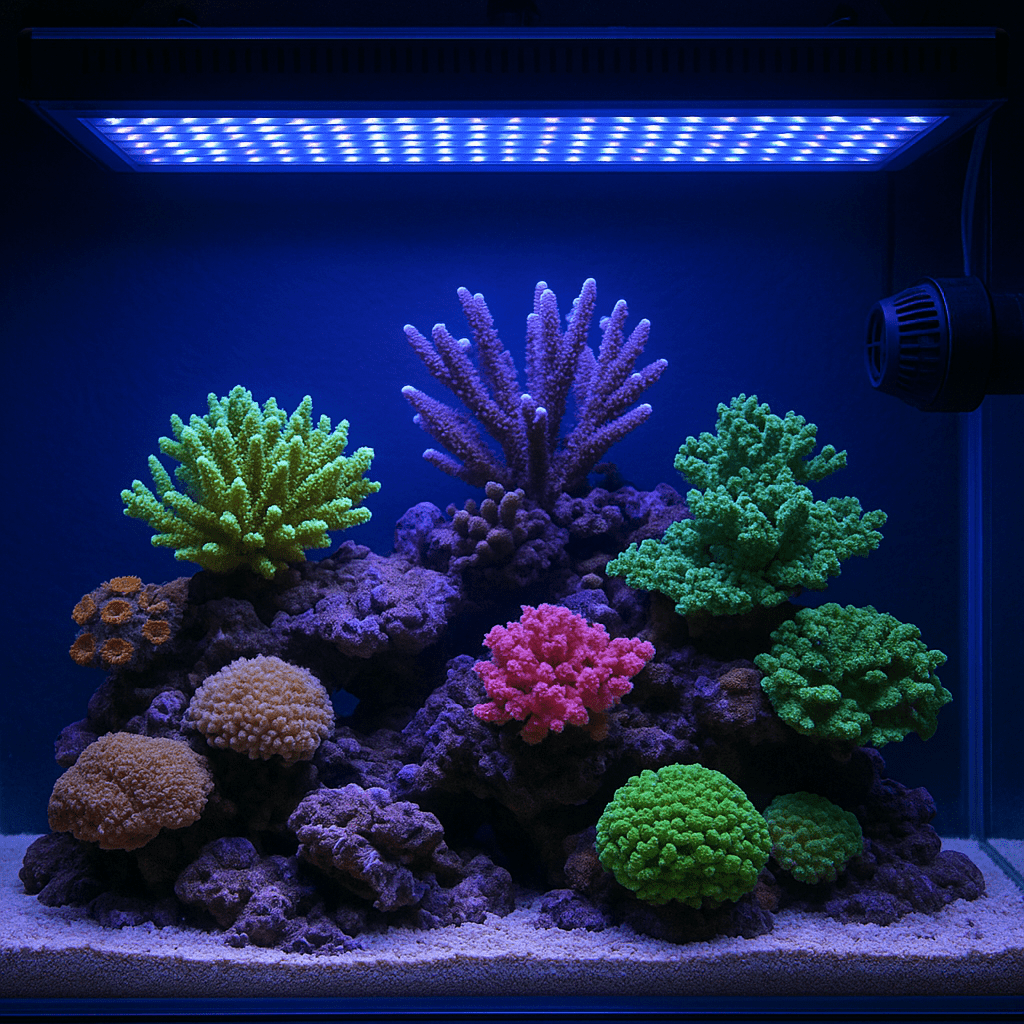
Best Filtration Systems
Best Filtration Systems for a Healthy Saltwater Aquarium Choosing the best filtration system for your saltwater aquarium is…
 By
By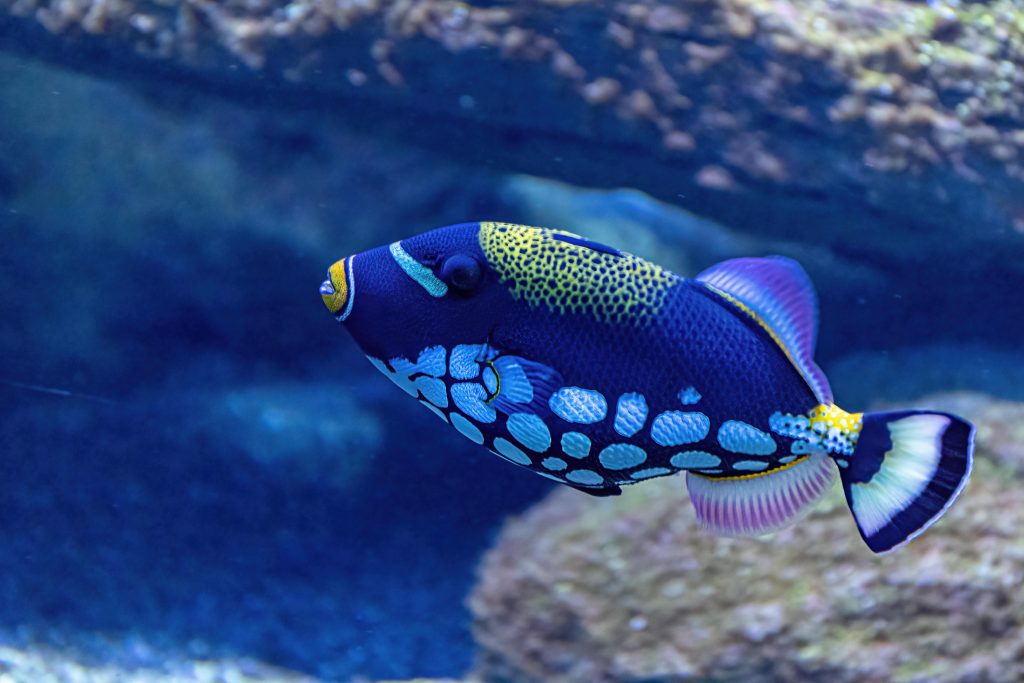
Clown Triggerfish (Balistoides Conspicillum)
Clown triggerfish are stunning but aggressive marine fish that need very large tanks, strong filtration, and careful tankmate…
[favorite_button]
My Bookmarks:
To see full list click here
[user_favorites user_id="" include_links="true" site_id="" post_types="" include_thumbnails="true" thumbnail_size="thumbnail" include_excerpt="false"]