LPS corals show stress early. That makes a simple checklist very useful. Healthy tissue, steady inflation, moderate flow, and stable chemistry are the big markers to watch. If you inspect these points each week, you can catch problems before a coral recedes, stops feeding, or develops brown jelly.
LPS corals are popular for good reason. They offer bold color, visible movement, and strong personality in a reef tank. Many are also beginner friendly. Still, they can decline fast when key conditions drift. This checklist helps you review the factors that matter most. You will learn how to judge polyp extension, tissue health, flow, lighting, feeding response, and placement. You will also learn which warning signs deserve quick action. Use this guide as a weekly inspection routine. It works well for acans, hammers, frogspawn, torches, brains, blastos, scolys, favias, and many other large polyp stony corals.
Quick Reference Table
| Checklist Item | Healthy Sign | Warning Sign | What To Do |
|---|---|---|---|
| Tissue | Full, even, attached to skeleton | Recession, tears, exposed skeleton | Check alkalinity, flow, pests, and injury |
| Polyp inflation | Normal daytime expansion | Stays shrunken for days | Review light, flow, and recent changes |
| Color | Stable, rich color | Bleaching or browning | Adjust light and nutrients slowly |
| Feeding response | Grabs food readily | No response for long periods | Test water and inspect at night |
| Flow | Gentle, indirect movement | Tissue whipping or detritus buildup | Reposition coral or pumps |
| Lighting | Consistent PAR and photoperiod | Sudden fading or retraction | Acclimate to new light gradually |
| Water chemistry | Stable alk, calcium, magnesium | Parameter swings | Correct slowly and improve dosing |
| Neighbor distance | Space from sweepers | Sting marks or tissue damage | Increase spacing after lights out check |
| Infection signs | Clean tissue and normal mucus | Brown jelly or foul slime | Isolate, dip, siphon, and improve flow |
Keep this table handy during tank maintenance. It turns a vague coral check into a repeatable routine.
How to Use This LPS Coral Health Checklist
Run this checklist once each week. Do a quick visual check daily. Weekly review is where trends become clear. Start with a full tank view. Then inspect each coral closely. Compare today with last week. Photos help a lot here. They reveal slow recession and subtle color shifts.
Check your corals both in daylight and after lights out. Many LPS corals extend feeder tentacles at night. This tells you a lot about feeding behavior and aggression range. Keep a simple log. Record alkalinity, calcium, magnesium, nitrate, phosphate, temperature, and salinity. Also note any recent changes. New lights, new pumps, large water changes, and new livestock often explain coral stress. A checklist works best when paired with stable habits. Avoid changing several things at once. That makes the true cause hard to identify.
1. Check Tissue Fullness and Recession
Tissue condition is the first thing to inspect. Healthy LPS tissue looks full and secure on the skeleton. It should not appear torn, peeling, or sharply withdrawn. Acan colonies should look puffy. Euphyllia should extend with visible flesh over the branch tips. Brains and scolys should show smooth inflation with no fresh white skeleton.
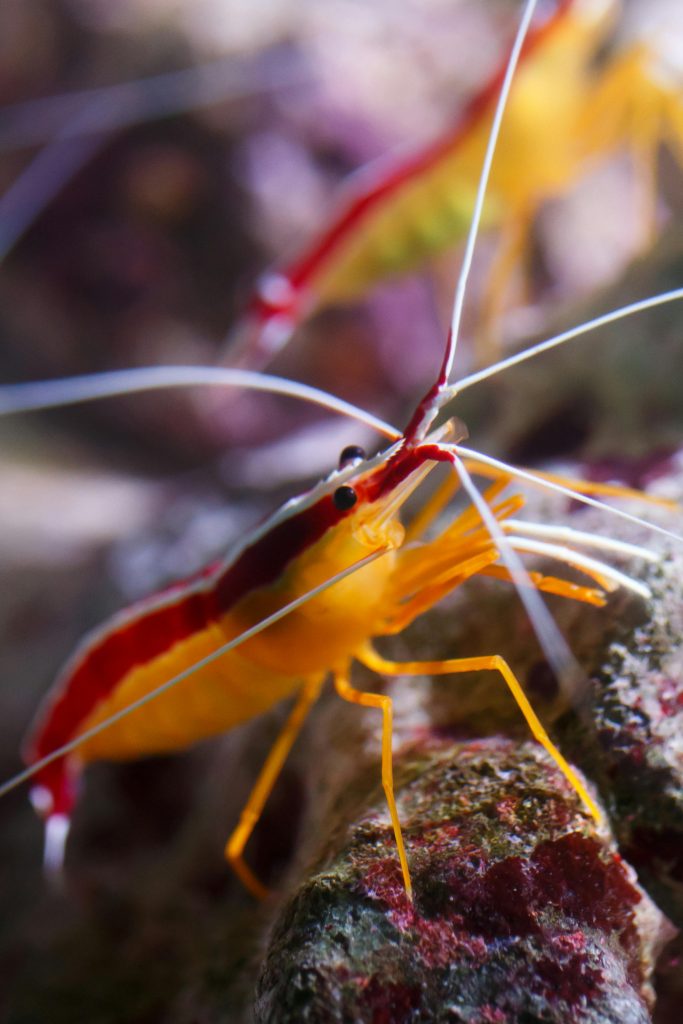
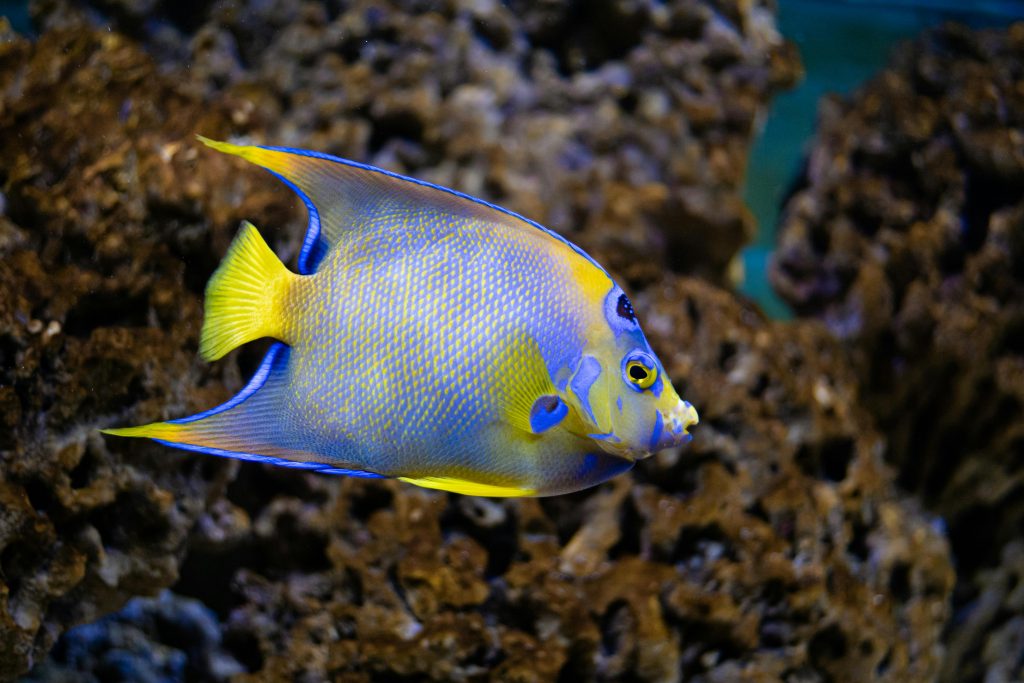
If you see recession, act quickly. Common causes include alkalinity swings, too much direct flow, stings from nearby corals, or sudden lighting changes. Fish and invertebrates can also irritate tissue. Peppermint shrimp, some crabs, and certain angelfish are common offenders. If only one side is damaged, suspect flow or aggression. If the whole coral is shrinking, suspect chemistry or light stress. Inspect the coral base too. Tissue loss often starts in hidden areas. For more on stable chemistry, see water parameter guide. For placement basics, review reef tank aquascaping tips.
2. Watch Polyp Inflation and Daily Extension
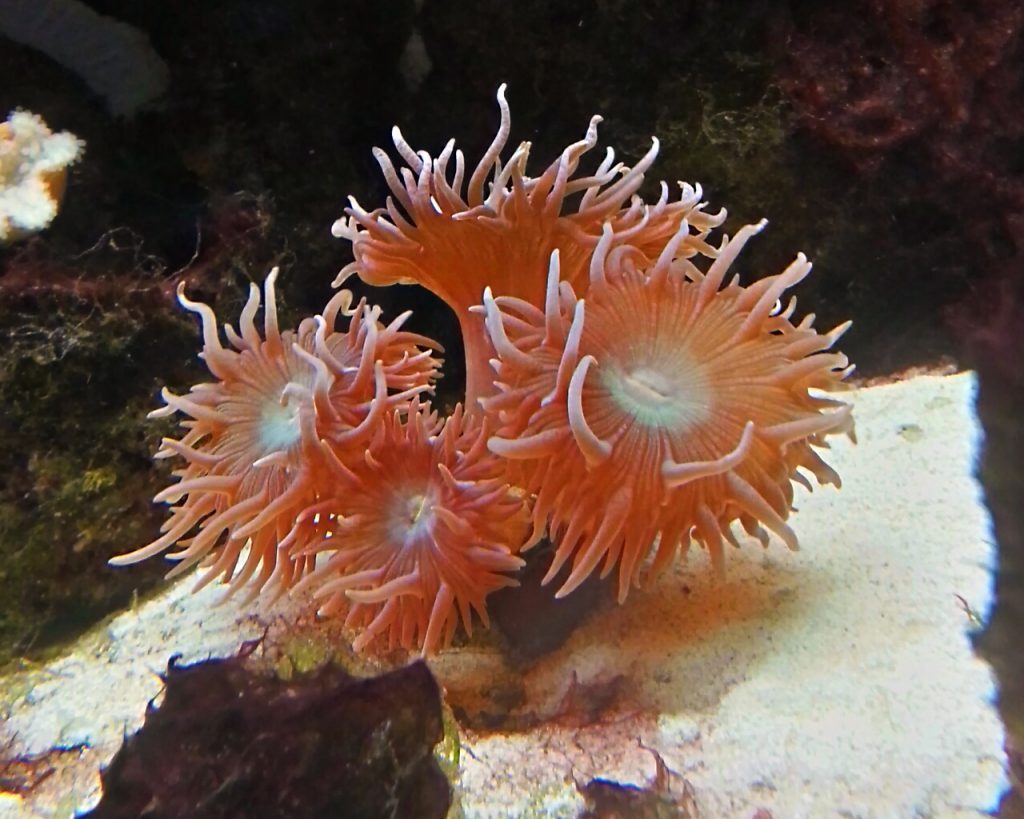
Every LPS coral has a normal daytime look. Learn that baseline. Hammers, frogspawn, and torches should sway with moderate extension. Acans and blastos should inflate enough to cover most of the skeleton. Favias may stay tighter by day, then expand feeders at night. A coral that stays deflated for several days is signaling trouble.
Look for patterns, not one-off moments. Corals may contract during feeding, maintenance, or after a fish brushes them. That is normal. Ongoing contraction is different. It often points to unstable alkalinity, excessive flow, or irritation from pests. Flatworms, vermetid snails, and nudibranchs can bother some species. If inflation drops after a new light schedule, reduce intensity or shorten the photoperiod. If only one coral is affected, move it to a lower stress area. If many LPS corals are unhappy at once, test the water before making placement changes.
3. Evaluate Color Without Chasing Perfection
Color is useful, but it needs context. Bright color does not always mean perfect health. Some corals look vivid under heavy blue light while still declining. Focus on stable, natural color over time. Bleaching means the coral is losing pigment or zooxanthellae. Browning often suggests excess nutrients, weak light, or both.
Make changes slowly. LPS corals dislike sudden jumps in PAR. Many do well in moderate light. Species vary, but a rough range of 50 to 150 PAR covers many common LPS placements. Torches often tolerate more. Scolys and some fleshy brains often prefer less. Use a PAR meter if possible. If not, acclimate carefully. Raise intensity in small steps over two to three weeks. If color fades after a lighting change, reduce intensity and watch for recovery. For help with spectrum and placement, read reef lighting basics.
4. Confirm Water Flow Is Gentle but Not Stagnant
Flow mistakes are common with LPS corals. Too much flow causes tissue whipping, poor extension, and recession on exposed edges. Too little flow allows detritus to settle between polyps and around the base. That can lead to irritation and infection. The goal is indirect, varied movement.
Watch how the coral moves. Euphyllia should sway, not snap. Fleshy brains should remain inflated without folding over from current. If debris collects on a coral, increase random flow nearby, not directly at the coral. If tissue is pushed hard to one side, reduce pump intensity or change the angle. Night checks matter here too. Sweepers can extend farther in low flow zones. That increases aggression risk. A small pump adjustment can solve weeks of coral stress. For broader circulation strategy, see reef tank flow guide.
5. Review Water Chemistry and Stability
Stable chemistry matters more than chasing exact numbers. LPS corals usually tolerate moderate nutrients better than many SPS corals. They still need consistency. Sudden alkalinity changes are especially risky. A safe target for many mixed reefs is alkalinity around 8 to 9 dKH, calcium 400 to 450 ppm, magnesium 1250 to 1400 ppm, salinity 1.025 to 1.026, and temperature 76 to 79 degrees Fahrenheit.
Nitrate and phosphate should not bottom out. Many LPS corals respond poorly to ultra-low nutrients. A practical range is nitrate around 5 to 15 ppm and phosphate around 0.03 to 0.10 ppm, though tanks vary. The key is avoiding sharp swings. Check dosing equipment often. Recalibrate dosers and refractometers. Test alkalinity more often than calcium if you suspect instability. Alkalinity usually reveals trouble first. Large corrections should be made slowly. Fast fixes often create a second problem. For more guidance, read reef tank cycling guide if your system is still young.
6. Check Feeding Response and Nutrient Input
Many LPS corals benefit from direct feeding, though not all require it. Acans, blastos, scolys, trachyphyllia, and many brains often show strong feeding responses. Euphyllia may feed too, but they rely heavily on light and dissolved nutrients. A healthy feeding response usually means the coral is comfortable.
Feed small portions once or twice weekly. Use mysis, finely chopped seafood, or quality coral foods. Turn off pumps briefly if needed. Avoid large chunks that rot in the mouth. If a coral spits food back out, the piece was likely too large or the coral is stressed. No feeding response at all can point to recent shipping stress, poor water quality, or infection. Do not force heavy feeding on a declining coral. Fix the environment first. Then resume light target feeding once tissue looks stable again.
7. Inspect for Aggression, Pests, and Physical Damage
LPS corals can be aggressive. Many extend sweeper tentacles at night. Favias, galaxea, and some euphyllia can sting nearby neighbors hard. Give each coral enough space. The safe distance depends on species, but more room is always better. Night inspection is the best way to judge true reach.
Also inspect for pests and irritation. Vermetid snail webs can annoy fleshy tissue. Aiptasia can sting and spread quickly. Bristleworms usually are not the cause, but they may gather on dying tissue. Fish can also be a problem. Some butterflyfish, angelfish, and even clownfish may harass LPS corals. Physical damage from falling rock is another common issue. If a coral was recently knocked over, look for torn tissue where infection may start. Quarantine and coral dips reduce many pest problems before they enter the display.
Common Problems
LPS coral is receding from the skeleton
Start with alkalinity and salinity. Those two issues are frequent causes. Then check flow direction and nearby stings. Recession on one edge often means too much current or coral warfare. Whole-colony recession often means unstable chemistry or infection. Move the coral only if placement is clearly wrong. Too many moves add stress.
LPS coral stays closed all day
Look for recent changes first. New lights, stronger pumps, dosing mistakes, or fresh carbon can all trigger contraction. Test water. Then inspect for fish nipping and vermetid webs. If the coral looks intact but irritated, reduce stress and give it time. Many LPS corals need several days to settle after change.
Brown jelly disease on LPS coral
Brown jelly is an emergency. Remove the affected coral if possible. Siphon away the brown mucus. Frag off healthy heads if the species allows it. Many hobbyists use an iodine or coral disinfectant dip. Increase indirect flow around the area. Watch nearby euphyllia and fleshy LPS closely for spread.
LPS coral is bleaching
Bleaching usually follows excess light, heat, or major stress. Reduce light intensity gradually. Confirm temperature stability. Check nutrient levels too. Corals under strong light with near-zero nutrients often bleach faster. Keep conditions calm and stable. Recovery takes time.
Step-by-Step Weekly LPS Inspection Routine
- View the tank from a distance. Look for any coral that stands out.
- Inspect each LPS coral for tissue recession and exposed skeleton.
- Check daytime inflation and compare with past photos.
- Test alkalinity, salinity, and temperature first.
- Review calcium, magnesium, nitrate, and phosphate.
- Watch flow around each coral for thirty seconds.
- Inspect for sweepers, pests, fish nipping, and vermetid webs.
- Feed a small amount to corals that normally respond.
- Log any changes in equipment, dosing, or livestock.
- Make one correction at a time and recheck in two days.
Frequently Asked Questions
How often should I check LPS coral health?
Do a quick visual check every day. Do a full checklist once each week. Test more often if your tank is new or unstable.
What is the most important factor for LPS coral health?
Stability is the top factor. Stable alkalinity, salinity, temperature, and flow prevent many common LPS problems.
Do all LPS corals need target feeding?
No. Many benefit from it, but not all require it. Good lighting, moderate nutrients, and stable conditions matter more.
Why is my torch coral shrinking?
Common causes include too much direct flow, alkalinity swings, infection, or irritation from nearby corals. Check those first.
Can LPS corals recover from recession?
Yes, many can recover if the cause is found early. Improve stability, reduce stress, and prevent infection from spreading.
Final Thoughts
A good LPS coral health checklist keeps reef keeping simple. You do not need to guess. You just need to observe the same markers every week. Watch tissue, inflation, color, flow, chemistry, feeding, and aggression. When something changes, respond calmly and slowly. Most LPS corals reward that patience with steady growth, stronger color, and better extension over time.
Was this helpful?
Related Posts
Choosing The Right Corals
Learn how to choose the right corals for your reef tank based on lighting, flow, tank size, and…
 By
ByNano Reef Stability Tips
Nano reef stability depends on consistency. Learn how to control salinity, nutrients, feeding, and maintenance in small reef…