

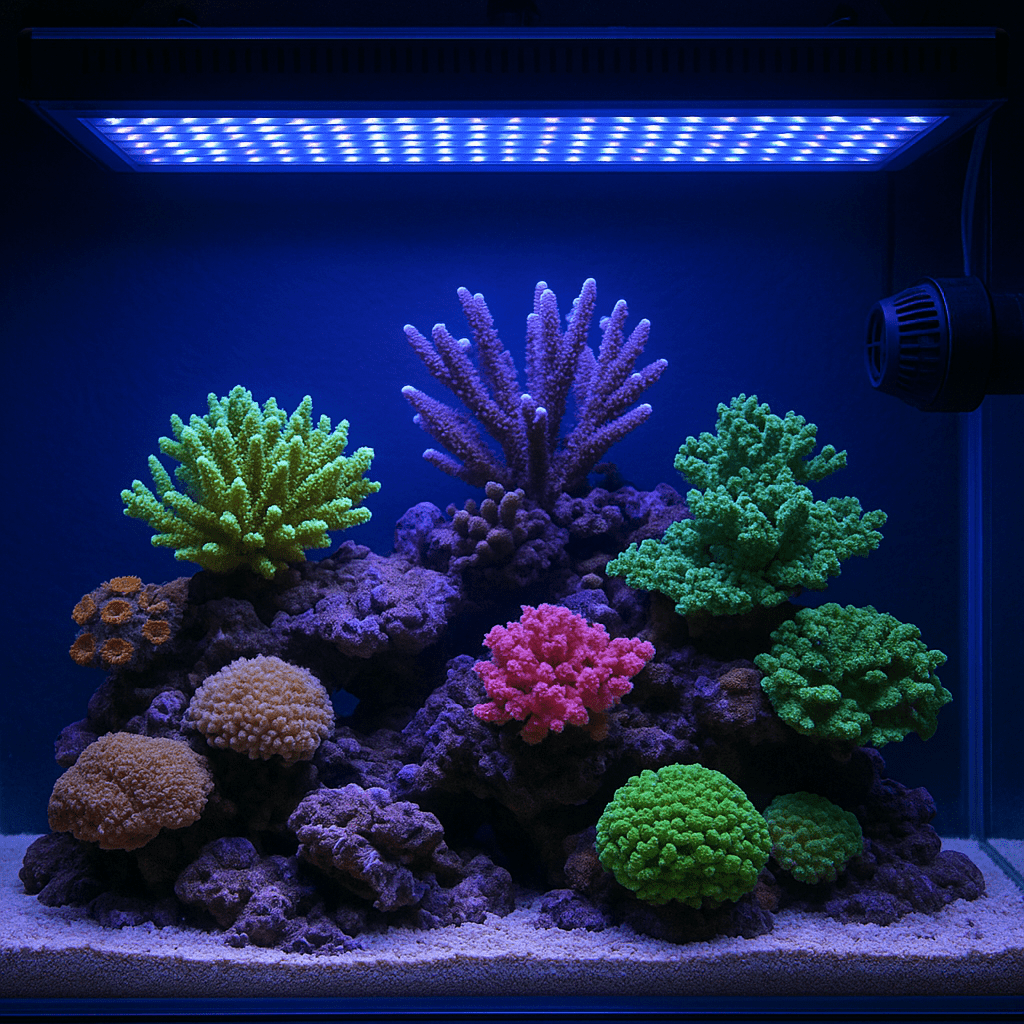
Nano reef stability comes down to controlling small changes before they become big problems. Keep salinity, temperature, alkalinity, and nutrients steady. Build simple routines. Choose livestock carefully. Small tanks can thrive when you focus on consistency instead of constant adjustment.
Nano reefs are exciting because they fit almost anywhere. They also show mistakes very quickly. A missed top off can raise salinity fast. A heavy feeding can spike nutrients in hours. That does not mean nano tanks are doomed. It means they reward disciplined reef keeping. In this guide, you will learn practical nano reef stability tips that work in real home aquariums. We will cover equipment, water chemistry, maintenance, livestock choices, feeding, and troubleshooting. If you want a small reef that looks great month after month, stability must be your main goal.
Quick Reference Table
| Area | Best Practice | Why It Matters |
|---|---|---|
| Tank size | 15 to 40 gallons is easier than under 10 gallons | More water volume resists sudden swings |
| Temperature | Keep 77 to 79°F | Prevents coral and fish stress |
| Salinity | Hold 1.025 to 1.026 specific gravity | Stable salinity supports coral health |
| Alkalinity | Keep consistent within your target range | Sudden changes can damage coral tissue |
| Top off | Use an ATO if possible | Reduces daily salinity swings |
| Water changes | Change 10 to 15% weekly | Replenishes trace elements and exports waste |
| Feeding | Feed lightly and consistently | Helps control nutrient spikes |
| Stocking | Add livestock slowly | Prevents biological overload |
Use this table as your baseline. Nano reefs do best when you avoid chasing numbers. Aim for stable ranges instead.
Why Nano Reefs Become Unstable So Fast
Water volume is the main reason. In a large reef, small mistakes get diluted. In a nano tank, the same mistake hits harder. One extra cube of frozen food can raise phosphate. One skipped top off can push salinity up. One faulty heater can swing temperature in a few hours.
Biological capacity is also limited. Nano reefs hold less rock, sand, and filtration media. That means less room for helpful bacteria. The system can process waste, but only within limits. Overfeeding and overstocking quickly push it past that limit.
The solution is not complicated. Keep the system simple. Reduce variables. Build repeatable habits. Test the parameters that matter most. Make small corrections. Large corrections often create a second problem. Stability in a nano reef is really about restraint. Do less, but do it on schedule.
Start With the Right Tank and Equipment
If you are planning a nano reef, choose the biggest nano you can fit. A 20 to 40 gallon tank is much easier than a 5 gallon pico. Extra water volume gives you more time to react. It also makes dosing and feeding less risky.
Use reliable equipment. A quality heater is essential. Many reef keepers also use a heater controller for extra safety. Strong but controllable flow helps prevent dead spots. A simple return pump and one small wavemaker often work well. Good lighting matters, but avoid blasting a new nano with excess intensity.
An auto top off system is one of the best upgrades for nano reef stability. Evaporation changes salinity every day. An ATO replaces fresh water automatically. That keeps salinity much steadier. A lid or mesh screen can also reduce evaporation and protect fish.
Keep filtration simple. Filter floss, a protein skimmer if appropriate, carbon, and live rock are enough for many nanos. Do not cram every media product into the back chamber. Too much equipment can create maintenance headaches.
Aquascaping for Better Stability
A stable aquascape supports stable water flow. Build rockwork that allows water to move around and through it. Avoid solid walls of rock. Those trap detritus and create low flow zones. Detritus buildup often leads to nitrate and phosphate issues.
Leave space between the rock and glass. This makes cleaning easier. It also improves circulation. Secure rocks well. A shifting rock can damage coral or crack glass. In a nano tank, every inch matters. Use that space wisely.
Think ahead about coral growth. Many beginners pack a nano reef too tightly on day one. Corals expand and compete. Aggression becomes a problem later. Give each coral room for growth and flow. Open layouts often look better and stay cleaner.
If you use sand, keep the bed shallow unless you have a specific plan. Deep beds in tiny tanks can trap waste if not managed well. A shallow sand bed is easier to siphon during water changes.
Keep Water Parameters Consistent
Consistency matters more than chasing a perfect number. Temperature should stay steady. Salinity should barely move. Alkalinity should not swing up and down from random dosing. Calcium and magnesium should support coral growth, but they do not need daily correction in every nano.
For many beginner nano reefs, weekly water changes handle most needs. That is especially true in soft coral and mixed reefs with low demand. As coral growth increases, alkalinity consumption rises. Then you may need dosing. Start only after you measure real demand. Guessing often causes instability.
Test alkalinity regularly. It is one of the best indicators of coral system stability. Test salinity with a calibrated refractometer or quality digital meter. Cheap hydrometers often mislead hobbyists. Check nitrate and phosphate too. Bottoming them out can be as harmful as letting them climb too high.
Make changes slowly. If salinity drifts, correct it over time. If alkalinity is low, raise it gradually. Fast swings stress corals more than slightly imperfect values.
Build a Maintenance Routine You Can Actually Keep
The best routine is the one you will follow every week. Nano reefs punish inconsistency. Daily checks should be quick. Look at temperature, equipment, coral polyp extension, and water level. Empty the skimmer cup if needed. Remove uneaten food. These small tasks prevent larger problems.
Weekly maintenance should include a water change, glass cleaning, filter floss replacement, and basic testing. Mix new saltwater fully. Match temperature and salinity before adding it. Sudden mismatches can shock livestock. Siphon detritus from low flow areas and the sand surface.
Monthly tasks may include pump cleaning, wavemaker inspection, and checking ATO sensors. Salt creep can affect performance. Dirty pumps reduce flow. Reduced flow leads to detritus buildup. Everything in a nano reef is connected.
Write your routine down. Use reminders if needed. Reef success often looks boring from the outside. That is a good sign. Stable tanks are built on repeated simple actions.
Feeding Without Causing Nutrient Swings
Overfeeding is one of the fastest ways to destabilize a nano reef. Small tanks hold little extra capacity. Feed small portions. Watch your fish eat. Remove excess food if it settles. Frozen foods should be thawed and strained when needed. This can reduce unnecessary nutrient input.
Feed fish once or twice daily in measured amounts. Corals may benefit from target feeding, but do not assume more food means faster growth. Heavy coral feeding often clouds the water and raises nutrients. Start lightly. Observe results. Adjust based on coral response and test data.
Choose fish that fit the tank and your feeding style. A pair of clownfish is easier to manage than several active fish in a tiny system. More fish means more waste. More waste means less stability. Keep the bio load modest.
If nutrients rise, do not stop feeding abruptly. That can stress fish and corals. Instead, reduce portion size, improve export, and increase maintenance. Stable correction works better than sudden restriction.
Best Livestock Choices for a Stable Nano Reef
Choose hardy livestock first. Soft corals, many LPS corals, and beginner fish are usually better than sensitive SPS in a fresh nano. Mushrooms, zoanthids, toadstools, and many Euphyllia can do well when the tank is mature and stable. Avoid adding demanding species before your routine is proven.
Stock slowly. Add one fish, then wait. Let the tank adjust. Watch nutrient trends and behavior. Fast stocking often causes ammonia stress, aggression, or disease outbreaks. Quarantine helps protect a small reef from avoidable fish losses.
Be careful with invertebrates too. Shrimp, snails, and small hermits can be useful, but they also add to the system. Avoid buying a huge cleanup crew for a new nano. They may starve once the early algae fades. Match the cleanup crew to the actual tank needs.
Coral placement matters. Give aggressive corals room. Keep stinging species from touching neighbors. In a nano reef, coral warfare starts sooner because space is limited.
Step-by-Step Plan to Improve Nano Reef Stability
- Check salinity accuracy with a calibrated tool.
- Install or maintain an auto top off system.
- Set a weekly water change schedule and keep it.
- Test alkalinity at the same time each week.
- Reduce feeding to measured portions.
- Clean filter floss and detritus traps often.
- Increase flow in dead spots if waste collects.
- Delay new livestock until parameters stay steady.
- Start dosing only after measuring real consumption.
- Record results in a log or app.
This plan works because it addresses the common causes of instability first. Most nano reef issues are not mysterious. They come from evaporation, overfeeding, neglect, or rushed corrections.
Common Problems
Why does salinity keep drifting in my nano reef?
Evaporation is the usual cause. Small tanks lose water quickly. Salt stays behind. That raises salinity. Use an ATO. Mark your sump or rear chamber water line. Check for fans, open tops, and dry room air that increase evaporation.
Why are my corals closed after a water change?
New saltwater may not match the tank. Temperature, salinity, and alkalinity differences are common triggers. Mix water fully. Heat it. Aerate it. Test it before use. Large water changes can also shock a nano reef. Smaller weekly changes are safer.
Why do nutrients swing so much?
Feeding inconsistency, dirty filtration, and oversized export are common reasons. If you run strong media and feed lightly, nutrients can bottom out. If you miss maintenance and feed heavily, they spike. Balance input and export. Change one thing at a time.
Why is algae taking over my nano tank?
Excess nutrients, long light periods, trapped detritus, and immature biology all contribute. Shorten the photoperiod if needed. Clean the tank manually. Improve flow. Feed less. Replace dirty floss often. Be patient with new tanks. Early algae phases are common.
Frequently Asked Questions
What is the easiest nano reef size to keep stable?
Usually 20 to 40 gallons. That range still feels compact, but it gives more buffer against mistakes.
How often should I do water changes on a nano reef?
Most nano reefs do well with 10 to 15 percent weekly. Heavier stocked tanks may need more attention.
Do nano reefs need dosing?
Not always. Many beginner nano reefs rely on water changes at first. Dose only after testing shows real demand.
Is an ATO necessary for a nano reef?
It is not mandatory, but it helps a lot. It is one of the best tools for salinity stability.
Can I keep SPS corals in a nano reef?
Yes, but only after the tank is mature and very stable. SPS corals react quickly to alkalinity and nutrient swings.
Final Thoughts
The best nano reef stability tips are simple. Keep your hands out of the tank. Keep your routine consistent. Keep livestock modest. Small reefs can be stunning and healthy for years. They just need steady care and fewer sudden changes. If you master stability, nearly every other part of reef keeping becomes easier.
Related reading: reef tank water change guide, best nano reef fish, reef tank alkalinity guide, how to lower phosphate in a reef tank, beginner soft corals.
Was this helpful?
Related Posts
Best Filtration Systems
Best Filtration Systems for a Healthy Saltwater Aquarium Choosing the best filtration system for your saltwater aquarium is…
 By
By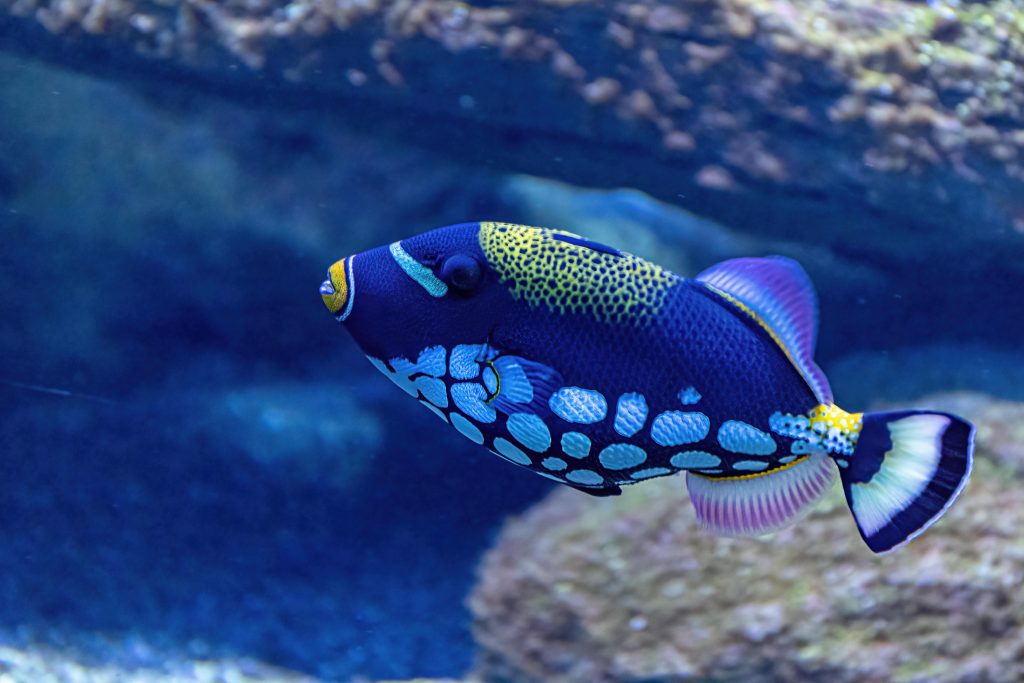
Clown Triggerfish (Balistoides Conspicillum)
Clown triggerfish are stunning but aggressive marine fish that need very large tanks, strong filtration, and careful tankmate…
[favorite_button]
My Bookmarks:
To see full list click here
[user_favorites user_id="" include_links="true" site_id="" post_types="" include_thumbnails="true" thumbnail_size="thumbnail" include_excerpt="false"]