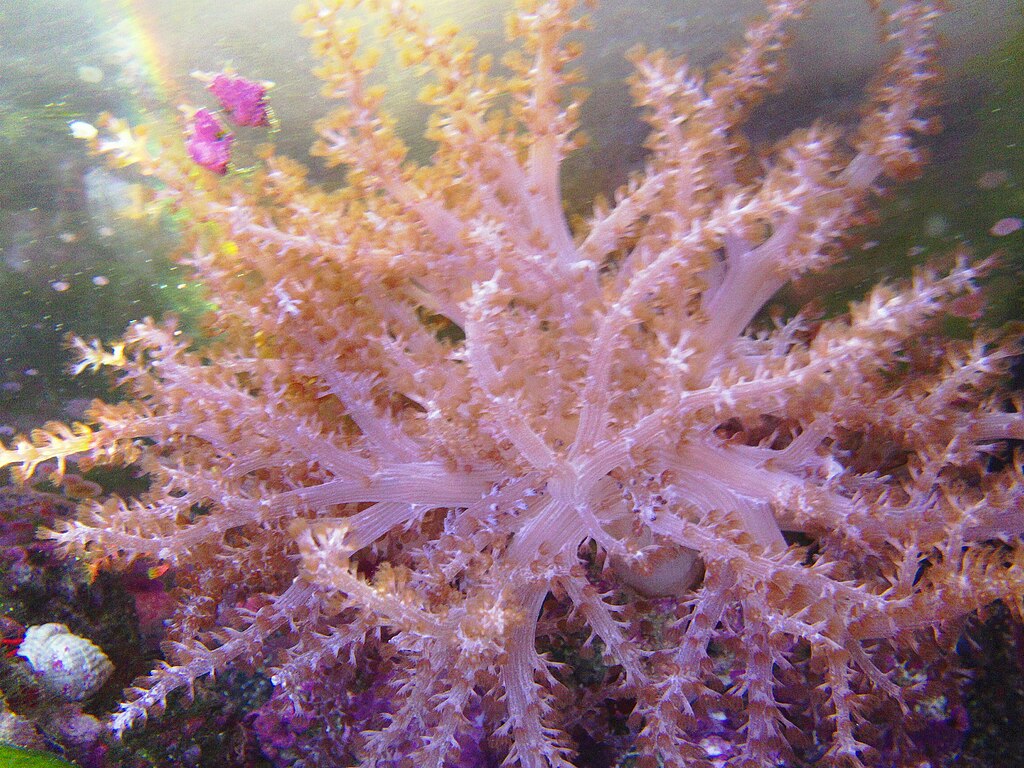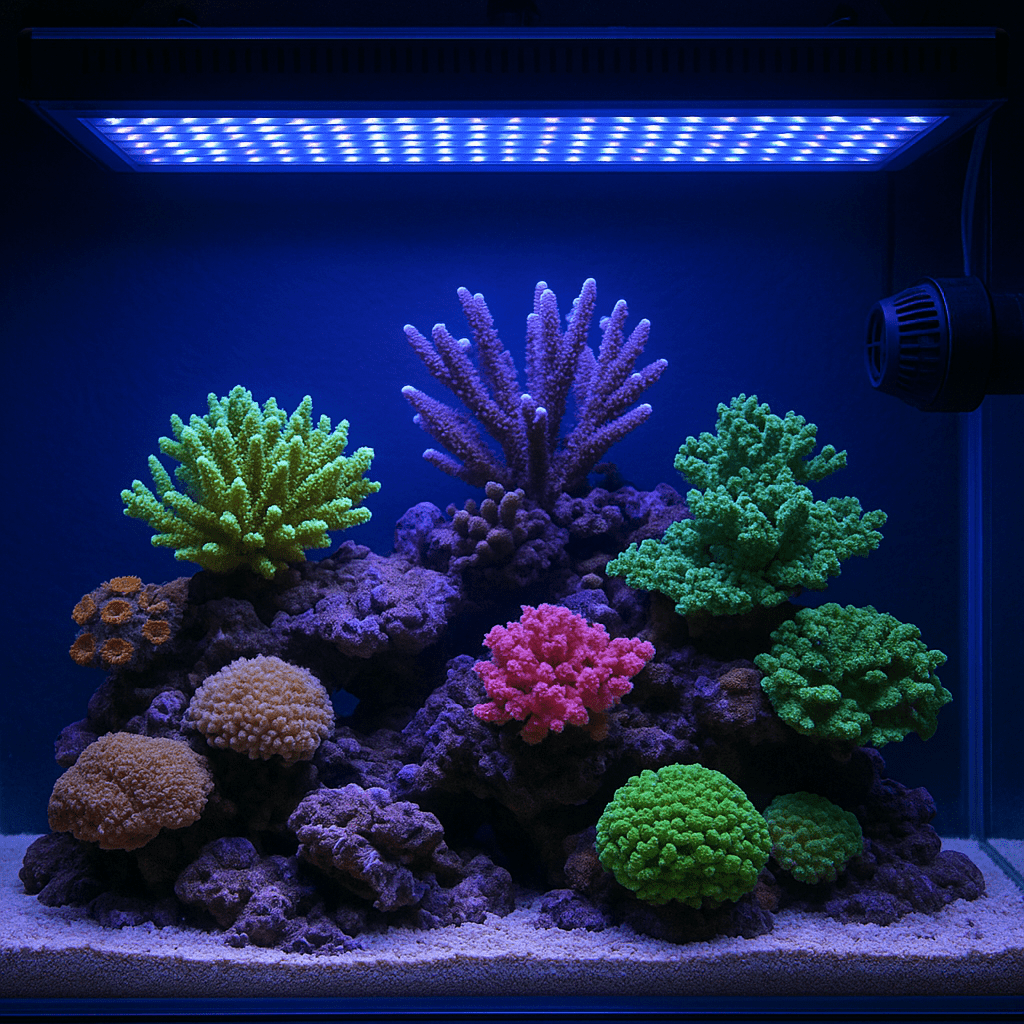
Aquaculture coral is coral grown in captivity, not collected from the ocean. It is usually preferred over wild-caught coral because it is hardier, more sustainable, and often adapts to reef aquariums faster. For most hobbyists, aquacultured coral offers better long-term success and lowers pressure on natural reefs.
If you are building a reef tank, you will see the terms aquaculture coral, mariculture coral, and wild coral often. These labels matter. They affect coral health, price, color stability, and survival in home aquariums. In this guide, you will learn what aquaculture coral means, how it differs from wild-collected coral, and why so many experienced reef keepers choose it first. We will also cover how to identify quality aquacultured frags, what to expect during acclimation, and when wild colonies may still appear in the trade.
Quick Reference Table
| Topic | Aquaculture Coral | Wild-caught Coral |
|---|---|---|
| Source | Grown in captivity from fragments or broodstock | Collected directly from natural reefs |
| Hardiness | Usually higher in aquariums | Often lower during adjustment |
| Pest Risk | Can still carry pests, but often lower from trusted growers | Often higher due to reef collection and shipping chain |
| Color Stability | Often stable under aquarium lighting | May brown or shift color after import |
| Environmental Impact | Lower when responsibly produced | Higher pressure on natural reefs |
| Price | Can be moderate to high | Can be cheaper for some colonies, costly for rare pieces |
| Best For | Beginners to advanced reef keepers | Usually better for experienced hobbyists |
What Is Aquaculture Coral?
Aquaculture coral is coral propagated under human care. It is grown in coral farms, greenhouse systems, commercial raceways, or hobbyist frag tanks. Most aquacultured corals start as small fragments, called frags, cut from healthy parent colonies. Those frags are then mounted and grown into new colonies.
In the reef hobby, aquaculture usually means one of two things. The first is fully tank-raised coral grown for multiple generations in captivity. The second is farmed coral grown from legally sourced broodstock. Both are different from a coral colony chipped directly from a natural reef and shipped to a store.
This matters because captive-grown coral already lives in conditions similar to your aquarium. It has adapted to artificial light, aquarium flow, prepared foods, and stable but unnatural reef conditions. That history often makes it more forgiving. For beginners, that can mean fewer losses and faster growth after placement.
How Aquaculture Coral Differs From Wild-caught Coral
Wild-caught coral comes from the ocean. Divers or collectors remove a colony from a reef, then it enters a long supply chain. It may pass through holding stations, exporters, importers, wholesalers, and retailers before reaching your tank. Each step adds stress.
Aquacultured coral follows a shorter and more controlled path. It is usually cut, healed, grown, and shipped from stable systems. That lowers handling stress. It also lowers the chance of severe tissue damage during transport.
Wild colonies can be beautiful. They may arrive as large show pieces with shapes you cannot get from a small frag. Still, they often struggle with aquarium adjustment. Many lose color after import. Some recede from the base. Others survive but never fully thrive.
Aquacultured pieces are usually smaller. Yet they often encrust, branch, and settle in faster. Over time, a healthy aquacultured frag can outgrow a stressed wild colony. That is a major reason many reef keepers now prefer frags over imported colonies.
Why Aquaculture Coral Is Usually Preferred
The biggest reason is survivability. Aquacultured coral is often more stable in reef tanks. It has already adapted to captive conditions. That means it may handle LED lighting, fluctuating nutrients, and common aquarium chemistry better than wild coral.
The second reason is sustainability. Every aquacultured frag sold can reduce demand for reef collection. That does not solve every conservation issue. Still, it helps shift the hobby toward renewable coral production. Responsible coral farming also creates value in preserving living broodstock.
The third reason is predictability. With aquacultured coral, you often know how the coral looks under aquarium lighting. Vendors can show healed frags, growth patterns, and lineage names. That gives buyers a clearer idea of what they are getting.
There is also a practical benefit. Aquacultured coral often heals from fragging before sale. If the frag is fully encrusted, it may start growing quickly after placement. For many hobbyists, that makes the extra cost worthwhile.
Natural Habitat and Why It Still Matters
Even aquacultured coral comes from wild species. That means natural habitat still matters. Stony corals, soft corals, and zoanthids all evolved under different light levels, flow patterns, and nutrient conditions. Knowing the original habitat helps you place and care for them correctly.
For example, Acropora often comes from high-light, high-flow reef zones. Many LPS corals come from lower-energy areas with indirect flow. Mushrooms and some zoanthids can tolerate lower light and gentler movement. A coral being aquacultured does not erase those biological needs.
It only means the coral has spent time adapting to captive life. You should still research each species. Match its placement to its natural growth form. Branching SPS need room and strong random flow. Fleshy LPS need space from aggressive neighbors. Good husbandry still matters more than labels alone.
How to Choose Good Aquacultured Coral
Not all aquacultured coral is equal. Start by looking for healed frags. A good frag usually has tissue grown over the cut area or onto the plug. Fresh cuts can survive, but healed pieces are safer for newer hobbyists.
Check for strong polyp extension when appropriate for the species. Look for even tissue coverage and no white recession at the base. Avoid corals with jelly-like tissue, exposed skeleton, or faded patches. Ask how long the frag has been cut. Ask what light and nutrient levels it was grown under.
Buy from trusted local stores, reef shows, or reputable online vendors. Good sellers quarantine, dip, and observe stock. They also provide realistic photos. Overedited images are a warning sign. If possible, choose frags grown in systems similar to yours. That often improves transition and color retention.
Aquarium Setup for Aquacultured Coral
Aquacultured coral can thrive in many reef tanks, but stable conditions matter most. Start with a mature aquarium. Very new tanks often swing in alkalinity, nutrients, and pH. Those swings stress coral, even hardy frags.
Use enough rock structure for placement options. Leave room for growth and future aggression. Keep strong corals away from delicate neighbors. Many LPS corals extend sweeper tentacles at night. SPS corals need open space for branching and flow.
Maintain stable salinity around 1.025 to 1.026. Keep temperature steady, usually 76 to 79 degrees Fahrenheit. Avoid chasing perfect numbers daily. Stability beats constant adjustment. For mixed reefs, many hobbyists aim for alkalinity around 8 to 9 dKH, calcium around 400 to 450 ppm, and magnesium around 1250 to 1400 ppm.
Nitrate and phosphate should not be zero. Corals need some nutrients. Extreme nutrient stripping often causes pale tissue and stalled growth. Balanced export and steady feeding usually work best.
Lighting Requirements
Lighting depends on the coral species, not just whether it is aquacultured. Still, aquacultured coral often handles aquarium lighting better because it has grown under LEDs, T5s, or hybrid fixtures already. That can make acclimation easier.
Start new corals lower than you think. Then move them slowly if needed. Sudden increases in PAR can bleach even hardy frags. Many soft corals and LPS do well in moderate light. Many SPS need moderate to high PAR once acclimated. Use a PAR meter when possible. It removes guesswork.
Watch the coral closely. Bleaching, retracted polyps, and tissue lightening can mean too much light. Browning can mean too little light, excess nutrients, or both. Make one change at a time. Fast lighting changes create stress and hide the real cause of problems.
Water Flow
Good water movement is essential for aquacultured coral. Flow brings oxygen, removes waste, and delivers food. It also prevents detritus from settling on tissue. Different corals need different patterns.
SPS corals usually prefer strong, random, turbulent flow. LPS corals often prefer moderate, indirect flow that moves the tissue gently. Soft corals vary, but many enjoy moderate movement. Avoid blasting any coral directly with a powerhead. That can strip tissue or keep polyps closed.
If a coral collects debris, increase indirect flow. If tissue looks whipped or torn, reduce direct flow. Observe the coral during day and night. Some species extend feeders after lights out. Flow should support that behavior without causing damage.
Feeding
Many corals get energy from zooxanthellae, but feeding still helps. Aquacultured coral often responds well to regular nutrition because it has been raised in captive systems with dissolved nutrients and suspended foods.
Feed according to coral type. LPS corals often accept mysis, reef roids, or other fine meaty foods. Some soft corals benefit from broadcast feeding. SPS corals usually rely more on light and water quality, but they still benefit from amino acids and fine particulate foods in some systems.
Do not overfeed. Heavy feeding without export raises nitrate and phosphate too quickly. Start small. Feed once or twice weekly and monitor response. Better color, polyp extension, and growth tips are good signs. Brown film algae and rising nutrients mean you need less food or better filtration.
Compatibility With Fish, Corals, and Invertebrates
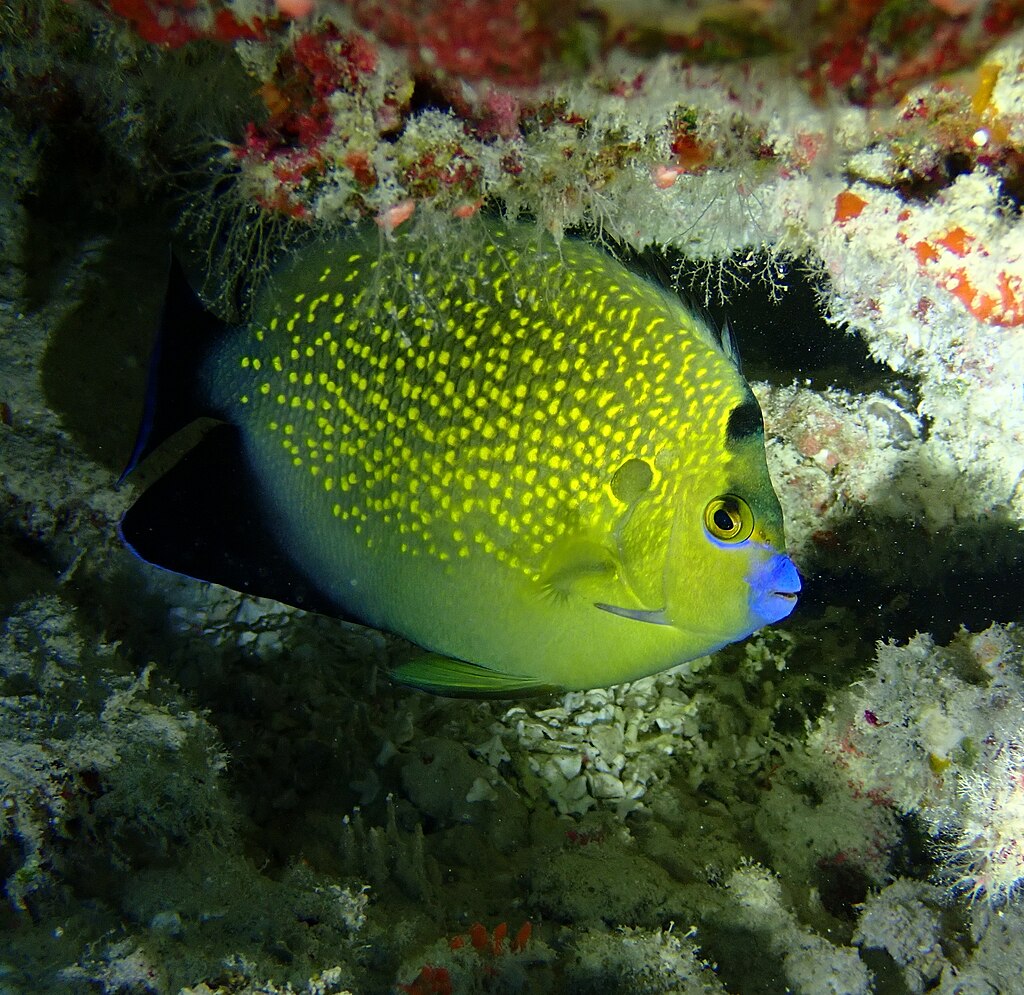
Aquacultured coral is not automatically safer with tankmates. Compatibility still depends on the species. Some fish nip at polyps. Angelfish, some butterflies, and even certain wrasses can irritate corals. Crabs and shrimp may also pick at stressed tissue.
Coral-to-coral aggression is another issue. Euphyllia, Galaxea, chalices, and some favias can sting nearby corals. SPS can also wage slow chemical and physical warfare. Leave space. Plan for growth. A small frag can become a large colony within a year under strong conditions.
Invertebrates like snails, cleaner shrimp, and most reef-safe hermits are usually fine. Still, any animal may bother a coral if food is present. Observe after target feeding. If a shrimp steals food constantly, use a feeding dome or feed the shrimp first.
Step-by-Step: How to Acclimate Aquacultured Coral
Acclimation should be calm and consistent. Rushing often causes avoidable losses.
- Inspect the coral bag for damage, pests, and loose tissue.
- Float the bag briefly if temperature differs a lot.
- Prepare a separate dip container with tank water.
- Dip the coral using a reef-safe coral dip as directed.
- Rinse in clean tank water after the dip.
- Inspect for flatworms, nudibranchs, eggs, and algae.
- Place the coral in lower light at first.
- Start with moderate, indirect flow.
- Wait several days before moving it higher.
- Monitor tissue, color, and polyp extension daily.
If you have a quarantine system for coral, use it. Coral pests spread easily. A short observation period can save your display tank from major trouble later.
Propagation and Fragging
Why Aquacultured Coral Is Easy to Propagate
One major advantage of aquacultured coral is renewability. Healthy colonies can be fragged repeatedly. This creates more coral without taking new pieces from the ocean. It also lets hobbyists trade and preserve strains over time.
Basic Fragging Tips
Use clean tools. Cut only healthy tissue. Frag SPS with bone cutters or a coral saw. Cut soft corals with a sharp blade. Mount frags securely and give them time to heal in moderate flow. Do not frag stressed coral. Wait until it is growing and stable first.
Common Problems
Why Is My Aquacultured Coral Losing Color?
The most common causes are lighting shock, unstable alkalinity, and nutrient imbalance. New frags often lighten when moved into stronger light. Lower the coral or reduce intensity. Check alkalinity stability over several days. Also test nitrate and phosphate. Corals often fade in ultra-low nutrient systems.
Why Are the Polyps Staying Closed?
Closed polyps can mean stress from shipping, pests, excess flow, or fish irritation. Inspect for flatworms, nudibranchs, and bite marks. Review recent changes in light, salinity, and temperature. Some corals need several days to open fully after shipping.
Why Is Tissue Receding From the Base?
Base recession often points to unstable parameters, poor flow, or bacterial stress. For SPS, low flow around the base is common. Improve random movement and verify alkalinity consistency. Sudden nutrient drops can also trigger recession.
Can Aquacultured Coral Still Have Pests?
Yes. Aquacultured coral is safer, not sterile. It can still carry algae, aiptasia, flatworms, red bugs, nudibranchs, and eggs. Always dip and inspect new corals. Quarantine is even better.
Frequently Asked Questions
Is aquaculture coral better for beginners?
Usually, yes. It is often hardier and adjusts faster to aquarium life. Beginners still need stable water and proper placement.
Is aquacultured coral the same as maricultured coral?
No. Aquacultured coral is grown in captivity. Maricultured coral is farmed in the ocean on racks or bases, then harvested later.
Why does aquacultured coral cost more?
It takes time, space, labor, and stable systems to grow coral well. You are paying for survivability and controlled production.
Can aquacultured coral grow faster than wild coral?
Often, yes. Once settled, many aquacultured frags grow faster because they are already adapted to captive conditions.
Should I only buy aquacultured coral?
For most hobbyists, it is the best first choice. Still, some responsibly sourced corals in the trade may be worthwhile for advanced keepers.
Final Thoughts
Aquaculture coral has changed the reef hobby for the better. It gives hobbyists stronger, more adaptable corals. It also supports a more sustainable path for reef keeping. While wild colonies still attract attention, aquacultured coral usually offers better odds of success at home. If you want a reef tank that grows steadily and responsibly, aquacultured frags are often the smartest place to start.
For more help, see our guides on reef tank parameters, coral dipping guide, best beginner corals, and how to acclimate coral.
Was this helpful?
Related Posts
Asfur Angelfish (Pomacanthus Asfur)
Asfur Angelfish are stunning but demanding marine fish that need a large tank, varied diet, and careful tankmate…
 By
By
Condy Anemones
Condy anemones can thrive with stable water, safe flow, and moderate light. Learn placement, feeding, and troubleshooting for…