
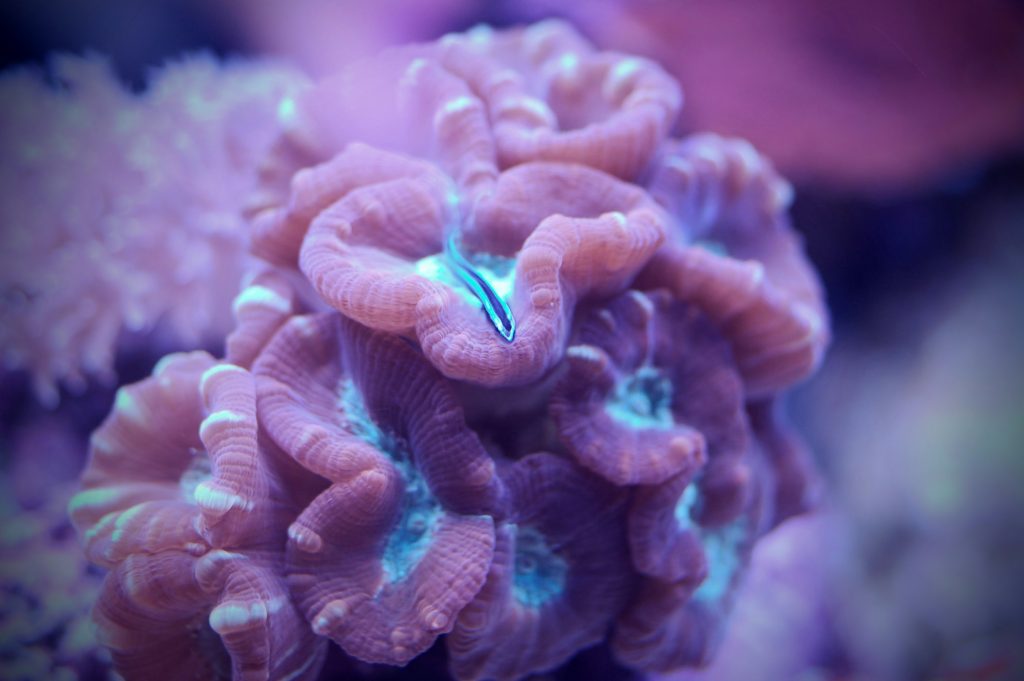
Candy cane corals are hardy LPS corals. They suit many beginner reef tanks. Give them stable water, moderate light, and gentle to moderate flow. Feed them occasionally for faster growth. With good placement and stable chemistry, they usually expand well and show strong color.
If you want an easy coral with bold color and clear care needs, candy cane corals are a great choice. These corals, often sold as Caulastrea, are forgiving compared with many stony corals. They tolerate a range of reef conditions when those conditions stay stable. In this guide, you will learn how to place them, what to feed them, how much light they need, and how to solve common problems like recession, poor polyp extension, and slow growth.
Quick Reference Table
| Common name | Candy cane coral, trumpet coral |
| Scientific group | Caulastrea spp. |
| Care level | Easy to moderate |
| Temperament | Peaceful, but has short sweeper tentacles |
| Lighting | Low to moderate |
| Water flow | Low to moderate, indirect |
| Placement | Lower to middle rockwork |
| Diet | Photosynthesis plus meaty foods |
| Growth rate | Moderate under stable conditions |
| Ideal temperature | 76–79°F |
| Salinity | 1.025–1.026 specific gravity |
| Alkalinity | 8–9 dKH |
| Calcium | 400–450 ppm |
| Magnesium | 1250–1400 ppm |
| Nitrate | 5–15 ppm |
| Phosphate | 0.03–0.10 ppm |
Use this table as a starting point. Stable numbers matter more than chasing exact values. Candy cane corals often struggle in tanks with rapid swings. They usually do better in mature aquariums with predictable daily conditions.
What Is a Candy Cane Coral?
Candy cane corals belong to the genus Caulastrea. Many hobbyists also call them trumpet corals. They form fleshy polyps on branching stony skeletons. Each head looks round and inflated when healthy. Many have bright green centers. Others show teal, blue, brown, or striped patterns.
These corals are large polyp stony corals, or LPS. That means they build a hard calcium skeleton but have soft, fleshy tissue over it. They are popular because they combine strong color with simple care. They also grow in a tidy branching form. This makes them easy to place in mixed reefs.
Beginners often choose candy cane corals as an early LPS species. They usually adapt well after acclimation. They also give clear feedback. Puffy tissue and feeding response suggest good health. Tight, receded tissue often points to stress.
Natural Habitat
Caulastrea corals occur across parts of the Indo-Pacific. They are found on protected reef slopes and lagoons. In nature, they often live where light is moderate rather than extreme. Water movement is present but not harsh. This helps explain their aquarium preferences.
Wild colonies usually sit in stable marine conditions. Temperature, salinity, and alkalinity do not swing much on healthy reefs. In the home aquarium, many problems start when hobbyists overlook this point. Candy cane corals can handle moderate nutrient levels. They do not handle instability well.
Their fleshy tissue and inflated polyps help them capture food from the water. Like many reef corals, they also host zooxanthellae. These symbiotic algae provide energy through photosynthesis. That is why light matters, but feeding still helps. A balanced approach usually gives the best growth and color.
Aquarium Setup
Candy cane corals do not need a huge tank. They can thrive in nano reefs and larger systems. Still, bigger tanks are often more stable. Stability makes care easier. A mature tank of at least 20 gallons is a practical starting point.
Place the coral on the lower or middle rockwork first. This reduces light shock. It also lets you watch tissue expansion before moving it higher. Leave room around the colony. Candy cane corals have short sweeper tentacles at night. They are not the most aggressive LPS, but they can sting nearby corals.
Aquascaping should support gentle, indirect flow. Avoid dead spots with detritus buildup. Also avoid narrow channels with blasting current. Keep the colony secure. Falling frags can damage tissue against the sharp skeleton. If you are building a mixed reef, review reef tank aquascaping tips before final placement.
Lighting Requirements
Candy cane corals prefer low to moderate light. In many tanks, a PAR range of about 50 to 150 works well. Some established colonies adapt to slightly higher light. Sudden increases are risky. Too much light can cause tissue contraction, pale color, or slow decline.
Start new frags lower in the tank. Then observe them for one to two weeks. Healthy signs include daytime inflation, visible feeder response, and stable color. If the coral stretches upward, light may be too low. If tissue stays tight and faded, light may be too strong.
Acclimate carefully when changing fixtures. LED upgrades often cause problems because output looks dimmer than it is. Use a reduced schedule or acclimation mode. Raise intensity slowly over several weeks. If you are still dialing in your system, our reef lighting guide can help you match coral placement to PAR zones.
Water Flow
Moderate, indirect flow is ideal. The tissue should move slightly. It should not whip around. Strong direct flow can tear fleshy tissue over time. It can also prevent the coral from expanding fully. Very low flow can lead to detritus settling between heads.
A good test is simple. Watch the polyps during the day. If they stay inflated and gently sway, flow is close. If one side remains shrunken, current may be hitting that side too hard. If debris collects around the base, increase random flow slightly.
Flow affects feeding too. During target feeding, turn pumps down for a few minutes. This gives the coral time to grab food. Resume normal circulation after the food is accepted. Stable, varied flow patterns usually work better than a constant direct stream.
Water Chemistry and Stability
Candy cane corals need stable reef chemistry. Alkalinity is especially important. Sudden alkalinity swings often cause tissue recession in LPS corals. Keep alkalinity in a steady range, ideally around 8 to 9 dKH. Avoid big corrections unless you confirm test results first.
Calcium and magnesium support skeleton growth. Keep calcium around 400 to 450 ppm. Keep magnesium around 1250 to 1400 ppm. Salinity should stay near natural seawater. Temperature should remain consistent every day. Nitrate and phosphate should not be stripped to zero. Ultra-low nutrients often reduce color and feeding response.
Test regularly, but avoid chasing numbers. Trends matter more than single readings. If you are learning the basics, read our reef tank water parameters article for a simple framework. Good husbandry, strong export, and consistent supplementation usually matter more than expensive equipment.
Feeding
Candy cane corals get much of their energy from light. They still benefit from feeding. Occasional target feeding often improves growth and polyp fullness. It can also help recently stressed frags recover. Feed after lights dim or when feeder tentacles appear.
Offer small meaty foods. Good options include mysis shrimp, finely chopped seafood, reef roids, and other coral foods. Use a turkey baster or feeding pipette. Gently place food onto each head. Wait for the polyp to close around it. Avoid oversized pieces. Large food can be dropped or rot on the tissue.
Feed one to three times per week. More is not always better. Heavy feeding can raise nutrients fast. Watch your filtration and nutrient export. If your tank already runs rich, feed less often. For broader coral nutrition strategies, see best coral food for reef tanks.
Compatibility
Candy cane corals are generally peaceful in mixed reefs. They can live with many soft corals, LPS, and fish. Still, give them personal space. Their sweeper tentacles are short, but they can still sting nearby neighbors. Avoid placing them close to aggressive corals like galaxea or some euphyllia colonies.
Most reef-safe fish ignore them. Problems usually come from coral nippers. Some angelfish, butterflyfish, and large crabs may pick at fleshy tissue. Peppermint shrimp can also become opportunistic if underfed. Keep an eye on new livestock after lights out.
They mix well with cleaner crews and many community fish. Just avoid unstable sand placement where burrowing animals can topple frags. If a candy cane stays closed after adding a fish or invertebrate, suspect irritation first. Nighttime observation often reveals the cause.
Step-by-Step Placement and Acclimation
Successful candy cane coral care starts with a calm introduction. Follow these steps for the best chance of quick recovery and steady growth.
- Inspect the coral before purchase. Look for full tissue and clean skeleton edges.
- Dip the coral if needed. Follow coral dip directions carefully.
- Match temperature and salinity slowly. Avoid rushed acclimation.
- Start the coral low in the tank. Use shaded or moderate light zones.
- Provide indirect flow. Do not blast the heads directly.
- Observe for one week. Look for inflation and feeding response.
- Move slightly higher only if needed. Make small changes.
- Begin light feeding after the coral settles. Feed small portions.
This slow approach prevents two common mistakes. The first is light shock. The second is flow stress. Most new candy cane problems trace back to one of those issues.
Propagation and Fragging
When to Frag
Frag only healthy colonies. Wait until the coral shows steady growth and full expansion. A stressed or receding colony should not be cut. Recovery takes energy. Fragging too early often worsens tissue loss.
How to Frag Candy Cane Coral
Candy cane corals are among the easier LPS corals to frag. Each head sits on a branching skeleton. Use bone cutters or a rotary tool to cut the branch between heads. Avoid cutting through fleshy tissue. Make a clean cut below the polyp whenever possible.
Aftercare for Fresh Frags
Place fresh frags in low to moderate light and gentle flow. Let the cut heal before moving them into stronger conditions. Watch for brown jelly, tissue damage, or infection. Stable water and low stress are the best medicine after fragging.
Common Problems
Why Is My Candy Cane Coral Not Opening?
The most common causes are recent placement stress, too much flow, light shock, or unstable alkalinity. Check for pests and nighttime nipping too. Start by reviewing recent changes. If you moved lights, changed pumps, or adjusted dosing, that is your first clue.
Why Is the Tissue Receding?
Tissue recession often points to alkalinity swings, physical damage, strong direct flow, or bacterial issues. Inspect exposed skeleton closely. If recession is spreading fast, isolate the coral, improve stability, and consider a dip if infection is suspected.
Why Has the Color Faded?
Fading usually comes from excessive light or very low nutrients. Move the coral lower if PAR is high. Confirm nitrate and phosphate are not bottomed out. Pale tissue with tight polyps often suggests too much light.
Why Is Growth Slow?
Slow growth is common in new tanks. It also happens when calcium, alkalinity, or magnesium stay low. Low feeding frequency can play a role too. Focus on stability first. Then add light feeding and confirm your major elements remain in range.
Frequently Asked Questions
Are candy cane corals good for beginners?
Yes. They are one of the better beginner LPS corals. They are hardy when placed correctly and kept in stable water.
How often should I feed a candy cane coral?
Feed one to three times per week if you want faster growth. They can survive without target feeding under good lighting.
Can candy cane corals live in low light?
Yes. They usually do well in low to moderate light. Very dim light may reduce growth over time.
How fast do candy cane corals grow?
Growth is usually moderate. Healthy colonies can add new heads steadily with stable chemistry and occasional feeding.
Do candy cane corals sting other corals?
They can. Their sweeper tentacles are short, but they still need space from nearby corals, especially other LPS species.
Candy cane corals reward patience. They do not need extreme light or complicated feeding plans. They need stable water, smart placement, and time. If you provide those basics, they usually become one of the most reliable and attractive corals in a mixed reef.
Was this helpful?
Related Posts
Best Filtration Systems
Best Filtration Systems for a Healthy Saltwater Aquarium Choosing the best filtration system for your saltwater aquarium is…
 By
By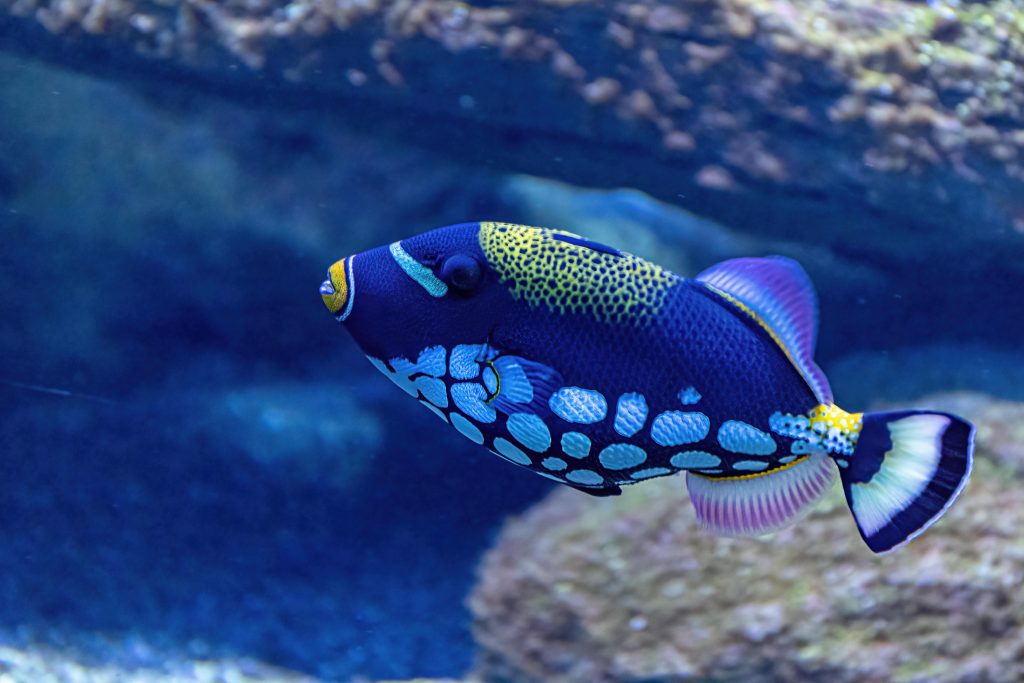
Clown Triggerfish (Balistoides Conspicillum)
Clown triggerfish are stunning but aggressive marine fish that need very large tanks, strong filtration, and careful tankmate…
[favorite_button]
My Bookmarks:
To see full list click here
[user_favorites user_id="" include_links="true" site_id="" post_types="" include_thumbnails="true" thumbnail_size="thumbnail" include_excerpt="false"]