Introduction to Choosing Live Rock For Reef Tanks
Choosing live rock for reef tanks is a crucial decision for any marine aquarist. Live rock not only serves as a natural habitat for your aquatic life but also plays a vital role in maintaining water quality through biological filtration. In this guide, we will explore the benefits of live rock, how to select the right type, and tips for integrating it into your reef tank.
Benefits of Live Rock
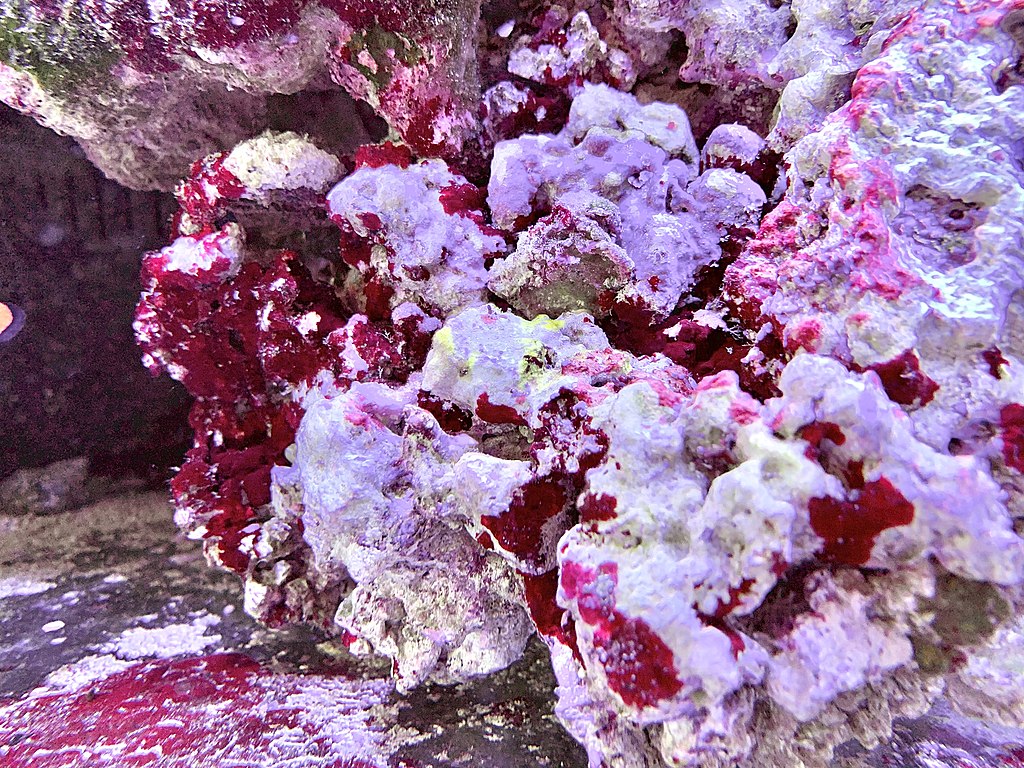
Live rock is often considered the backbone of a reef aquarium due to its numerous advantages:
- Biological Filtration: Live rock contains beneficial bacteria that help break down waste, thus maintaining a healthy environment.
- Habitat for Marine Life: It provides hiding spots and surfaces for corals and other marine organisms to attach and thrive.
- Aesthetic Appeal: The organic shapes and colors of live rock enhance the visual appeal of your aquarium.
Using live rock can significantly reduce the need for mechanical filtration and chemical additives, making it an essential choice for a thriving reef ecosystem.
Selecting the Right Live Rock
When selecting live rock for your reef tank, consider the following factors:
- Type of Live Rock: There are various types of live rock available, including Fiji, Tonga, and Marco rock. Each type has unique characteristics that can affect your tank’s aesthetics and biological filtration.
- Quality: Look for rock that is dense and has a variety of shapes and sizes. Avoid rock that appears overly dry or has an unpleasant odor.
- Source: Purchase live rock from reputable suppliers to ensure you are getting quality, pest-free rock.
As you explore your options, you might also want to check out different types of live rock and maintenance tips for your aquarium to enhance your knowledge.
Integrating Live Rock into Your Reef Tank
Once you’ve selected your live rock, it’s time to integrate it into your reef tank:
- Preparation: Rinse the live rock in saltwater to remove any debris before placing it in your tank.
- Placement: Arrange the rock in a way that allows for good water flow and creates hiding spots for fish and coral. Avoid stacking it too high to prevent any collapse.
- Monitoring: After introducing live rock, monitor your water parameters closely for the first few weeks to ensure stability.
Remember, the arrangement of your live rock can significantly influence the overall success of your reef tank.
Conclusion
Choosing live rock for reef tanks is a rewarding aspect of the aquarium hobby that requires careful consideration. By understanding the benefits, selecting the right type, and properly integrating it into your setup, you can create a vibrant and healthy marine environment. Happy aquascaping!
Sources
– Aquarium Care Guide, 2023
– Marine Aquarist Journal, 2023
– Reef Tank Essentials, 2023
Was this helpful?
Related Posts
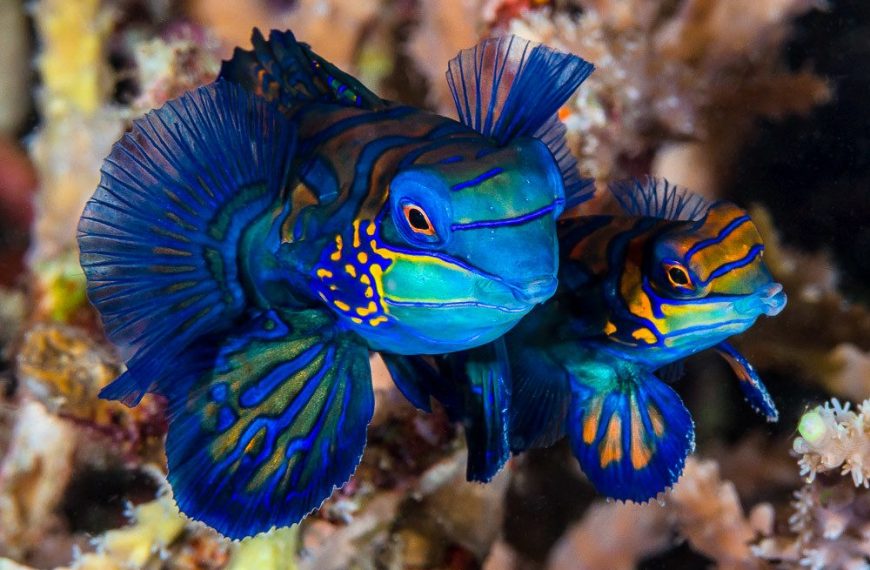
Dragonets Fish Care
Dragonets are beautiful reef fish, but they need mature tanks and steady food sources. Learn how to keep…
 By
By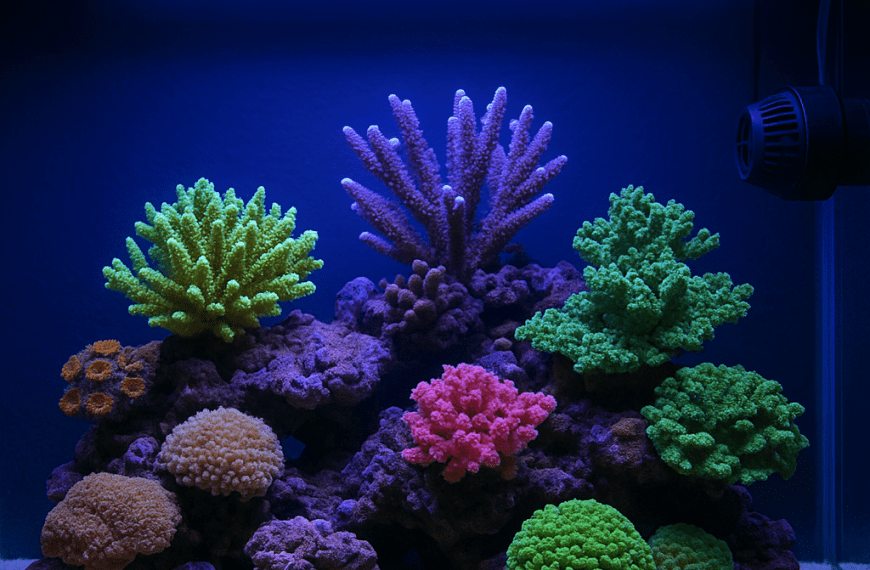
Lighting For Aquarium
Lighting for Aquarium: Getting Saltwater Illumination Right Lighting for a saltwater aquarium is about much more than simply…