Starting a reef tank feels exciting and overwhelming. A simple checklist keeps you focused. It also prevents costly mistakes.
Section 1: Plan the tank and life support
Pick a tank size that matches your goals. A 20–40 gallon tank suits soft corals. A 60–90 gallon tank adds stability for mixed reefs. Place the tank on a level stand. Keep it away from windows and heaters.
Choose a sump if you can fit one. Aim for 20–40% of display volume. Add a protein skimmer rated for 1.5–2x your total water volume. Use filter socks or a roller for mechanical filtration. Plan easy access for cleaning.
Flow matters as much as filtration. Target 20–40x display turnover per hour. Use two pumps for crossflow and backup. For a 40-gallon tank, aim for 800–1,600 GPH total. Avoid blasting sand with direct jets.
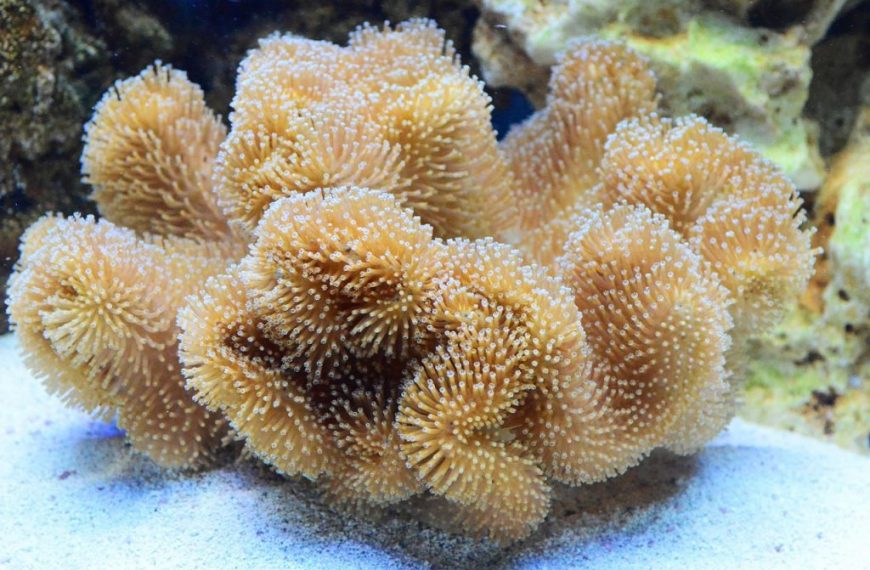
Lighting should match coral type. Soft corals do well at 50–100 PAR. LPS often like 75–150 PAR. Many SPS need 200–350 PAR. Start at 30–50% intensity and ramp up over 2–3 weeks. Use a timer for a 9–10 hour photoperiod.
Use this planning checklist before you buy livestock:
- Tank size, stand, and level mat checked
- Heater sized at 3–5 watts per gallon
- Return pump sized for 3–5x sump turnover
- Two powerheads for 20–40x total flow
- ATO installed to prevent salinity swings
- Leak test for 24 hours with freshwater
For more gear planning, see our reef tank equipment guide. It helps you avoid duplicate purchases. It also explains common sizing mistakes.
Section 2: Build stable water and start the cycle
Mix saltwater with RODI water. Target 1.025 specific gravity at 77°F. Use a refractometer with calibration fluid. Heat and circulate new saltwater for 12–24 hours. This improves pH and oxygen levels.
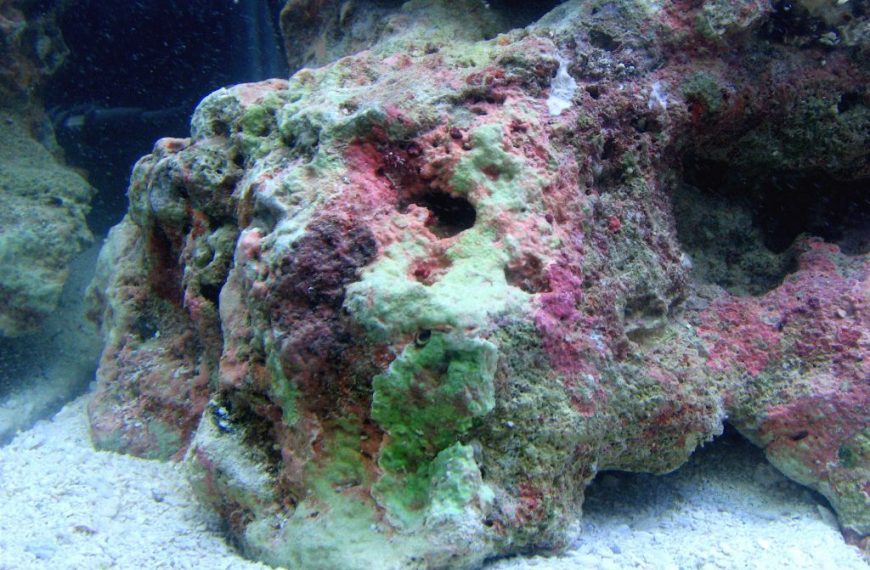
Add rock and sand with a plan. Use 0.8–1.2 pounds of rock per gallon as a rough guide. Leave open space for flow and fish swimming. Rinse dry sand until the water runs clearer. Use 1–2 inches for most reefs. Deeper beds need special care.
Cycle the tank with an ammonia source and bacteria. Dose ammonia to 2.0 ppm. Keep temperature at 77–79°F. Keep salinity stable at 1.025. Test ammonia and nitrite every 2–3 days. The cycle often takes 2–5 weeks.
Use target parameters as your guardrails. Keep pH at 8.0–8.3. Keep alkalinity at 8–9 dKH for mixed reefs. Keep calcium at 420–450 ppm. Keep magnesium at 1,280–1,380 ppm. Keep nitrate at 5–15 ppm and phosphate at 0.03–0.10 ppm.
These steps reduce early algae and stress:
- Run lights at 6 hours daily during the first two weeks
- Do a 20–30% water change after the cycle completes
- Add a small clean-up crew after ammonia and nitrite hit zero
- Feed lightly for the first month
Need help reading tests? Our reef tank water parameters page explains what to chase. It also tells you what to ignore early on.
Section 3: Stocking, quarantine, and first-month troubleshooting
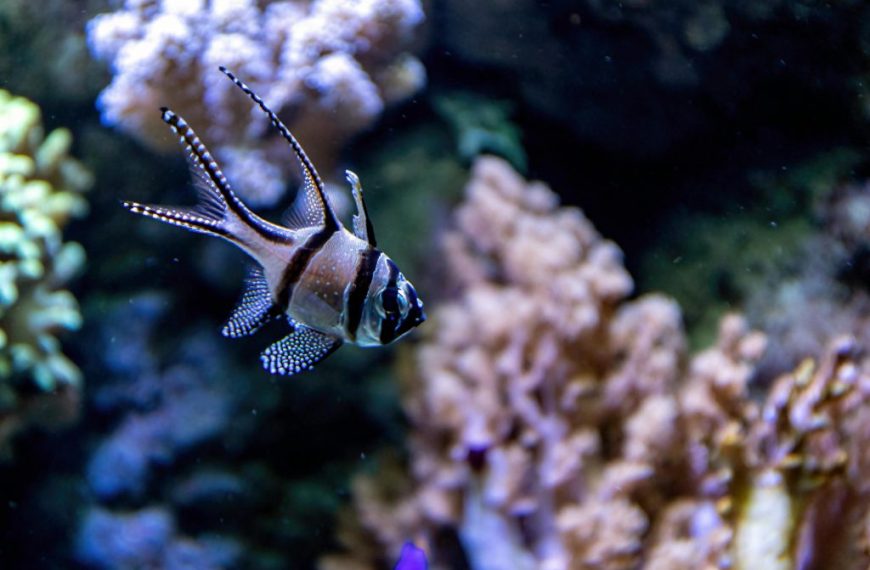
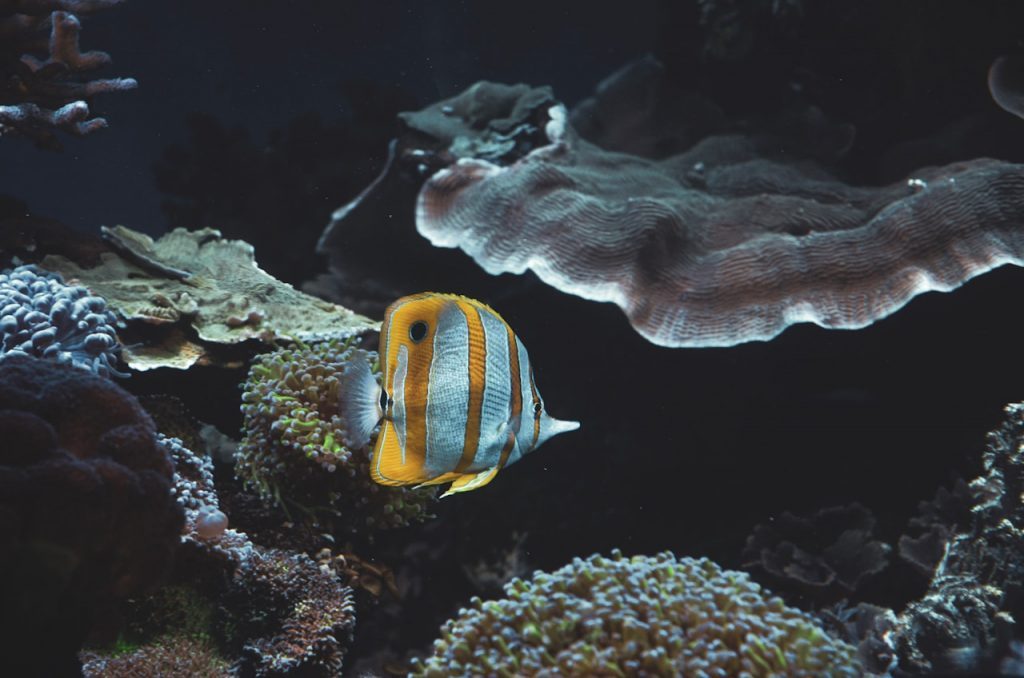
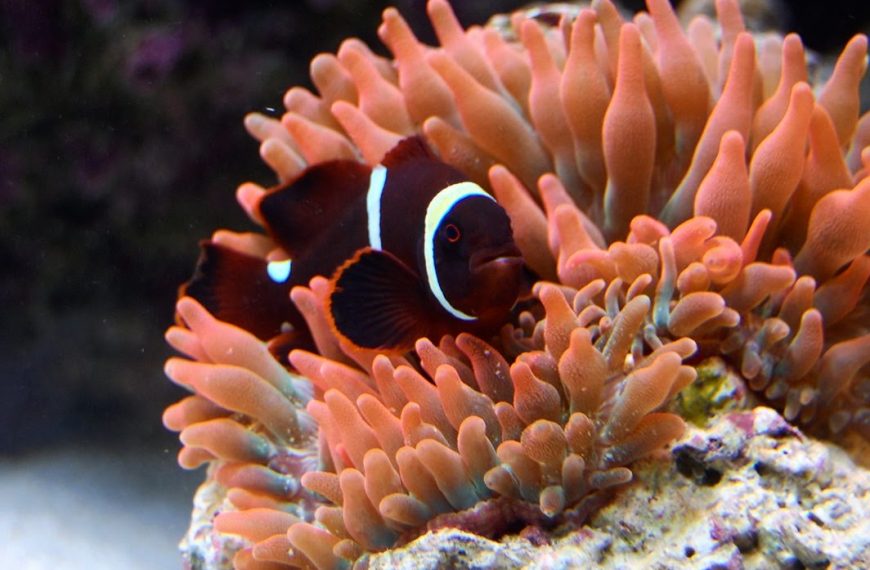
Add livestock slowly. Start with one hardy fish or pair. Wait 10–14 days between additions. This protects the biofilter. It also reduces aggression. Keep a simple stocking list on your phone.
Quarantine saves reefs. Use a 10–20 gallon bare tank with a sponge filter. Match salinity and temperature to the display. Observe fish for 14–30 days. Watch for flashing, spots, or heavy breathing. Treat only when you confirm symptoms.
Common first-month issues are predictable. Diatoms often appear in weeks 2–4. They fade as silicates drop. Cyanobacteria can follow from low flow and high nutrients. Increase flow and reduce feeding. Avoid quick chemical fixes at first.
Use this troubleshooting mini-checklist when something looks off:
- Check temperature swing is under 1°F daily
- Confirm salinity with a calibrated refractometer
- Test alkalinity twice weekly during early coral adds
- Clean skimmer neck and change socks every 2–3 days
- Inspect ATO for stuck floats and empty reservoirs
For a step-by-step fish plan, read our reef fish quarantine basics. It covers setup and daily checks. It also explains what not to medicate.
Sources: Reefkeeping Magazine (aquarium husbandry articles); Randy Holmes-Farley, Reef Aquarium chemistry articles; Borneman, “Aquarium Corals” (husbandry references).
 By
By