

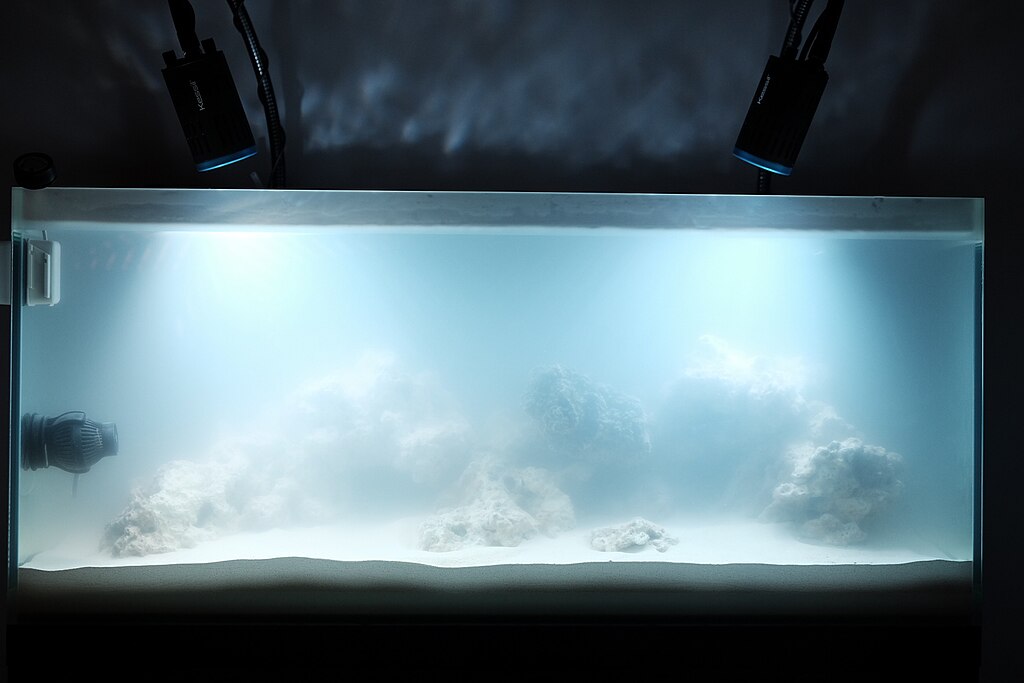
Cloudy reef tank water usually comes from bacterial blooms, sand disturbance, microbubbles, chemical precipitation, or suspended waste. The fix depends on the cause. This guide shows you how to identify the source, clear the water safely, and prevent the problem from returning.
Few reef tank issues cause faster panic than water that turns hazy overnight. Clear water helps you enjoy your corals. It also supports stable light penetration and better gas exchange. The good news is that cloudy water is often fixable. You just need to diagnose it correctly. In this guide, you will learn the most common causes of cloudy reef tank water, how to tell them apart, what steps to take first, and when the issue points to a deeper husbandry problem. We will also cover prevention, equipment checks, and practical troubleshooting for both new and established reef aquariums.
Quick Reference Table
| Cloudy Water Type | Common Cause | What It Looks Like | Best First Fix |
|---|---|---|---|
| White haze | Bacterial bloom | Milky water, often after overfeeding or tank changes | Reduce feeding, increase aeration, check ammonia |
| Dusty cloud | Sand disturbance | Particles settle over time, often after maintenance | Use filter floss, reduce flow on sand bed |
| Tiny sparkling bubbles | Microbubbles | Shimmering specks that rise or collect on surfaces | Check skimmer, return pump, and sump water level |
| Chalky white water | Chemical precipitation | Sudden white-out after dosing alkalinity or kalkwasser | Stop dosing, test alkalinity, calcium, and pH |
| Green tint | Free-floating algae | Water looks green under white light | Reduce nutrients, shorten photoperiod, use UV |
This table gives you the fast answer. The real solution comes from matching the appearance of the cloudiness to recent tank events. Think about what changed in the last 24 to 72 hours. That clue often solves the mystery.
How to Diagnose Cloudy Reef Tank Water
Start with observation. Look at the water under white light, not just blue light. Blue LEDs can hide the true color and density of the haze. Next, ask whether the cloudiness is made of particles, bubbles, or dissolved material. If particles settle on rock and sand, the issue is likely mechanical. If the cloudiness looks milky and does not settle, suspect bacteria or precipitation. If it sparkles and rises, suspect microbubbles.
Then review recent changes. Did you add new sand, dose kalkwasser, clean pumps, stir the substrate, or start carbon dosing? Did a fish die behind the rockwork? Did you feed heavily? These events matter. Always test ammonia, nitrite, nitrate, pH, alkalinity, and calcium if the cloudiness is sudden and severe. If livestock shows stress, check oxygen immediately. Fish gasping at the surface can mean a bacterial bloom is consuming oxygen. In that case, air exchange becomes the top priority.
Most Common Causes of Cloudy Reef Tank Water
Bacterial blooms are one of the most common causes. They often happen in newer tanks. They also appear after overfeeding, adding bottled bacteria, or disturbing nutrient balance. The water looks grayish or milky. Fish may breathe faster if oxygen drops. Another common cause is suspended sand or detritus. This usually follows aquascaping, adding sand, blasting rocks with a turkey baster, or strong flow hitting the substrate.
Microbubbles are also common. A skimmer adjustment, a low sump water level, a return leak, or a new filter sock can cause them. Chemical precipitation is less common but more urgent. This happens when alkalinity, calcium, and pH spike out of balance. It often follows overdosing two-part or kalkwasser. The tank can turn chalky white very quickly. Green water is another possibility, though less common in reef systems than freshwater tanks. It points to suspended algae and excess nutrients combined with strong lighting.
Step-by-Step Fix for Cloudy Reef Tank Water
First, do not panic dose random products. Quick fixes can make the problem worse. Start by checking livestock behavior. If fish are breathing hard, increase aeration right away. Point a powerhead toward the surface. Open windows if the room is closed up. Make sure your skimmer is running properly. Next, inspect the cloudiness closely. If it looks like bubbles, focus on equipment. If it looks milky, test water chemistry and ammonia.
Second, run fresh mechanical filtration. Filter floss works very well for suspended particles. Change it often during the first day. Third, stop heavy feeding for a day or two. Feed lightly until the water clears. Fourth, review all recent dosing. If you suspect precipitation, stop alkalinity and calcium additions until you test and confirm levels. Fifth, perform a modest water change if parameters are off or organics are high. Avoid huge swings. Finally, be patient. Many cloudy water events clear within 24 to 72 hours once the root cause is removed. Stability is often the real cure.
Bacterial Bloom: Signs, Causes, and Fixes
A bacterial bloom usually looks like white or gray haze. It does not settle like sand. It often appears after a nutrient spike. Common triggers include overfeeding, dead livestock, dirty filter media, carbon dosing errors, or adding too much bottled bacteria. New tanks are especially prone to this issue because the biological system is still maturing. In severe cases, fish may gasp near the surface because bacteria consume dissolved oxygen.
The best response is simple. Increase aeration first. Then reduce feeding. Check ammonia and nitrite right away. If either is present, perform a controlled water change and consider adding fresh carbon. Clean obvious detritus traps, but avoid a full deep-clean that destabilizes the tank further. UV sterilizers can help clear bacterial blooms in some systems. They are especially useful if the bloom persists. Do not add more bacteria unless you know exactly why the bloom happened. Most tanks recover once nutrients and oxygen return to balance.
Sand, Detritus, and Mechanical Cloudiness
If your reef tank looks dusty rather than milky, suspended particles are likely the cause. This often happens after adding dry sand, moving rockwork, siphoning the substrate, or increasing flow. Fine aragonite can stay suspended for hours. Detritus can also cloud the water after you blow off rocks or clean neglected sump areas. The good news is that this type of cloudiness is usually harmless unless it is constant.
Use fine filter floss or a polishing pad to trap particles. Replace it often because it clogs quickly. You can also run a filter sock if your system uses one. Check powerhead placement. Strong direct flow on a shallow sand bed often creates a permanent dust storm. Aim pumps slightly higher or reduce output. If the cloudiness follows every maintenance session, slow down your cleaning routine. Work in sections. Let the tank settle between tasks. For new sand, pre-rinse thoroughly before use. That one step prevents a lot of frustration.
Microbubbles vs True Cloudiness
Microbubbles fool many reef keepers. They can make the tank look cloudy from a distance. Up close, they look like tiny bright specks. They often collect on coral tissue, rock surfaces, and the glass. The source is usually equipment-related. Common causes include a skimmer breaking in, a return pump sucking air, a leak in plumbing before the pump, or low sump water level creating a vortex.
Start by checking your sump. Make sure the return section is not running too low. Inspect all fittings on the suction side of the pump. Even a small air leak can create thousands of bubbles. If you recently cleaned or adjusted the skimmer, give it time to settle. New filter socks can also create turbulence and bubbles for a short period. Baffles and sponge bubble traps help, but they must be maintained. Dirty sponges become nitrate traps. If the “cloudiness” disappears when pumps are off, microbubbles are the likely answer.
Chemical Precipitation After Dosing
Chemical precipitation is one of the more serious causes of cloudy water. It often happens after overdosing kalkwasser, alkalinity supplements, or calcium additives. The tank can turn white very quickly. The water may look chalky rather than foggy. You may also notice crust forming on heaters, pumps, and inside the sump. This means calcium carbonate is falling out of solution.
Stop dosing immediately. Test alkalinity, calcium, magnesium, and pH. High pH is a major warning sign, especially after kalkwasser mistakes. Make corrections slowly. Rapid swings stress corals and fish. Clean pump intakes if buildup is heavy, but avoid stirring deposits into the display. In many cases, the water clears once chemistry stabilizes. Prevention matters most here. Dose into a high-flow area. Use dosing pumps when possible. Never add large manual doses all at once. Regular testing keeps this problem from turning into a full system crash.
Aquarium Setup Factors That Contribute to Cloudy Water
Tank design affects water clarity more than many hobbyists realize. Small tanks cloud faster because waste concentrates quickly. Bare-bottom tanks usually stay clearer after maintenance because there is less fine substrate to disturb. Deep sand beds can work well, but they need thoughtful flow. Too little flow lets detritus settle. Too much flow creates constant suspension. Sump design also matters. Good mechanical filtration and stable water levels help prevent both particles and bubbles.
Aquascaping can also trap waste. Dense rock walls collect detritus in low-flow pockets. Open rock structures are easier to keep clean. If your tank clouds often, review your maintenance access. Can you siphon behind the rocks? Can you remove and change filter floss easily? Practical design reduces recurring problems. Quality source water matters too. Always use properly filtered RO/DI water. Poor source water introduces silicates, phosphate, and contaminants that feed algae and reduce clarity over time.
Common Problems
Why is my reef tank cloudy after a water change?
This usually points to sand disturbance, poorly mixed saltwater, or temperature and chemistry mismatch. Mix new saltwater fully before use. Heat and aerate it. If you siphon aggressively, fine particles can stay suspended for hours. Check that the new water is clear in the mixing container before adding it.
Why is my new reef tank cloudy for days?
New tanks often experience bacterial blooms and sand dust. Both are common during cycling. Avoid constant tinkering. Test ammonia and nitrite. Keep flow steady. Use mechanical filtration. Most new-tank haze clears as the system matures and bacteria colonize surfaces more evenly.
Cloudy water but parameters look fine
If test results are normal, look for microbubbles or suspended particles. Parameters do not reveal every mechanical issue. Inspect pumps, skimmer behavior, and sand movement. Also consider green water if the haze has a slight tint under white lighting.
Corals closed after the water turned cloudy
Corals often close from irritation, low oxygen, or unstable chemistry. Check pH, alkalinity, and temperature first. If fish also look stressed, prioritize aeration. If only certain corals close, inspect for settling dust or direct flow changes after maintenance.
How to Prevent Cloudy Water in a Reef Tank
Prevention starts with consistency. Feed measured amounts. Remove dead tissue and uneaten food quickly. Change filter floss often. Clean skimmer cups and pump intakes on schedule. Rinse new sand before adding it. Dose supplements slowly and test often. Keep flow strong enough to suspend waste, but not so strong that it creates a sandstorm.
Regular observation helps most of all. Small signs appear before major cloudiness. You may notice more detritus on the rocks, tiny bubbles from the return, or a skimmer behaving differently. Catching those clues early saves time later. If you want long-term clarity, build simple habits around stable chemistry, good export, and clean equipment. Clear water is usually a sign of a balanced reef system, not just a polished display.
Frequently Asked Questions
How long does cloudy reef tank water take to clear?
Minor particle clouds may clear in a few hours. Bacterial blooms often take one to three days. Persistent cloudiness means the root cause is still present.
Should I do a big water change for cloudy water?
Usually no. A moderate water change is safer. Large changes can add stress if salinity, temperature, or alkalinity shift too much.
Can cloudy water kill reef tank fish?
The cloudiness itself is not always deadly. The cause can be. Bacterial blooms and precipitation events can reduce oxygen or destabilize chemistry.
Does activated carbon clear cloudy water?
Carbon helps with dissolved organics and yellowing compounds. It does less for sand dust. It can support recovery during bacterial or chemical issues.
Is UV sterilizer worth it for cloudy reef water?
UV can help with bacterial blooms and green water. It will not fix sand particles, bad dosing habits, or microbubbles from equipment.
Related FancyReef Guides
reef tank cycling guide
reef tank water parameters
protein skimmer setup guide
how to lower nitrates in a reef tank
reef tank maintenance schedule
Was this helpful?
Related Posts
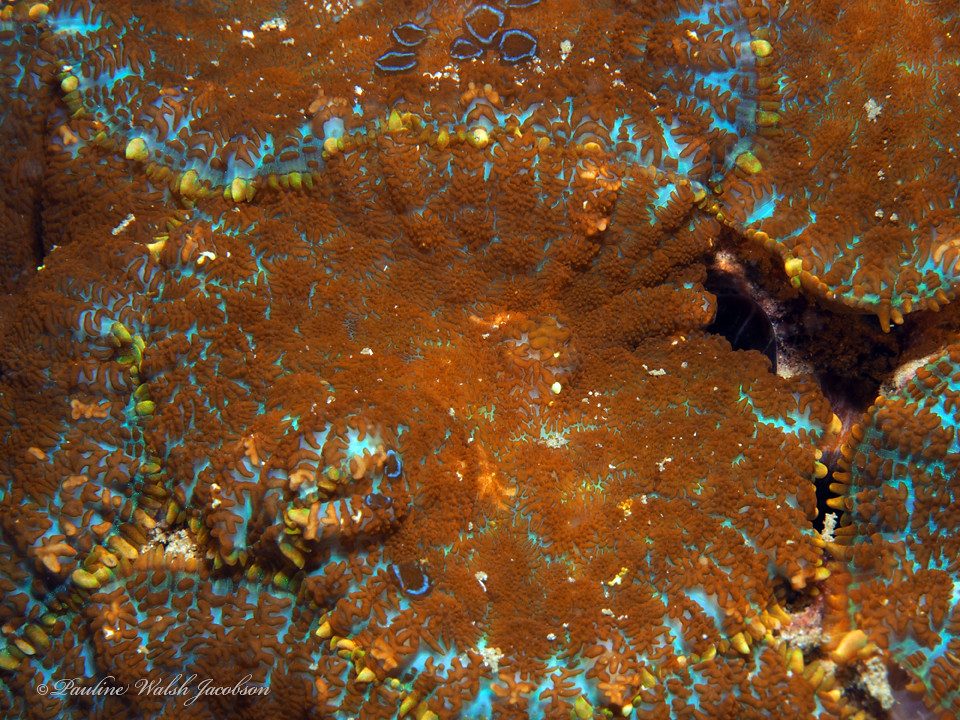
Rhodactis Mushrooms Care
Rhodactis mushrooms are hardy reef corals that prefer low to moderate light, gentle flow, and stable water. Learn…
 By
By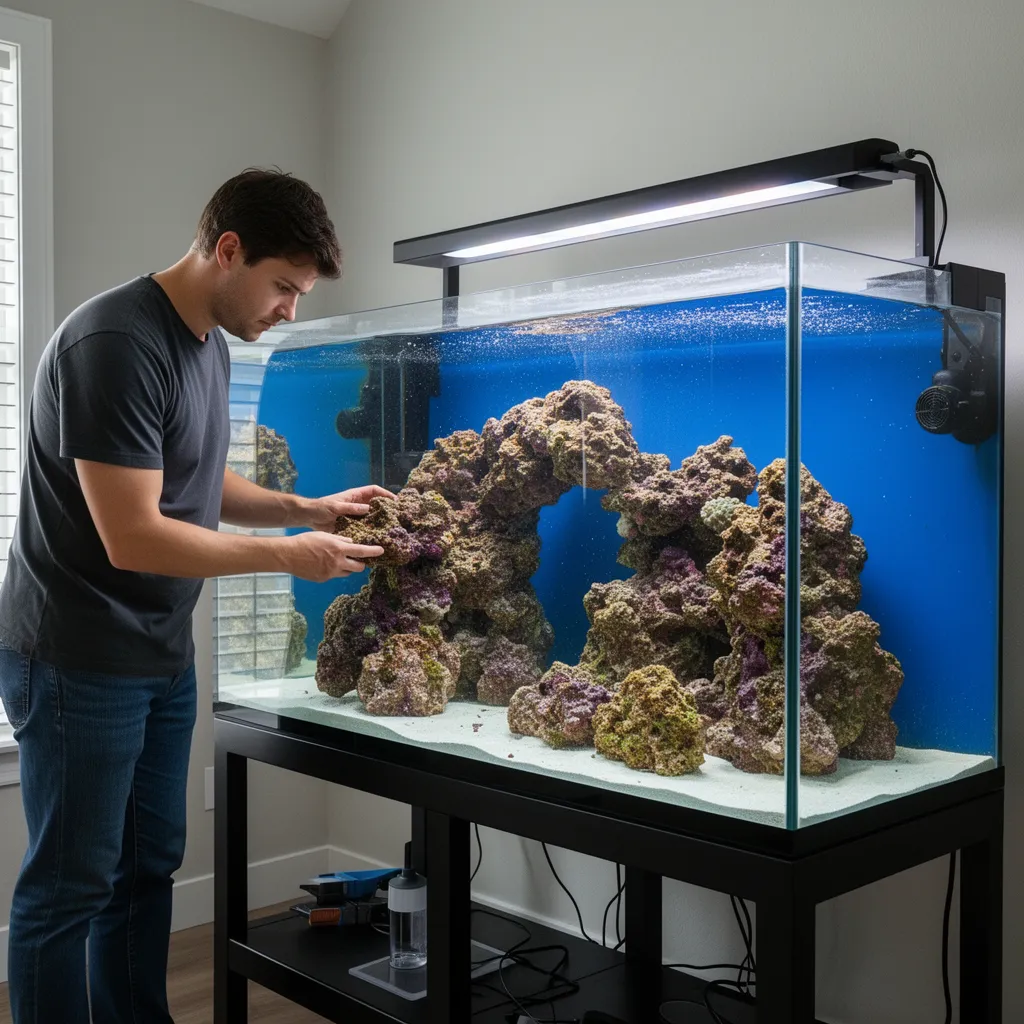
Setting Up A Reef Tank
Setting up a reef tank is easier when you focus on stability, smart equipment, and slow stocking. This…
[favorite_button]
My Bookmarks:
To see full list click here
[user_favorites user_id="" include_links="true" site_id="" post_types="" include_thumbnails="true" thumbnail_size="thumbnail" include_excerpt="false"]