

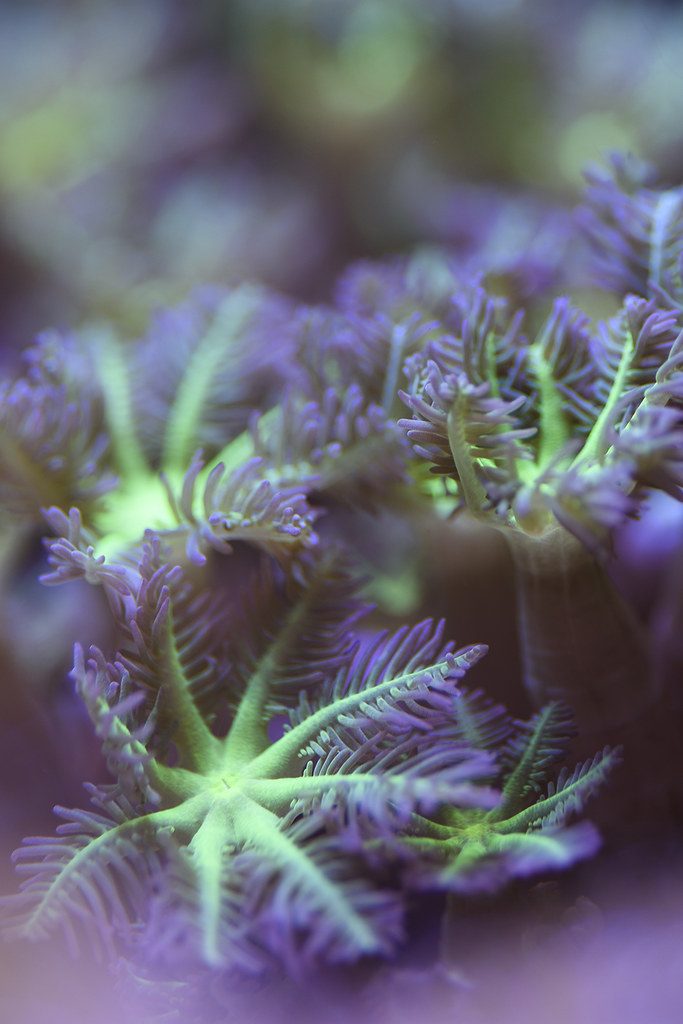
Clove polyps are attractive soft corals with feathery tentacles and steady movement. They are usually easy to keep, but they can spread fast. Success depends on stable water, moderate light, and enough space to manage their growth.
Many reef keepers buy clove polyps for their motion and color. They add a soft, waving look that contrasts well with stony corals. They also suit newer hobbyists because they tolerate a range of conditions. Still, they are not always a simple “set and forget” coral. Some varieties stay contained. Others creep across rockwork and crowd nearby corals. In this guide, you will learn how to keep clove polyps healthy, where to place them, how to feed them, and how to control their spread before they become a problem.
Quick Care Reference
| Common Name | Clove Polyps |
| Scientific Group | Clavulariidae and related clove-type soft corals |
| Care Level | Easy to moderate |
| Temperament | Peaceful, but invasive growth is possible |
| Lighting | Low to moderate, sometimes moderate-high after acclimation |
| Flow | Moderate, indirect, varied |
| Placement | Lower to middle rockwork, isolated island preferred |
| Diet | Mainly photosynthetic, benefits from fine foods |
| Temperature | 76–78°F |
| Salinity | 1.025–1.026 specific gravity |
| pH | 8.1–8.4 |
| Alkalinity | 8–9 dKH |
| Nitrate | 2–15 ppm |
| Phosphate | 0.03–0.10 ppm |
Use this chart as a starting point. Your coral will respond best to stable conditions. Chasing exact numbers often causes more harm than slightly imperfect values.
What Are Clove Polyps?
Clove polyps are colonial soft corals. Each polyp extends from a shared mat or stolon. Their tentacles often look feathery or flower-like. This gives them a gentle, pulsing appearance in moving water. Hobbyists keep many forms under the same common name. Colors range from brown and cream to green, blue, purple, and white.
They are popular because they open reliably and bring motion to a reef tank. In many systems, they grow faster than LPS or SPS corals. That fast growth can be a benefit or a drawback. A small frag can become a large patch over time. Some aquarists use them to fill open areas. Others regret placing them on the main rock structure. Knowing your variety matters. “Blue clove polyps” are especially known for invasive growth in some tanks.
Natural Habitat
Clove-type soft corals occur in tropical marine habitats across the Indo-Pacific. They are often found in shallow reef zones, lagoon areas, and sheltered slopes. In nature, they attach to hard surfaces and spread over rock, rubble, and reef framework. Water movement is usually present, but not always harsh. Light levels vary by depth and water clarity.
These habitats help explain their aquarium needs. They like stable saltwater, regular flow, and enough light to support their symbiotic algae. They also benefit from dissolved nutrients and suspended food in the water column. Wild colonies often share space with other soft corals and encrusting organisms. That competitive environment is another clue. In the home aquarium, clove polyps can claim space quickly if nearby corals cannot defend themselves.
Aquarium Setup
Clove polyps can live in nano reefs, mixed reefs, and larger displays. Tank size matters less than placement planning. A small frag can spread beyond its original plug. For that reason, many reef keepers place them on an isolated rock island in the sand. This simple choice can prevent major headaches later.
Use mature live rock or stable dry rock that has finished cycling. Avoid placing them near slow-growing corals. Acans, favias, chalices, and many zoanthids can lose ground over time. Leave room around the colony for expansion. Good filtration is helpful, but do not strip the water too clean. Clove polyps often look better with some measurable nitrate and phosphate. Strong chemical swings can cause them to stay closed for days. Stability is more important than perfection.
Lighting Requirements
Clove polyps usually do well under low to moderate light. Many hobbyists keep them successfully under modern LEDs, T5s, and hybrid systems. A PAR range around 50 to 150 works for most varieties. Start lower if you are unsure. Then adjust based on extension and color.
Too much light can cause retraction, washed color, or a shrunken appearance. Too little light may lead to slower growth and weaker extension. Acclimate new frags carefully, especially if they came from dim holding systems. Use light acclimation mode if your fixture allows it. You can also begin on the sand bed and move the frag upward over one to two weeks. Long, natural extension usually means the coral is comfortable. Tight, withdrawn polyps often signal stress from light, flow, or water chemistry.
Water Flow
Moderate, indirect flow is ideal for clove polyps. They like enough movement to sway and shed debris. They do not enjoy a constant, direct blast. Strong laminar flow can keep the polyps closed and irritate the tissue mat.
A varied pattern works best. Random flow from wavemakers usually produces the best extension. If detritus settles on the colony, increase flow slightly or adjust the angle. If the polyps remain folded or bent in one direction all day, reduce direct pressure. Good flow also helps prevent nuisance algae from growing between the polyps. In tanks with low flow, the colony may trap waste. That can lead to poor appearance and bacterial irritation. Watch how the coral moves. Its body language tells you a lot.
Water Chemistry and Stability
Clove polyps are forgiving, but they still need stable reef parameters. Keep salinity between 1.025 and 1.026. Maintain temperature near 76 to 78 degrees Fahrenheit. Aim for pH between 8.1 and 8.4. Alkalinity should stay steady around 8 to 9 dKH. Calcium and magnesium matter less than for SPS, but normal reef levels are still best.
Do not chase ultra-low nutrients. Many soft corals dislike sterile water. Nitrate around 2 to 15 ppm and phosphate around 0.03 to 0.10 ppm often works well. Sudden drops can cause retraction. Large salinity swings after top-off mistakes can do the same. If your colony closes after a water change, check temperature, salinity, and alkalinity first. Soft corals often react quickly to instability. They also respond to toxins. Running fresh carbon can help if another coral released chemicals into the water.
Feeding
Clove polyps are mainly photosynthetic. Their zooxanthellae provide much of their energy. Still, they can benefit from occasional feeding. Fine suspended foods are best. Think reef roids, powdered plankton foods, rotifers, or other very small particle feeds.
Target feeding is not always necessary. Broadcast feeding often works better because the polyps are small and delicate. Feed lightly once or twice per week. Turn off heavy filtration for a short time if needed. Avoid overfeeding. Excess food can raise nutrients and fuel algae. If your tank already has fish that are fed well, your colony may get enough from the water column alone. Faster growth after feeding is common. That sounds great until the colony reaches nearby corals. Feed for health, not just for speed.
Compatibility
Clove polyps are generally peaceful with fish and invertebrates. Most reef-safe fish ignore them. Cleaner shrimp, snails, and hermit crabs usually pose no problem. The real compatibility issue is space competition with other corals.
They can overgrow neighboring soft corals and some LPS. They may also irritate encrusting SPS if they spread into the same area. Give them their own zone. Isolated rock islands work very well. Avoid placing them beside prized acans, micromussa, leptoseris, or zoanthid gardens unless you can trim them often. Some angelfish and butterflyfish may pick at soft corals, but this is not specific to clove polyps. If your tank includes known coral nippers, observe closely. In mixed reefs, the safest plan is simple. Treat clove polyps as a coral that needs boundaries.
Step-by-Step Placement Guide
1. Inspect the frag. Check for pests, algae, and damaged tissue. Dip if appropriate for soft corals.
2. Start in lower light. Place the frag low in the tank for the first week. This reduces light shock.
3. Choose moderate flow. Pick a spot with visible movement but no direct blast.
4. Isolate the colony. Use a separate rock island if you want easy future control.
5. Watch extension daily. Healthy polyps usually open fully during the light cycle.
6. Adjust slowly. Change one factor at a time. Move the frag only if it stays closed for several days.
7. Plan for growth. Leave room around the colony now. You will need that space later.
Propagation and Fragging
How Clove Polyps Spread
Clove polyps spread by extending a mat or stolon over nearby surfaces. New polyps form from that shared base. In healthy tanks, this can happen steadily.
How to Frag Them Safely
Wear gloves and eye protection. Remove the frag rock if possible. Use a sharp blade or coral scissors to cut a small section of the mat. Attach the piece to rubble or a plug with a rubber band, bridal veil mesh, or reef-safe gel on the base rock near the tissue. Keep flow moderate until it reattaches. Avoid crushing the polyps.
How to Control Overgrowth
Manual removal works best when the colony is still small. Peel or scrape the mat from rock. Remove loose fragments so they do not reattach elsewhere. Some hobbyists use isolated rocks only, then trim the edges often. Prevention is much easier than eradication.
Common Problems
Why are my clove polyps closed?
Closed polyps usually point to stress. Check salinity, temperature, alkalinity, and recent changes first. Then inspect flow and light. New frags may stay closed for several days after shipping. Chemical irritation from other corals can also cause retraction. Run fresh carbon and improve stability.
Why are they melting or shrinking?
Shrinking can follow sudden nutrient drops, poor acclimation, or tissue damage. Look for detritus buildup, algae, or pests on the mat. If the colony was blasted with flow or exposed to high light too quickly, move it to a gentler spot.
Why are they spreading too fast?
That is normal in favorable conditions. Isolate the colony on a separate rock. Trim the edges often. Remove runners before they reach the main aquascape. Do not wait until they cover multiple rocks.
Why do they collect algae?
Low flow and trapped waste are common causes. Increase indirect flow slightly. Reduce detritus buildup during maintenance. Keep nutrients balanced, not excessive. Manual cleaning around the base can help.
Frequently Asked Questions
Are clove polyps good for beginners?
Yes, in many tanks they are beginner-friendly. They tolerate normal reef conditions well. The main challenge is managing their spread.
Do clove polyps need feeding?
Not always. They rely mostly on light. Occasional fine particle foods can support growth and extension.
Can clove polyps sting other corals?
They are not known for strong sweeper tentacles. Their main threat is overgrowth and space competition.
Are blue clove polyps invasive?
They can be. Many hobbyists report fast spreading growth. Keep them isolated unless you want them to cover rockwork.
Can I keep clove polyps in a nano reef?
Yes, but be careful. Their growth can become harder to manage in small tanks. Isolated placement is especially important.
Final Tips
Clove polyps are beautiful and rewarding soft corals. They add motion, texture, and color to mixed reefs. They also teach an important reef lesson. Easy corals still need planning. Give them moderate light, indirect flow, and stable water. Keep nutrients reasonable. Most importantly, place them where future growth will not become a battle. If you respect their spreading habit from the start, clove polyps can be one of the most enjoyable corals in your tank.
Related reading: soft coral care, reef tank lighting guide, reef water parameters, coral dipping guide, best beginner corals.
Was this helpful?
Related Posts
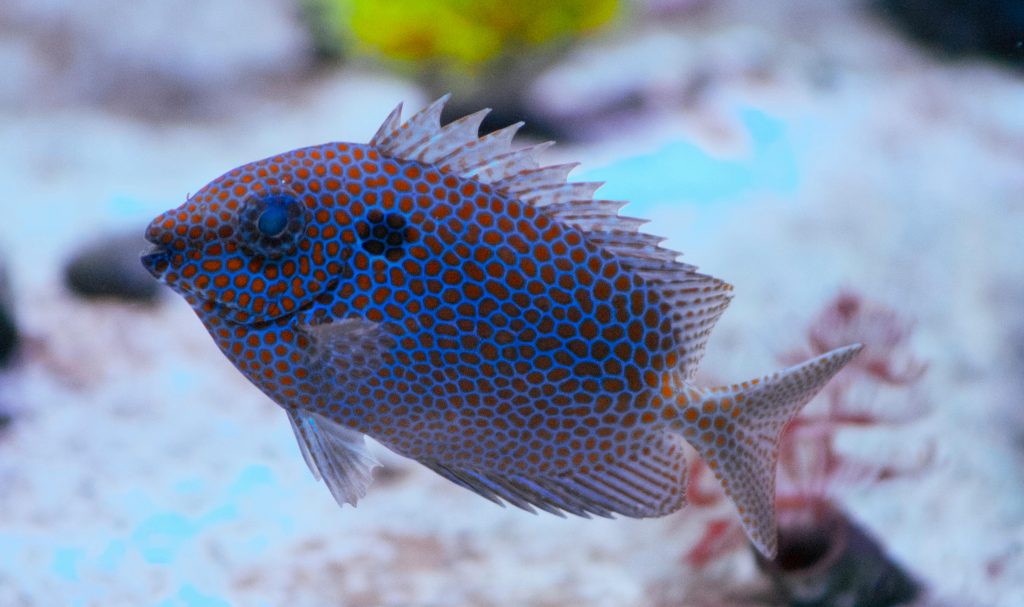
Gold Spotted Rabbitfish (Siganus Punctatus)
Gold Spotted Rabbitfish care includes large tanks, heavy algae feeding, and caution with corals. Learn tank size, diet,…
 By
By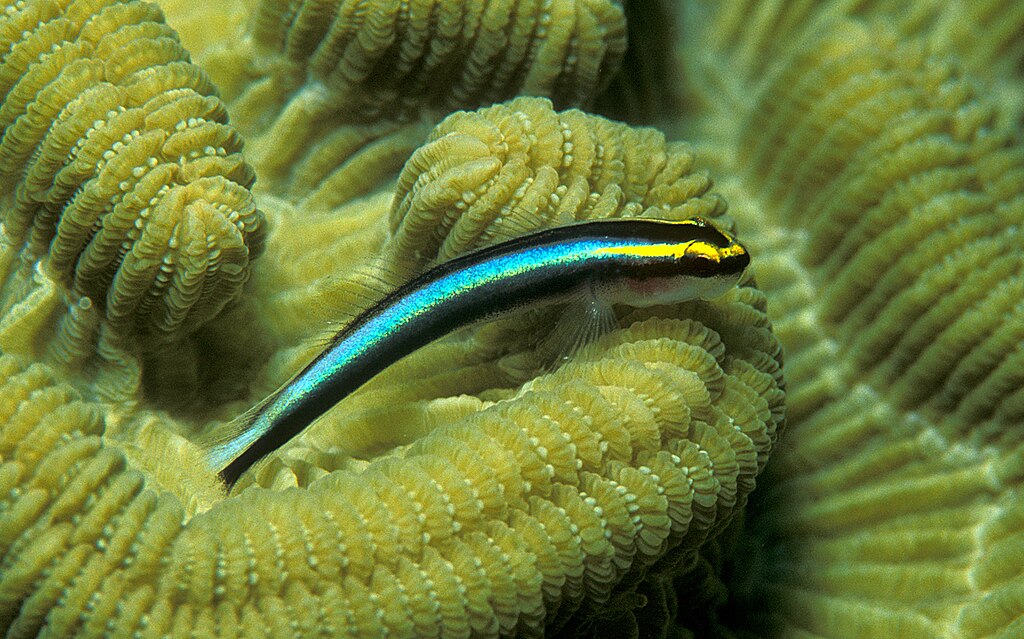
Sharknose Goby (Elacatinus evelynae)
Sharknose Goby care is simple in stable reef tanks. Learn feeding, tank setup, compatibility, and common problems for…
[favorite_button]
My Bookmarks:
To see full list click here
[user_favorites user_id="" include_links="true" site_id="" post_types="" include_thumbnails="true" thumbnail_size="thumbnail" include_excerpt="false"]