
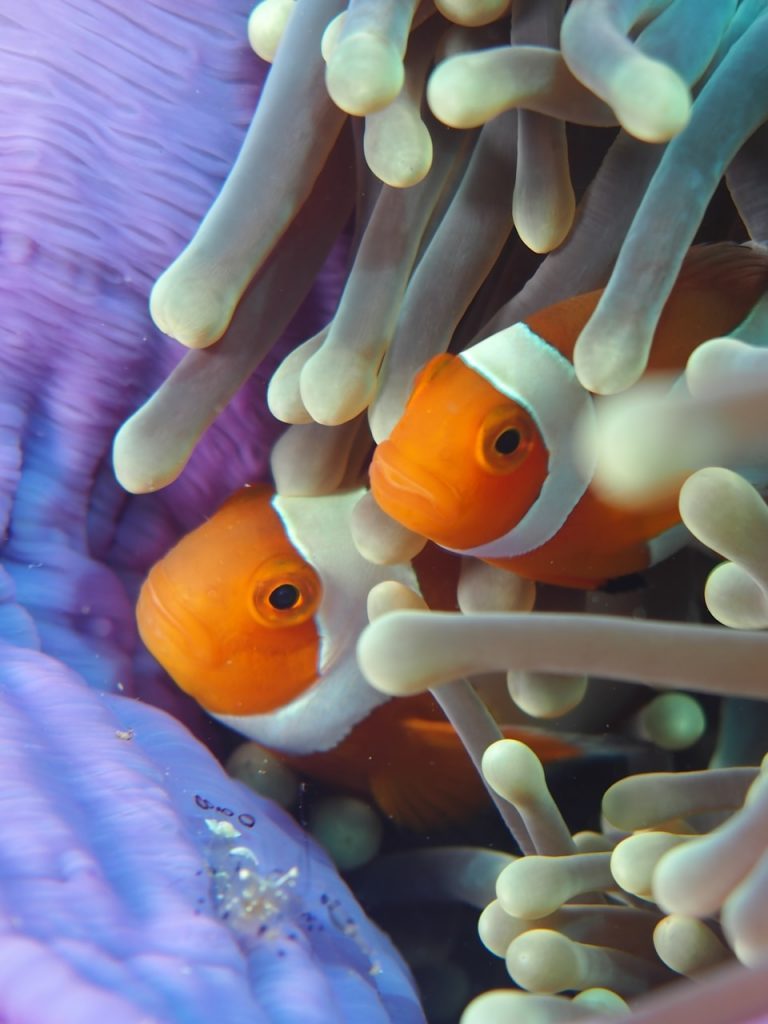
Clownfish hosting is the behavior where clownfish adopt an anemone, coral, or even equipment as their home. In reef tanks, hosting is common but unpredictable. Some clownfish bond quickly. Others ignore perfect hosts for months. Understanding what drives this behavior helps hobbyists set realistic expectations and avoid costly mistakes.
Many reef keepers buy clownfish for one reason. They want to see that classic clownfish-and-anemone relationship. It is one of the most recognizable partnerships in marine life. In home aquariums, though, hosting does not always happen on cue. Tank-bred clownfish may choose a torch coral, a powerhead, a corner of the tank, or nothing at all. That does not mean something is wrong. It usually means the fish are still settling in, maturing, or simply making their own choice. In this guide, you will learn what hosting means, which clownfish and hosts pair best, how to set up the tank, and how to troubleshoot common hosting problems without stressing your fish or reef.
Quick Reference Table
| Topic | Key Information |
|---|---|
| What is hosting? | Clownfish claiming an anemone, coral, or object as shelter |
| Best-known natural hosts | Bubble Tip Anemone, Magnifica, Carpet anemones |
| Tank-bred behavior | Often less predictable than wild fish |
| Time to host | Days to many months |
| Minimum tank for anemones | Usually 30 gallons or larger, depending on species |
| Lighting need | Moderate to high for most host anemones |
| Flow need | Moderate, indirect flow for most common hosts |
| Common substitute hosts | Hammer coral, torch coral, frogspawn, toadstool, powerheads |
| Main risk | Adding an anemone to an immature tank |
What Clownfish Hosting Really Means
Hosting is more than simple hiding. It is a behavioral bond. The clownfish uses the host as a home base. It sleeps there, retreats there, and defends that area from intruders. In nature, this relationship offers protection. The anemone’s stinging tentacles deter many predators. The clownfish gains shelter and a place to breed. In return, the clownfish may bring food, improve water movement, and help defend the host.
In aquariums, the behavior often looks similar. Still, the choice of host can be strange. A clownfish may ignore a healthy Bubble Tip Anemone and dive into a wavemaker instead. That is frustrating, but normal. Hosting is instinctive, yet individual preference matters. Species, age, social rank, and prior experience all influence the outcome. New hobbyists often assume a clownfish will host anything soft and wavy. That is not true. Some pairings are much more likely than others. The goal is to create good conditions, choose sensible livestock, and let the fish decide.
Natural Habitat
Clownfish live in warm Indo-Pacific reefs. They occur in shallow lagoons, reef slopes, and protected coastal zones. Most stay close to a single host anemone for much of their lives. They do not roam like tangs or wrasses. This site attachment is a major part of their behavior. It also explains why they can seem territorial in small aquariums.
Different clownfish species associate with different anemones in the wild. Ocellaris and percula often pair with Stichodactyla gigantea or Heteractis magnifica. Clarkii clownfish are less picky. They accept a wider range of hosts. Maroon clownfish commonly associate with Bubble Tip Anemones in captivity and in nature. These natural patterns matter because they influence aquarium success. A natural pairing usually gives better odds. Still, tank-raised clownfish do not always follow the script. Many have never seen an anemone before entering a home aquarium. That can delay or alter hosting behavior.
Best Hosts for Clownfish in Aquariums
The most popular aquarium host is the Bubble Tip Anemone. It is widely available. It adapts better than many other host anemones. It also comes in attractive color morphs. For many hobbyists, it is the safest first anemone. Even then, it still needs stable water, strong lighting, and a mature tank. A stressed anemone can wander and sting nearby corals.
Other true hosts include Magnifica and Carpet anemones. These are more demanding. Carpet anemones can also eat fish. They are not ideal for beginners. Clownfish may also adopt corals like frogspawn, hammer, torch, or large toadstools. These are not natural hosts, but the behavior is common. There is a downside, though. Constant rubbing can irritate the coral. Some corals stay closed and decline over time. If you want a host mainly for clownfish behavior, a healthy Bubble Tip Anemone is often the best compromise. For more livestock planning, see reef safe fish guide and beginner coral guide.
Aquarium Setup
Clownfish themselves do not need huge tanks. Many pairs do well in 20 to 30 gallons. Hosting changes the equation when an anemone is involved. Most host anemones need a mature reef tank. Aim for at least six months of stability before adding one. Larger tanks make this easier. A 30-gallon system is a practical minimum for a Bubble Tip Anemone, though bigger is always safer.
Build the aquascape with secure rockwork. Anemones like crevices for their foot. Leave open space around the chosen area. This reduces contact with corals if the anemone expands or moves. Protect powerheads with guards. Wandering anemones can be shredded by uncovered pumps. Keep salinity stable at 1.025 to 1.026. Maintain temperature around 77 to 79 degrees Fahrenheit. Nitrate and phosphate should be present but controlled. Avoid sudden swings in alkalinity. Stability matters more than chasing perfect numbers. If you are still building your system, read reef tank setup checklist for a solid foundation.
Lighting Requirements
Clownfish do not care much about lighting. Their hosts do. Most host anemones contain zooxanthellae and rely heavily on light. Bubble Tip Anemones generally prefer moderate to high reef lighting. Weak lighting often leads to poor color, stretching, or movement. If the anemone keeps climbing upward, it may be seeking better light.
Start with a stable schedule of eight to ten hours of full intensity. Avoid sudden major increases. Light shock can stress a newly added anemone. Acclimate it slowly if your fixture is powerful. Corals used as substitute hosts also need species-appropriate lighting. Euphyllia corals usually prefer moderate light. Toadstools tolerate a broad range but still need consistency. Watch the host’s response. Good expansion, normal color, and a settled position are positive signs. Shrinking, bleaching, or repeated wandering suggest a problem with light, flow, or general tank stability.
Water Flow
Flow should be moderate and indirect for most hosting setups. Clownfish like gentle movement around their home. Anemones need enough flow to move waste away and keep their tentacles active. They do not want a direct blast. Too much flow causes constant contraction. Too little flow allows detritus to settle and can lead to poor health.
Aim for random, turbulent movement rather than a narrow stream. Bubble Tip Anemones often settle where flow feels balanced. Euphyllia corals also prefer swaying flow. Their tentacles should move naturally, not whip violently. If your clownfish host a powerhead, review your circulation layout. They may be choosing that spot because the rest of the tank feels too exposed. Sometimes adding a more suitable sheltered area helps redirect their behavior. For broader water quality guidance, visit reef water parameters.
Feeding
Clownfish are easy feeders. Offer small meals one to two times daily. Use a mix of quality pellets, frozen mysis, brine, and finely chopped seafood. Variety supports color, immunity, and breeding condition. Well-fed clownfish are more confident and often settle into territory faster.
If you keep an anemone, occasional target feeding can help. Small portions of mysis, krill, or chopped shrimp once every week or two are enough. Do not overfeed. Large meals can be regurgitated and pollute the tank. Many healthy anemones get most of their energy from light and dissolved nutrients. Corals used as substitute hosts may benefit from broadcast feeding, depending on species. Good nutrition helps the host tolerate clownfish attention. It also reduces stress during acclimation and growth.
Compatibility
Clownfish are generally reef safe, but hosting can make them territorial. A bonded pair may defend a surprisingly large area. This is usually manageable in community tanks. Problems grow in nano tanks or when the pair hosts near a busy feeding zone. Expect chasing during maintenance, especially once the fish mature.
Compatibility also depends on the host. Anemones can sting nearby corals. Some, like carpets, can capture fish. Euphyllia corals may be damaged by rough clownfish, especially larger species like maroons or tomato clowns. Ocellaris and percula are usually gentler choices for mixed reefs. Avoid mixing clownfish species in small systems. That often leads to aggression. If you want a peaceful reef with hosting behavior, start with a captive-bred ocellaris pair and a single healthy Bubble Tip Anemone in a stable tank.
How to Encourage Hosting
You cannot force hosting, but you can improve the odds. First, choose a likely pairing. Ocellaris and percula may host Bubble Tip Anemones in captivity, though it is not their top natural match. Maroons usually take to Bubble Tips readily. Clarkiis are also flexible. Second, add the host before the fish claim another area. If clownfish already love a corner or pump, they may ignore a new anemone for a long time.
Keep stress low. Stable salinity, low aggression, and good nutrition all help. Place the host in a visible but sheltered location. Avoid moving it repeatedly. Some hobbyists use photos or acclimation boxes to guide clownfish toward the host. Results are mixed. These tricks are not essential. Patience works better than constant interference. Hosting may begin overnight, after a major tank change, or months later without warning. Let the fish choose naturally whenever possible.
Common Problems
Why won’t my clownfish host an anemone?
This is the most common question. The main cause is simple. Clownfish are individuals. Tank-bred fish may not recognize an anemone right away. The fish may also be too new, too young, or already attached to another area. Give them time. Focus on stability. Do not keep moving the anemone around the tank.
Why is my anemone moving?
Anemones move when conditions are not ideal. Light may be too weak or too strong. Flow may be too direct. The foot may not feel secure. Water chemistry may be unstable. Test salinity, alkalinity, nitrate, and temperature. Protect pumps immediately while the anemone searches for a better spot.
Can clownfish hurt corals by hosting them?
Yes. Repeated rubbing can keep corals closed. Tissue recession can follow. This is common with Euphyllia in smaller tanks. If the coral stays retracted for days, consider relocating the coral or offering a better alternative host. Watch for brown jelly or tissue damage after prolonged irritation.
Why are my clownfish suddenly aggressive?
Hosting often triggers territorial behavior. This gets stronger as the pair matures. Spawning can intensify it further. Rearranging nearby rock rarely helps. Instead, keep hands brief in the defended area and avoid adding passive fish that must cross that zone often.
Propagation and Breeding Notes
Does hosting matter for clownfish breeding?
Hosting is not required for spawning in captivity. Many clownfish breed on a rock, pot, or tile near their chosen territory. An anemone can make them feel secure, but it is not essential. Stable water, good feeding, and a bonded pair matter more.
Can host anemones be split or propagated?
Bubble Tip Anemones often reproduce by splitting. This can happen after growth, stress, or environmental shifts. Healthy clones can be traded or sold once settled. Do not attempt manual cutting unless you are experienced. Poor technique can kill the anemone and foul the tank.
Frequently Asked Questions
Do all clownfish need an anemone?
No. Clownfish can live long, healthy lives without one. An anemone is optional in captivity.
What is the easiest host anemone for beginners?
The Bubble Tip Anemone is usually the best beginner choice in a mature reef tank.
Will ocellaris clownfish host a Bubble Tip Anemone?
Often yes, but not always. Many do in captivity. Some never show interest.
Can I use a coral instead of an anemone?
You can, but there is risk. Some corals tolerate hosting poorly and may become stressed.
How long does it take for clownfish to host?
It varies widely. Some host within hours. Others take several months or never host at all.
Clownfish hosting is one of the most rewarding behaviors in reef keeping. It is also one of the least predictable. The best approach is simple. Choose healthy livestock, match species carefully, build a stable tank, and stay patient. If hosting happens, enjoy it. If it does not, your clownfish can still thrive and become the stars of the aquarium.
Was this helpful?
Related Posts
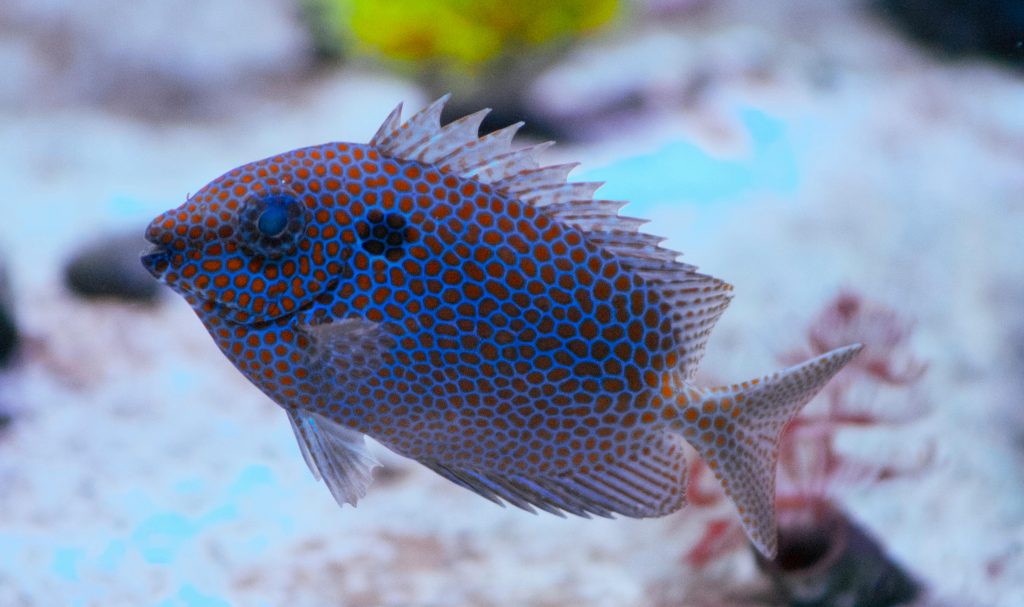
Gold Spotted Rabbitfish (Siganus Punctatus)
Gold Spotted Rabbitfish care includes large tanks, heavy algae feeding, and caution with corals. Learn tank size, diet,…
 By
By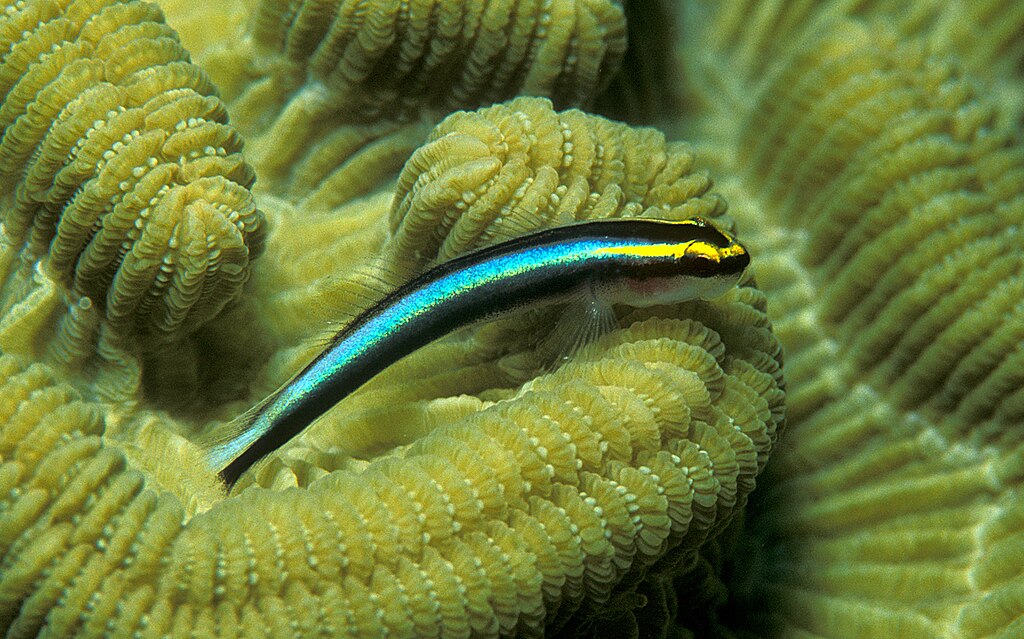
Sharknose Goby (Elacatinus evelynae)
Sharknose Goby care is simple in stable reef tanks. Learn feeding, tank setup, compatibility, and common problems for…
[favorite_button]
My Bookmarks:
To see full list click here
[user_favorites user_id="" include_links="true" site_id="" post_types="" include_thumbnails="true" thumbnail_size="thumbnail" include_excerpt="false"]