Saltwater aquariums are full of color and personality, but even the healthiest-looking fish can fall victim to disease. Knowing the most common saltwater fish diseases, how to spot them early, and what to do next can be the difference between a minor setback and a tank-wide disaster. In this guide, we’ll walk through key diseases every marine hobbyist should recognize and how to respond calmly and effectively.
Marine Ich, Velvet & Other External Parasites
Marine ich (Cryptocaryon irritans) and marine velvet (Amyloodinium) are two of the most feared saltwater fish diseases because they spread quickly and can be deadly if not treated early.
How to recognize them
- Marine ich: White salt-like spots on fins and body, flashing (scratching on rocks), rapid breathing, clamped fins.
- Velvet: Fine dusty or “golden” coating, severe rapid breathing, fish staying at the surface or near powerheads, sudden deaths.
Other external parasites such as flukes can cause cloudy eyes, frayed fins, and excessive mucus.
Response & prevention
- Immediately move affected fish to a properly sized quarantine tank for observation and treatment.
- Use proven treatments such as copper-based medications or chloroquine phosphate in quarantine only—never dose copper in your reef display.
- Run your display tank fallow (fishless) for 6–10 weeks to break the parasite life cycle.
- Quarantine all new fish for 30–45 days before adding them to the main system.
Tip: Many hobbyists lose fish by rushing new additions. A dedicated quarantine tank is cheaper than replacing a full stocking list.
Brooklynella, Uronema & Bacterial Infections
Brooklynella (often called “clownfish disease”) and Uronema are fast-moving infections that can wipe out new fish, especially wild-caught clownfish and chromis. Bacterial infections, meanwhile, often follow stress or physical injury.
Signs of Brooklynella & Uronema
- Heavy breathing and hanging at the surface.
- Thick, stringy mucus or peeling skin.
- Red sores or ulcers (especially with Uronema).
- Rapid decline within 24–72 hours of first symptoms.
Bacterial infections may show up as fin rot, red streaks in fins, popeye, or localized swelling. These often follow nips from tankmates, net damage, or poor water quality.
Treatment basics
- Move fish to a hospital or quarantine tank with stable, clean water.
- For Brooklynella and Uronema, formalin baths and specific antiparasitic medications are commonly used—always follow product directions carefully.
- For bacterial issues, use broad-spectrum antibiotics in quarantine and improve husbandry.
- Review your acclimation and handling process to minimize stress and injuries.
Preventing Disease in Your Saltwater Aquarium
Most saltwater fish diseases are opportunistic: they take hold when fish are stressed, crowded, or poorly acclimated. A strong prevention routine is your best “treatment.”
- Quarantine everything: Fish, and ideally invertebrates and live rock, should be quarantined before entering your display.
- Maintain excellent water quality: Keep ammonia and nitrite at 0, and avoid large, sudden swings in salinity, temperature, or pH.
- Feed a varied diet: Mix frozen, pellet, and nori; soak foods in vitamins or garlic if desired to support immune health.
- Avoid overstocking: Too many fish increase aggression and waste, raising disease risk.
- Observe daily: Take 1–2 minutes each day to watch for flashing, labored breathing, or unusual spots and behavior.
By learning the early signs of common saltwater fish diseases and pairing that knowledge with strong quarantine and husbandry practices, you can dramatically reduce losses and keep your reef thriving. When in doubt, isolate the fish, test your water, and review your maintenance routine before reaching for medications. A calm, methodical response is the most powerful tool in your reef-keeping toolbox.
Sources
- Noga, E. J. Fish Disease: Diagnosis and Treatment. Wiley-Blackwell.
- Colorni, A. (1987). Biology of Cryptocaryon irritans. Aquaculture.
- Fenner, R. The Conscientious Marine Aquarist. Microcosm.
Was this helpful?
Related Posts
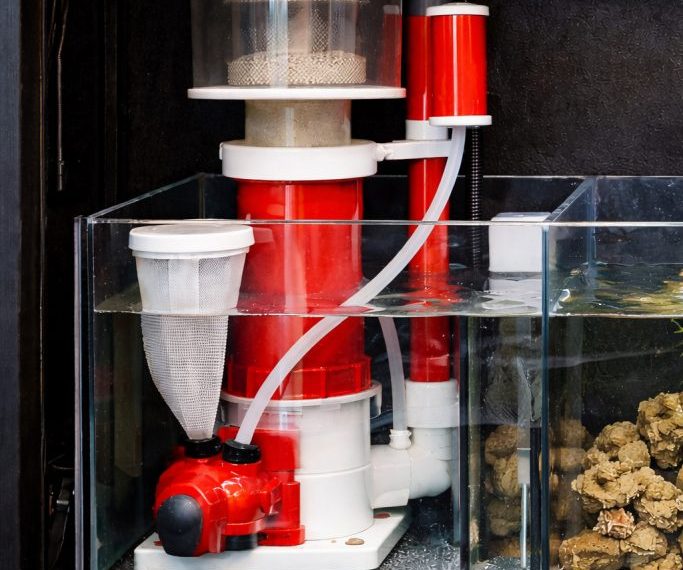
Protein Skimmer Reef Tank Guide
Learn how a protein skimmer works, how to size one, and how to tune it for a cleaner,…
 By
By
Reef Aquarium Water Parameters
Learn the ideal reef aquarium water parameters, safe ranges, and how to keep salinity, alkalinity, nutrients, and pH…