
Compatible Aquarium Fish for a Peaceful Saltwater Tank
Choosing compatible aquarium fish is one of the most important steps in building a thriving saltwater tank. The right mix of species will reduce stress, prevent aggression, and make routine care easier. Instead of buying fish based on looks alone, think about temperament, adult size, and where each fish will live in the tank. With a bit of planning, you can create a community where every fish has a place and a role.
Use our Fish Compatibility Chart for easy pairings
Key Principles of Saltwater Fish Compatibility
Before you add anything to your display, take time to understand how fish interact. Compatibility isn’t just about whether fish fight; it’s about whether they can all eat, swim, and hide comfortably in the same space.
Match Temperament and Activity Level
- Peaceful community fish like clownfish, firefish, and many gobies usually mix well together.
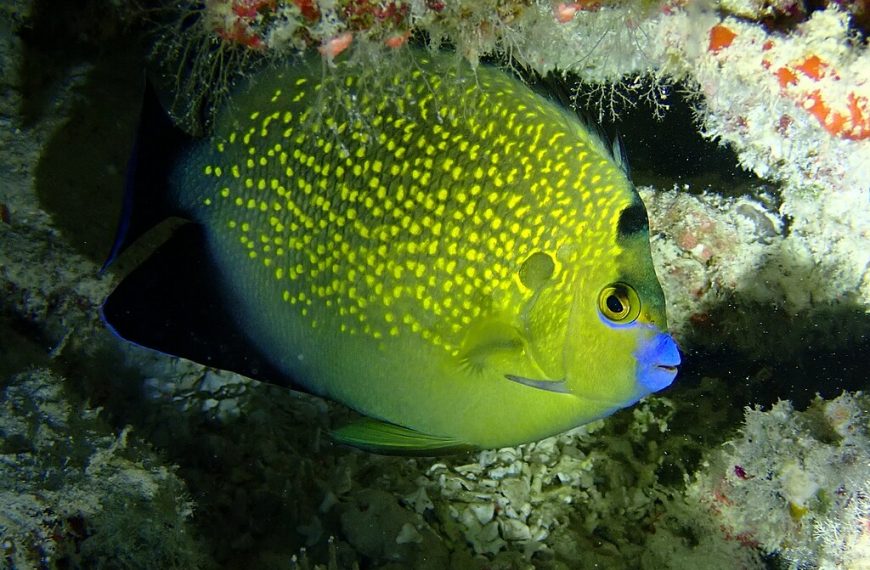
- Semi-aggressive fish such as dwarf angelfish, dottybacks, and some wrasses can coexist, but need space and rockwork to break line of sight.
- Aggressive or territorial species (certain damsels, triggers, and large wrasses) are best kept either alone or with similarly robust tankmates in large systems.
For a deeper dive into how fish behavior affects your system, see our guide on planning a saltwater tank setup, where we cover territory, rockwork, and swimming space in more detail.
Consider Tank Size and Adult Growth
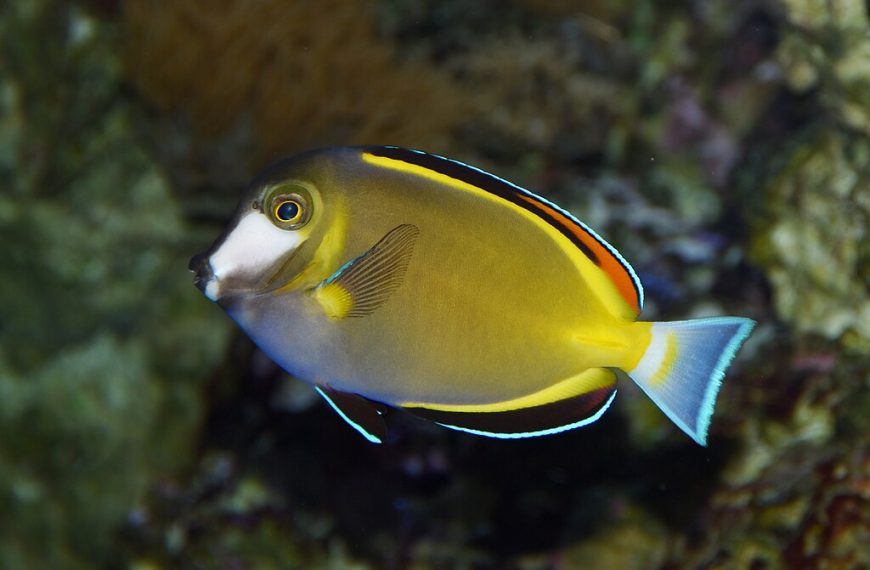
Many saltwater fish are sold as small juveniles but grow quickly. A tang that looks tiny in the store can become a dominant swimmer that needs several feet of horizontal space.
- Research adult size, not just juvenile size.
- Plan for swimming style: tangs and wrasses are active; gobies and blennies perch and hop.
- Avoid crowding similar-shaped fish that compete for the same niche, such as multiple large tangs in a short tank.
Feeding Style and Reef Safety
Compatibility also includes what and how fish eat. Mixing species with very different feeding needs can lead to stress and malnutrition.
- Slow, timid eaters (like mandarins and some gobies) may starve if kept with fast, aggressive feeders.
- Some fish are not reef-safe and may nip corals or invertebrates. Always confirm reef safety if you keep a mixed reef.
- Build a feeding routine that reaches every level of the tank: surface, mid-water, and bottom.
Example Stocking Ideas for Compatible Communities
These example groupings are starting points, not strict recipes. Always adjust for your tank size, filtration, and experience level.
Peaceful Beginner-Friendly Community
- Pair of clownfish (ocellaris or percula)
- One royal gramma or other peaceful basslet
- One watchman goby plus pistol shrimp (if your rockwork is secure)
- One firefish or dartfish (with a tight lid to prevent jumping)
This mix spreads activity across the tank: clowns in the mid-water, goby on the sand, and firefish in open water. For help choosing the right starting animals, check our article on best beginner saltwater fish.
Semi-Aggressive Mixed Reef Community
- Pair of clownfish
- One dwarf angelfish (such as a Coral Beauty or Flame Angel; monitor for coral nipping)
- One or two fairy or flasher wrasses (with a covered tank)
- One blenny (lawnmower or tailspot) for algae grazing and personality
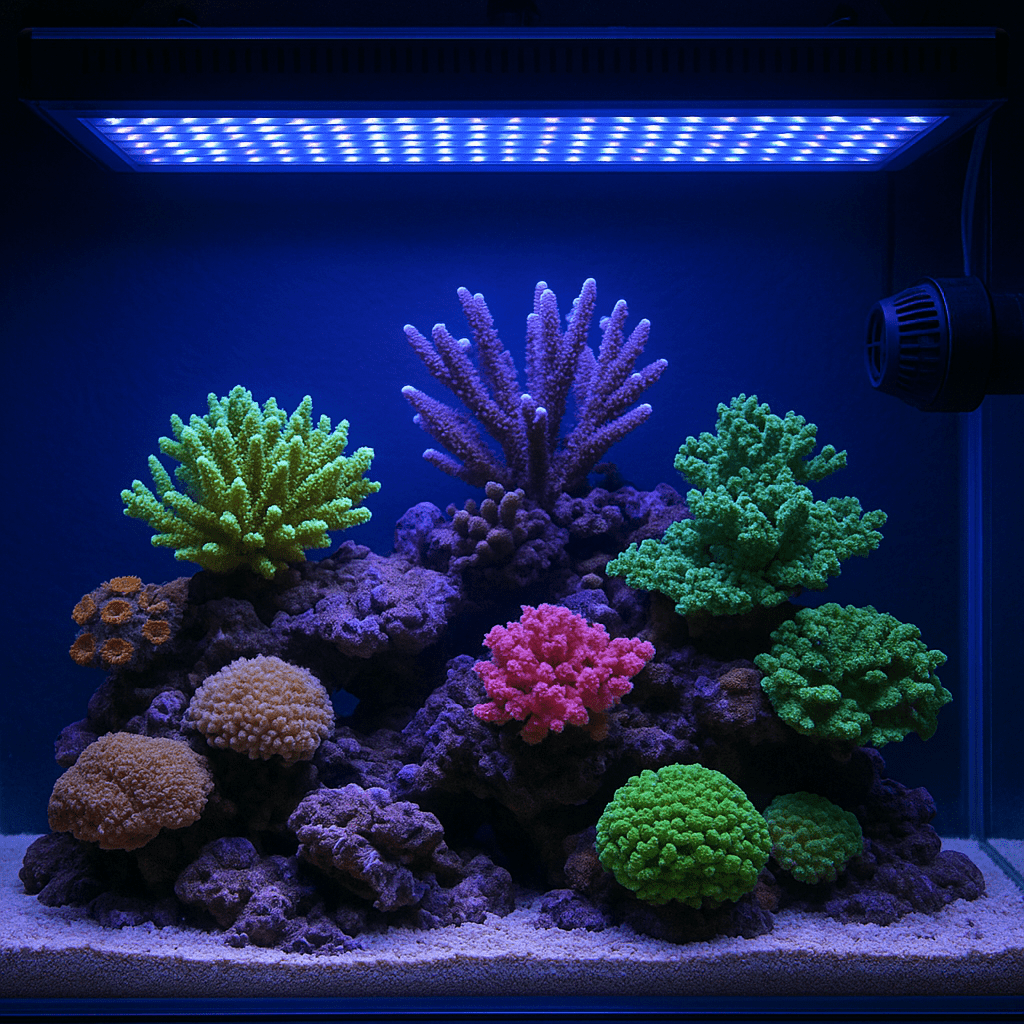
In this type of tank, rockwork and hiding spots are critical. Create arches, caves, and shaded areas so less dominant fish can retreat when needed. For layout ideas that reduce aggression, see our aquascaping tips in reef aquascape ideas.
Practical Tips for Long-Term Harmony
- Add fish in order of temperament: peaceful species first, then semi-aggressive, and finally the most territorial.
- Quarantine new arrivals to prevent disease and observe behavior before they join the display.
- Feed small, frequent meals so dominant fish don’t eat everything at once.
- Monitor at night with a dim flashlight to see where fish sleep and whether anyone is being bullied out of a safe spot.
When in doubt, stock lightly and give your fish more room than they strictly need. A well-planned, compatible community is calmer, easier to maintain, and far more enjoyable to watch than an overcrowded tank full of conflict.
Sources
Fenner, R. M. (2001). The Conscientious Marine Aquarist. Microcosm Ltd.
Michael, S. W. (2001). Marine Fishes: 500+ Essential-To-Know Aquarium Species. Microcosm Ltd.
Sprung, J., & Delbeek, J. C. (1994–2005). The Reef Aquarium (Vols. 1–3). Ricordea Publishing.
Was this helpful?
Related Posts
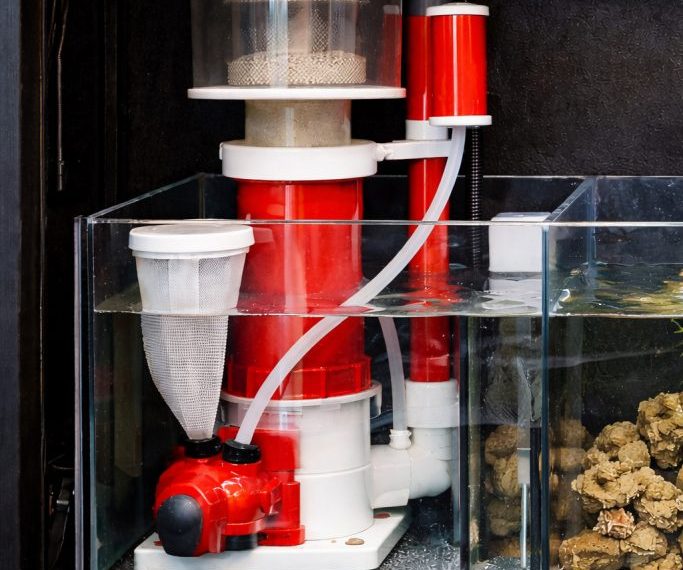
Protein Skimmer Reef Tank Guide
Learn how a protein skimmer works, how to size one, and how to tune it for a cleaner,…
 By
By
Reef Aquarium Water Parameters
Learn the ideal reef aquarium water parameters, safe ranges, and how to keep salinity, alkalinity, nutrients, and pH…