

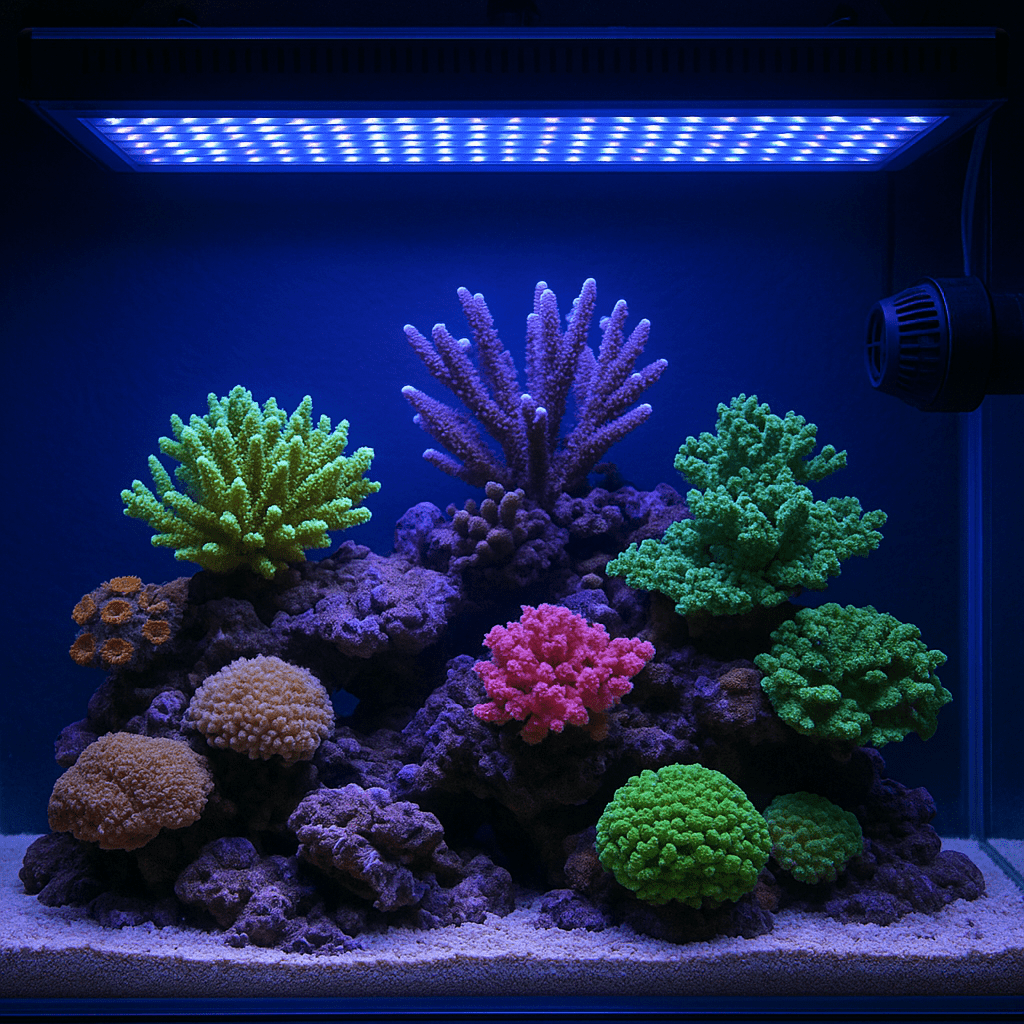
Copper is dangerous in reef tanks because it is toxic to corals, shrimp, snails, crabs, and many other invertebrates at very low levels. Even trace contamination can cause tissue loss, failed molts, coral decline, and unexplained livestock deaths, which is why copper should stay in quarantine systems, not display reefs.
Many reef keepers first learn about copper when treating marine ich or velvet. It is a highly effective fish medication. That fact often creates confusion. If copper helps fish, why is it so feared in reef aquariums? The answer is simple. Reef tanks depend on delicate invertebrates and stable biology. Copper disrupts both. In this guide, you will learn why copper is so dangerous, how it enters a reef tank, what symptoms it causes, how to test for it, and what to do if contamination happens.
Quick Reference Table
| Topic | Key Point |
|---|---|
| Safe for reef display? | No. Copper is not reef safe. |
| Safe for fish-only quarantine? | Yes, when dosed and tested correctly. |
| Most sensitive livestock | Shrimp, snails, crabs, corals, worms, and other invertebrates. |
| Common sources | Medications, contaminated rock, old equipment, tap water, brass fittings. |
| Main symptoms | Coral retraction, snail deaths, shrimp loss, poor polyp extension, failed molts. |
| Best prevention | Use a separate quarantine tank and dedicated equipment. |
| Removal methods | Water changes, Cuprisorb, Poly-Filter, activated carbon, source removal. |
This table gives the short answer. The rest of the article explains the details that matter in real reef tanks.
Why Copper Is So Dangerous in Reef Tanks
Copper is a heavy metal. In aquarium medicine, it works by damaging parasites. That same property harms many reef animals. Fish tolerate carefully controlled copper levels far better than invertebrates do. Corals, shrimp, snails, and microfauna are much more sensitive. In a reef tank, that matters a lot.
Trace copper can interfere with normal cellular processes. It can damage soft tissue. It can stress coral mucus production. It can also impair respiration and osmoregulation in invertebrates. Shrimp and crabs may fail to molt. Snails often become inactive, fall from the glass, and die soon after. Corals may stay closed, lose color, or slowly recede.
Copper can also affect the hidden life in your tank. Pods, worms, and beneficial microfauna often decline first. That weakens the food web. It also reduces biodiversity in the rock and sand. In severe cases, the reef may look normal at first, then begin a slow decline over weeks. That delayed damage makes copper especially frustrating to diagnose.
How Copper Gets Into a Reef Aquarium
The most common source is medication. A hobbyist treats fish in a display tank, or moves equipment from a medicated quarantine tank into the reef. Nets, buckets, tubing, heaters, and pumps can all carry residue. It does not take much. A small amount can be enough to stress sensitive livestock.
Another source is contaminated rock or sand. If live rock sat in a fish-only system that once used copper, that rock may absorb and later release it. Old decorations and porous media can do the same. This is why many hobbyists avoid using old fish-only rock in a new reef build unless its history is known.
Tap water can also be a problem. Some homes have copper plumbing. Low pH water can dissolve more copper from pipes. Brass fittings are another risk. Brass contains copper. Cheap hose parts, valves, or metal clamps can slowly leach it into saltwater. Reef tanks should avoid all questionable metals. Using RO/DI water is one of the best ways to reduce this risk. See RO/DI water for reef tanks for a full guide.
Which Reef Animals Are Most Sensitive?
Invertebrates are the first group to worry about. Cleaner shrimp, peppermint shrimp, fire shrimp, hermit crabs, emerald crabs, snails, sea stars, urchins, feather dusters, and clams are all high risk. Many of these animals react badly to copper levels that fish can survive.
Corals are also vulnerable. Soft corals may stay closed and produce excess mucus. LPS corals often show poor inflation and tissue recession. SPS corals may lose polyp extension, fade in color, or develop slow tissue necrosis. These symptoms are not unique to copper, which makes diagnosis harder. Still, if several invertebrates decline at once, copper should be on the suspect list.
Even beneficial organisms can suffer. Copepods, amphipods, worms, and other tiny scavengers may disappear. That can reduce nutrient processing and natural food availability. A reef is more than fish and coral. It is an ecosystem. Copper can damage that ecosystem in ways you do not notice immediately.
Signs of Copper Contamination
Copper contamination rarely announces itself clearly. Most tanks show a pattern of stress instead. Snails may stop moving. Shrimp may die after a molt. Corals may remain retracted for days. Zoanthids may stay closed. LPS may fail to inflate. SPS may pale or lose tissue from the base.
You may also notice unexplained invertebrate deaths after adding a new pump, using tap water, or reusing quarantine equipment. Fish often look normal at first. That can mislead hobbyists into searching for lighting or nutrient problems instead. Copper should be considered when fish are fine but invertebrates steadily decline.
These signs overlap with many other issues. Low salinity, ammonia, unstable alkalinity, and pest problems can look similar. That is why testing and source tracking matter. If you have several clues at once, do not guess. Confirm the problem before making major changes.
How to Test for Copper in a Reef Tank
Use a copper test kit designed for aquarium use. High-quality kits are much better than old strips. Some kits measure chelated copper better than others, so read the instructions carefully. If a medication was ever used, know whether it was ionic or chelated copper. That affects how accurately a kit reads it.
Test the display water first. Then test freshly mixed saltwater and your RO/DI source water. If the source water is clean but the display reads copper, the contamination is inside the system. If the source water also reads copper, check your RO/DI unit, plumbing, and storage containers.
It also helps to test after running a metal-adsorbing media for a few days. If copper drops, that supports the diagnosis. Keep in mind that rock and sand can absorb copper and release it slowly. A single negative test does not always clear the system. Repeat testing over time is smarter. For more on stable chemistry, read reef tank water parameters.
What to Do If Copper Gets Into Your Reef Tank
First, remove the source. Stop using any suspect medication, water source, metal part, or contaminated equipment. If a brass fitting or rusty clamp is present, remove it immediately. If old quarantine gear touched the tank, set it aside and do not reuse it in the display.
Next, perform several water changes. Large water changes help dilute dissolved copper. Then run copper-removing media such as Cuprisorb or Poly-Filter. Activated carbon is also useful, though it is not the main copper solution. Good skimming helps overall water quality during recovery.
Watch your invertebrates closely. If possible, move the most sensitive animals to a confirmed clean system. Continue testing every few days. In mild cases, the tank may recover with source removal and media. In severe cases, live rock and sand may remain a long-term issue. Some hobbyists choose to replace contaminated rock rather than risk repeated release. If your tank is already stressed, review how to cycle a reef tank and basic biology before rebuilding.
Step-by-Step Prevention Plan
Prevention is much easier than cleanup. Follow a simple system and copper problems become rare.
- Keep a separate quarantine tank for fish treatment only.
- Never dose copper in a reef display.
- Label all quarantine equipment clearly.
- Use separate nets, buckets, tubing, heaters, and pumps.
- Use RO/DI water instead of tap water.
- Avoid brass, copper, and unknown metals near saltwater.
- Do not reuse old fish-only rock without knowing its history.
- Test source water if invertebrates decline unexpectedly.
- Quarantine fish before they enter the display.
- Keep records of every medication you use.
This routine protects both fish and corals. It also saves money and frustration. Quarantine may feel like extra work, but it prevents much bigger problems later. For disease prevention, see quarantine tank setup for marine fish.
Common Problems
Can live rock absorb copper?
Yes. Porous rock can absorb copper and release it later. This is a major reason old medicated rock is risky in reefs. Repeated testing and metal-removing media may help, but some rock never becomes trustworthy enough for sensitive invertebrates.
Why are my snails dying but fish look fine?
This pattern is common with copper contamination. Snails are much more sensitive than fish. Also check salinity, acclimation, and nitrate, but copper should be tested quickly when multiple snails decline together.
Can carbon remove copper?
Carbon helps polish water, but it is not the best primary copper remover. Use a product designed for heavy metals, such as Cuprisorb or Poly-Filter, along with water changes and source removal.
Is trace copper ever acceptable in a reef?
Reef hobbyists should aim for no measurable copper in the display. Tiny traces may exist naturally, but any detectable contamination from equipment, plumbing, or medication should be treated as a problem.
Frequently Asked Questions
Can I treat fish with copper in my display tank?
No. Copper should only be used in a dedicated hospital or quarantine tank. A reef display contains invertebrates and porous surfaces that make copper unsafe and hard to remove.
How long does copper stay in a tank?
It depends on the source and surfaces involved. In water alone, it can be reduced with media and water changes. In rock and sand, it may persist much longer due to absorption and slow release.
Will a water change fix copper contamination?
Water changes help, but they are rarely enough by themselves. You must remove the source and run copper-removing media. Otherwise the problem may return.
Are all corals equally sensitive to copper?
No. Some corals tolerate stress better than others, but none should be exposed intentionally. Sensitive invertebrates often show damage before hardier corals do.
Can RO/DI water prevent copper problems?
It helps greatly by removing contaminants from source water. It cannot protect against copper from medications, rock, or metal hardware inside the system, so good reef practices still matter.
Final Thoughts
Copper is one of the most useful fish medications in marine aquariums. It is also one of the worst contaminants a reef tank can face. The same treatment that saves fish in quarantine can wipe out invertebrates in a display. That is why experienced reef keepers keep copper far away from corals, shrimp, and cleanup crews.
If you suspect copper, act early. Test the water. Remove the source. Run the right media. Protect your invertebrates first. Most of all, build a system that separates treatment from display care. That single habit prevents many reef disasters.
Was this helpful?
Related Posts
Cuban Hogfish (bodianus Pulchellus)
Cuban Hogfish care is straightforward in larger reef tanks. Learn tank size, diet, compatibility, and reef safety before…
 By
ByWhat to Do During a Power Outage
A reef tank power outage demands fast action. Protect oxygen, temperature, and circulation first to keep fish and…
 By
By[favorite_button]
My Bookmarks:
To see full list click here
[user_favorites user_id="" include_links="true" site_id="" post_types="" include_thumbnails="true" thumbnail_size="thumbnail" include_excerpt="false"]