

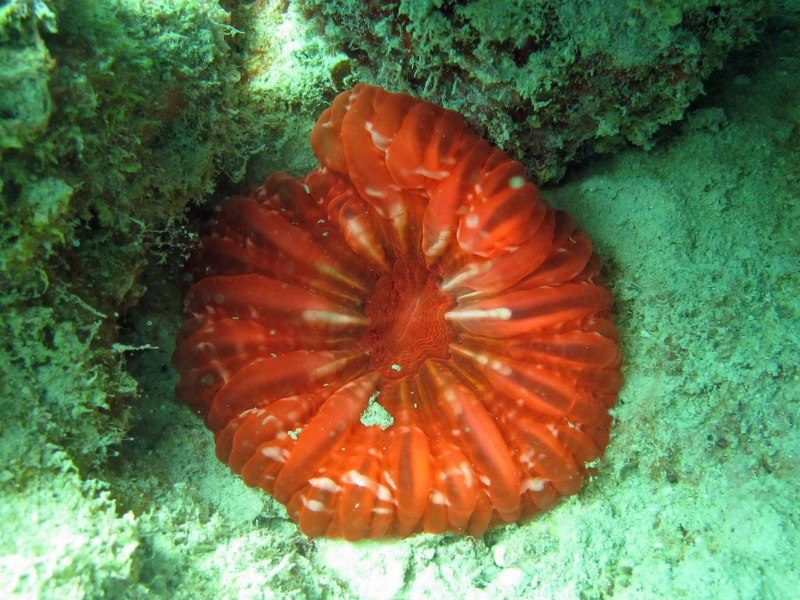
Cynarina corals are large, fleshy LPS corals known for their inflated tissue and bright colors. They are not hard to keep, but they do demand stability. Give them low to moderate light, gentle flow, and plenty of open sandbed space. With the right placement and careful feeding, they can become one of the showpieces in a reef tank.
Many reef keepers buy a Cynarina because it looks dramatic in the store. Its tissue swells during the day, and its feeding response can be impressive at night. Still, this is a coral that punishes rough handling and poor placement. Sharp rock can tear the flesh. Strong flow can keep it retracted. Fast swings in alkalinity or salinity often lead to stress. In this guide, you will learn how to keep Cynarina corals healthy, where to place them, what to feed, how to spot early problems, and how to avoid the common mistakes that cause decline.
Quick Reference Table
| Care Factor | Recommendation |
|---|---|
| Difficulty | Moderate |
| Temperament | Peaceful but can sting nearby corals |
| Placement | Sandbed or low rock with soft support |
| Lighting | Low to moderate |
| Flow | Low to gentle moderate |
| Feeding | Mysis, brine, reef roids, small meaty foods |
| PAR Range | 50-120 PAR |
| Temperature | 76-79°F |
| Salinity | 1.025-1.026 |
| Alkalinity | 8-9 dKH, stable |
| Nitrate | 5-15 ppm |
| Phosphate | 0.03-0.10 ppm |
Use this table as a starting point, not a rigid rulebook. Cynarina corals care more about stability than chasing perfect numbers. A stable tank with slightly imperfect values often works better than a tank with constant adjustments.
What Is a Cynarina Coral?
Cynarina is a large polyp stony coral. In the hobby, it is often called the meat coral or button coral. Most specimens are sold as single, fleshy polyps with a hard skeleton underneath. The coral expands over that skeleton and creates a puffy, almost balloon-like appearance. Colors range from green and red to pink, orange, purple, and multicolor patterns.
This coral is popular because it has strong visual impact. One healthy specimen can fill a large area visually without needing a whole colony. It also has a slow, graceful movement as the tissue inflates and deflates. That said, its beauty comes with some risk. The tissue is delicate. Damage often starts small and spreads quickly if conditions stay poor. Cynarina is best for reef keepers who can maintain stable water chemistry and resist the urge to move corals often.
If you are still building your coral stocking plan, see: best LPS corals for beginners, reef tank parameter guide, how to acclimate coral, and coral placement guide.
Natural Habitat
Cynarina corals come from Indo-Pacific reef environments. They are often found in calmer areas near sandy bottoms, rubble zones, and lagoon-like habitats. In nature, they are not usually blasted by intense surge all day. They often sit where light is moderate and water movement is enough to bring food and oxygen without tearing tissue.
This natural setting explains their aquarium needs. They prefer room around them. They do well when resting on sand or in a low, secure spot. They dislike abrasive contact with sharp rock. They also do not appreciate heavy, direct flow from a powerhead. Their inflated tissue is designed for gentler conditions. When you match that habitat in your tank, your chances of success rise sharply. Think soft support, stable chemistry, and a quiet area where the coral can fully expand.
Aquarium Setup
A mature reef tank is best for Cynarina. Avoid placing one in a fresh tank that is still cycling or swinging. A tank of 20 gallons or more can keep a single specimen, but larger systems are easier to stabilize. Stability matters more than volume alone. Keep salinity steady. Keep alkalinity from bouncing. Maintain low but measurable nutrients.
Place the coral on the sandbed whenever possible. Use a clean area free of sharp shells, broken rock, or aggressive neighbors. If you place it on rock, choose a smooth, shallow depression that supports the skeleton without pinching the tissue. Leave several inches of space around it. Cynarina can expand much larger than it looks when deflated. Nearby euphyllia, chalices, or sweepers from other LPS corals can sting it badly. Good aquascaping for this coral means open space, soft support, and protection from accidental contact.
Lighting Requirements
Cynarina corals prefer low to moderate light. A PAR range of about 50 to 120 works well in most tanks. Some specimens adapt to slightly more light over time, but sudden exposure to high intensity often causes retraction or bleaching. This coral is not a high-light SPS species. It does not need to sit under the brightest part of the fixture to thrive.
Start low if you are unsure. Watch the coral for two weeks before making changes. A healthy Cynarina usually inflates well and shows good color. If the tissue stays tightly drawn in, the light may be too strong, though flow or chemistry can also be the cause. If the coral stretches oddly or looks dull brown, it may want a bit more light. Acclimate slowly with reduced intensity or shortened photoperiods. Sudden changes are a common cause of stress. In mixed reefs, the lower third of the tank is often the safest starting point.
Water Flow
Gentle flow is ideal. The coral should move slightly, not whip around. Strong, direct flow can keep the tissue compressed and can expose the skeleton over time. If a powerhead points at the coral and the flesh folds hard to one side, the flow is too strong. If detritus settles on it all day, the flow may be too weak.
Aim for indirect, broad flow that keeps the area clean without blasting the polyp. This is one reason sandbed placement works well. The lower parts of many reef tanks have softer movement. You can also use rockwork to diffuse a stream before it reaches the coral. Watch the coral during both day and night. Some Cynarina extend feeder tentacles after lights dim. If those tentacles never appear and the coral stays tense, reassess flow first. In many tanks, correcting flow solves more problems than changing food or additives.
Feeding
Cynarina contains zooxanthellae, so light provides much of its energy. Still, feeding can improve growth, color, and recovery. Offer small meaty foods once or twice each week. Good choices include mysis shrimp, finely chopped seafood, enriched brine shrimp, and quality powdered coral foods. Avoid very large chunks. Oversized food can rot before the coral finishes digesting it.
Feed when tentacles are visible or after lights dim. Turn off pumps for a few minutes. Gently place food on the oral disk or near the mouth. The coral should begin folding around the food. If fish or shrimp steal meals, use a feeding dome or cut bottle top for protection. Do not overfeed. Excess food raises nutrients and can irritate the coral. A well-fed Cynarina often inflates more fully and recovers faster from stress. If your tank is nutrient poor, target feeding becomes even more useful.
Compatibility
Cynarina is generally peaceful, but it still needs personal space. It can sting nearby corals, and it can be damaged by stronger neighbors. Keep it away from aggressive LPS corals such as torch corals, galaxea, and some chalices. Soft corals that release chemicals can also irritate it in crowded tanks. Carbon and regular water changes help in mixed reefs.
Most reef-safe fish ignore Cynarina. The bigger issue is food theft and accidental picking. Some angelfish, butterflyfish, and large wrasses may nip the flesh. Peppermint shrimp, cleaner shrimp, and some crabs may steal food during target feeding. Sand-sifting fish can also throw debris onto the polyp. Choose tankmates carefully. If you keep a busy mixed reef, place the coral where fish traffic is lower. Stability and physical safety matter just as much as chemistry with this species.
Step-by-Step Placement and Acclimation Guide
Start by inspecting the coral before it enters the display. Look for tears, exposed skeleton, jelly-like tissue, or foul smell. Healthy specimens usually have full tissue coverage and no major cuts. Dip only if needed and only with a coral-safe product. Rough handling does more harm than good with this coral.
- Match salinity and temperature slowly.
- Place the coral in low light first.
- Choose a sandbed spot with gentle flow.
- Make sure no sharp rock touches the tissue.
- Leave several inches of empty space around it.
- Do not move it repeatedly during the first week.
- Wait for inflation before judging the final spot.
- Begin feeding lightly after it settles.
Many hobbyists fail because they keep adjusting placement every day. Cynarina often needs time to relax. If your parameters are stable and the coral is not being blasted, give it several days before making another change.
Propagation and Fragging
Can Hobbyists Frag Cynarina?
Fragging Cynarina is uncommon and risky. Unlike branching LPS corals, this coral has a large fleshy body over a single skeleton. Cutting it can cause severe tissue damage and infection. Most hobbyists should not attempt routine fragging at home unless they have advanced experience and a healthy, well-established specimen.
Safer Alternatives
The safest way to add more Cynarina corals is to buy aquacultured or responsibly sourced specimens. Focus on growing one coral well rather than cutting it. If a damaged specimen needs emergency intervention, clean cuts and sterile tools matter, but survival is never guaranteed. For most keepers, prevention is the better strategy.
Common Problems
Why Is My Cynarina Not Inflating?
The most common causes are excessive flow, too much light, unstable alkalinity, or recent handling stress. Check for direct current first. Then test salinity and alkalinity. Also inspect for nearby stings. Give the coral a calm location and time to settle.
Why Is the Skeleton Showing?
Visible skeleton usually means tissue recession. This can come from injury, chronic stress, infection, or poor water quality. Sharp substrate is a frequent cause. Move the coral onto a clean, smooth area. Maintain stable parameters. Feed lightly to support recovery. If recession continues, isolate and monitor closely.
Why Is My Cynarina Bleaching?
Bleaching often follows sudden light increases or temperature stress. Reduce intensity gradually and confirm temperature stays stable. Avoid chasing numbers with rapid dosing changes. Recovery can be slow. During that time, gentle feeding may help support the coral.
Brown Jelly or Tissue Rot
Brown jelly is serious and can spread fast. Remove the coral from strong flow but keep water oxygenated. Siphon away loose infected material. Consider an iodine-based dip if appropriate for your system and experience level. Improve cleanliness and inspect nearby corals for damage. Fast action gives the best chance of saving tissue.
Frequently Asked Questions
Are Cynarina corals good for beginners?
They are better for beginners with stable tanks. They are not the hardest LPS coral, but they are delicate. New hobbyists can keep them successfully if they avoid rough handling and parameter swings.
Do Cynarina corals need to be fed?
They can survive mainly on light, but regular feeding helps. Small meaty foods once or twice weekly often improve inflation, color, and recovery.
Can Cynarina sit on rock?
Yes, but sand is usually safer. If you use rock, choose a smooth, stable spot. The tissue must not rub against sharp edges.
How much light does a Cynarina need?
Low to moderate light is best. Around 50 to 120 PAR works for most specimens. Always acclimate slowly.
Why does my Cynarina inflate more at night?
That is normal. Many LPS corals extend more after dark to feed. Night inflation often means the coral feels safe enough to respond naturally.
Final Thoughts
Cynarina corals reward patience. They do not need extreme light or heavy flow. They need calm conditions and stable chemistry. Place them on a safe sandbed, feed modestly, and protect their tissue from damage. If you respect their delicate structure, they often become one of the most striking corals in the tank. For many reef keepers, success with Cynarina comes down to one simple rule. Keep things steady, and let the coral settle in.
Was this helpful?
Related Posts
Best Filtration Systems
Best Filtration Systems for a Healthy Saltwater Aquarium Choosing the best filtration system for your saltwater aquarium is…
 By
By
Clown Triggerfish (Balistoides Conspicillum)
Clown triggerfish are stunning but aggressive marine fish that need very large tanks, strong filtration, and careful tankmate…
[favorite_button]
My Bookmarks:
To see full list click here
[user_favorites user_id="" include_links="true" site_id="" post_types="" include_thumbnails="true" thumbnail_size="thumbnail" include_excerpt="false"]