

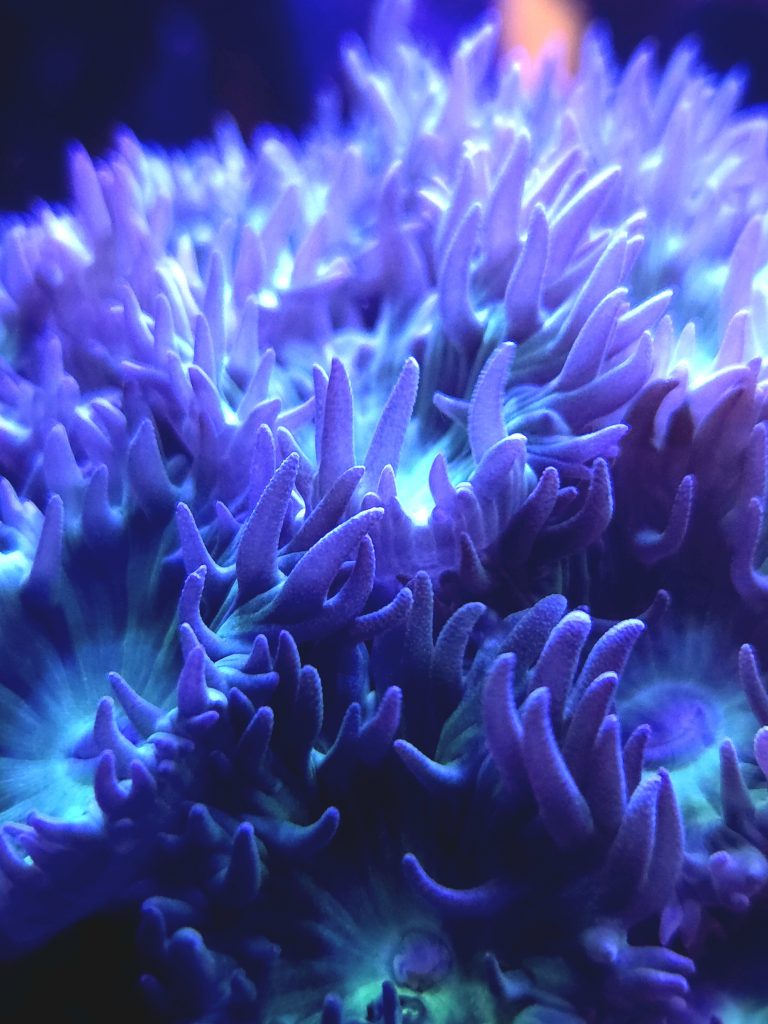
Duncan corals are among the best large polyp stony corals for beginners. They grow well in stable reef tanks, accept direct feeding, and show clear signs when conditions are right. With moderate light, gentle to moderate flow, and steady water chemistry, most hobbyists can keep Duncan corals healthy and expanding.
Duncan corals, also called Duncanopsammia axifuga, are popular for good reason. They combine strong visual movement with forgiving care needs. Their fleshy polyps extend during the day and often wave in the current. That makes them easy to enjoy and easy to monitor. In this guide, you will learn how to care for Duncan corals in a reef aquarium. We will cover tank setup, lighting, flow, feeding, placement, compatibility, fragging, and common problems. If you want a colorful LPS coral that rewards stable husbandry, Duncan corals are an excellent choice.
Quick Reference Table
| Common Name | Duncan Coral |
| Scientific Name | Duncanopsammia axifuga |
| Care Level | Easy to moderate |
| Temperament | Generally peaceful |
| Lighting | Low to moderate, sometimes moderate-high |
| Water Flow | Low to moderate, indirect |
| Placement | Lower to middle rockwork |
| Diet | Photosynthesis plus meaty foods |
| Growth Rate | Moderate under good conditions |
| Aggression | Mild, but give space from neighbors |
| Ideal Temperature | 76–78°F |
| Salinity | 1.025–1.026 specific gravity |
| Alkalinity | 8–9 dKH |
| Calcium | 400–450 ppm |
| Magnesium | 1250–1400 ppm |
| Nitrate | 2–15 ppm |
| Phosphate | 0.03–0.10 ppm |
Use this table as a starting point. Stability matters more than chasing exact numbers. Duncan corals usually respond poorly to rapid swings, especially in alkalinity and salinity.
Natural Habitat
Duncan corals come from Australian waters. In nature, they are often found in deeper or more sheltered reef zones. These areas usually have lower light than shallow SPS reefs. Water movement is present, but it is not usually harsh or direct. That helps explain why Duncan corals prefer moderate conditions in aquariums.
Wild colonies grow from branching skeletons topped with fleshy polyps. Each head can expand well beyond the hard skeleton. This gives the coral a soft, flower-like look. In the aquarium, that same structure means placement matters. A colony may seem small when closed, then occupy much more space when fully open. Understanding this natural growth form helps prevent crowding and coral warfare later.
Aquarium Setup
Duncan corals do not need a huge tank, but they do need stability. A mature reef aquarium of 20 gallons or more can work for a small frag. Larger tanks are easier to keep stable. That makes them better for beginners. Avoid adding Duncan corals to a brand-new system. Let the tank mature first.
Place the coral on stable rockwork or an isolated frag shelf. Lower to middle placement is usually best at first. Leave room around the colony for future growth. Duncan corals can add new heads steadily when happy. Keep them away from aggressive neighbors like euphyllia, galaxea, or sweepers from favia species. Good aquascaping also helps with indirect flow. You want movement around the polyps, not a strong blast on one side. If you are building a mixed reef, read our guides on reef tank setup guide, best LPS corals for beginners, and reef aquarium water parameters.
Lighting Requirements
Duncan corals prefer low to moderate light. Many hobbyists find success in the 50 to 150 PAR range. Some colonies adapt to stronger light, but they should be acclimated slowly. Too much light too fast can cause retraction, bleaching, or poor feeding response. Start lower, then adjust based on the coral’s behavior.
Healthy Duncan polyps extend well during the day. They should look full and responsive. If the tissue stays tightly closed, lighting may be too intense. If the coral stretches upward, light may be too weak. Use a gradual acclimation mode if you run LEDs. Increase intensity in small steps over one to two weeks. Stable photoperiods help too. Most reef tanks do well with eight to ten hours of main lighting. Remember that water clarity and placement both affect actual PAR. Test when possible instead of guessing.
Water Flow
Duncan corals like gentle to moderate, indirect flow. Their polyps should sway softly. They should not whip violently in the current. Strong direct flow can prevent full extension and irritate the tissue. It can also make feeding difficult. On the other hand, very weak flow may allow detritus to settle between heads.
A random flow pattern often works best. Aim a powerhead past the colony, not at it. Watch how the tentacles move after any adjustment. Good flow helps gas exchange and keeps the coral clean. It also reduces the chance of film algae or debris collecting on the skeleton. If one side stays closed, look for uneven flow. Small changes in pump angle can make a big difference with Duncan corals.
Water Chemistry and Stability
Duncan corals are hardy, but they still need consistent chemistry. Keep salinity stable at 1.025 to 1.026. Maintain temperature around 76 to 78°F. Alkalinity should stay in a steady range, ideally 8 to 9 dKH. Calcium and magnesium support skeletal growth. Nitrate and phosphate should not be stripped to zero.
Many new reef keepers make one mistake. They focus on perfect numbers instead of stable numbers. Duncan corals usually tolerate minor variation. They dislike sudden swings. If alkalinity drops quickly, new heads may stall. If salinity rises from evaporation, polyps may stay retracted. Test regularly and correct slowly. Weekly water changes often cover the needs of small colonies. Larger systems with many stony corals may need dosing. If you are unsure how nutrients affect coral health, see our article on how to lower nitrates in a reef tank.
Feeding
Duncan corals contain zooxanthellae and get energy from light. They also benefit from direct feeding. This is one reason they are so rewarding. Their feeding response is usually obvious. Tentacles often grab food quickly and pull it toward the mouth. Feeding can improve growth, color, and head production.
Offer small meaty foods one to three times per week. Good options include mysis shrimp, finely chopped seafood, reef roids, and other coral foods sized for LPS corals. Turn off strong flow for a few minutes during feeding. Use a turkey baster or pipette to place food gently over each head. Avoid oversized chunks. Those can be dropped or rot in the coral. Do not overfeed the tank. Extra food can raise nutrients fast. A balanced schedule works best. Feed enough to support growth without harming water quality.
Compatibility
Duncan corals are generally peaceful in mixed reefs. They usually coexist well with many fish, snails, shrimp, and other non-aggressive corals. Still, they need personal space. Their fleshy polyps can be damaged by nearby stinging corals. Place them away from torch corals, hammer corals, galaxea, and aggressive favias.
Most reef-safe fish ignore Duncan corals. Some angelfish, butterflyfish, and large crabs may nip at the tissue. Peppermint shrimp sometimes steal food from the polyps. Watch feeding time closely if the coral struggles to hold food. If you keep clownfish, they may occasionally try to host large Duncan colonies. Some corals tolerate this. Others stay irritated. If that happens, you may need to separate them. Invertebrate compatibility is usually good, but unstable rocks are not. A falling rock can crack the skeleton and open the door to infection.
Step-by-Step Placement Guide
Proper placement solves many Duncan coral problems before they start. Follow a simple process and make changes slowly.
- Inspect the coral before adding it. Look for full tissue and clean skeleton.
- Dip the coral if appropriate for your system. This helps reduce pests.
- Start the frag in low to moderate light. Lower placement is safest.
- Provide gentle, indirect flow. Avoid direct pump output.
- Observe polyp extension for several days. Full extension is a good sign.
- Feed lightly after the coral settles. Watch for a feeding response.
- Move the coral only if needed. Frequent relocation causes stress.
- Leave room for new heads. Duncan corals can expand more than expected.
This slow approach helps you read the coral’s behavior. Let the coral tell you what it prefers.
Propagation and Fragging
When to Frag
Duncan corals are usually easy to frag once a colony has multiple healthy heads. Wait until the coral is growing steadily and showing strong extension. Avoid fragging stressed colonies. Do not frag right after shipping, parameter swings, or pest treatment.
How to Frag Duncan Corals
Use bone cutters, a coral saw, or another clean tool suited for branching skeletons. Cut through the hard branch below a healthy head. Avoid tearing the fleshy tissue. Wear eye protection. Rinse the frag in tank water and mount it securely. Many hobbyists use super glue gel or epoxy on a frag plug or rock. Place the new frag in moderate conditions while it heals.
Aftercare
Fresh cuts can stay closed for a few days. That is normal. Keep water quality stable and avoid handling the frag. Light feeding can resume once the polyp opens well again. Growth often restarts quickly if the fragging cut was clean.
Common Problems
Why Is My Duncan Coral Not Opening?
The most common causes are recent stress, too much flow, sudden lighting changes, or unstable parameters. Check salinity first. Then check alkalinity and temperature. Inspect for pests or tissue damage. If the coral was moved recently, give it time. Start with moderate light and gentler flow.
Why Is My Duncan Coral Bleaching?
Bleaching usually points to excessive light, heat stress, or sudden parameter swings. Reduce light intensity slowly. Confirm temperature stays stable through the full day. Review any recent dosing changes. Bleached Duncan corals can recover if the tissue remains intact and conditions improve quickly.
Why Is the Tissue Receding From the Skeleton?
Tissue recession can result from poor water quality, physical damage, infection, or long-term aggression from nearby corals. Check for exposed skeleton at the base or around the mouth. Improve stability, increase gentle flow around the colony, and remove nearby stinging neighbors. Frag healthy heads if recession is spreading.
Why Won’t My Duncan Coral Eat?
A Duncan coral that refuses food may be stressed by flow, recent transport, or poor water chemistry. Try smaller food particles. Feed after lights have been on for a while. Turn off pumps briefly. If the coral still ignores food, focus on stability first. Feeding response usually returns once the coral feels secure.
Frequently Asked Questions
Are Duncan corals good for beginners?
Yes. Duncan corals are one of the best beginner LPS corals. They are hardy, attractive, and usually easy to feed.
How fast do Duncan corals grow?
Growth is usually moderate. Under stable conditions and regular feeding, they can add new heads steadily over time.
Do Duncan corals need feeding?
They can survive mainly from light, but direct feeding often improves growth and expansion. Small meaty foods work best.
Can Duncan corals touch other corals?
It is best to avoid contact. Duncan corals are not the most aggressive LPS, but nearby corals can sting them and cause damage.
What is the best placement for a Duncan coral?
Start in the lower to middle tank area with moderate light and indirect flow. Adjust slowly based on extension and color.
Final Thoughts
Duncan corals are colorful, durable, and rewarding to keep. They fit well in many mixed reefs and respond clearly to good care. Focus on stable water chemistry, moderate light, indirect flow, and occasional feeding. Give them room to grow and avoid aggressive neighbors. If you do those basics well, Duncan corals often become one of the most reliable and eye-catching corals in the tank.
Was this helpful?
Related Posts
Best Filtration Systems
Best Filtration Systems for a Healthy Saltwater Aquarium Choosing the best filtration system for your saltwater aquarium is…
 By
By
Clown Triggerfish (Balistoides Conspicillum)
Clown triggerfish are stunning but aggressive marine fish that need very large tanks, strong filtration, and careful tankmate…
[favorite_button]
My Bookmarks:
To see full list click here
[user_favorites user_id="" include_links="true" site_id="" post_types="" include_thumbnails="true" thumbnail_size="thumbnail" include_excerpt="false"]