Easy SPS Corals: Beginner-Friendly Sticks for Your Reef
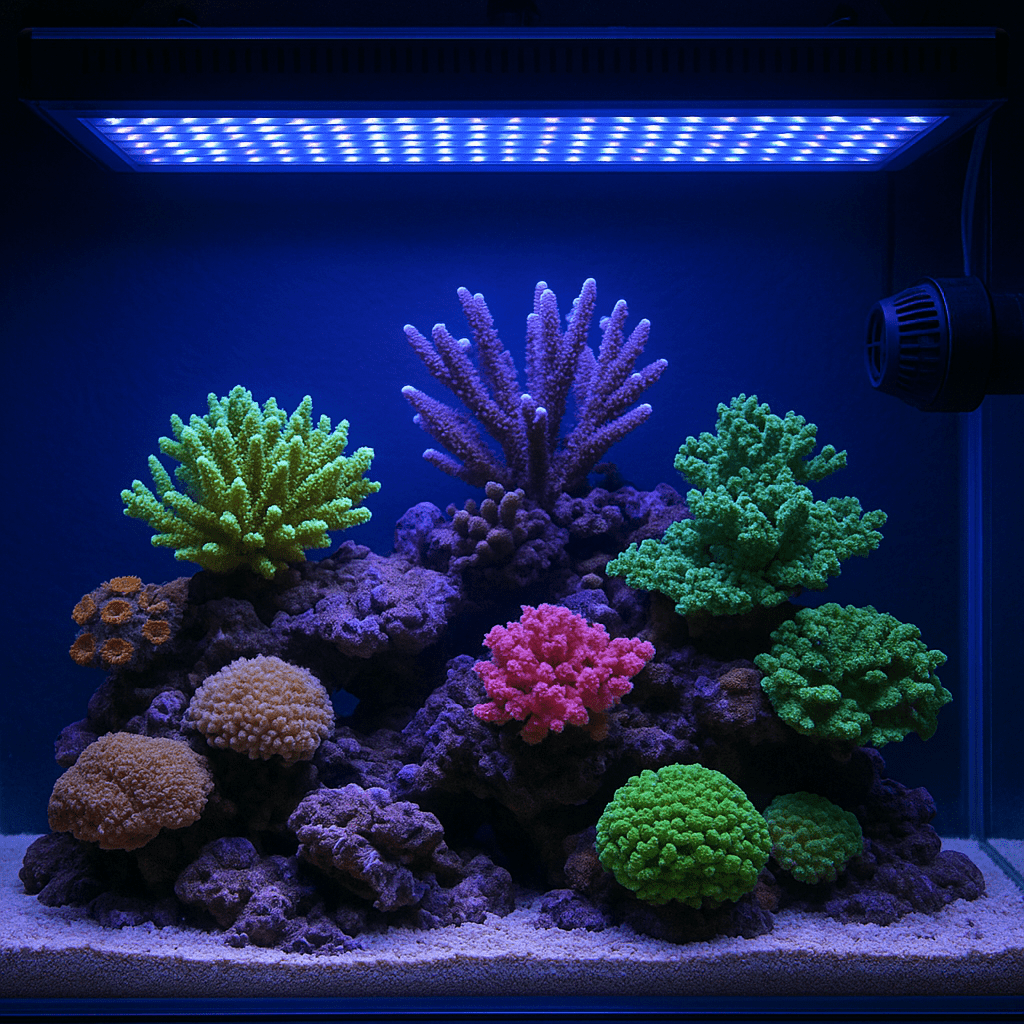
When most reef keepers think of SPS (Small Polyp Stony) corals, they picture demanding Acropora and ultra-high lighting. The good news is that there are easy SPS corals that beginners can keep successfully with the right approach. These hardy species let you enjoy the clean, branching look of SPS without the stress of chasing every single parameter to perfection.
In this guide, we’ll look at the easiest SPS corals, what they need to thrive, and how to transition from softies and LPS to your first SPS “sticks.”
Best Beginner SPS Corals
Before you buy a high-end acro, start with hardy, forgiving species. These corals will help you learn SPS care while giving your tank a more advanced look.
Montipora (Monti Caps & Digitata)
Montipora are among the most popular easy SPS corals. They grow in plates, encrusting layers, or branching forms and come in bright reds, greens, and purples.
- Lighting: Moderate to high (PAR ~150–250)
- Flow: Moderate to strong, random flow is best
- Why they’re easy: Adaptable, grow quickly, and recover well from minor mistakes.
For more on dialing in your lights before adding SPS, check out our guide on reef lighting.
Birdsnest (Seriatopora)
Birdsnest corals offer a classic SPS look with thin, branching skeletons and bright polyps.
- Lighting: Moderate (PAR ~150–200)
- Flow: Strong, but not blasting directly at the coral
- Why they’re easy: Fast-growing and tolerant of slightly less-than-perfect conditions.
Stylophora & Pocillopora
These chunky, bushy SPS corals are tough and colorful, making them ideal for your first “sticks.”
- Lighting: Moderate to high
- Flow: Moderate, with good movement around the colony
- Why they’re easy: They adapt well to different tanks and are less finicky than many Acropora.
Key Requirements for Easy SPS Success
While these corals are more forgiving, they still need stability and good husbandry. Focus on consistency rather than chasing perfect numbers.
Stable Water Parameters
- Alkalinity: 8–9 dKH (keep daily swings under 0.3 dKH)
- Calcium: 400–450 ppm
- Magnesium: 1300–1400 ppm
- Nitrate: 5–15 ppm
- Phosphate: 0.03–0.1 ppm
Tip: Test alkalinity at the same time each day. If you see a steady drop, it’s time to start dosing or adjust your current dosing schedule.
If you’re new to testing and dosing, read our walkthrough on reef tank water parameters to build a solid foundation.
Flow and Placement
SPS corals need good water movement to bring nutrients and remove waste.
- Aim powerheads across the tank, not directly at the coral.
- Place Montipora caps higher up where they can catch light and flow.
- Give birdsnest and stylophora room to grow without touching neighbors.
As your colonies grow, be ready to trim and re-home frags to prevent shading and aggression. Our article on aquascaping reef tanks can help you plan for future SPS growth.
Feeding and Nutrients
Easy SPS corals don’t need heavy target feeding, but they do appreciate:
- Stable, non-zero nitrate and phosphate levels
- Occasional broadcast feeding of fine coral foods
- Regular fish feeding, which provides dissolved nutrients
Bringing Easy SPS into Your Reef
Start with one or two hardy SPS frags and place them in stable, well-lit, and well-flowed areas. Watch their color and polyp extension for feedback—happy SPS will show fuzzy polyps and gradual growth. Once you’ve kept these easy SPS corals thriving for a few months, you’ll be ready to explore more advanced species with confidence.
With patience, testing, and small, consistent adjustments, even a beginner can build a beautiful SPS-dominated reef—starting with these forgiving, easy SPS corals.
Sources
- Borneman, E. H. Aquarium Corals: Selection, Husbandry, and Natural History. TFH Publications.
- Delbeek, J. C., & Sprung, J. The Reef Aquarium series. Ricordea Publishing.
- Manufacturer guidelines and PAR charts from popular reef LED brands for SPS lighting ranges.
Was this helpful?
Related Posts
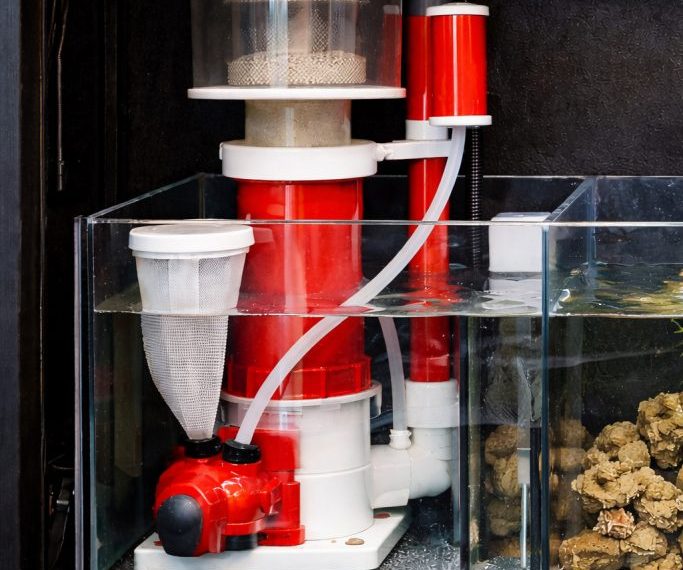
Protein Skimmer Reef Tank Guide
Learn how a protein skimmer works, how to size one, and how to tune it for a cleaner,…
 By
By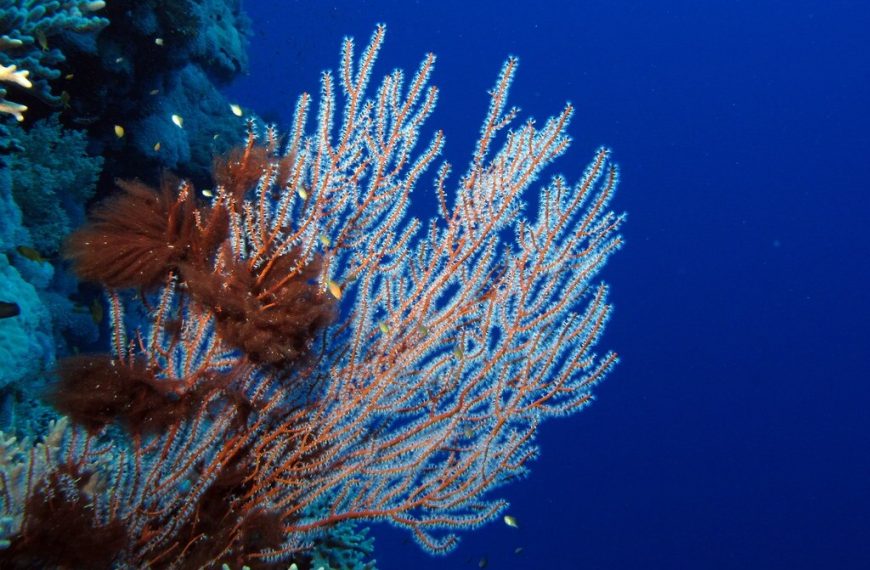
Reef Aquarium Water Parameters
Learn the ideal reef aquarium water parameters, safe ranges, and how to keep salinity, alkalinity, nutrients, and pH…