

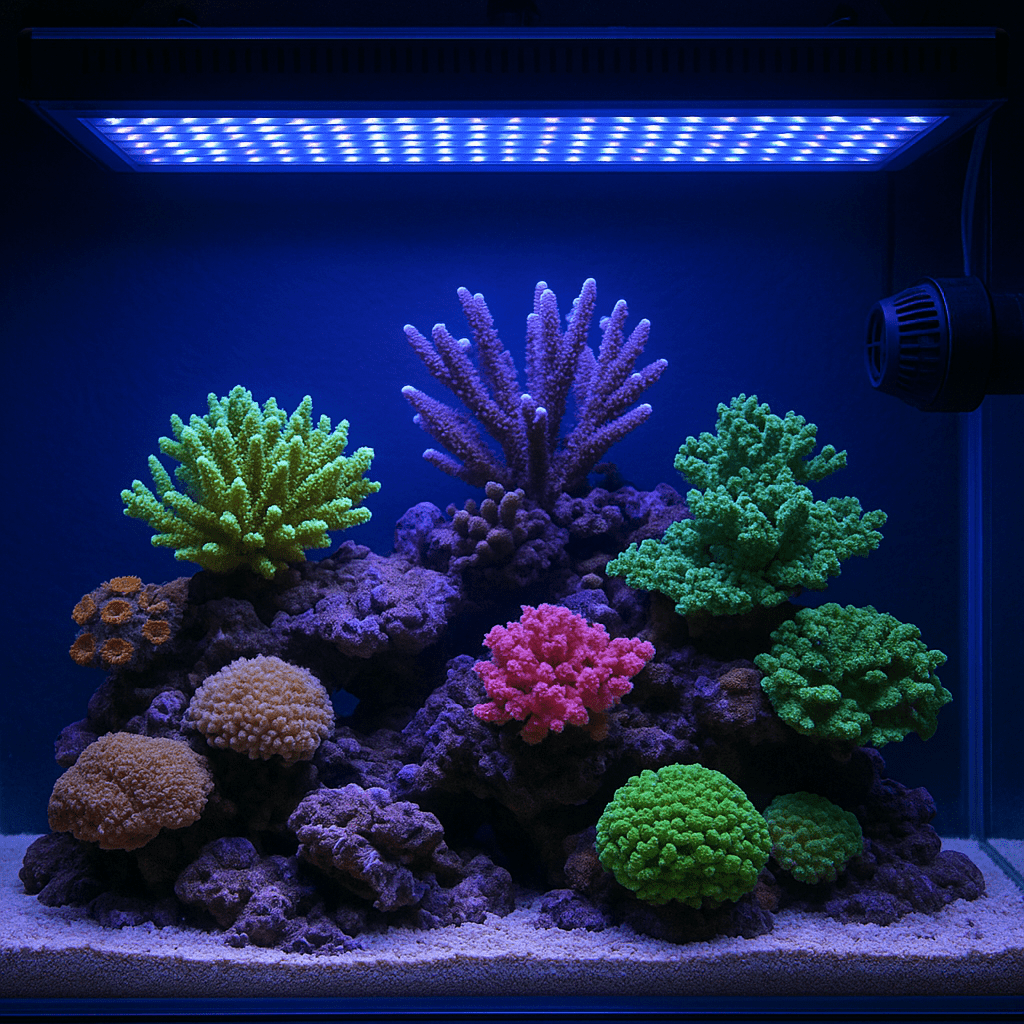
SPS corals need stable alkalinity more than they need a perfect number. Most tanks do best when alkalinity stays within about 0.2 to 0.5 dKH day to day. Larger swings can slow growth, dull color, and trigger tissue loss, especially in Acropora-dominant systems.
Many reef keepers chase a specific alkalinity target. That often causes more harm than good. SPS corals build skeleton fast, so they react to changes in carbonate availability. They can usually adapt to 7.5 dKH or 9.0 dKH. They struggle when the level moves up and down. In this guide, you will learn how stable alkalinity needs to be for SPS, what swing range is acceptable, how alkalinity interacts with nutrients and calcium, and how to fix common instability problems before corals show stress.
Quick Reference Table
| Parameter | Recommended Range for SPS | Why It Matters |
|---|---|---|
| Alkalinity target | 7.5 to 9.0 dKH | Supports calcification and pH stability |
| Ideal daily swing | 0.2 to 0.3 dKH | Helps prevent stress and burnt tips |
| Maximum acceptable swing | Up to 0.5 dKH | Usually safe in mixed reefs |
| Calcium | 400 to 450 ppm | Works with alkalinity for skeleton growth |
| Magnesium | 1250 to 1400 ppm | Helps keep alkalinity and calcium balanced |
| Nitrate | 2 to 15 ppm | Very low nutrients can worsen alk stress |
| Phosphate | 0.03 to 0.10 ppm | Too low can increase sensitivity to high alk |
The table gives a practical target. It is not a strict rule. Every mature reef develops its own rhythm. The key is matching your dosing and nutrient levels to coral demand.
What “Stable” Alkalinity Really Means for SPS
Stable alkalinity means predictable alkalinity. It does not mean a perfectly flat line. Every reef tank rises and falls a little during the day. Corals consume carbonate. Coralline algae also uses it. Water changes can raise it. Dosing can create short spikes if added too fast.
For most SPS tanks, a daily change under 0.3 dKH is excellent. A swing between 0.3 and 0.5 dKH is often manageable. Above 0.5 dKH, problems become more likely. Sensitive Acropora may lose color first. Then you may see pale tips, reduced polyp extension, or sudden tissue recession.
The exact target matters less than consistency. An SPS reef can thrive at 7.8 dKH for years. Another may do well at 8.6 dKH. Trouble starts when hobbyists react too quickly to one test result. Large corrections often create the instability they hoped to avoid.
Best Alkalinity Range for SPS Corals
A safe range for SPS is usually 7.5 to 9.0 dKH. Many successful hobbyists keep tanks near natural seawater. That means about 7 to 8 dKH. Others run 8.0 to 8.5 dKH for a little extra buffering. Both approaches can work well.
Your nutrient level should guide your target. Low nutrient tanks often do better with lower alkalinity. Ultra-clean systems can show burnt tips when alkalinity is pushed too high. That happens because fast skeleton growth outpaces tissue growth. Tanks with moderate nitrate and phosphate often tolerate 8.5 to 9.0 dKH more easily.
If you are unsure, aim for 8.0 to 8.5 dKH. That range is forgiving. It also fits many salt mixes. Pick a target you can actually hold. A stable 8.2 is better than bouncing between 7.4 and 8.8 every week.
Why SPS Corals React So Strongly to Alkalinity Swings
SPS corals deposit calcium carbonate rapidly. That process depends on alkalinity, calcium, magnesium, pH, and energy from light. When alkalinity changes fast, the coral must adjust its internal chemistry. That costs energy. Sensitive species may fail to keep up.
Acropora are often the first to show stress. You may see lighter growth tips. You may also see tip burn, patchy recession, or reduced daytime polyp extension. Montipora can fade or stop plating. Birdsnest may become brittle and lose tissue at branch bases.
Sudden increases are often worse than slow declines. A quick jump from 7.2 to 8.5 dKH can shock corals. A gradual drop from 8.3 to 7.8 over several days is usually less dangerous. That does not mean low alkalinity is harmless. It means rate of change matters greatly in SPS husbandry.
How Nutrients Affect Alkalinity Tolerance
Alkalinity never acts alone. Nitrate and phosphate strongly affect how SPS respond. This is why one reefer can run 9 dKH successfully while another sees burnt tips at the same level.
In low nutrient systems, coral tissue can become thin. Growth tips may be especially vulnerable. High alkalinity can then push skeleton growth too hard. The tissue cannot keep pace. The result is white or damaged tips. This issue is common in tanks with aggressive nutrient export, heavy skimming, and oversized refugiums.
In moderate nutrient systems, corals often have more energy reserves. They usually tolerate a slightly higher alkalinity target. That does not mean dirty water is better. It means balance is better. Keep nitrate and phosphate detectable. Avoid trying to run zero on hobby test kits.
If your nutrients are very low, keep alkalinity closer to 7.5 to 8.0 dKH. If nutrients are moderate and stable, 8.0 to 8.5 dKH is often a comfortable zone.
How to Keep Alkalinity Stable in an SPS Tank
Stability starts with knowing your tank’s demand. Test alkalinity at the same time each day for several days. Measure how much it drops without adjustment. That tells you how much your corals and coralline algae consume.
Then match dosing to that demand. Small, frequent doses work best. Manual dosing once per day can work in smaller systems. Automatic dosers are usually better for SPS tanks. They spread additions across many hours. That reduces spikes.
Choose a method that fits your reef. Two-part dosing is simple and precise. Kalkwasser can help when demand is moderate. Calcium reactors are excellent for larger, mature SPS systems. Each method can maintain strong stability when tuned properly.
Also test your salt mix. Some mixes are much higher in alkalinity than your tank target. Large water changes with a high-alk salt can create a sudden jump. That is a common cause of mystery SPS stress.
Step-by-Step: Find and Maintain Your Target Alkalinity
- Pick a realistic target, such as 8.0 or 8.3 dKH.
- Test alkalinity at the same hour for three to five days.
- Calculate average daily consumption.
- Set your doser to replace that amount slowly.
- Retest after two days and adjust in small increments.
- Keep calcium and magnesium in range.
- Check nitrate and phosphate if corals react poorly.
- Avoid corrections larger than 0.5 dKH per day.
This process sounds simple because it is. The hard part is patience. Small corrections protect SPS far better than aggressive chasing.
Aquarium Setup Factors That Influence Alkalinity Stability
Tank size matters. Larger systems usually swing less. A nano SPS tank can change fast. A heavily stocked 20-gallon reef may consume a surprising amount of alkalinity each day. Missing one dose can have visible effects. A 120-gallon system usually gives you more buffer.
Coral density also matters. A few frags use little alkalinity. A mature Acropora colony garden can consume large amounts daily. Coralline algae adds to that demand. So do clams and other calcifying organisms.
Good flow and stable pH help corals use alkalinity efficiently. Poor gas exchange can suppress pH and slow calcification patterns. That can make consumption seem inconsistent. Strong husbandry basics improve alk stability indirectly. Stable salinity also matters because test results shift when salinity drifts.
Helpful reads: reef tank parameters, how to dose kalkwasser, best SPS coral placement, and reef tank water change guide.
Common Problems
Why are my SPS tips burning?
Burnt tips often point to high alkalinity in a low nutrient tank. Rapid alkalinity increases can cause it too. Check nitrate and phosphate first. Then review your recent dosing changes. If alkalinity is above your normal range, lower it slowly. Do not crash it down.
Why does alkalinity keep dropping every day?
Daily drops are normal in growing reefs. They become a problem when dosing does not match demand. Test consumption over several days. Also check magnesium. Low magnesium can make alkalinity harder to maintain. Inspect dosing pumps for clogged lines or calibration drift.
Can a water change cause SPS stress?
Yes. It often happens when new saltwater has much higher alkalinity than the display. Even a healthy water change can shock SPS if the difference is large. Always test fresh saltwater before major changes. Match salinity, temperature, and alkalinity as closely as possible.
Should I raise low alkalinity quickly?
No. Raise it slowly unless there is an extreme emergency. A correction of 0.3 to 0.5 dKH per day is usually safer. SPS handle gradual recovery better than sudden swings. Stability beats speed almost every time.
Propagation and Fragging Considerations
Why alkalinity matters after fragging
Fresh frags are already stressed. They need energy to heal cut surfaces and encrust new plugs. Alkalinity swings during this period can slow recovery. Keep your target steady for at least the first two weeks after fragging or adding new SPS frags.
Best practice for new frags
Test alkalinity more often after adding many frags. New growth can increase demand faster than expected. Place frags in stable flow and light. Avoid changing multiple parameters at once. If a frag struggles, review alkalinity history before changing lights or flow.
Frequently Asked Questions
Is 1 dKH swing too much for SPS?
Yes. A 1 dKH daily or sudden swing is too much for many SPS corals. Some hardy pieces may survive it. Sensitive Acropora often will not appreciate it.
What is the best alkalinity for Acropora?
Most Acropora do well around 7.8 to 8.5 dKH. The best number is the one you can hold consistently while keeping nutrients detectable.
Can SPS tolerate low alkalinity?
Yes, if it is stable. Many successful reefs run near natural seawater levels. Problems usually come from instability, not simply from being slightly lower.
How often should I test alkalinity in an SPS tank?
Test daily when dialing in dosing. Once stable, many hobbyists test two to three times weekly. Heavy SPS systems may still benefit from daily checks.
Does pH matter as much as alkalinity?
Both matter, but alkalinity stability is usually the bigger issue day to day. Good pH supports growth, yet unstable alkalinity tends to create faster visible stress.
Final Takeaway
If you keep SPS, aim for consistency first. A stable alkalinity between 7.5 and 9.0 dKH works for most reefs. Try to keep daily movement under 0.3 dKH. Avoid large corrections. Match alkalinity to your nutrient level. When in doubt, choose the target you can hold every day. SPS reward stability far more than perfection.
Was this helpful?
Related Posts
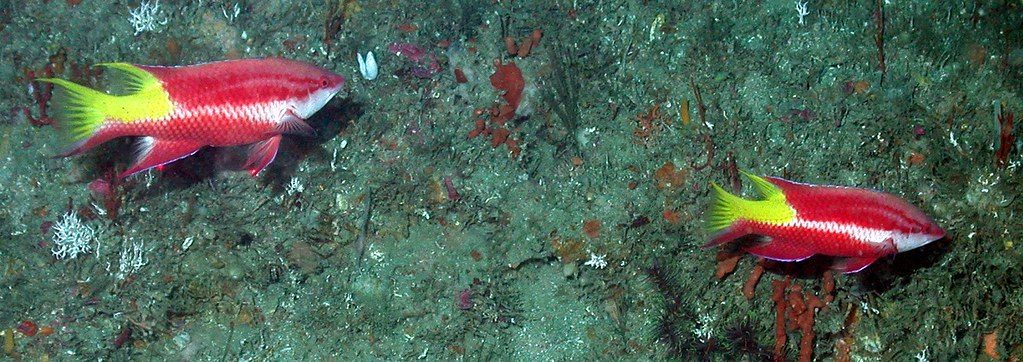
Cuban Hogfish (bodianus Pulchellus)
Cuban Hogfish care is straightforward in larger reef tanks. Learn tank size, diet, compatibility, and reef safety before…
 By
ByWhat to Do During a Power Outage
A reef tank power outage demands fast action. Protect oxygen, temperature, and circulation first to keep fish and…
 By
By[favorite_button]
My Bookmarks:
To see full list click here
[user_favorites user_id="" include_links="true" site_id="" post_types="" include_thumbnails="true" thumbnail_size="thumbnail" include_excerpt="false"]