

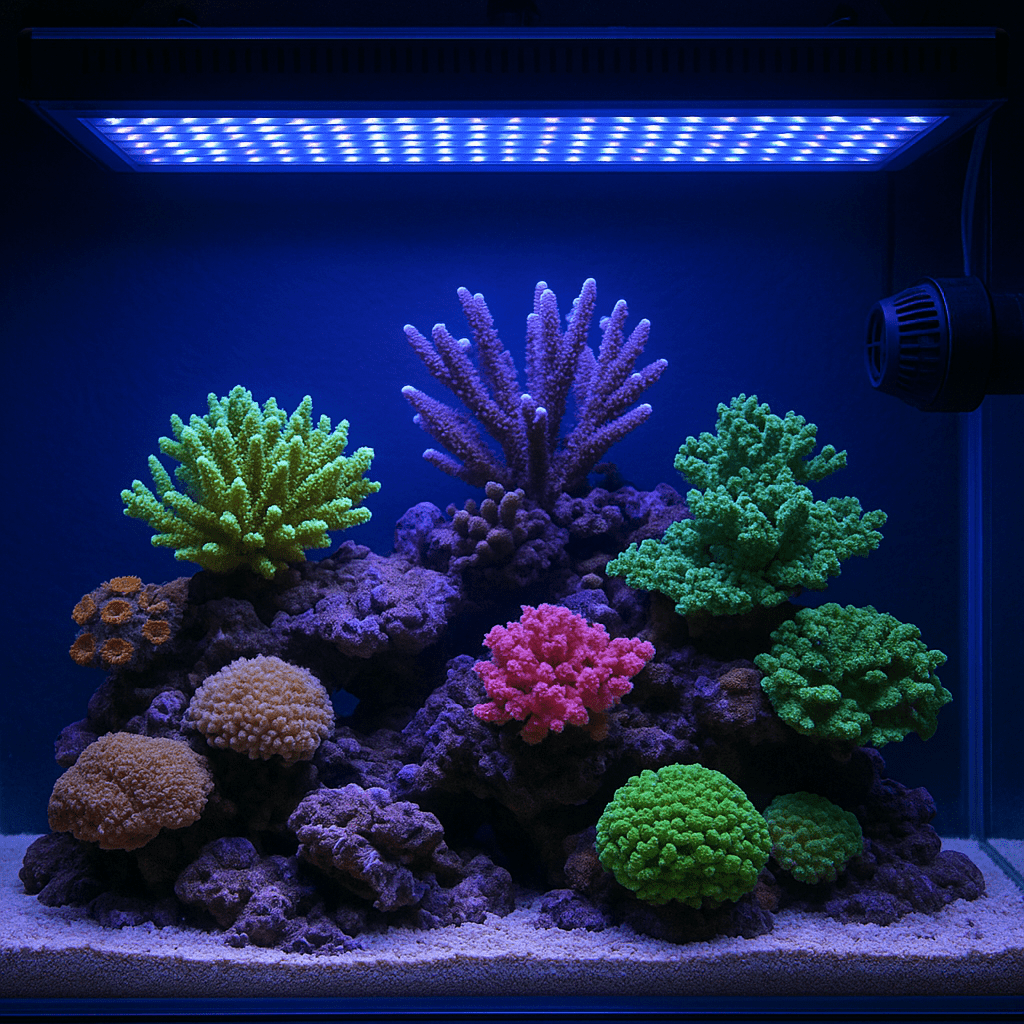
Fragging coral without stress comes down to timing, clean cuts, stable water, and proper aftercare. When you prepare tools, handle tissue gently, and match the fragging method to the coral type, you can grow new colonies while keeping the mother coral healthy.
Many reef keepers want to frag coral but worry about causing damage. That concern is valid. Coral tissue can tear, slime, bleach, or even die if the process is rushed. The good news is that safe coral fragging is very achievable at home. You just need the right setup and a calm approach. In this guide, you will learn how to frag soft corals, LPS corals, and SPS corals with less risk. You will also learn how to prepare your tank, what tools to use, how to reduce infection, and how to help frags heal fast. These steps work for beginners and intermediate reef hobbyists alike.
Quick Reference Fragging Table
| Coral Type | Best Tool | Stress Level | Main Risk | Healing Time |
|---|---|---|---|---|
| Soft coral | Scalpel or scissors | Low to moderate | Tissue tearing | 5 to 14 days |
| LPS coral | Bone cutters or coral saw | Moderate | Skeleton cracking into tissue | 1 to 3 weeks |
| SPS coral | Bone cutters | Low to moderate | RTN or STN from stress | 1 to 2 weeks |
| Mushroom coral | Scalpel | Moderate | Floating away after cutting | 1 to 3 weeks |
Use this table as a quick guide before you start. Different corals respond very differently to cutting. Matching the tool and method to the coral makes a huge difference.
Why Corals Get Stressed During Fragging
Corals react to fragging like any living animal would react to injury. They produce mucus. They retract tissue. Some release toxins. Others shut down feeding for a few days. Stress rises when cuts are rough, exposure to air is long, or water quality is poor. Temperature swings also make healing harder.
The biggest mistake is treating all corals the same. A branching SPS coral often handles a quick snap well. A fleshy LPS coral does not. A mushroom can survive slicing, but it needs special containment after the cut. If you understand the coral’s structure, you can choose the least invasive method. That lowers stress and improves survival.
Healthy corals also recover faster than weak ones. Never frag a coral that is bleaching, receding, infected, or recently added. Wait until it is fully extended, feeding normally, and showing growth. Stable alkalinity, calcium, magnesium, salinity, and temperature matter just as much as the cut itself.
Tools and Supplies You Need
Set up everything before you remove a coral from the tank. This saves time and reduces stress. Most reef keepers need coral cutters, a scalpel, frag plugs, reef-safe glue gel, iodine dip, a clean towel, gloves, eye protection, and small containers filled with tank water.
Bone cutters work well for branching SPS and some small LPS skeletons. A diamond band saw is better for thick LPS skeletons like acans, favia, or euphyllia branches. Sharp scalpels help with zoanthids, leathers, mushrooms, and encrusting tissue. Wear gloves with zoanthids. Some can contain palytoxin. Eye protection is also smart during any cutting.
Prepare one container for cutting and one for rinsing. If you use an iodine-based coral dip after fragging, keep the concentration mild and follow the product instructions. The goal is to reduce bacterial pressure, not add more stress. Clean tools between corals to avoid spreading pests or infection.
Step-by-Step Guide to Frag Coral Without Stressing It
1. Choose the right time
Frag only healthy, established corals. Avoid fragging right after a tank move, parameter swing, or pest treatment. Corals heal best in stable systems. If your tank has had recent alkalinity swings, wait.
2. Prepare a clean workspace
Lay out tools in advance. Fill bowls with tank water. Place frag plugs nearby. Work quickly but calmly. Short handling time means less stress.
3. Remove the coral carefully
If possible, remove only the rock or plug, not the whole aquascape. Keep the coral submerged as much as possible. Many corals tolerate brief air exposure, but less is usually better.
4. Make one clean cut
Do not crush tissue. Do not saw back and forth with dull tools. For SPS, cut between branches. For LPS, cut through exposed skeleton while avoiding fleshy mouths. For soft corals, slice cleanly through the stalk or mat.
5. Rinse and dip if needed
Rinse the frag in clean tank water to remove mucus and debris. A short iodine dip can help reduce infection risk after cutting, especially for LPS and soft corals.
6. Mount the frag securely
Use reef-safe glue gel, epoxy, mesh, or a frag cup depending on the coral. Loose frags tumble, which tears tissue and delays healing.
7. Place the frag in low-stress conditions
Start with moderate light and gentle to moderate flow. Too much light can shock a fresh cut. Too little flow can trap mucus and waste. Aim for balance.
Fragging Methods by Coral Type
Soft corals
Soft corals include leathers, kenya tree, xenia, and many zoanthids. These corals often heal fast, but they can slime heavily. Use a sharp scalpel or scissors. Make a clean cut through the stalk or mat. Then secure the frag with mesh, a rubber band placed loosely, or a shallow frag cup with rubble. Glue does not always hold slimy soft tissue well at first.
LPS corals
LPS corals need more caution because fleshy tissue sits over a hard skeleton. Examples include hammer coral, frogspawn, acans, candy cane, and favia. Branching LPS are easier than wall types. Cut only where skeleton is visible and where tissue is not stretched tightly. Wall hammers and wall frogspawn are poor beginner fragging choices. They often tear badly and decline after cutting.
SPS corals
SPS corals like acropora, montipora, and birdsnest usually frag well when healthy. Use bone cutters to clip a branch tip or side branch. Avoid cutting a stressed colony. Dip if needed, then glue the base to a dry frag plug. Return it to stable flow quickly. SPS frags often prefer stronger flow after the first day, once mucus clears.
Mushroom corals
Mushrooms can be sliced, but they are messy. Cut through the mouth when dividing evenly. Then place pieces in a low-flow container with rubble or mesh until they attach. Do not release fresh mushroom cuts into high flow. They will drift away.
Aquarium Setup for Healing Frags
A separate frag tank is helpful, but not required. Many hobbyists heal frags in a display tank successfully. The key is placement. Fresh cuts need stable water, enough flow to keep surfaces clean, and lighting that does not overwhelm damaged tissue.
Place new frags on a rack or low-risk area where fish, crabs, and snails cannot knock them over. Keep salinity stable around your normal reef target. Avoid sudden alkalinity corrections. Keep nutrients in a reasonable range. Ultra-low nutrients can slow healing. Dirty water can fuel infection. Stability matters more than chasing perfect numbers.
If your tank houses aggressive coral neighbors, leave extra space around healing frags. Sweeper tentacles and chemical warfare can stress fresh cuts badly. Running activated carbon can help in mixed reefs, especially after cutting leathers or other soft corals that release compounds into the water.
Lighting Requirements After Fragging
Freshly fragged coral should not go straight under intense light unless it already lived there and the cut was minor. Start slightly lower than the parent colony’s usual position. This reduces light shock while the coral directs energy toward healing.
Soft corals usually tolerate moderate light during recovery. LPS often do best in lower to moderate light for the first several days. SPS can return to stronger light sooner, but not always on the same day. Watch for bleaching, tissue recession, or failure to extend polyps. Those signs suggest too much stress.
If you use LEDs, consider reducing intensity slightly in the frag area. You can also use a frag rack lower in the tank, then move the coral up over one to two weeks. This simple acclimation step prevents many avoidable losses.
Water Flow After Fragging
Flow helps coral heal, but direct blasting flow can strip tissue from a fresh cut. Aim for indirect, random movement. The coral should sway slightly or show gentle polyp movement. Mucus should not sit on the wound.
Soft corals benefit from enough flow to shed slime. LPS prefer moderate flow that does not whip fleshy tissue. SPS usually need stronger overall flow, though a fresh frag should still avoid a harsh direct stream. If detritus collects on the frag, increase flow slightly. If tissue stays tightly retracted or peels, reduce it.
Good flow also lowers bacterial pressure by keeping the cut clean. That is one reason stagnant frag racks often lead to poor healing, especially in crowded systems.
Propagation and Fragging Tips for Better Success
Take smaller cuts first
Beginners often cut too much. Start with one or two small frags. This lowers stress on the mother colony. It also lets you test how the coral responds.
Protect the mother colony
Leave enough tissue and structure behind. Never over-harvest a small colony. A healthy mother colony should still look balanced after fragging.
Label your frags
Track species, cut date, and placement. This helps you learn healing times and growth rates. It also helps if you trade or sell coral later.
Common Problems
Why is my coral frag not opening?
Many frags stay closed for a day or two. That can be normal. Check flow, light, and placement first. If the coral is covered in mucus or detritus, improve gentle flow. If tissue looks intact, give it time. If tissue starts melting, infection or severe stress is more likely.
Why is the frag turning white?
Whitening can mean bleaching or tissue loss. Too much light is a common cause. Sudden alkalinity swings can also trigger it. Move the frag to lower light and confirm stable parameters. For SPS, inspect for rapid tissue necrosis. Act fast if recession spreads.
Why did the frag detach from the plug?
Fresh cuts often slime too much for glue to hold. Dry the mounting point better next time. Use a thicker glue gel. For soft corals and mushrooms, use mesh, rubble, or a frag cup instead of forcing glue.
Why is the mother colony upset after fragging?
Some colonies sulk after cutting. Check for damaged tissue around the cut site. Increase water quality support with stable parameters and activated carbon. Avoid repeated cutting. Let the colony recover fully before fragging again.
Frequently Asked Questions
How long does it take a coral frag to heal?
Most soft coral and SPS frags show recovery in days. Full healing often takes one to three weeks. LPS can take longer.
Should I dip coral after fragging?
A mild iodine dip can help reduce infection risk. It is often useful for LPS and soft corals. Follow product directions carefully.
Can I frag a stressed coral to save it?
Sometimes, yes. This is common with dying SPS tips or infected sections. But routine fragging should only be done on healthy corals.
What is the easiest coral to frag for beginners?
Kenya tree, green star polyps, many zoanthids, and branching montipora are common beginner choices. Wall LPS are not.
Can fish bother healing frags?
Yes. Some fish nip fresh cuts. Crabs and snails can also knock frags loose. Place healing frags in a protected area.
Final Tips for Low-Stress Coral Fragging
The best coral fragging results come from patience. Do not rush the cut. Do not frag unhealthy corals. Match the method to the species. Keep tools clean. Keep water stable. Then give the coral time to recover.
If you are new to propagation, start with hardy soft corals or branching SPS. Build confidence first. More delicate LPS can wait. Safe fragging is one of the most rewarding reef keeping skills. It saves money, grows your collection, and lets you share healthy coral with other hobbyists.
For more help, read our guides on coral placement, reef tank water parameters, best coral dip guide, how to acclimate coral, and frag tank setup guide.
Was this helpful?
Related Posts
Cuban Hogfish (bodianus Pulchellus)
Cuban Hogfish care is straightforward in larger reef tanks. Learn tank size, diet, compatibility, and reef safety before…
 By
ByWhat to Do During a Power Outage
A reef tank power outage demands fast action. Protect oxygen, temperature, and circulation first to keep fish and…
 By
By[favorite_button]
My Bookmarks:
To see full list click here
[user_favorites user_id="" include_links="true" site_id="" post_types="" include_thumbnails="true" thumbnail_size="thumbnail" include_excerpt="false"]