

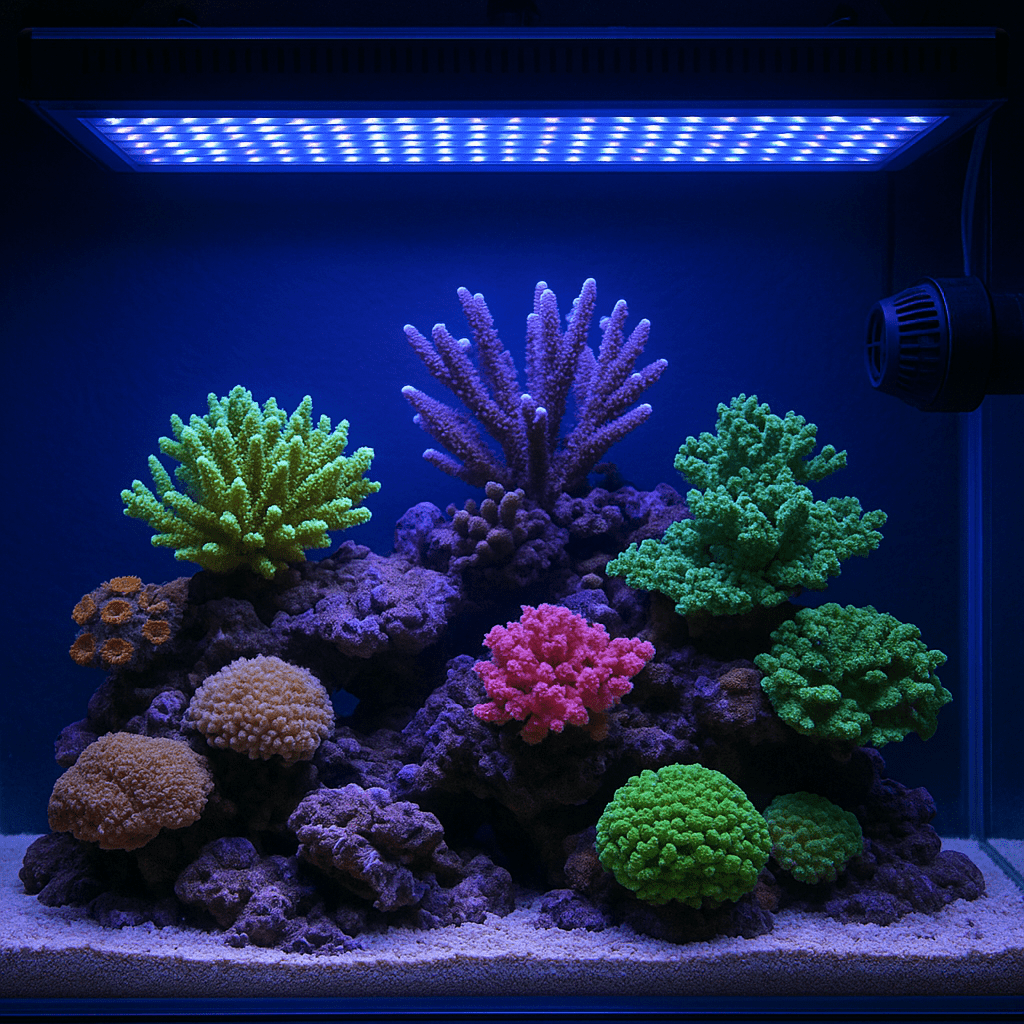
Setting up a saltwater aquarium is easier when you follow a clear order. Start with the right tank, stable equipment, mixed saltwater, and a patient cycle. That simple approach prevents many beginner mistakes and gives fish and corals a much better start.
A new marine tank can feel intimidating at first. There are more moving parts than in many freshwater setups. You need salt mix, strong filtration, stable salinity, and a plan for cycling. The good news is that success comes from consistency, not guesswork. In this guide, you will learn how to choose the right tank, pick essential equipment, mix saltwater, build your aquascape, cycle the system, and add livestock safely. You will also learn common mistakes to avoid. By the end, you will have a practical roadmap for building a healthy saltwater aquarium that stays stable long term.
Quick Reference Table
| Category | Recommendation |
|---|---|
| Best beginner tank size | 40 to 75 gallons |
| Salinity | 1.025 specific gravity |
| Temperature | 76 to 78°F |
| pH | 8.1 to 8.4 |
| Ammonia | 0 ppm |
| Nitrite | 0 ppm |
| Nitrate | Under 20 ppm for fish-only, lower for reefs |
| Cycle time | Usually 3 to 6 weeks |
| Water source | RODI water preferred |
| Flow | Moderate to strong, depending on livestock |
Why Saltwater Tank Setup Order Matters
Marine aquariums reward patience. They also punish rushed decisions. Many problems start before the first fish enters the tank. Poor water source choices, weak filtration, and unstable salinity create stress fast. That stress often leads to algae blooms, disease, or livestock loss.
The best setup method is simple. Build the system first. Test everything. Then cycle the tank fully. After that, add animals slowly. This order gives beneficial bacteria time to grow. Those bacteria process toxic waste and keep the tank safe.
Bigger tanks are usually easier for beginners. More water means slower swings in salinity and temperature. That extra stability gives you more room for error. Small tanks can look appealing. They often cost less upfront. But they demand tighter maintenance and faster corrections. If possible, choose a tank you can comfortably maintain for years, not weeks.
Choose the Right Saltwater Aquarium
Tank choice shapes everything that follows. A beginner-friendly saltwater aquarium should be large enough to stay stable and simple enough to maintain. For most hobbyists, 40 to 75 gallons is a strong starting range. That size gives enough water volume for stability without becoming overwhelming.
Decide early if you want a fish-only tank or a reef tank. Fish-only systems are usually simpler. Reef tanks need stronger lighting, more flow, and tighter nutrient control. If corals are your long-term goal, buy equipment that can support them from the start. Upgrading twice costs more.
Also think about location. Place the aquarium on a level floor away from direct sunlight, vents, and busy doorways. Sunlight can fuel algae. Air vents can swing temperature. High traffic can stress shy fish. Make sure the stand supports the full weight. Saltwater tanks are heavy once filled with water, rock, and sand.
Essential Equipment You Need
You do not need every gadget on day one. You do need reliable basics. Start with the tank, stand, heater, return pump if using a sump, powerheads for flow, and a quality light. If you plan to keep coral, the light matters even more. Weak lighting limits your coral choices later.
Filtration can be simple or advanced. Many beginner systems use live rock, filter socks or floss, a protein skimmer, and biological media. A sump adds water volume and hides equipment. Hang-on-back systems can also work on smaller tanks. The key is consistency and enough biological filtration.
You also need a refractometer or a reliable salinity meter. Do not guess salinity. A thermometer is also essential. Marine fish and corals need stable temperature. Use test kits for ammonia, nitrite, nitrate, pH, alkalinity, and phosphate. Reef keepers should eventually monitor calcium and magnesium too. Good equipment prevents many avoidable problems.
Water Source, Salt Mix, and Substrate
Water quality starts before the tank is filled. Tap water often contains nitrate, phosphate, silicate, chlorine, copper, and other contaminants. Those can cause algae issues and harm invertebrates. RODI water is the safer choice. It gives you a clean starting point and more predictable chemistry.
Mix saltwater in a separate container. Use a heater and a pump to circulate it. Let it mix fully before use. Match salinity to about 1.025 specific gravity for most reef systems. Match temperature too. Sudden changes stress fish and beneficial bacteria.
For substrate, many hobbyists choose aragonite sand. It looks natural and supports burrowing animals. A shallow sand bed is easy to keep clean. Bare-bottom tanks are also an option, especially for high-flow systems. Avoid very deep sand unless you understand the maintenance needs. If you use dry sand, expect some cloudiness at first. That usually settles within a day or two.
Aquascaping With Live Rock or Dry Rock
Rockwork is the biological backbone of many saltwater aquariums. It also shapes flow, swimming space, and coral placement. Dry rock is popular today because it is clean, pest-free, and easy to source. Live rock can add biodiversity and speed up maturity, but it may also bring unwanted hitchhikers.
Build an open aquascape. Leave room around the glass for cleaning. Create caves and arches for fish to hide. Keep enough open sand for easy maintenance. Avoid stacking rock against the back wall. That traps detritus and reduces flow. Stable rockwork is critical. If needed, use reef-safe mortar, rods, or epoxy.
Think ahead to coral growth. Corals expand over time. Fish also need clear swimming lanes. A clean, open structure often works better than a giant rock pile. It looks more natural and helps prevent dead spots where waste collects.
Step-by-Step Guide to Set Up a Saltwater Aquarium
- Place the tank on a level stand in a stable location.
- Rinse the empty tank if needed. Never use soap.
- Add sand if you want a sand bed.
- Position your rockwork securely before filling fully.
- Fill with mixed saltwater or add RODI water and then mixed saltwater as planned.
- Install the heater, pumps, filtration, and skimmer.
- Start all equipment and check for leaks.
- Adjust salinity to 1.025 and temperature to 76 to 78°F.
- Add a bacterial source and an ammonia source to begin cycling.
- Test ammonia, nitrite, and nitrate every few days.
- Wait until ammonia and nitrite reach zero.
- Perform a water change before adding the first fish.
This process looks simple because it is. The hard part is waiting. Do not add fish during the early ammonia stage. That is when the tank is least stable. Let the bacteria establish first. Patience here saves money and livestock later.
How to Cycle a Saltwater Aquarium
Cycling means growing enough beneficial bacteria to process waste. In a new tank, ammonia rises first. Then bacteria convert ammonia into nitrite. Later, another group converts nitrite into nitrate. Ammonia and nitrite are dangerous. Nitrate is less toxic but still needs control.
You can start the cycle with bottled bacteria and a measured ammonia source. This method is cleaner and more controlled than using raw shrimp. Test every few days. During the cycle, ammonia will rise, then fall. Nitrite will rise, then fall too. When both ammonia and nitrite test at zero after dosing, the tank is close to ready.
Do not rush this stage. Many new hobbyists see one good test and add too many fish. Add livestock slowly. The bacteria colony must grow with the bioload. A large first stocking often causes mini-cycles. Those stress fish and feed nuisance algae.
Lighting Requirements and Water Flow
If your tank will only house fish, lighting is mostly for viewing. If you want corals, lighting becomes a major decision. Soft corals often tolerate moderate light. Many LPS corals prefer moderate levels too. SPS corals usually need stronger, more stable light. Buy a fixture that matches your long-term livestock plan.
Flow matters just as much. Saltwater tanks need circulation to move oxygen, suspend waste, and prevent dead zones. Reef tanks often need moderate to strong, random flow. Fish-only tanks can use gentler flow, but still need good gas exchange. Aim powerheads so they create movement without blasting one spot constantly.
Watch your tank after setup. Detritus collecting in corners means weak flow there. Sandstorms mean flow is too direct or too strong. Small adjustments make a big difference. Good flow helps corals stay clean and healthy. It also supports stable oxygen levels overnight.
Adding Fish, Corals, and Cleanup Crew
Once the cycle is complete, stock the tank slowly. Start with hardy, peaceful fish. Good beginner choices often include clownfish, firefish, royal grammas, and some gobies. Quarantine is strongly recommended. It helps prevent ich, velvet, and other common marine diseases from entering the display tank.
Add a cleanup crew with care. Snails are useful for film algae and leftover food. Hermit crabs can help too, but some become opportunistic. Avoid adding a huge cleanup crew before the tank grows enough natural food. They still need feeding in a very new aquarium.
If you plan to keep coral, begin with hardy species. Mushroom corals, zoanthids, and many leather corals are common starter options. Acclimate new livestock slowly. Match temperature and salinity. Then place animals based on their light and flow needs. Every addition increases the tank’s demand for stability.
Common Problems
Why is my new saltwater tank cloudy?
Cloudiness often comes from sand dust, bacterial blooms, or poorly mixed saltwater. Fine sand usually settles within a day or two. A bacterial bloom can happen during cycling. Keep flow running and avoid overreacting. Check that salinity and temperature are stable. If the cloudiness persists, inspect your filtration and source water.
Why is there brown algae everywhere?
Brown film in young tanks is often diatoms. They feed on silicates and commonly appear during early tank maturity. This stage is normal. Use RODI water, keep up with water changes, and avoid overfeeding. Snails can help. Diatoms usually fade as the tank matures.
Why are my ammonia readings still high?
High ammonia can mean the tank is still cycling, the test kit is faulty, or too much livestock was added too fast. Recheck with a trusted test. Review your ammonia source. If fish are present, act quickly with water changes and a detoxifying product if needed. Then reduce feeding and improve biological support.
Why does my salinity keep changing?
Evaporation leaves salt behind. That makes salinity rise over time. Top off with fresh RODI water, not saltwater. An auto top-off system helps a lot. Also check for inaccurate measuring tools. Stable salinity is critical for coral and invertebrate health.
Basic Maintenance After Setup
Once the tank is running, maintenance keeps it stable. Top off evaporated water daily or use an auto top-off. Test salinity and temperature often. Clean filter socks or floss before they become nutrient traps. Empty the protein skimmer cup as needed. Scrape algae from the glass before it thickens.
Perform regular water changes. Many hobbyists change 10 to 15 percent every one to two weeks. That schedule helps export nutrients and refresh trace elements. Feed fish carefully. Overfeeding is one of the fastest ways to create nutrient problems. Small, consistent meals work better than large dumps of food.
As the tank matures, test alkalinity, nitrate, and phosphate regularly. Reef tanks need closer monitoring than fish-only systems. Stability matters more than chasing perfect numbers. Slow corrections are safer than sudden swings.
Frequently Asked Questions
How long does it take to set up a saltwater aquarium?
The physical setup takes a day or two. The biological cycle usually takes three to six weeks. Some tanks take longer.
What is the best saltwater aquarium size for beginners?
A 40 to 75 gallon tank is often best. It offers better stability than very small systems.
Can I use tap water in a saltwater tank?
You can, but it is risky. RODI water is much better for avoiding algae and contamination issues.
Do I need a protein skimmer?
Not every tank requires one, but it helps a lot. Skimmers improve oxygenation and remove waste before it breaks down.
When can I add coral?
Wait until the tank is cycled and stable. Many hobbyists let the tank mature a bit before adding more demanding corals.
Helpful FancyReef Guides
- reef tank cycling guide
- RODI water for reef tanks
- beginner reef fish list
- reef tank water parameters
- cleanup crew for saltwater aquarium
Was this helpful?
Related Posts
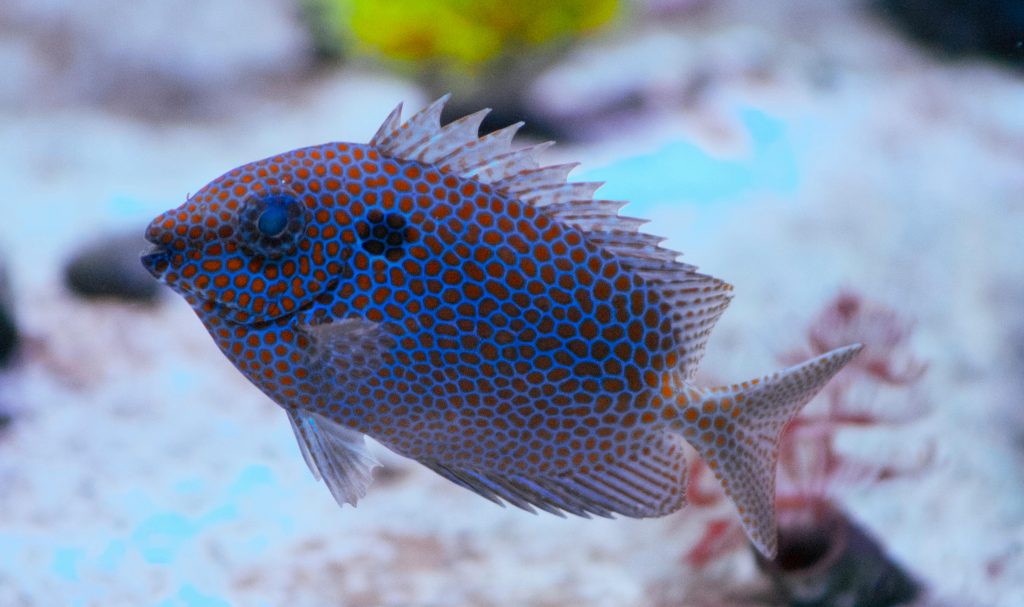
Gold Spotted Rabbitfish (Siganus Punctatus)
Gold Spotted Rabbitfish care includes large tanks, heavy algae feeding, and caution with corals. Learn tank size, diet,…
 By
By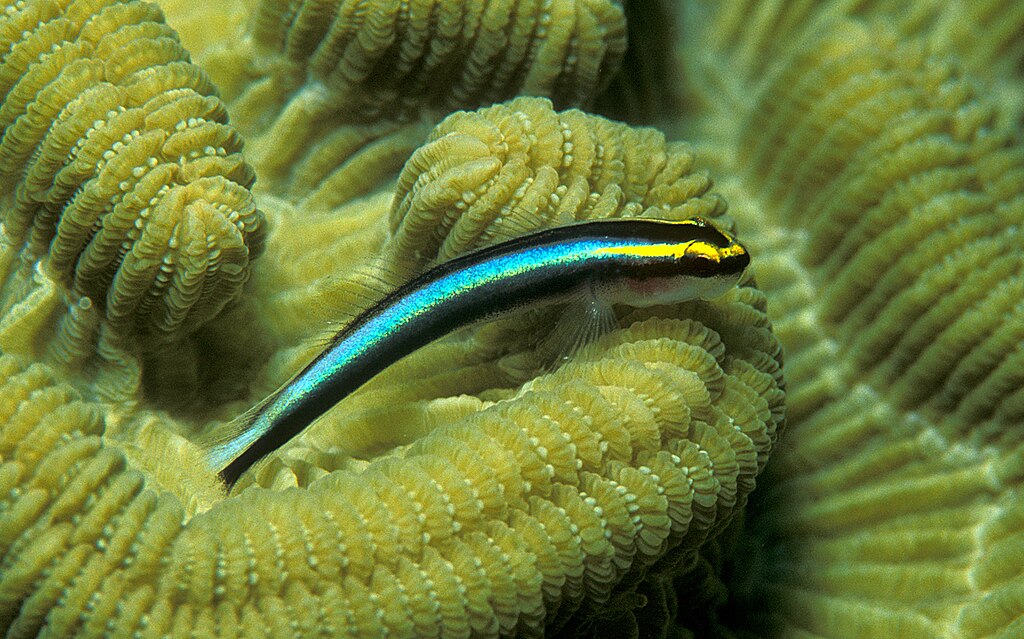
Sharknose Goby (Elacatinus evelynae)
Sharknose Goby care is simple in stable reef tanks. Learn feeding, tank setup, compatibility, and common problems for…
[favorite_button]
My Bookmarks:
To see full list click here
[user_favorites user_id="" include_links="true" site_id="" post_types="" include_thumbnails="true" thumbnail_size="thumbnail" include_excerpt="false"]