Testing alkalinity tells you how stable your reef tank is. It helps you track coral demand, dosing needs, and overall water chemistry. A simple weekly routine can prevent coral stress, burnt tips, and slow growth.
Alkalinity is one of the most important reef parameters. It affects coral skeleton growth, pH stability, and how your tank responds to daily swings. Many beginners test nitrate and phosphate first. Those matter too. But alkalinity often reveals problems sooner. In this guide, you will learn what alkalinity is, how to test it correctly, which tools work best, how often to test, and how to avoid common mistakes. You will also learn how to interpret your results and use them to keep SPS, LPS, and soft coral tanks stable.
Quick Reference Table
| Topic | Recommendation |
|---|---|
| Ideal reef range | 7.5 to 9.0 dKH for most mixed reefs |
| Ultra low nutrient systems | Often safer around 7.0 to 8.0 dKH |
| Testing frequency | 2 to 4 times weekly for new tanks or dosing tanks |
| Stable mature tank | Usually 1 time weekly |
| Best testing time | Same time of day, before dosing if possible |
| Common units | dKH, meq/L, ppm CaCO3 |
| Main goal | Stability over chasing a perfect number |
What Is Alkalinity in a Reef Tank?
Alkalinity measures the water’s buffering capacity. In simple terms, it shows how well your water resists pH swings. In reef tanks, alkalinity mostly reflects bicarbonate and carbonate ions. Corals use these ions to build skeletons. Coralline algae uses them too. If alkalinity drops too low, coral growth can slow. If it swings quickly, corals can become stressed.
Most hobby test kits report alkalinity in dKH. Some use meq/L. Both are useful. You only need to stay consistent. For many reef tanks, 7.5 to 9.0 dKH works well. The exact number matters less than stability. A tank that stays at 7.8 dKH is often healthier than one that swings between 7.5 and 9.5 dKH. This is why testing matters. It helps you spot consumption trends before corals show damage.
Why Testing Alkalinity Matters
Alkalinity is often the first parameter to change in a growing reef. Stony corals and coralline algae consume it every day. If your tank has many SPS corals, usage can be high. If you do not test, you may underdose or overdose. Both can cause problems. Low alkalinity can lead to pale tissue, weak growth, and poor polyp extension. High alkalinity can be risky too, especially in low nutrient tanks.
Testing also helps you adjust water changes and dosing schedules. Salt mixes vary in alkalinity. A large water change can raise or lower your level fast. That can shock sensitive corals. With regular testing, you can match your salt mix, tune your doser, and avoid sudden swings. This is especially important after adding new frags, changing salt brands, or increasing lighting intensity.
Tools You Can Use to Test Alkalinity
You have three main options. The first is a manual titration kit. These are affordable and common. They use a reagent that changes color at the endpoint. Popular kits include Salifert, Red Sea, and Nyos. The second option is a digital colorimeter. The Hanna Alkalinity Checker is very popular. It gives a digital reading and removes some guesswork. The third option is automated testing equipment. These systems are expensive but useful for advanced tanks.
For most hobbyists, a good manual kit or a Hanna checker is enough. Manual kits are cheap and reliable when used carefully. Digital checkers are faster to read. They still require clean technique. No method is perfect. Reagent age, dirty vials, and poor sample handling can skew results. Pick one method and learn it well. Consistency matters more than owning the most expensive tester.
How to Test Alkalinity Step by Step
Start by gathering clean tools. Use the test vial, syringe, reagent, and tank water sample. Rinse the vial with tank water first. This removes residue from old tests or tap water. Fill the vial to the exact line. Precision matters here. A small volume error changes the result.
Next, add the reagent exactly as the instructions state. If you use a titration kit, add drops slowly near the endpoint. Swirl gently between drops. Watch for the final color change. Do not guess early. If you use a digital checker, wipe the vial clean before inserting it. Fingerprints can affect the reading. Press the button only when the sample is ready.
Record the result right away. Write down the date, time, and dKH value. If you dose alkalinity, note whether you tested before or after dosing. Testing at the same time each day gives better trend data. Many reef keepers test in the evening or before lights out. Others test before the doser runs. The best time is the one you can repeat consistently.
Best Practices for Accurate Results
Always test at the same time of day. Small daily fluctuations happen in active reef tanks. If you test randomly, your numbers may look inconsistent. Use clean vials and syringes every time. Rinse with RO water after use. Let them dry fully. Replace reagents before they expire. Old reagents can drift and give false confidence.
Good lighting helps with manual kits. Some color changes are subtle. White room light works best. Avoid blue reef lighting during the test. If your result seems strange, test again. Then compare with a second kit if possible. It is smart to verify unusual readings before changing your doser. One bad test can cause a bigger chemistry swing than the original problem.
Keep a log. Trend data is more useful than a single number. If your alkalinity drops from 8.4 to 8.0 to 7.6 over several days, that tells you coral demand is increasing. That pattern is more important than one isolated result.
How Often Should You Test Alkalinity?
New reef tanks need more frequent testing. Tanks with fresh frags, new dosing schedules, or heavy SPS growth also need close tracking. In these systems, test alkalinity two to four times per week. Some advanced hobbyists test daily. This is helpful when dialing in a doser or calcium reactor.
Stable mixed reefs often do fine with weekly testing. If your tank has mostly soft corals and few calcifying organisms, consumption may be slow. Even then, weekly testing is wise. It helps catch changes after water changes, salt mix changes, or equipment failures. If you are leaving town, test before and after the trip. That can reveal whether evaporation, dosing issues, or caretaker errors affected your tank.
What Alkalinity Level Should You Target?
There is no single perfect number for every reef. Most successful mixed reefs run between 7.5 and 9.0 dKH. SPS dominant tanks often do best with tighter stability. Many hobbyists aim for 7.5 to 8.5 dKH. Tanks with low nitrate and phosphate often benefit from lower alkalinity. High alkalinity in a very low nutrient system can increase the risk of burnt tips in Acropora.
If your salt mix measures 8.0 dKH, targeting around 8.0 makes water changes easier. Matching your maintenance routine prevents swings. Do not chase another reefer’s exact number. Their nutrients, lighting, and coral load may differ. Pick a reasonable target. Then keep it steady. Stability supports coral health better than constant adjustment.
How to Interpret Your Test Results
A single alkalinity result gives a snapshot. A series of results shows the real story. If alkalinity falls steadily, your tank is consuming more than you replace. Increase dosing slowly. If alkalinity rises, you may be overdosing or your coral demand has dropped. This can happen after fragging, coral loss, or reduced growth.
Look at alkalinity alongside calcium and magnesium. These three parameters work together. If alkalinity is unstable, calcium often drifts too. Magnesium helps prevent rapid precipitation. Also consider nutrients. Corals need nitrate and phosphate in balance with alkalinity. Strong light, low nutrients, and elevated alkalinity can stress sensitive SPS corals. Good reef keeping means reading the whole picture, not one number in isolation.
Common Problems
Why does my alkalinity keep dropping?
The most common cause is normal coral consumption. Stony corals, coralline algae, and clams all use alkalinity. Another cause is inconsistent dosing. Your doser may be underdelivering. Hand dosing can also vary day to day. Test your freshly mixed saltwater too. If it is lower than expected, water changes may not help much. Increase dosing in small steps. Then retest over several days.
Why is my alkalinity test result different every time?
Technique errors are common. Sample volume may be off. Drops may be too large. Vials may be dirty. Testing at different times also changes results. Use the same method each time. Rinse tools well. Replace old reagents. If you use a digital checker, clean the vial carefully. Then compare with a second test kit if needed.
Can high alkalinity hurt corals?
Yes, especially if it rises fast. Sudden increases can stress SPS corals. In low nutrient tanks, high alkalinity may contribute to tip burn and tissue loss. Lower it slowly by reducing dosing. Avoid large corrective swings. Corals handle gradual change much better.
Should I test before or after dosing?
Before dosing is usually best. That gives a more consistent baseline. If you always test after dosing, your numbers may look artificially high. Pick one approach and keep it consistent. Most reef keepers prefer pre-dose testing for trend tracking.
Using Alkalinity Testing to Set Dosing
Alkalinity testing becomes most useful when paired with dosing adjustments. Test at the same time for three days. If your level drops each day, calculate the average daily loss. Then raise your dosing slightly to match that demand. Make small changes only. Large corrections can overshoot fast.
For example, if your tank drops from 8.3 to 7.9 dKH in two days, your average daily drop is about 0.2 dKH. Use that trend to guide your doser. Retest after any adjustment. Repeat until the number holds steady. This method is safer than guessing. It also helps you understand how coral growth changes over time.
Frequently Asked Questions
What is a good alkalinity level for a reef tank?
For most reef tanks, 7.5 to 9.0 dKH is a good target. Stability matters most.
How often should I test alkalinity in a reef tank?
Test two to four times weekly in new or SPS tanks. Stable tanks often need weekly testing.
Is dKH the same as alkalinity?
dKH is a unit used to measure alkalinity. It is the most common unit in reef keeping.
Can I have normal calcium but low alkalinity?
Yes. They are related, but they do not always fall at the same rate. Test both regularly.
Which is better, a manual kit or a digital checker?
Both can work well. Manual kits are cheaper. Digital checkers are easier to read. Good technique matters more than the tool.
Final Tips for Better Alkalinity Stability
Keep your testing routine simple. Test at the same time. Use clean tools. Log every result. Make small dosing changes only. Match your target to your salt mix and nutrient level. Most of all, avoid chasing perfect numbers. Corals prefer stability over constant correction.
If you want to improve your reef chemistry skills, read our guides on reef tank dosing, calcium and magnesium balance, how to lower phosphate, and choosing the best salt mix for corals. These topics connect closely with alkalinity and will help you build a more stable reef.
Internal links: reef tank dosing guide, calcium and magnesium for reef tanks, how to lower phosphate in a reef tank, best salt mix for reef tanks
Was this helpful?
Related Posts
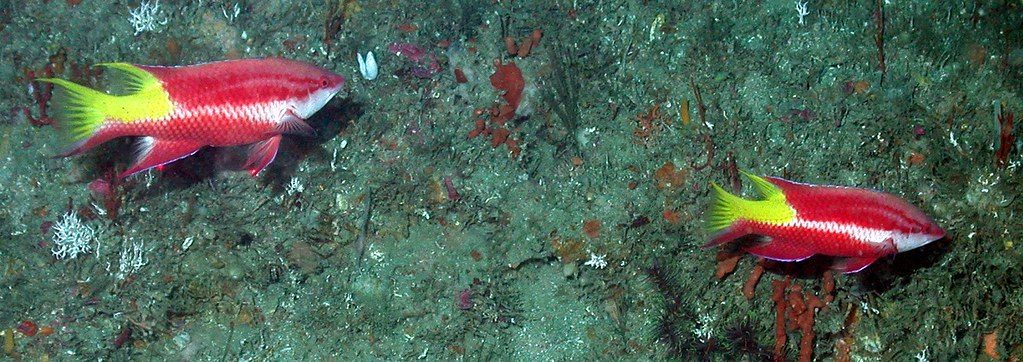
Cuban Hogfish (bodianus Pulchellus)
Cuban Hogfish care is straightforward in larger reef tanks. Learn tank size, diet, compatibility, and reef safety before…
 By
ByWhy Lps Recede and How to Fix It
LPS coral recession usually comes from instability, bad placement, or infection. Learn how to diagnose the cause and…
 By
By