

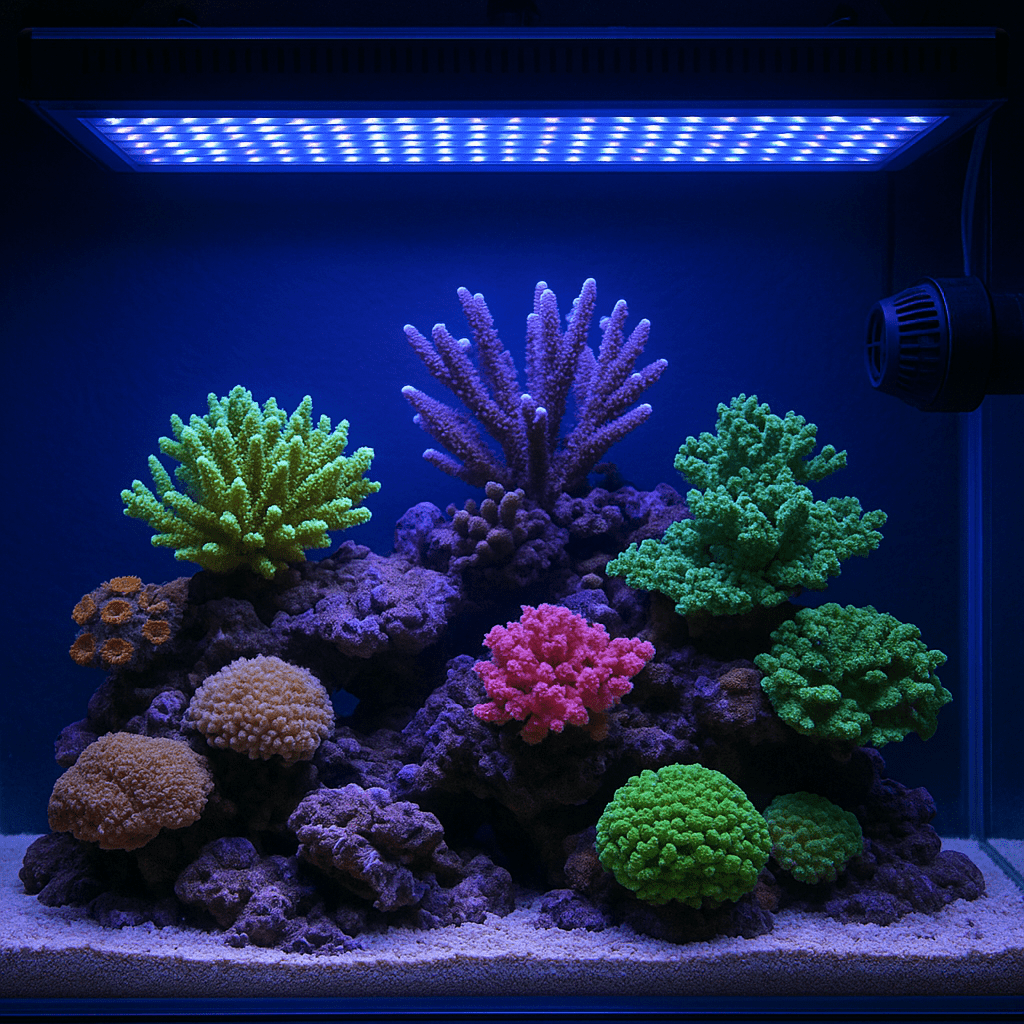
Adding a new fish to a reef tank can go smoothly. It can also trigger disease, aggression, or stress. The best new fish introduction tips focus on quarantine, slow acclimation, and careful observation. A simple plan protects your existing livestock. It also gives the new fish a much better start.
Many reef keepers lose fish during the first week. That usually happens from rushed introductions. Fish arrive stressed from shipping. Their immune systems are often weakened. Established tankmates may also see them as intruders. In this guide, you will learn how to prepare before purchase, quarantine new arrivals, acclimate them correctly, and reduce aggression in the display tank. You will also learn the most common mistakes and how to avoid them. These steps work for beginners and still matter in advanced reef systems.
Quick Reference Table
| Topic | Best Practice |
|---|---|
| Quarantine period | 2 to 4 weeks minimum |
| Acclimation time | 15 to 45 minutes, depending on salinity difference |
| Lights during introduction | Dim or off for several hours |
| Best time to add fish | Near evening or after lights out |
| Feeding before release | Feed existing fish first |
| Aggression control | Use acclimation box and minor rockwork changes |
| First week priority | Observe eating, breathing, and bullying |
| Main risk factors | Ich, velvet, ammonia stress, territorial attacks |
Why New Fish Introductions Fail
Most problems start before the fish enters the tank. Shipping stress is a major factor. Fish may spend many hours in a small bag. Oxygen drops over time. Waste builds up. Temperature can swing during transport. Even healthy fish arrive tired and vulnerable.
The second issue is disease transfer. A fish can look healthy and still carry parasites. Marine ich and velvet are common examples. Bacterial infections also spread fast in closed systems. One unquarantined fish can infect the entire display.
The third issue is aggression. Reef fish establish territory quickly. Tangs, dottybacks, clownfish, damsels, and some wrasses can be especially defensive. A new fish may be chased away from caves and food. Stress then compounds the problem. That stress often leads to rapid breathing, hiding, and refusal to eat.
Good introductions prevent all three issues. They reduce stress. They lower disease risk. They also help the social order settle with less damage.
Before You Buy a New Fish
Success starts at the store or with the online vendor. Never buy a fish just because it looks pretty. Research its adult size first. Check its diet. Confirm reef safety. Learn its temperament. Make sure it fits your tank size and your current stocking plan.
Watch the fish carefully before purchase. Healthy fish swim steadily. They breathe at a normal rate. They respond to movement. They should not have torn fins, white spots, cloudy eyes, or excess mucus. Ask to see the fish eat if possible. A fish that eats well usually adapts faster.
You should also prepare a quarantine tank before buying. Do not wait until the fish is already home. A basic quarantine setup can be simple. Use a bare-bottom tank, heater, lid, sponge filter, and some PVC pieces for shelter. Keep extra saltwater ready. Test ammonia daily during the first week.
If you want help planning a compatible stocking list, see reef fish compatibility guide and beginner reef tank setup.
Step-by-Step New Fish Introduction Guide
Use a repeatable process every time. Consistency saves fish.
- Step 1: Turn off display tank lights before arrival.
- Step 2: Float the sealed bag for temperature matching.
- Step 3: Test bag salinity if possible.
- Step 4: Transfer the fish to quarantine, not the display.
- Step 5: Observe breathing, swimming, and body condition.
- Step 6: Offer small meals after the fish settles.
- Step 7: Quarantine for at least 2 to 4 weeks.
- Step 8: Use an acclimation box before display release.
- Step 9: Feed existing fish before the final introduction.
- Step 10: Add the new fish under dim lighting.
This method gives you time to catch issues early. It also keeps the display tank stable. If the fish shows disease signs, treatment is far easier in quarantine. If aggression appears in the display, the acclimation box lets fish see each other without direct contact.
Quarantine Best Practices
Quarantine is the single best habit for long-term reef success. It protects every fish already in your system. It also gives new fish a calm place to recover. A simple quarantine tank works well for most species.
Keep the tank bare-bottom for easy cleaning. Use PVC elbows or couplings as hiding spots. Add a cycled sponge filter if possible. That helps avoid ammonia spikes. Always use a secure lid. Many marine fish jump when stressed. Wrasses and gobies are common escape artists.
Observe the fish daily. Watch for flashing, scratching, clamped fins, heavy breathing, white dots, or excess slime coat. Track appetite from day one. Good feeding response is one of the best signs of recovery. Test ammonia often. Use water changes quickly if ammonia rises.
Some hobbyists run observation-only quarantine. Others use proactive treatment. Either way, quarantine should never be rushed. A fish that looks fine on day two may show symptoms on day ten. Patience here prevents major losses later.
Acclimation Tips for Reef Fish
Acclimation should be calm and controlled. Start with temperature matching. Float the sealed bag for about 10 to 15 minutes. Do not leave fish in shipping water too long. That water often has poor quality.
If salinity differs a lot, use a slower drip acclimation. This matters when store salinity is much lower than yours. A short acclimation works for small differences. A slower one is safer for larger gaps. Keep the process practical. Long acclimation in dirty bag water can do more harm than good.
Never pour store water into your quarantine or display tank. Net the fish gently or use a specimen container. Transfer only the fish. Keep the room quiet. Reduce sudden motion. Stress hormones rise quickly during handling. Small details matter here.
Once transferred, leave the lights low. Let the fish settle. Do not chase it for a better view. Give it hiding places and time. Many species will not eat right away. That is normal for the first day.
Aquarium Setup for a Safe Introduction
The display tank should be ready before the fish graduates from quarantine. Stable water parameters are essential. Temperature, salinity, and pH should stay consistent. Large swings make introductions harder. New fish handle stable tanks much better.
Aquascape also matters. Fish need caves, arches, and visual breaks. These structures reduce line-of-sight aggression. A fish being chased can duck behind rockwork and recover. Open tanks with little shelter often lead to constant harassment.
An acclimation box is one of the best tools you can use. Place the new fish inside the box within the display for one to three days. Existing fish can see it. They can posture and inspect it. They cannot attack it. This often reduces the first burst of aggression.
Feeding stations can help too. Offer food in more than one area. That prevents dominant fish from controlling every meal. For more help with stable reef conditions, read reef tank water parameters and how to cycle a reef tank.
Compatibility and Aggression Management
Compatibility is not only about species labels. Individual fish personalities matter. One clownfish may be calm. Another may rule half the tank. That is why observation is so important during the first week.
Add peaceful fish before aggressive fish whenever possible. Add smaller fish before larger territorial species. Tangs often fight with similar body shapes. Dottybacks may bully shy fish. Six-line wrasses can be rough on newcomers. Maroon clownfish can be very defensive near their host area.
To reduce aggression, feed the tank before release. Introduce the new fish near dusk. Dim lighting lowers visual intensity. Rearranging a small amount of rockwork can also help. It disrupts old territory boundaries. Use this carefully in reef tanks. Avoid destabilizing corals or sandbeds.
If aggression continues, remove the bully or return the new fish to an acclimation box. Constant chasing is not normal adjustment. It can become deadly fast.
Feeding the New Arrival
Feeding response tells you a lot about fish health. Start with foods the species already knows. Ask the seller what it was eating. Offer small meals once or twice on day one if the fish seems calm. Remove uneaten food quickly.
Use a variety of foods over time. Mysis shrimp, brine shrimp, pellets, flakes, algae sheets, and frozen blends all have value. Herbivores need regular plant matter. Carnivores need protein-rich foods. Planktivores often prefer smaller particle sizes. Match the food to the fish.
Do not overfeed to force comfort. Excess food harms water quality. Poor water quality then stresses the fish further. That cycle is common in quarantine tanks. Small portions are better. Frequent observation is better still.
If a fish refuses food for several days, review the basics. Check ammonia. Check temperature. Look for bullying. Look for disease signs. A healthy environment usually restores appetite faster than random food changes.
Common Problems
New fish is hiding all the time
This is common during the first few days. Hiding alone is not always a problem. Watch breathing and appetite. If breathing is normal and the fish emerges to eat, it may simply be settling in. Keep lights dim. Avoid sudden movement around the tank.
Established fish are chasing the newcomer
Short displays are normal. Constant attacks are not. Use an acclimation box. Feed the tank before release. Add mirrors temporarily to distract aggressive fish if needed. In severe cases, remove the aggressor.
New fish will not eat
Stress is the top cause. Offer familiar foods first. Try smaller portions. Check for ammonia and disease. Some species take longer to adapt. Mandarins, anthias, and certain butterflyfish can be more challenging.
Fish is breathing fast after introduction
Rapid breathing can signal stress, low oxygen, ammonia, or parasites. Test water immediately. Increase surface agitation. Observe for spots, flashing, or mucus. If symptoms continue, move the fish to quarantine for closer monitoring.
White spots appear after adding a fish
This often points to marine ich. Velvet is another possibility and can progress faster. Do not ignore it. Move fish for treatment if possible. Review your quarantine process. One skipped step often causes a full outbreak.
Frequently Asked Questions
How long should I quarantine a new reef fish?
Two to four weeks is a solid minimum. Longer is safer if symptoms appear.
Can I add a new fish directly to my reef tank?
You can, but it is risky. Quarantine greatly reduces disease and stress problems.
Should I drip acclimate every fish?
Not always. It depends on salinity difference and shipping stress. Avoid overly long acclimation in dirty bag water.
What is the best time to add a new fish?
Evening is usually best. Lower light often reduces territorial behavior.
Do acclimation boxes really help?
Yes. They are one of the easiest ways to reduce aggression during introductions.
Final Thoughts
The best new fish introduction tips are simple. Plan ahead. Quarantine every fish. Acclimate with care. Manage aggression before it starts. Then watch closely during the first week. These habits prevent many common reef tank disasters. They also make your fish healthier and more confident long term. If you treat each introduction like a process, not an event, your reef will stay far more stable.
For more practical reef care help, visit reef fish disease signs.
Was this helpful?
Related Posts
Half Black Angelfish (Centropyge Vrolikii)
Half Black Angelfish care is straightforward in mature tanks, but reef safety is never guaranteed. Learn feeding, tank…
 By
By
Kenya Tree Corals
Kenya Tree corals are hardy soft corals with easy care, moderate light needs, and fast growth. Learn placement,…
[favorite_button]
My Bookmarks:
To see full list click here
[user_favorites user_id="" include_links="true" site_id="" post_types="" include_thumbnails="true" thumbnail_size="thumbnail" include_excerpt="false"]