

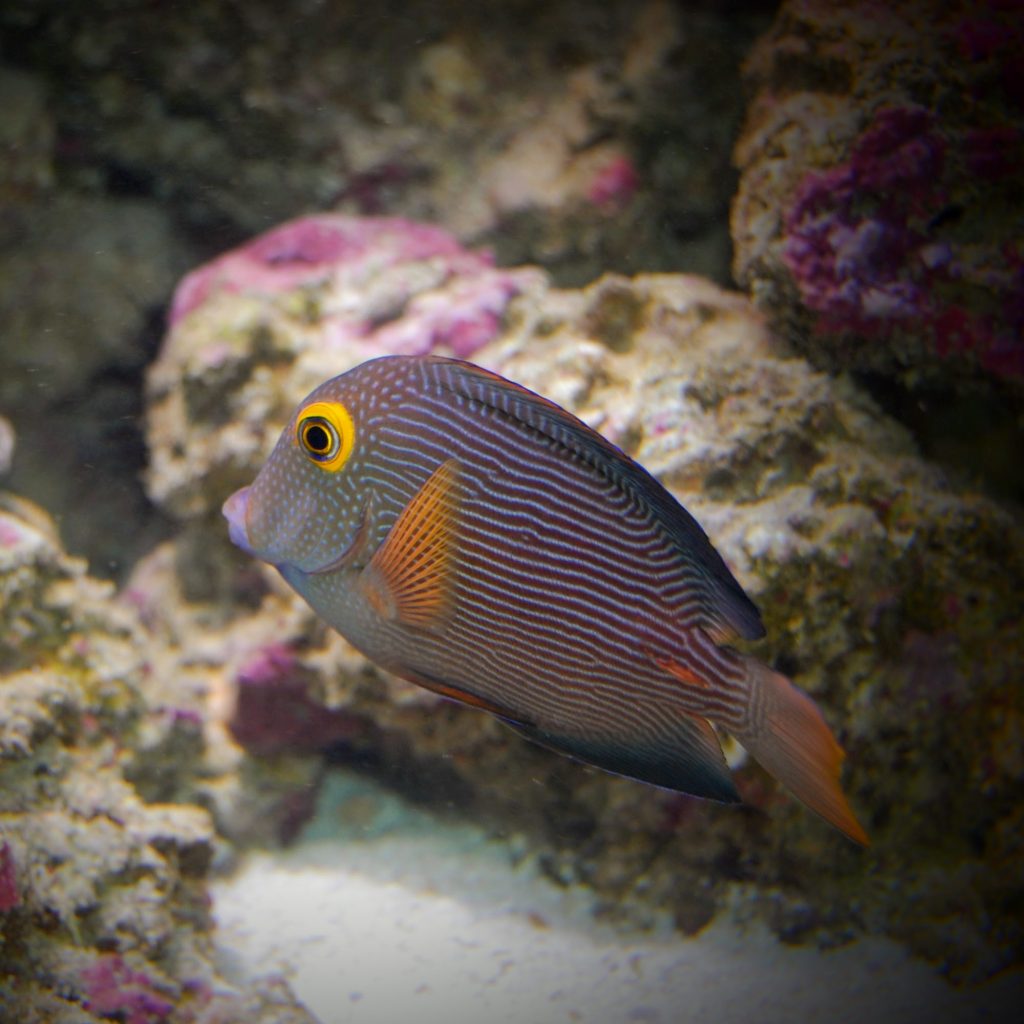
The Kole Yellow Eye Tang is one of the best tangs for many reef tanks. It stays smaller than several popular tang species. It also offers constant grazing behavior that helps control film algae and detritus. With stable water, strong oxygenation, and a mature tank, this Hawaiian bristletooth tang can become a hardy and useful long-term reef fish.
If you are researching Ctenochaetus strigosus, this guide covers the essentials. You will learn tank size, diet, temperament, reef compatibility, and common problems. You will also see why this fish is often recommended for hobbyists who want a practical algae grazer without keeping a very large surgeonfish.
Quick Care Facts
| Common name | Kole Yellow Eye Tang |
| Scientific name | Ctenochaetus strigosus |
| Family | Acanthuridae |
| Adult size | Up to about 7 inches |
| Minimum tank size | 70 to 90 gallons |
| Temperament | Semi-aggressive |
| Diet | Herbivore and detritivore grazer |
| Reef safe | Yes, with caution around some fleshy corals if underfed |
| Care level | Moderate |
| Best temperature | 76 to 78°F |
| Salinity | 1.025 to 1.026 specific gravity |
| Ideal nitrate | Low to moderate, stable |
The quick summary is simple. This tang needs swimming room, mature rockwork, and frequent plant-based feeding. It usually behaves well in reef aquariums. It can still become territorial toward similar tangs or fish with a similar body shape.
Natural Habitat
The Kole Yellow Eye Tang comes from the central Pacific. It is strongly associated with Hawaii. In the wild, it lives on reef slopes, rocky reef flats, and surge zones with strong water movement. These fish spend much of the day grazing surfaces. They use specialized bristle-like teeth to scrape diatoms, film algae, and fine organic material from rock.
This natural behavior matters in captivity. Unlike some tangs that focus on macroalgae, the Kole Tang constantly picks at biofilm. That means a sterile new tank is a poor fit. A mature aquarium with established live rock gives this species a better start. It also explains why many hobbyists see them working all day. They are active foragers, not fish that only eat during scheduled feedings.
The ocean environment also provides high oxygen and strong flow. Those conditions should be copied at home. Good gas exchange, stable pH, and broad circulation help this fish stay active and healthy.
Aquarium Setup
A 70-gallon tank is often listed as a minimum. Bigger is better. A 90-gallon tank gives better swimming space and more stable water quality. This species is not the largest tang, but it remains active all day. It should not be treated like a small, sedentary fish.
Build the aquascape with open lanes and multiple grazing surfaces. Leave room along the front and center for swimming. Use rock structures with shelves, arches, and textured surfaces. Those surfaces grow the natural film this fish likes to browse. Avoid packing the tank with rock from glass to glass. The fish needs both cover and open water.
A mature reef tank is ideal. New tanks often lack enough natural grazing material. If you must add one to a newer system, feed heavily and monitor body weight closely. Strong filtration helps because tangs are constant eaters. A protein skimmer, regular nutrient export, and dependable top-off system all make care easier.
Quarantine is strongly recommended. Tangs are prone to marine ich and other parasites. A proper quarantine period gives you time to observe feeding response and overall condition before the fish enters your display.
Lighting Requirements
The Kole Yellow Eye Tang does not need special lighting for its own health. Lighting should be chosen for the reef tank as a whole. Moderate to high reef lighting works fine if the fish has shaded areas to retreat into. Most specimens adapt well to common LED reef fixtures.
Lighting still plays an indirect role. Strong reef lighting promotes algae and biofilm growth on rock and glass. That can provide natural grazing opportunities. In balanced systems, this is useful. In neglected systems, it can lead to nuisance algae outbreaks. The goal is not to grow a dirty tank. The goal is to maintain a healthy, mature reef with enough natural forage between feedings.
If your tang hides after introduction, reduce stress first. Do not blame the lights immediately. New fish often need a few days to settle in. Dim acclimation modes can help during the first day, especially in brightly lit SPS tanks.
Water Flow
This species appreciates brisk, oxygen-rich water movement. It comes from areas with steady surge and current. Aim for varied flow rather than one harsh stream. Random flow patterns are best in reef aquariums because they keep waste suspended and create a more natural environment.
The fish should be able to cruise comfortably without being pinned in place. Use return flow, wavemakers, and surface agitation to maintain high oxygen levels. This is especially important at night when pH and oxygen can dip. Tangs often show stress quickly in tanks with poor gas exchange.
Good flow also supports the fish indirectly. It limits detritus buildup on the rock and helps corals stay cleaner. That creates a healthier reef environment overall. If you notice heavy breathing, check oxygen, temperature, and aggression before assuming disease.
Feeding
Feeding is where many hobbyists make mistakes. The Kole Tang is a grazer first. It should not rely on one daily feeding. Offer food at least two times per day, and let the fish browse naturally between meals. A thin tang is a warning sign. Sunken areas behind the head often indicate underfeeding or long-term stress.
Base the diet on marine algae and quality prepared foods. Dried nori is excellent. Spirulina-based pellets are useful. Herbivore flakes can help too. Add frozen mysis, brine enriched with vitamins, and mixed herbivore blends for variety. Although it is known as an algae grazer, it also consumes fine organic matter in nature. A mixed diet supports better weight and color.
Use a clip for seaweed and replace uneaten sheets before they foul the water. Soaking foods in vitamins can help newly imported fish. Garlic is optional. It may improve feeding response, but it is not a cure for disease. Consistent nutrition is one of the best defenses against stress-related illness.
Compatibility
The Kole Yellow Eye Tang is usually reef safe. It does well with many clownfish, gobies, wrasses, blennies, and peaceful reef community fish. It generally ignores corals and most invertebrates. Many hobbyists keep it successfully in mixed reefs, SPS systems, and LPS tanks.
Territorial behavior is the main concern. This fish may chase other tangs, rabbitfish, or algae grazers added later. Conflicts are more likely in small tanks or tanks with limited swimming room. If you want multiple tangs, use a larger aquarium and add fish carefully. Similar body shapes often trigger aggression.
Underfed specimens may nip at fleshy corals or clam mantles, though this is not the norm. Most cases trace back to hunger, stress, or poor acclimation. Keeping the fish well fed reduces the chance of problem behavior. Avoid housing it with highly aggressive tankmates that dominate feeding time.
Helpful reads on FancyReef include clownfish care guide, reef tank algae control, quarantine for saltwater fish, and reef-safe cleanup crew.
Step-by-Step Acclimation Guide
1. Prepare quarantine first. Match salinity and temperature closely. Provide PVC shelter and strong aeration.
2. Dim the lights. Lower stress during transfer. This helps reduce panic and pacing.
3. Acclimate carefully. Use a measured drip or cup method. Avoid long exposure to shipping water.
4. Offer food early. Try nori first. Then test pellets or frozen foods later that day.
5. Observe breathing and skin. Watch for spots, flashing, torn fins, or heavy respiration.
6. Quarantine fully. Do not rush the process. Tangs often show parasite issues after shipping stress.
7. Introduce to the display with strategy. Rearranging a small amount of rock can reduce territorial disputes. Add the tang when lights are lower and other fish are calm.
Common Problems
Kole Tang Not Eating
New imports often refuse food for a short period. Stress is the usual cause. Start with nori on a clip and a quiet quarantine tank. Offer small amounts several times daily. Check for bullying, poor oxygen, and visible parasites. Many fish begin grazing before they accept prepared foods.
White Spots or Scratching
Tangs are famous for showing ich quickly. Scratching, flashing, and salt-like spots are common warning signs. Move quickly if symptoms appear. Confirm the issue and treat in a proper hospital setup. Do not medicate a reef display without a clear plan. Prevention through quarantine is far easier than display-tank treatment.
Aggression Toward Other Fish
Territorial chasing usually comes from tank size, similar tankmates, or poor introduction order. Add plenty of swimming space and visual breaks. Feed generously during introductions. In some cases, an acclimation box helps. Severe aggression may require rehoming one fish if the tank is too small.
Weight Loss
Weight loss points to underfeeding, internal issues, or chronic stress. Increase feeding frequency first. Add algae sheets daily and rotate quality prepared foods. Watch for food competition. A healthy Kole Tang should look full-bodied, active, and alert.
Propagation or Breeding
Home breeding of the Kole Yellow Eye Tang is extremely rare. Like many surgeonfish, it is a pelagic spawner in nature. Eggs and larvae develop in open water. That creates major challenges for captive breeding. Large broodstock systems, precise larval foods, and advanced rearing methods are required.
For most hobbyists, propagation is not practical. The focus should remain on long-term care, disease prevention, and responsible sourcing. If aquacultured options become more common in the future, they may offer hardier fish with lower collection pressure on wild populations.
Frequently Asked Questions
How big does a Kole Yellow Eye Tang get?
Most reach about 7 inches in captivity. Growth depends on diet, space, and overall health.
Is the Kole Tang good for beginners?
It can work for prepared beginners with a mature tank. It is not ideal for rushed setups or very small aquariums.
Is a Kole Tang reef safe?
Yes, in most cases. It usually ignores corals and invertebrates. Keep it well fed to reduce any risk of nipping.
What does a Kole Tang eat?
It eats film algae, detritus, nori, herbivore pellets, and some frozen foods. Variety is important.
Can a Kole Tang live with other tangs?
Sometimes, yes. Success depends on tank size, aquascape, and species choice. Larger tanks improve the odds.
Final Thoughts
The Kole Yellow Eye Tang earns its popularity. It is attractive, active, and useful in reef tanks. It also stays more manageable than many larger surgeonfish. Give it a mature aquarium, strong water movement, frequent algae-based feeding, and careful quarantine. Do that, and this bristletooth tang can become one of the most rewarding utility fish in your reef.
Was this helpful?
Related Posts
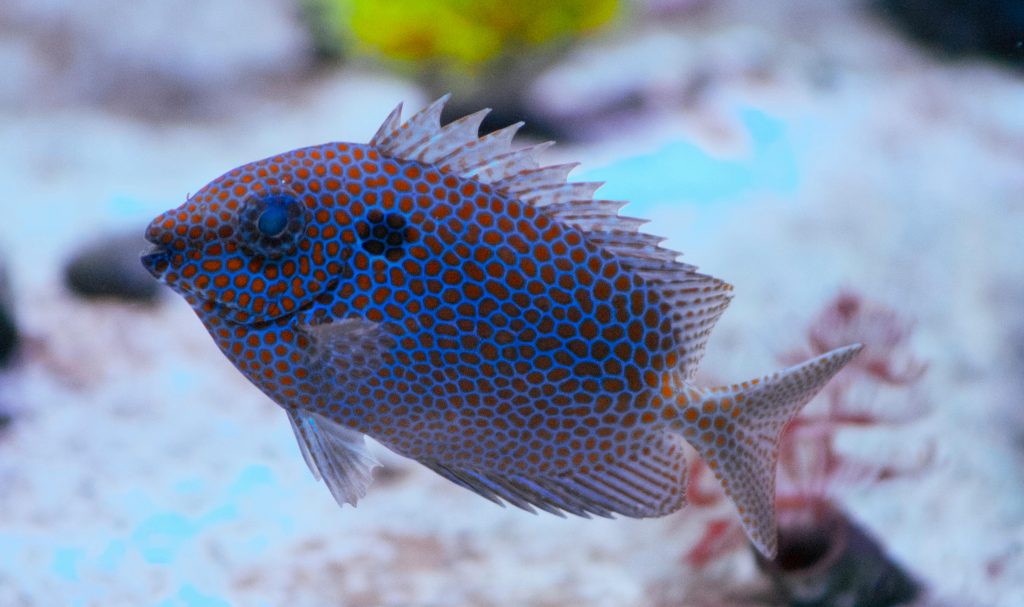
Gold Spotted Rabbitfish (Siganus Punctatus)
Gold Spotted Rabbitfish care includes large tanks, heavy algae feeding, and caution with corals. Learn tank size, diet,…
 By
By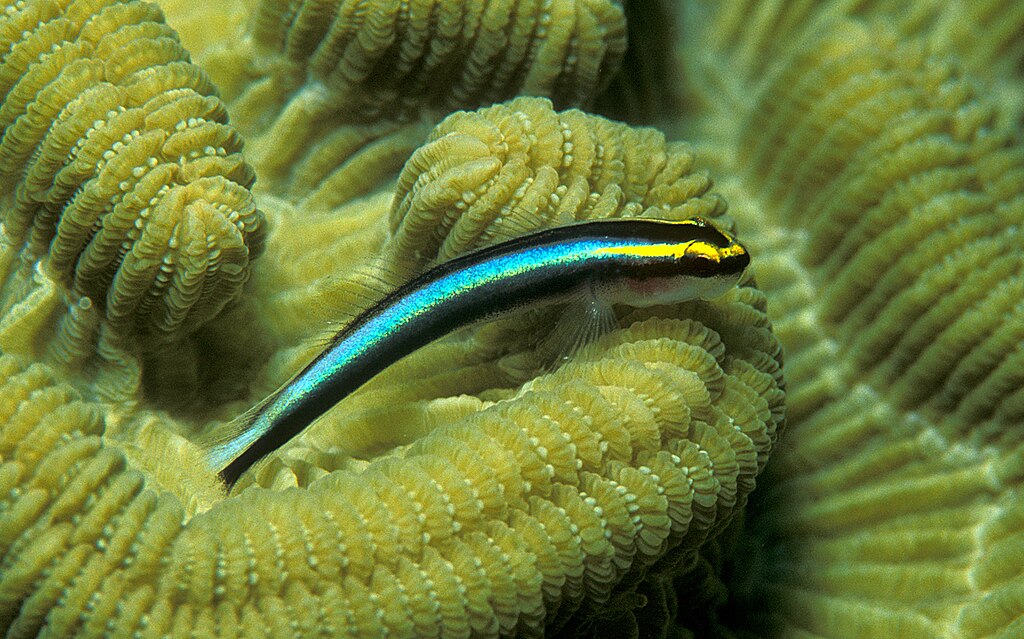
Sharknose Goby (Elacatinus evelynae)
Sharknose Goby care is simple in stable reef tanks. Learn feeding, tank setup, compatibility, and common problems for…
[favorite_button]
My Bookmarks:
To see full list click here
[user_favorites user_id="" include_links="true" site_id="" post_types="" include_thumbnails="true" thumbnail_size="thumbnail" include_excerpt="false"]