Lieutenant Tang (Acanthurus tennenti): A Peaceful Workhorse for Your Reef
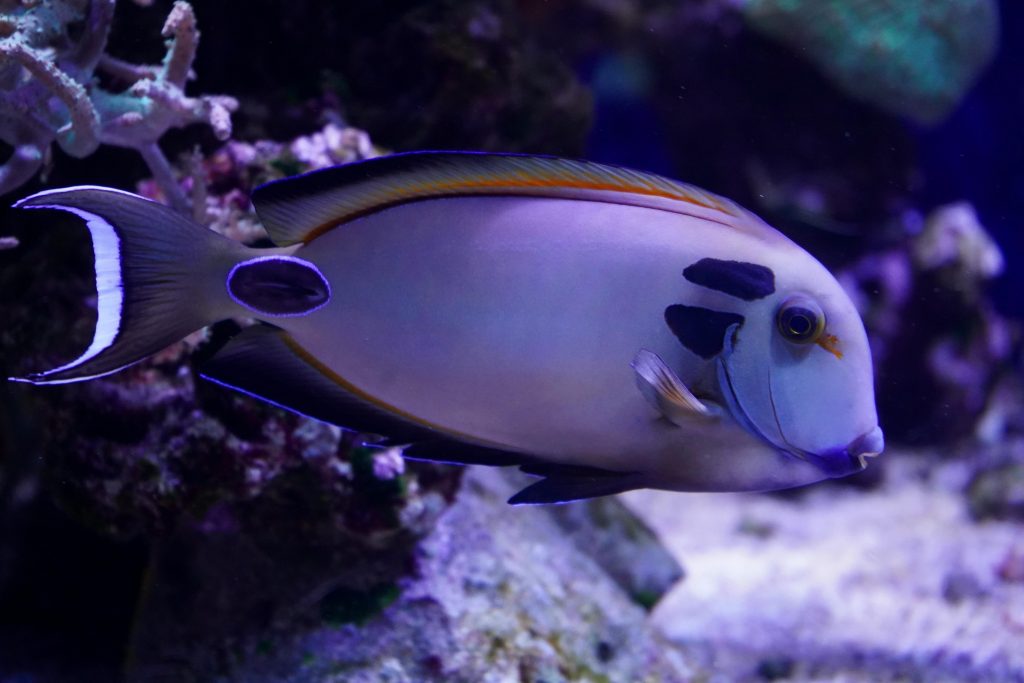
The Lieutenant Tang, Acanthurus tennenti, is an underrated gem in the saltwater aquarium hobby. Often overshadowed by showier tangs like the Yellow or Powder Blue, this species offers a winning combination of hardiness, peaceful temperament, and tireless algae-grazing. If you’re building a stable community reef and want a reliable herbivore, the Lieutenant Tang is well worth considering.
Natural Behavior, Temperament, and Tank Size
In the wild, Lieutenant Tangs cruise shallow reefs in small groups, constantly grazing on filamentous algae. In captivity they keep much of that behavior, spending most of the day picking at rockwork and glass. They are generally more peaceful than many other Acanthurus tangs, but still show typical surgeonfish territoriality.
Plan for a minimum of 120 gallons (450 L) with a 5–6 foot (150–180 cm) length. These fish reach 8–10 inches and need:
- Plenty of open swimming space for cruising
- Rockwork with caves and overhangs for security
- Strong, stable water movement and high oxygenation
If you’re still planning your system, read our guide on choosing the right tank size for saltwater fish to be sure your setup can comfortably house a Lieutenant Tang long-term.
Diet, Nutrition, and Algae Control
Lieutenant Tangs are primarily herbivores, but they benefit from a varied, nutrient-rich diet. While they will help control nuisance algae, do not rely on natural growth alone to feed them.
Feeding Guidelines
- Offer high-quality nori (dried seaweed) daily on a clip.
- Rotate herbivore pellets and frozen foods with spirulina.
- Supplement with occasional meaty foods (mysis, small krill) for protein.
- Feed small portions 2–3 times per day to reduce aggression and stress.
Tip: Place algae clips in different spots around the tank. This spreads out feeding activity and reduces competition with other tangs and angels.
Because they are constant grazers, a Lieutenant Tang can be a valuable part of a broader algae management strategy. Pair them with good nutrient export and clean-up crew members as described in our article on controlling algae in a reef tank.
Compatibility, Acclimation, and Long-Term Care
Lieutenant Tangs are usually peaceful toward dissimilar species but may be aggressive toward other tangs, especially those with a similar body shape or from the Acanthurus genus.
Stocking and Compatibility Tips
- Introduce the Lieutenant Tang after more timid fish have settled in.
- Avoid housing with other similar Acanthurus tangs in smaller systems.
- When mixing tangs, add them at the same time and provide multiple hiding spots.
- Watch for extended fin flaring, chasing, or refusal to eat as signs of stress.
Like many tangs, they can be prone to marine ich and other parasites. A proper quarantine period, stable salinity, and low-stress environment are critical. Regular water changes, strong skimming, and good flow all help keep them healthy. For more on setting up a stable system before adding sensitive fish, see our guide to cycling a saltwater aquarium.
With adequate space, proper diet, and thoughtful tank mates, the Lieutenant Tang becomes a graceful, hard-working centerpiece that quietly keeps algae in check. It may not be the flashiest tang in the hobby, but its combination of utility, personality, and relative hardiness makes it a fantastic choice for both advanced and progressing reef keepers.
Sources
- Michael, S. W. (2001). Reef Fishes: A Guide to Their Identification, Behavior and Captive Care.
- Fenner, R. (2008). The Conscientious Marine Aquarist, 2nd ed.
- FishBase & common public aquarium husbandry notes for Acanthurus tennenti.
Was this helpful?
Related Posts
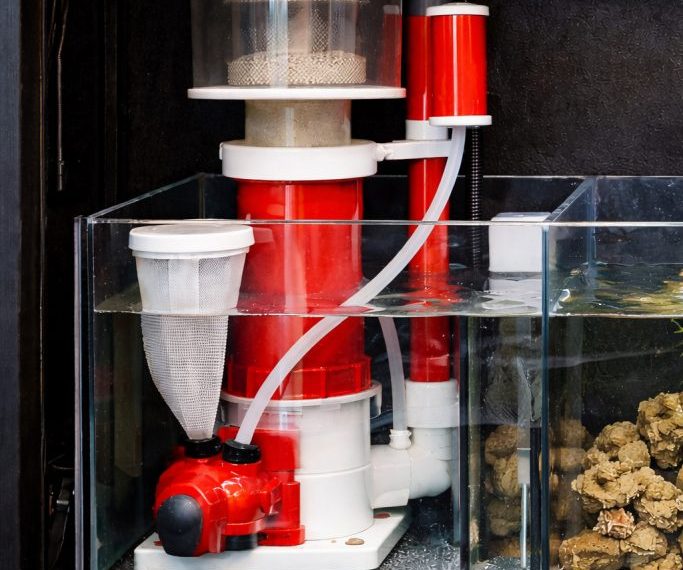
Protein Skimmer Reef Tank Guide
Learn how a protein skimmer works, how to size one, and how to tune it for a cleaner,…
 By
By
Reef Aquarium Water Parameters
Learn the ideal reef aquarium water parameters, safe ranges, and how to keep salinity, alkalinity, nutrients, and pH…