Live rock and dry rock can both build a successful reef tank. Live rock offers faster biological maturity and more biodiversity. Dry rock gives you lower cost, fewer pests, and more control. The best choice depends on your budget, timeline, and tolerance for hitchhikers.
Choosing rock is one of the first big decisions in a reef aquarium. It shapes your aquascape, filtration, and long-term stability. It also affects how quickly your tank matures. Many beginners hear strong opinions on both sides. That can make the choice feel harder than it is. In reality, both options work well when used correctly. In this guide, you will learn the real differences between live rock and dry rock, the pros and cons of each, how they affect cycling, and which option makes the most sense for your reef goals.
Quick Reference Table
| Factor | Live Rock | Dry Rock |
|---|---|---|
| Startup speed | Faster cycle and faster maturity | Slower cycle and slower maturity |
| Biodiversity | High | Low at first |
| Pest risk | Higher | Very low |
| Cost | Usually higher | Usually lower |
| Appearance at start | Natural and mature-looking | Clean but sterile-looking |
| Control over setup | Less predictable | Very predictable |
| Best for | Faster, more natural starts | Budget builds and pest-conscious hobbyists |
What Is Live Rock?
Live rock is reef-safe rock covered with beneficial life. It contains nitrifying bacteria, microfauna, coralline algae, and sometimes sponges. In some cases, it also carries feather dusters, pods, worms, and tiny filter feeders. This life helps process waste and adds natural diversity.
Modern live rock usually comes from maricultured sources or established aquarium systems. True wild-harvested rock is far less common today. That is a good thing for reef conservation. Maricultured rock is often placed in the ocean, allowed to colonize, and then collected later. Aquarium-cured live rock comes from existing tanks or holding systems.
The main appeal is speed. Live rock can shorten the ugly stage and help a tank feel established sooner. It often brings a more stable microbial base from day one. Still, it can also introduce nuisance algae, aiptasia, mantis shrimp, crabs, or vermetid snails. That is the tradeoff.
What Is Dry Rock?
Dry rock is rock with no active marine life on it at the time of purchase. It may be mined reef rock, ancient reef limestone, or man-made ceramic-style rock. It starts sterile or nearly sterile. That means it needs time to become biologically active.
Many reef keepers choose dry rock because it is cheaper and cleaner. You can build your aquascape slowly. You can drill it, glue it, and shape it without worrying about die-off. It also avoids most unwanted hitchhikers. That makes it attractive for careful planners and first-time hobbyists.
The downside is patience. Dry rock tanks often take longer to mature. Early stages may include diatoms, dinoflagellates, or ugly algae blooms if nutrients and biodiversity are not managed well. The rock will become live over time. It just needs bacteria, pods, and stable conditions to get there.
Live Rock vs Dry Rock: The Biggest Differences
The biggest difference is biodiversity. Live rock arrives with a living ecosystem. Dry rock does not. That ecosystem can improve nutrient processing and food web stability. It can also help fish and corals settle in faster.
The second difference is risk. Live rock can carry great hitchhikers. It can also carry bad ones. Dry rock is much safer in that regard. If you hate surprises, dry rock wins easily.
The third difference is timeline. A live rock tank often cycles faster and looks mature sooner. A dry rock tank usually needs more time, more testing, and more patience. That does not mean dry rock is worse. It just means the path is slower.
Cost also matters. Dry rock is often far cheaper per pound. For large tanks, that difference is significant. Many hobbyists now use mostly dry rock with a small amount of live rock or live sand for seeding. That hybrid method offers a practical middle ground.
Natural Habitat and Why It Matters
On natural reefs, rock is not just decoration. It is the foundation of the ecosystem. Reef rock supports bacteria, algae, sponges, worms, crustaceans, and coral larvae. Fish graze on its surfaces. Invertebrates shelter inside its pores. Water moves through and around it constantly.
That matters in aquariums because reef tanks work best when they mimic this layered biology. Live rock starts closer to that natural state. Dry rock starts as bare structure. Over time, both can support a healthy reef. The difference is how quickly they get there.
This is why mature tanks often feel easier to run. They have richer microbiology. They have more natural competition between organisms. They process nutrients in a more balanced way. Rock choice affects how quickly your tank builds that internal ecosystem.
Aquarium Setup: Tank Size, Aquascaping, and Rock Amount
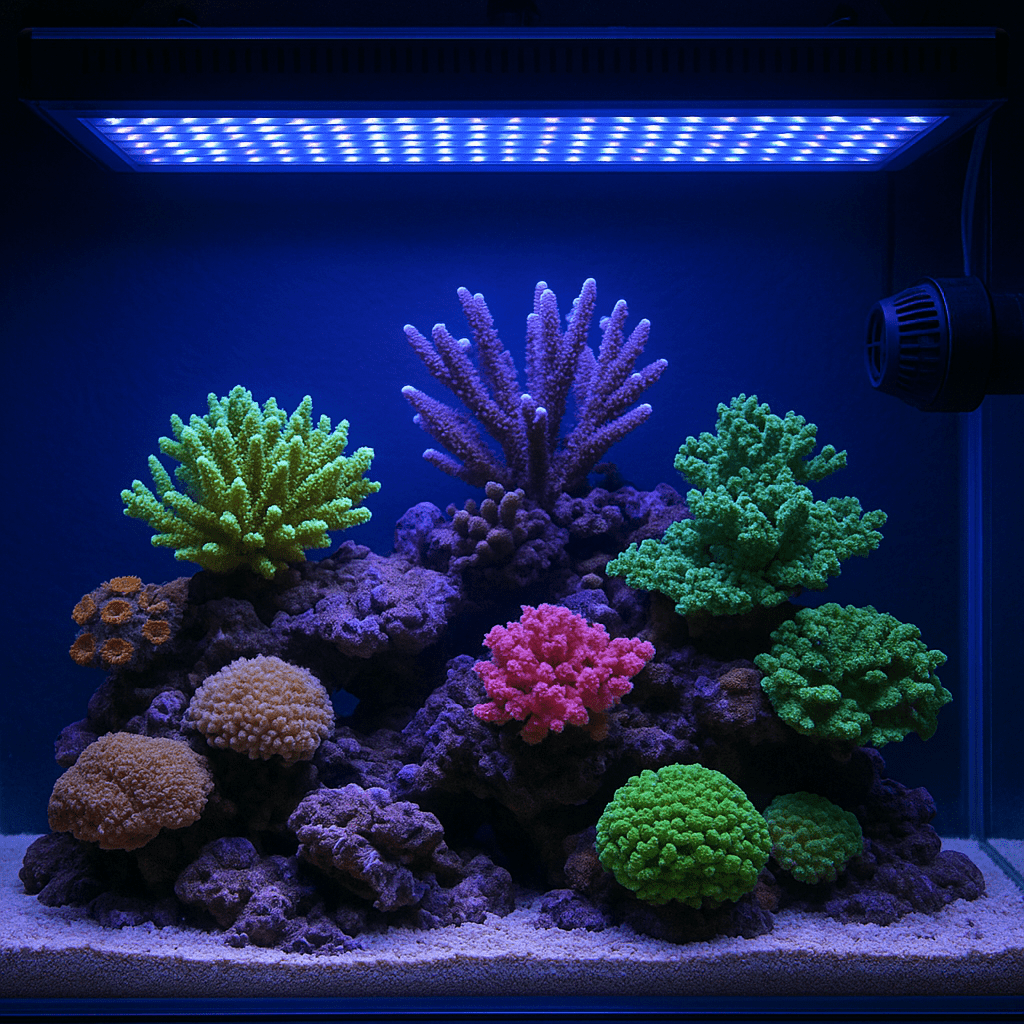
Both live rock and dry rock work in nano reefs, mixed reefs, and large SPS systems. The key is not the rock type alone. The key is how you use it. Build an open aquascape with room for flow and coral growth. Avoid dense rock walls. They trap detritus and reduce swimming space.
Older advice suggested one to two pounds of rock per gallon. That rule is outdated. Modern reef tanks often use less rock because filtration equipment is stronger and aquascapes are more open. Use enough rock for biological surface area and fish shelter. Do not overcrowd the display.
Dry rock is easier to cement into arches, shelves, and islands. Live rock is harder to shape because it is already colonized. If aquascape design matters most to you, dry rock is often easier. If immediate biological value matters most, live rock has the edge.
Step-by-Step: How to Choose the Right Rock for Your Reef
Step 1: Decide your budget. Live rock usually costs more. Dry rock stretches your budget further.
Step 2: Decide how patient you are. If you want faster maturity, lean toward live rock. If you can wait, dry rock is fine.
Step 3: Consider your pest tolerance. If hitchhikers worry you, choose dry rock or quarantined live rock.
Step 4: Think about aquascaping. If you want custom structures, dry rock is easier to work with.
Step 5: Consider a hybrid approach. Use mostly dry rock. Add a small amount of trusted live rock for seeding.
Step 6: Match the rock to your source. Buy from reputable vendors. Ask how the rock was stored, cured, and shipped.
Step 7: Plan for cycling. Dry rock needs bacterial seeding and careful nutrient management. Live rock may still need curing and testing before livestock.
Cycling Differences: Which One Starts a Tank Faster?
Live rock usually speeds up the nitrogen cycle. It already contains nitrifying bacteria. In some cases, fully cured live rock can process ammonia almost immediately. You still need to test. Never assume it is instantly safe for fish or corals.
Dry rock needs to be seeded. You can use bottled bacteria, live sand, established media, or a small piece of trusted live rock. Ammonia processing starts slower. Biological maturity also comes later. That means the tank may cycle on paper before it acts mature in practice.
This difference matters because many early reef problems are not just about ammonia. They are about instability. Dry rock systems can suffer from swings, sterile conditions, and nuisance blooms. Good husbandry helps a lot. Feed lightly, avoid overreacting, and let the tank develop naturally.
Compatibility With Fish, Corals, and Invertebrates
Both rock types are compatible with reef fish, corals, and clean-up crews. The difference lies in what they contribute. Live rock often supports pods and microfauna. That benefits mandarins, wrasses, and other small hunters. It can also provide natural grazing surfaces for tangs and blennies.
Corals can thrive on either type. What matters more is stability, flow, and lighting. Dry rock may take longer to develop coralline algae. During that time, it can look pale and bare. That is cosmetic, not harmful. Corals do not require purple rock to grow well.
Invertebrates also do well with both. However, live rock may introduce hidden predators. Watch for crabs, mantis shrimp, and predatory worms if snails or shrimp disappear. If you keep delicate inverts, inspect live rock carefully before adding it to the display.
Can You Turn Dry Rock Into Live Rock?
Yes. In fact, every healthy dry rock tank eventually becomes a live rock tank. The process just takes time. Bacteria colonize first. Then algae films appear. Later, pods, worms, sponges, and coralline algae may follow. This progression is normal.
You can speed the process by adding bacterial products, live copepods, coralline scrapings, or a small piece of pest-free live rock from a trusted reef system. Stable alkalinity, calcium, and magnesium also help coralline growth. Good nutrient balance matters too. Zero nutrients often creates more problems than it solves.
The goal is not to rush every stage. The goal is to build a stable ecosystem. That takes months, not days. Dry rock rewards patience. Many stunning modern reef tanks started with entirely dry rock.
Common Problems
Why is my dry rock tank covered in brown algae?
This is often a diatom bloom. It is common in new tanks. Silicates, fresh surfaces, and immature biology all contribute. Usually, it fades on its own. Use RO/DI water, maintain stable nutrients, and avoid constant chemical fixes. A clean-up crew can help, but time is the main cure.
Why does live rock smell bad?
Strong odor usually means die-off. This happens when rock ships poorly or sits without circulation. Cure the rock in heated, moving saltwater before use. Test ammonia often. Perform water changes as needed. Do not add uncured live rock directly to a stocked reef.
Why is phosphate leaching from my dry rock?
Some dry rock contains bound phosphate from past organic material. This can fuel algae. Rinse the rock well before use. Cure it in saltwater if needed. Use phosphate-removing media carefully. Most importantly, test and track trends. Leaching often declines over time.
How do I remove pests from live rock?
Inspection is the first step. Use a flashlight at night. Dip methods have limits and can harm beneficial life. Traps work better for crabs and mantis shrimp. Aiptasia needs direct treatment. If the rock is heavily infested, quarantine is safer than guessing in the display tank.
Best Choice for Beginners
For most beginners, dry rock is the safer starting point. It is cheaper, cleaner, and easier to design with. It reduces the odds of hidden pests. That matters when you are still learning reef basics. The main cost is time. You must be patient during the first few months.
A hybrid approach is often ideal. Use mostly dry rock for structure. Then add a small amount of high-quality live rock or live media from a trusted source. This gives you better biodiversity without loading the tank with unknown hitchhikers. Many experienced reef keepers now use this method.
If you can source truly clean, well-cured live rock, it can be an excellent choice. Just buy carefully. Good live rock is valuable. Bad live rock creates work. Source quality matters more than labels.
Frequently Asked Questions
Is live rock better than dry rock?
Not always. Live rock is faster and more diverse. Dry rock is cheaper and cleaner. The better choice depends on your priorities.
Can I mix live rock and dry rock?
Yes. This is one of the best strategies. It combines custom aquascaping with natural biological seeding.
How long does dry rock take to become live?
Bacteria establish within weeks. Full biological maturity often takes several months. Coralline and microfauna may take longer.
Does live rock cycle a tank instantly?
No. Some cured live rock can process ammonia quickly, but you still need to test and confirm stability before adding livestock.
Will corals grow on dry rock?
Yes. Corals grow very well on dry rock once the tank is stable. Rock maturity matters more than the original rock type.
Final Thoughts
The live rock vs dry rock debate is not about right or wrong. It is about tradeoffs. Live rock offers speed, biodiversity, and a more natural start. Dry rock offers control, affordability, and fewer pests. Both can support beautiful reef aquariums.
If you want the most balanced approach, start with dry rock and seed it wisely. If you want a faster, richer start and trust your source, choose live rock. Either way, stability wins in the long run. Good testing, good flow, and patience matter more than the rock debate alone.
how to cycle a reef tank
ideal reef tank parameters
best clean up crew for a reef tank
how to grow coralline algae
reef aquascaping tips
Was this helpful?
Related Posts
Bristleworms
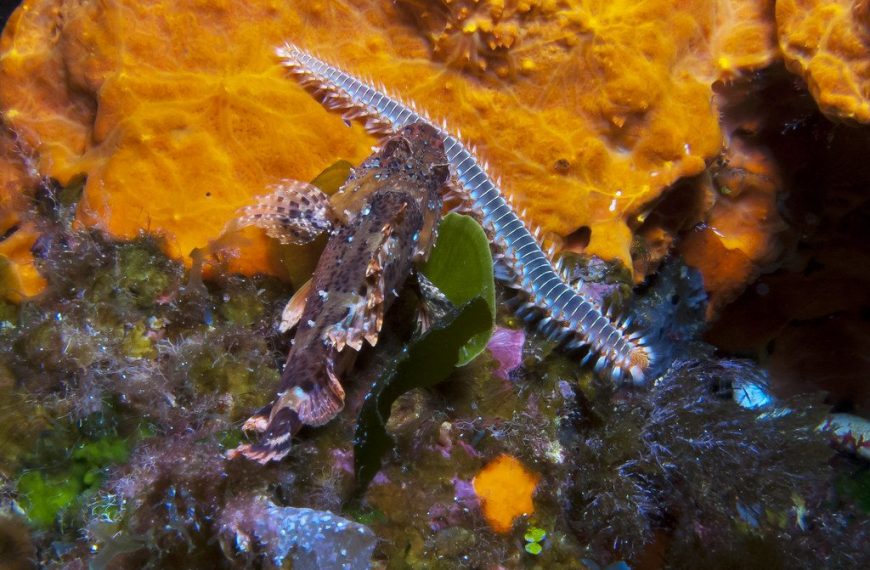
Bristleworms are usually helpful reef tank scavengers. Learn how to identify them, control numbers, and spot the rare…
 By
By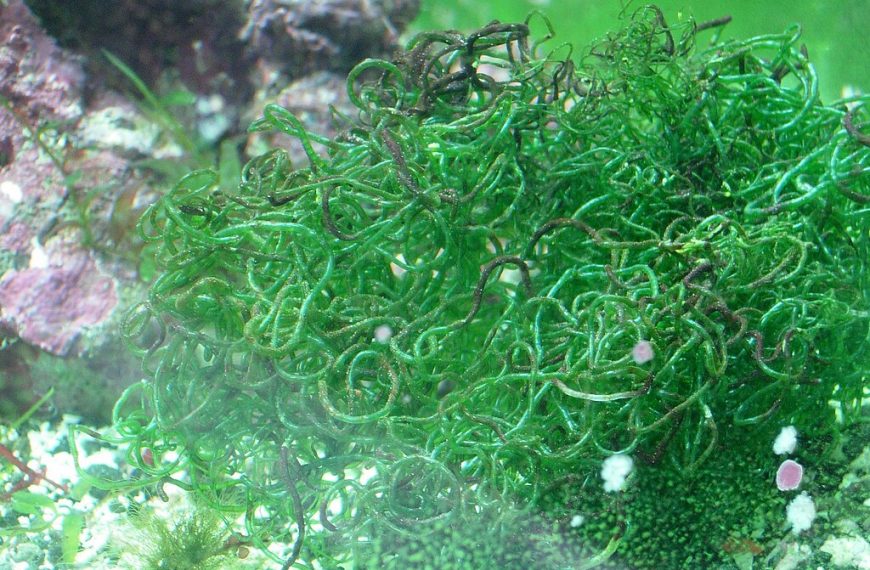
What is a Chaeto Reactor, and How Does it Help Control Nutrients?
A chaeto reactor grows macroalgae in a sealed chamber to remove nitrate and phosphate, helping reef tanks control…