

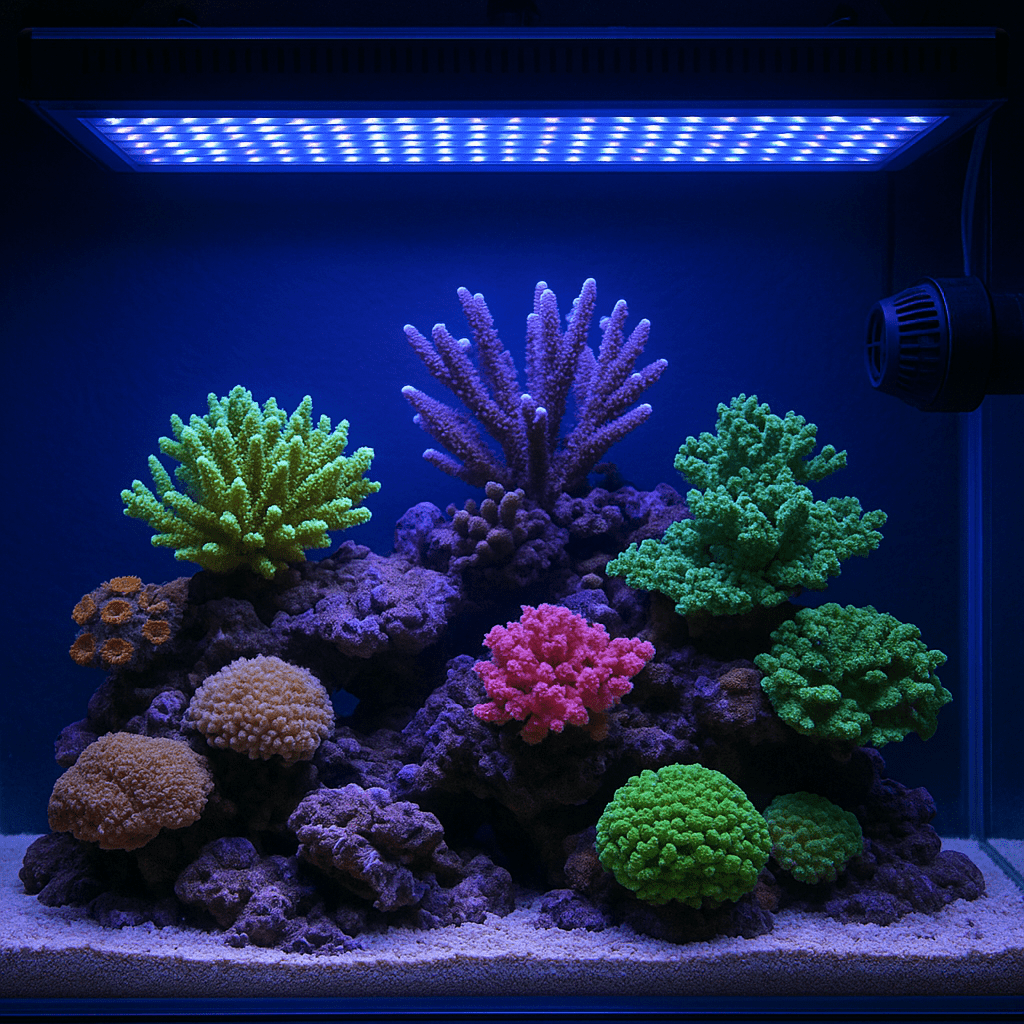
Mixing fish species in a reef tank works best when you match temperament, adult size, swimming zone, and feeding style. Most failures happen from poor planning, not bad luck. If you choose compatible fish, add them in the right order, and build the aquascape around behavior, you can keep a peaceful and active community.
Many reef keepers buy fish one at a time. They often choose what looks great in the store. That approach can create aggression, stress, and disease later. Fish compatibility is more than a simple safe or unsafe list. It depends on territory, tank size, rockwork, and even how often you feed. In this guide, you will learn what actually works when mixing reef fish species. We will cover planning, stocking order, common pairings, risky combinations, and practical fixes for aggression before it ruins your tank.
Quick Reference Table
| Factor | Best Practice | Why It Matters |
|---|---|---|
| Temperament | Mix peaceful fish first | Reduces early territorial behavior |
| Adult size | Check full grown size | Prevents bullying and overcrowding |
| Swimming zone | Mix top, mid, and rock-dwelling fish | Spreads territory use |
| Stocking order | Add aggressive fish last | Helps timid fish settle in first |
| Aquascape | Create caves and line-of-sight breaks | Lowers chasing and stress |
| Feeding style | Choose fish with similar food acceptance | Prevents starvation in shy species |
| Quarantine | Quarantine all new fish | Protects the whole community |
| Tank size | Stock for behavior, not just bioload | Active fish need room to move |
What Actually Determines Fish Compatibility
The biggest factor is temperament. Peaceful fish usually mix well with other peaceful fish. Semi-aggressive fish can work too, but only with planning. Highly aggressive fish limit your options fast. Species from the same family often fight more. This is common with tangs, dottybacks, dwarf angels, and some wrasses.
Adult size matters just as much. A small juvenile can seem harmless in the store. Six months later, it may dominate the whole tank. Always stock for the adult fish, not the current size. Also think about body shape. Fish with similar shapes often see each other as rivals. That is why two similar tangs may clash, even in a large aquarium.
Feeding behavior also affects success. Fast, bold eaters can outcompete shy fish. Anthias, mandarins, and some gobies often struggle in mixed tanks if feeding is not targeted. Finally, consider habitat use. A tank works better when some fish perch on rocks, some hover in open water, and others use caves or sand.
Natural Behavior Matters More Than Store Labels
Many fish are sold with broad labels like peaceful or reef safe. Those labels help, but they miss important details. In nature, reef fish defend food patches, nesting sites, and sleeping spots. That behavior does not disappear in captivity. A fish that seems calm in a dealer tank may become territorial once it claims a cave in your reef.
Clownfish are a good example. They are often sold as beginner fish. They are hardy and usually reef safe. Yet established clownfish can become very aggressive near their host coral or preferred corner. Royal grammas are usually peaceful, but they defend their cave. Yellow coris wrasses are active and useful, but they need sand and open room. Understanding these natural habits helps you build a realistic stocking plan.
This is why community success comes from role matching. Pick fish that use different spaces and different resources. Avoid forcing several territorial species into the same niche. That simple shift prevents many compatibility problems.
Best Fish Mixing Strategy for Reef Tanks
Start with a stocking plan before buying anything. List each fish by adult size, temperament, diet, and swimming zone. This makes overlap easy to spot. Add the most peaceful fish first. Let them settle and establish feeding routines. Add semi-aggressive species later. Save the boldest fish for last.
Try to avoid adding multiple territorial fish at the same time unless the tank is large. In some cases, adding similar fish together can spread aggression. This can work with certain tangs or anthias groups. Still, it is not a beginner method. For most hobbyists, one territorial addition at a time is safer.
Use an acclimation box when introducing fish that may be challenged. This lets the new fish rest and eat while the residents see it without direct contact. Rearranging a few rocks can also help. It breaks established territory lines. Feed the tank well during introductions. Hungry fish are usually more aggressive. Keep the lights dim for the first day if possible.
Aquarium Setup That Improves Compatibility
Tank size is not just about gallons. It is about usable territory. Long tanks usually work better than tall tanks for active swimmers. Fish need lanes to move and places to retreat. Open water in front with caves and arches behind is a strong layout for mixed reef fish.
Create line-of-sight breaks with rock structures. If one fish cannot constantly see another, chasing often drops. Build several hiding spots of different sizes. Small gobies need narrow crevices. Larger fish need overhangs and swim-throughs. Sand sleepers need enough open substrate to dive and rest.
Do not overpack the rockwork. Too much rock can reduce swimming room and trap aggression in tight spaces. At the same time, bare tanks make timid fish feel exposed. Aim for balance. Also think about flow. Strong random flow suits many reef fish, but weak swimmers need calmer pockets. A good layout supports both coral health and fish behavior.
Fish Species Combinations That Usually Work
Some groups mix very well in typical reef tanks. A classic peaceful community includes clownfish, firefish, gobies, blennies, royal grammas, and a few reef-safe wrasses. These fish use different areas and usually accept prepared foods. In medium tanks, this combination offers movement without constant conflict.
For larger tanks, tangs can work with fairy wrasses, flasher wrasses, foxfaces, cardinals, and many gobies. A single bristletooth tang is often easier than multiple surgeonfish. Dwarf angels are more variable. Many mix with active communities, but individual temperament differs. Always have a backup plan for a rogue angel.
Cleaner shrimp, snails, and most reef-safe invertebrates fit well with these groups. Watch larger wrasses around tiny shrimp. Also watch hawkfish with small ornamental crustaceans. If you want a calm mixed reef, choose species that differ in body shape and behavior. That usually works better than mixing several fish from the same niche.
Combinations That Commonly Cause Problems
The most common issue is mixing fish that look too similar. Two dwarf angels in a modest tank often fight. The same goes for many tang pairings. Dottybacks can be aggressive toward smaller cave fish. Six line wrasses often become dominant in community reefs. They may harass new wrasses, firefish, and timid feeders.
Another risky mix is combining bold eaters with delicate feeders. Mandarins need a mature pod population. They often fail in busy tanks with strong food competition. Anthias need frequent feeding and enough swimming space. They can fade fast in underfed systems. Pseudochromis species may bully gobies and blennies if space is limited.
Predation is another hidden problem. Large wrasses, hawkfish, and some basslets may eat very small shrimp or tiny fish. Always check mouth size and hunting style. If a fish can swallow a tankmate later, treat that as a real risk now.
Step-by-Step Guide to Building a Peaceful Fish Community
- Choose your final tank size first. Stocking options depend on space.
- Make a fish list based on adult size and temperament.
- Remove species that share the same niche or body shape.
- Check reef safety and invertebrate safety for each fish.
- Plan feeding needs before purchase. Avoid fish you cannot feed properly.
- Quarantine every fish. Healthy fish adapt better and fight less.
- Add peaceful fish first. Let them settle for several weeks.
- Add semi-aggressive fish later. Use an acclimation box if needed.
- Add the most territorial fish last. This includes many tangs and assertive wrasses.
- Watch behavior at feeding time and lights out. Problems often show then.
This process seems slow, but it prevents expensive mistakes. A stable social structure is easier to build than repair. Patience gives you far better long-term results.
Common Problems
Why is one fish chasing every new addition?
This usually means the resident fish has claimed the tank. Clownfish, dottybacks, damsels, and some wrasses often do this. Use an acclimation box for the newcomer. Rearrange a few rocks before release. Feed more heavily for several days. If aggression stays intense, the aggressor may need temporary removal.
Why is my new fish hiding and not eating?
Stress is the main cause. Shipping, bright lights, and harassment all contribute. Offer small meals several times daily. Try frozen mysis, enriched brine, pellets, and nori when relevant. Dim the lights and reduce sudden movement near the tank. Confirm that bolder fish are not intercepting all food.
Can aggression start weeks after stocking?
Yes. This is very common. Fish often tolerate each other until one grows, matures, or claims a sleeping site. Aggression can also rise after aquascape changes. Watch for torn fins, cornering, and skipped meals. Early action is easier than waiting for injury.
What if two fish only fight at feeding time?
That points to food competition. Spread food across the tank. Use multiple feeding points. Offer sinking and floating foods together. Feed shy fish with a turkey baster if needed. In many cases, better food distribution solves the issue.
Frequently Asked Questions
Can you mix tangs in a reef tank?
Yes, but it is advanced stocking. Tank size must be large. Body shape matters. Similar tangs fight more often. Add them carefully and expect some risk.
What fish should beginners avoid mixing?
Beginners should be cautious with six line wrasses, multiple tangs, dottybacks, and delicate feeders like mandarins. These fish often create compatibility or feeding problems.
Is it better to add fish all at once?
Usually no. Slow stocking is safer for filtration and disease control. The exception is some similar schooling or shoaling species, but that requires planning.
How many fish can a reef tank hold?
There is no perfect number. Tank size, filtration, fish size, and behavior all matter. Stock for territory and oxygen demand, not just nitrate control.
Do peaceful fish always stay peaceful?
No. Individual personality matters. Even calm species can become territorial in small spaces. Always monitor behavior after each new addition.
Final Thoughts
Mixing fish species successfully is about planning around behavior. Match temperament, size, feeding style, and habitat use. Build the tank to reduce conflict. Add fish in a smart order. Then watch closely and adjust early. That is what actually works in real reef tanks.
For more help, see our guides on reef tank compatibility guide, best reef fish for beginners, how to quarantine saltwater fish, and reef aquascaping basics.
Was this helpful?
Related Posts
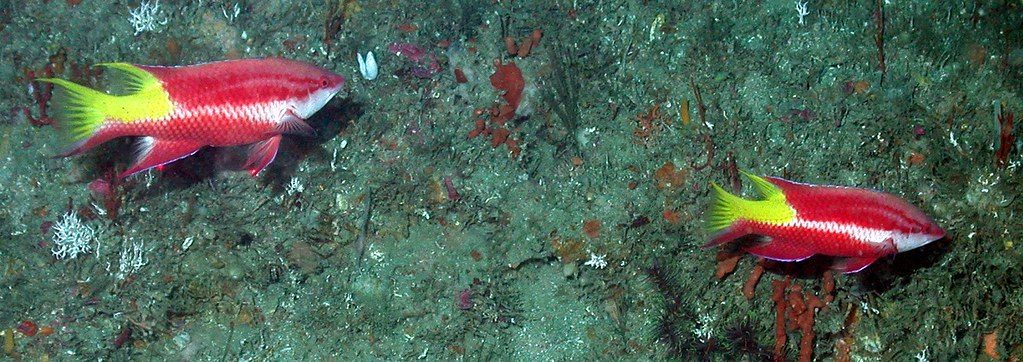
Cuban Hogfish (bodianus Pulchellus)
Cuban Hogfish care is straightforward in larger reef tanks. Learn tank size, diet, compatibility, and reef safety before…
 By
ByWhat to Do During a Power Outage
A reef tank power outage demands fast action. Protect oxygen, temperature, and circulation first to keep fish and…
 By
By[favorite_button]
My Bookmarks:
To see full list click here
[user_favorites user_id="" include_links="true" site_id="" post_types="" include_thumbnails="true" thumbnail_size="thumbnail" include_excerpt="false"]