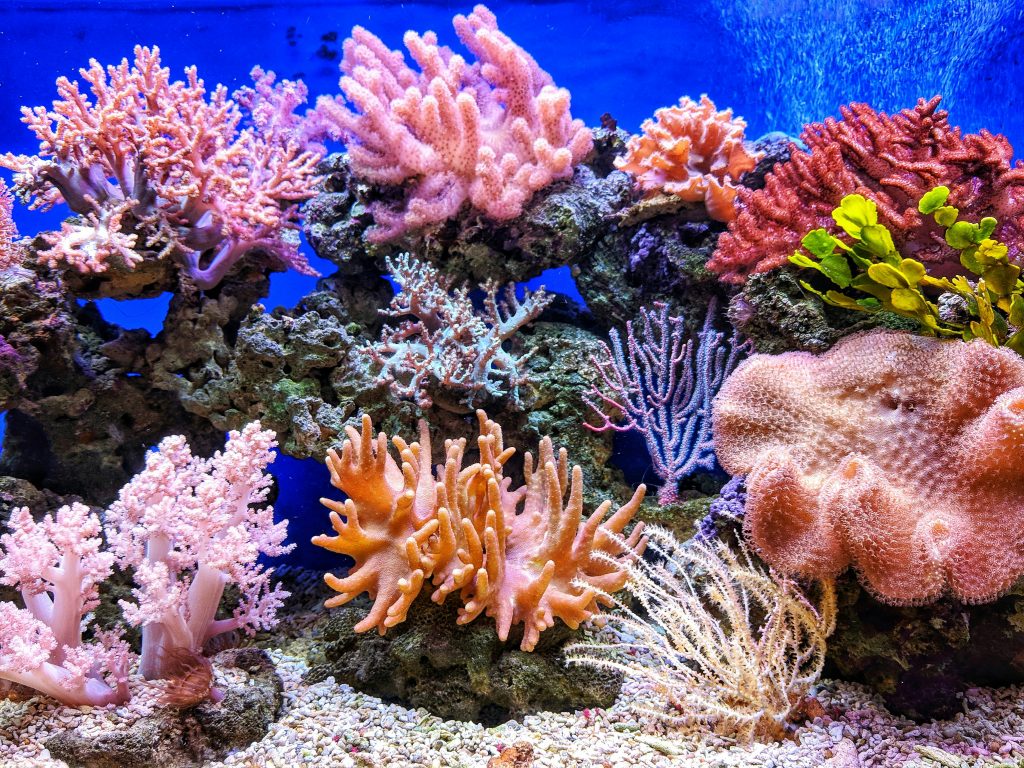
Soft corals are often the first step into reef keeping for many hobbyists—and for good reason. They’re hardy, colorful, and far more forgiving than many small-polyp stony corals. If you’re starting your first reef tank or looking to add movement and life to an established system, beginner soft corals are an excellent choice.
Why Soft Corals Are Perfect for Beginners
Soft corals lack a rigid calcium skeleton, which makes them more flexible and generally easier to keep than many LPS and SPS species. They usually tolerate:
- Slight swings in water parameters
- Moderate lighting instead of intense reef lights
- Gentle to moderate flow rather than blasting currents
As with any reef, stable water quality is still important. Aim for:
- Temperature: 76–78°F (24–26°C)
- Salinity: 1.024–1.026 specific gravity
- Nitrate: 5–15 ppm
- Phosphate: 0.03–0.1 ppm
Soft corals generally appreciate a bit of “dirtier” water compared to SPS, so an ultra-sterile tank isn’t necessary. If you’re still planning your system, our guide on beginner saltwater tank setup walks through equipment and cycling in more detail.
Top Beginner Soft Corals to Try
Zoanthids and Palythoas
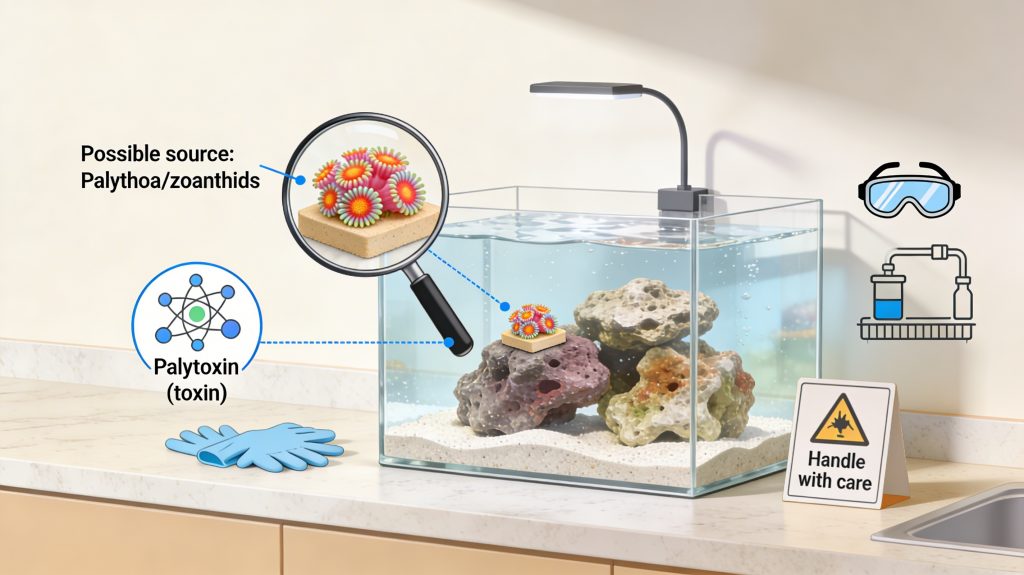
Zoanthids are among the most popular starter corals thanks to their bright colors and easy care. They form mats of small polyps and spread across rockwork over time. Provide moderate light and flow, and they’ll usually grow well.
Tip: Some zoanthids and palythoas can contain palytoxin. Always handle with gloves, avoid scraping or cutting them in confined spaces, and wash your hands after working in the tank.
Green Star Polyps (GSP)
Green Star Polyps are famous for their waving, neon-green mat of polyps. They’re extremely hardy and will often thrive in tanks that are still maturing. However, they can spread quickly.
- Place on an isolated rock or island to control growth
- Provide moderate flow to keep the polyps clean and extended
- Brush away detritus with a turkey baster during maintenance
Leather Corals (Sarcophyton, Sinularia, Lobophytum)
Leather corals are classic beginner choices. Toadstools, finger leathers, and similar species adapt well to a range of conditions. They may periodically “shed” a waxy film; this is normal and helps them grow.
- Give them space; large varieties can dominate a section of rockwork
- Provide moderate light and random, turbulent flow
- Run fresh carbon if you keep many leathers, as they can release mild toxins
Mushroom Corals (Discosoma, Rhodactis, Ricordea)
Mushrooms are low-maintenance soft corals that tolerate low to moderate light and gentle flow. They’re great for filling in lower areas of the rockwork or shaded spots under larger corals.
Tip: If a mushroom detaches and starts wandering, use a small cup with rubble and mesh to encourage it to reattach in a controlled spot.
Simple Care Routine for Long-Term Success
Once your beginner soft corals are in place, consistency is more important than perfection. A basic routine might look like this:
- Daily: Check temperature, equipment, and coral extension.
- Weekly: Test salinity, nitrate, and phosphate; perform a 10–15% water change.
- Monthly: Replace or refresh carbon and clean pumps and powerheads.
Most soft corals get plenty of nutrition from light and dissolved nutrients in the water, but occasional feeding of small particle foods can boost growth. If you’re unsure how to balance feeding and filtration, our article on reef tank nutrient management covers practical strategies.
By starting with hardy, beginner-friendly soft corals and focusing on stable, reasonable parameters, you’ll gain experience and confidence without constant frustration. Over time, these corals will spread, sway, and transform your tank into a vibrant, living reef—and provide the perfect foundation if you decide to branch out into more demanding species later.
Sources
- Borneman, E. H. (2001). Aquarium Corals: Selection, Husbandry, and Natural History. TFH Publications.
- Sprung, J. (2005). Corals: A Quick Reference Guide. Ricordea Publishing.
- Delbeek, J. C., & Sprung, J. (1994–2005). The Reef Aquarium Vol. 1–3. Ricordea Publishing.
- Common husbandry practices and consensus from modern reef aquarium communities and literature as of 2024.

 By
By