

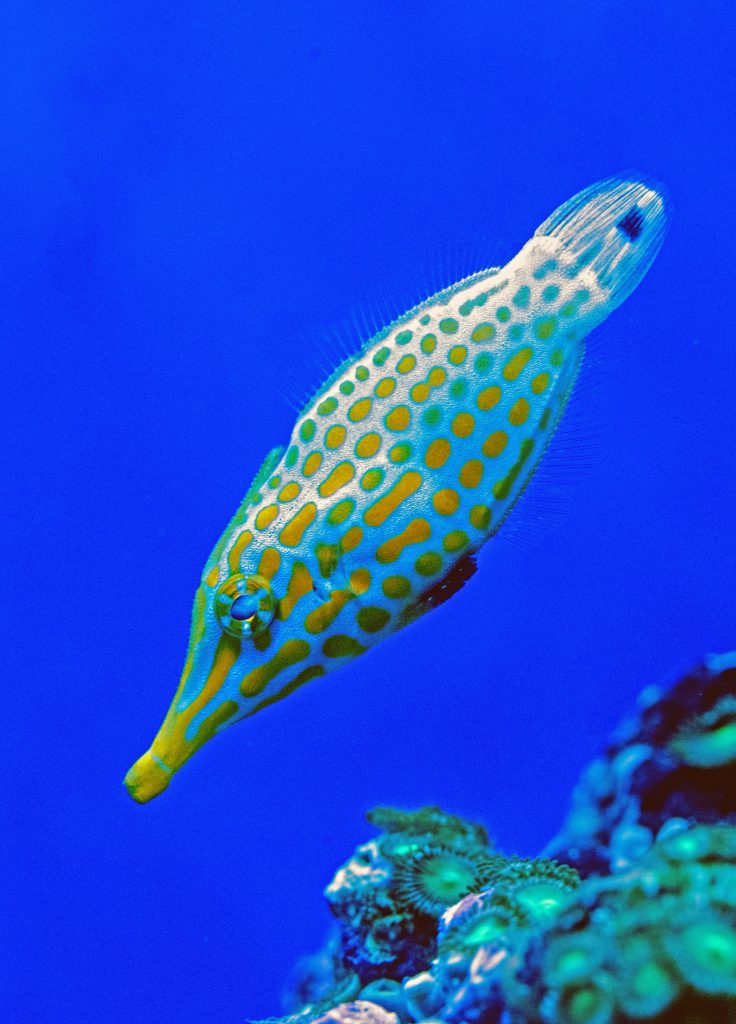
The orange spotted filefish is one of the most beautiful reef fish in the hobby. It is also one of the most difficult. This species often refuses prepared foods and naturally feeds on coral polyps. Most reef keepers should view it as an expert-only fish. Success depends on careful sourcing, quarantine, patient feeding work, and a mature aquarium.
In this guide, you will learn what makes Oxymonacanthus longirostris so challenging. We will cover tank size, aquascaping, feeding, coral compatibility, and common problems. You will also learn when this fish should be avoided. For most hobbyists, admiration from afar is the better choice. For advanced keepers, preparation is everything.
Quick Reference Care Table
| Common name | Orange Spotted Filefish |
| Scientific name | Oxymonacanthus longirostris |
| Care level | Expert |
| Temperament | Peaceful, shy |
| Adult size | About 5 inches |
| Minimum tank size | 70 gallons, larger preferred |
| Diet | Coral polyps, tiny meaty foods, sometimes frozen foods |
| Reef safe | No, may consume SPS coral polyps |
| Lighting | Fish itself is adaptable; coral-rich systems need reef lighting |
| Water flow | Moderate, varied flow |
| Best kept | Singly or bonded pair in mature systems |
This table gives the short version. The details matter much more with this fish. Small mistakes often lead to starvation. That is why setup, food training, and coral planning all need close attention.
Natural Habitat
The orange spotted filefish lives across the Indo-Pacific. It is often found on coral-rich outer reef slopes and lagoons. In nature, it spends much of the day picking at branching corals. Acropora colonies are especially important. Its long snout is built for this feeding style.
This natural behavior explains most of its care problems in aquariums. The fish does not browse algae like many beginner species. It does not always chase larger frozen foods either. It searches constantly for tiny bites. In the wild, those bites come from live coral tissue, mucus, and tiny organisms living among the branches.
That means a bare, sterile tank works against this species. It feels safer around structure. It also benefits from mature rockwork with microfauna. Understanding the habitat helps set realistic expectations. This fish is specialized by design. Specialized fish are rarely easy aquarium residents.
Aquarium Setup
A 70-gallon tank is a practical minimum. Larger tanks are better. A 90-gallon or bigger aquarium offers more stability and more feeding opportunities. Stability matters because this fish handles stress poorly. Sudden changes often lead to hiding and food refusal.
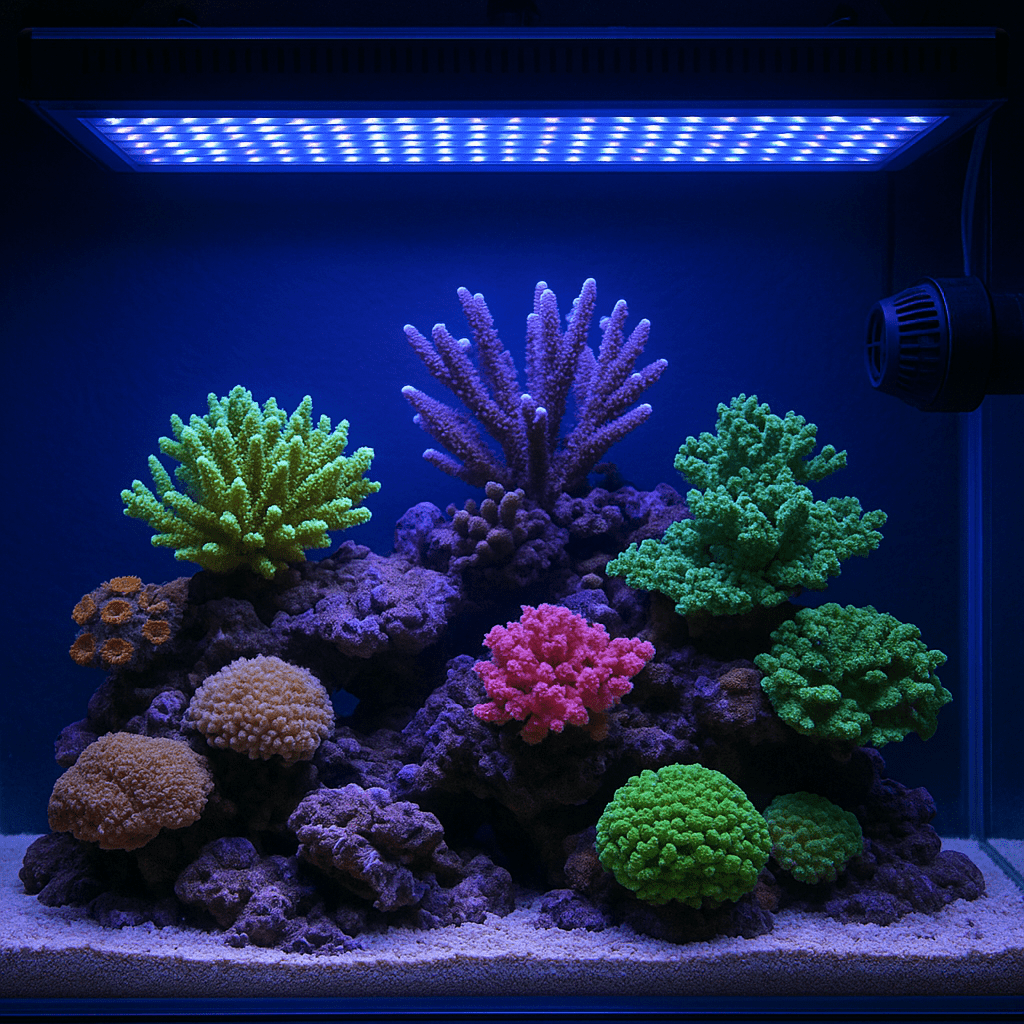
Create an open reef layout with branching rock structures and calm retreat zones. Leave swimming room in the front and middle. Add caves and overhangs for security. Avoid aggressive tank mates that dominate feeding time. This species does best in peaceful displays.
A mature tank is strongly recommended. New tanks lack natural grazing and often swing in nutrient levels. Keep salinity stable around 1.025 to 1.026. Aim for temperatures between 76 and 79 degrees Fahrenheit. Maintain ammonia and nitrite at zero. Keep nitrate low but not unstable. Phosphate should also remain controlled. If you need help building a stable system, see reef tank setup and reef aquarium water parameters.
Lighting Requirements
The fish itself does not need intense lighting. However, many keepers attempt this species in SPS systems. Those aquariums usually run moderate to high reef lighting for coral growth. The filefish adapts well to normal reef photoperiods as long as it has shaded areas.
Bright tanks without shelter can make shy specimens more nervous. Provide branching rockwork and coral structures that break lines of sight. This helps the fish settle in. It also encourages natural picking behavior. A relaxed fish is more likely to investigate food.
If you are keeping the species in a fish-focused system, avoid sudden lighting changes. Ramp lights up and down gradually if possible. Fast on-off transitions can startle delicate fish. Stress reduction is a major part of care here. Every small improvement helps with feeding success.
Water Flow
Moderate, varied flow works best. The orange spotted filefish does not enjoy being blasted by direct current all day. At the same time, stagnant water is not ideal in a reef aquarium. Aim for broad, indirect movement with calmer pockets around the rockwork.
Good flow supports oxygenation and keeps detritus suspended. That improves overall water quality. It also helps corals if the tank contains SPS colonies. Place pumps so the fish can move in and out of stronger zones. This mimics natural reef conditions more closely.
Watch the fish after adding powerheads or changing pump settings. If it hides constantly or struggles in the water column, adjust the pattern. A healthy specimen should cruise slowly, inspect surfaces, and pick calmly throughout the day.
Feeding
Feeding is the central challenge with this species. In nature, it eats coral polyps, especially from SPS corals. Many specimens arrive already thin. Some never accept substitute foods. This is why many experienced aquarists still avoid them.
The best candidates are captive-conditioned individuals or wild fish that are already eating at the store. Never buy one that ignores food. Ask to see it eat more than once. Ideal foods include enriched baby brine, cyclops, finely chopped mysis, calanus, roe, and specialized frozen blends. Feed small amounts several times daily. One large feeding is not enough.
Some keepers use feeding stations or place food near branching coral skeletons. This encourages natural pecking behavior. Others start with live foods, then mix in frozen foods over time. Patience is critical. If the fish loses body mass, act quickly. A pinched belly is a danger sign. For broader nutrition help, visit best reef fish food.
Compatibility
This species is peaceful and easily intimidated. Avoid aggressive tangs, large wrasses, dottybacks, and boisterous feeders. Fast fish often outcompete it at mealtime. That leads to slow starvation even when food is present. Choose calm tank mates that do not harass shy fish.
Coral compatibility is the bigger issue. The orange spotted filefish is not reef safe in the usual sense. It may consume or irritate Acropora and other SPS corals. Some individuals sample LPS and soft corals too. Results vary, but risk is always present. If your goal is a pristine SPS display, this fish is a poor match.
It usually ignores ornamental shrimp, snails, and other common invertebrates. A bonded pair can work in larger tanks, but pairing is not simple. Two random fish may fight. A single specimen is the safer route unless you have confirmed compatibility and enough space.
Step-by-Step Acclimation Guide
1. Choose the right specimen. Pick a fish with a full belly and alert behavior. Ask to see it eat prepared food.
2. Quarantine carefully. Use a calm tank with hiding places. Keep water pristine. Observe feeding response daily. Avoid unnecessary stress. If you need a refresher, read quarantine reef fish.
3. Start with easy foods. Offer live or highly enticing frozen foods first. Feed very small portions several times each day.
4. Transition slowly. Mix accepted foods with more nutritious prepared options. Change only one variable at a time.
5. Introduce to a mature display. Add the fish after lights dim. Make sure aggressive tank mates are absent.
6. Monitor body condition. Check the belly line and daily behavior. A fish that pecks all day may still be underfed.
Propagation and Breeding
Home breeding of the orange spotted filefish is rare. There have been important advances in captive rearing by specialists, but it remains beyond normal hobby practice. Spawning behavior may occur in established pairs, yet raising larvae is the real challenge. Larval foods, timing, and system design must be precise.
Can hobbyists form pairs?
Sometimes, yes. True compatible pairs are best obtained from trusted sources. Randomly combining two fish can lead to stress or aggression. Even if pairing works, feeding remains the main obstacle.
Is captive-bred better?
Yes, in most cases. Captive-bred or captive-conditioned fish are often more willing to accept prepared foods. They may adapt better to aquarium life. Availability is limited, but these specimens are worth seeking out.
Common Problems
This fish fails for predictable reasons. Most are linked to diet, stress, or poor planning. Quick action improves the odds, but prevention is far better.
Refuses all prepared food
This is the most common issue. Start with live or highly palatable foods. Feed in a quiet tank. Reduce competition. Try multiple small feedings each day. If the fish never eats in the store, do not buy it.
Picking at SPS corals
This is natural behavior, not bad behavior. The fish is doing what it evolved to do. Increased feeding may reduce pressure on corals, but it will not guarantee safety. If prized Acropora colonies matter most, rehome the fish or choose another species.
Weight loss despite eating
The fish may be eating too little or getting outcompeted. Increase feeding frequency. Use smaller particle foods. Target feed if possible. Check for internal parasites if weight loss continues. Review social stress in the tank.
Hiding all day
Look for aggression, harsh flow, or a lack of shelter. Test water quality. Keep hands out of the tank as much as possible. Shy fish need time, structure, and calm surroundings.
Frequently Asked Questions
Is the orange spotted filefish reef safe?
No. It commonly eats or damages SPS coral polyps. It is not a safe choice for most coral displays.
What do orange spotted filefish eat in captivity?
The best cases involve fish that accept enriched baby brine, calanus, roe, cyclops, and finely chopped frozen foods. Many still struggle long term.
How big does Oxymonacanthus longirostris get?
Adults usually reach about 5 inches. Their body is thin, but they still need room and stable water.
Can beginners keep this fish?
No. This is an expert-level species. Beginners should choose hardier reef fish with broad diets.
Should you buy one?
Only if you have a mature tank, a calm stocking plan, and proof the fish already eats prepared foods. Otherwise, skip it.
Final Thoughts
The orange spotted filefish is stunning, peaceful, and fascinating to watch. It is also one of the least forgiving reef fish in the hobby. Its natural coral-based diet makes long-term care difficult. For most aquarists, this species is best left to specialists. If you do attempt it, buy carefully, feed often, and build the whole system around its needs.
Was this helpful?
Related Posts
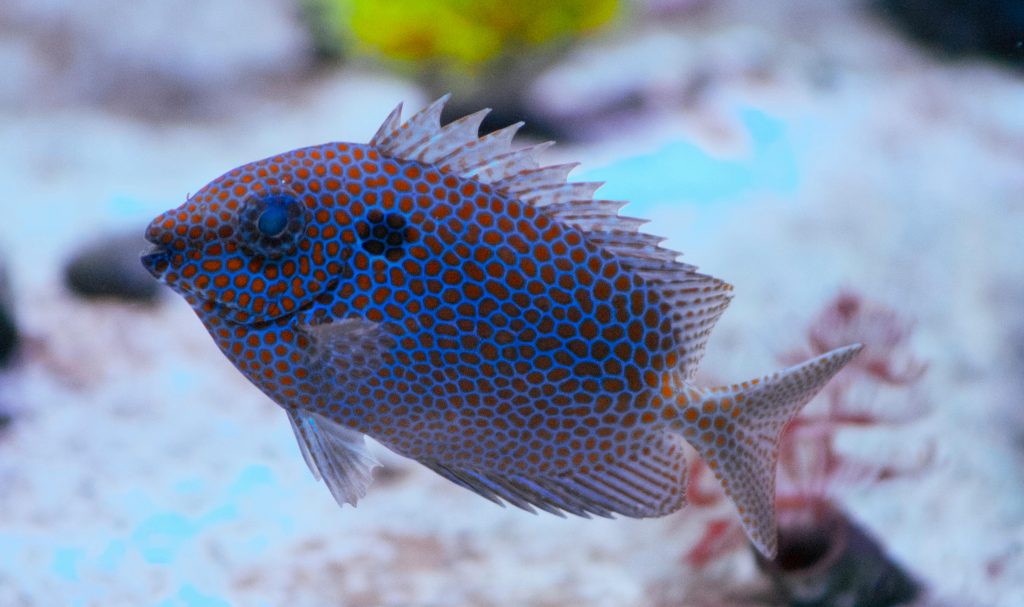
Gold Spotted Rabbitfish (Siganus Punctatus)
Gold Spotted Rabbitfish care includes large tanks, heavy algae feeding, and caution with corals. Learn tank size, diet,…
 By
By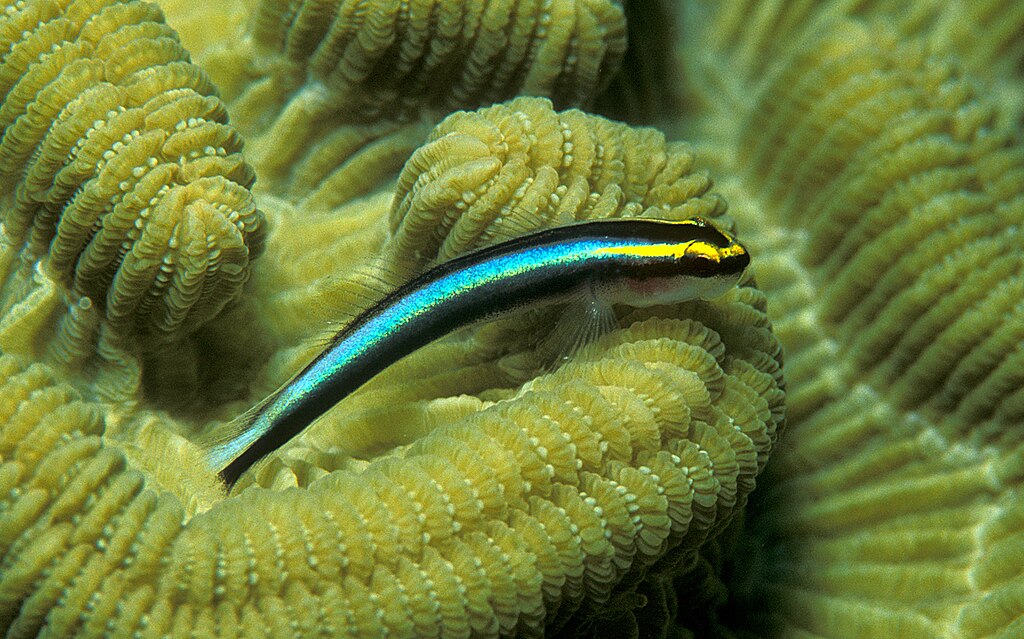
Sharknose Goby (Elacatinus evelynae)
Sharknose Goby care is simple in stable reef tanks. Learn feeding, tank setup, compatibility, and common problems for…
[favorite_button]
My Bookmarks:
To see full list click here
[user_favorites user_id="" include_links="true" site_id="" post_types="" include_thumbnails="true" thumbnail_size="thumbnail" include_excerpt="false"]