

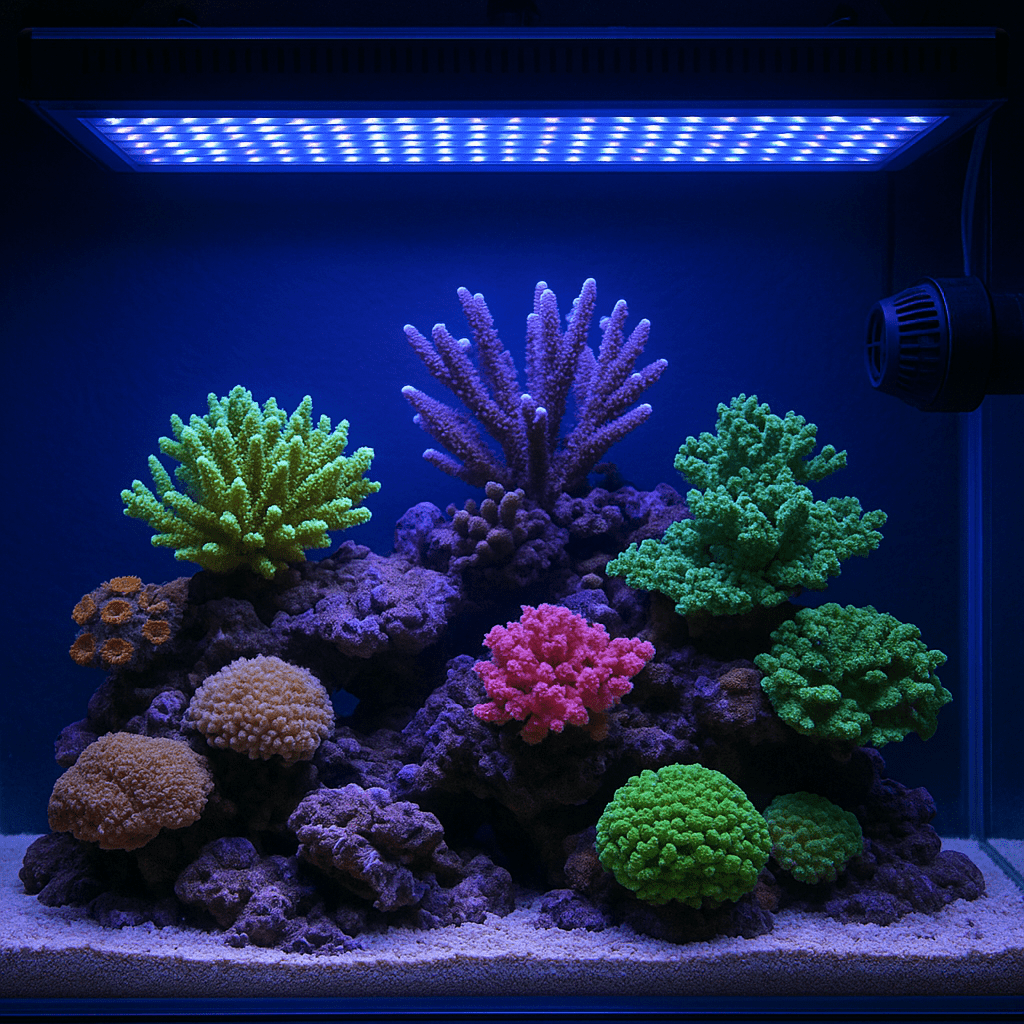
Quarantine meds can save fish, but only when used with a clear plan. This overview explains the medications we keep on hand, what each one treats, and when not to use them. It will help you build a safer fish quarantine routine and avoid common dosing mistakes.
Fish quarantine is one of the best habits in reef keeping. It protects your display tank from parasites, bacterial infections, and preventable losses. Many hobbyists buy medications before they understand how each one works. That often leads to mixed treatments, poor oxygen levels, and stressed fish. In this guide, we break down our quarantine medication approach in simple terms. You will learn which meds are useful for common marine fish diseases, how to set up a treatment tank, and how to troubleshoot problems during treatment. This article is written for beginners, but it includes practical details that intermediate hobbyists will also appreciate.
Quick Reference Table
| Medication | Main Use | Works In Display Tank? | Key Caution |
|---|---|---|---|
| Copper treatment | Marine ich and velvet | No | Must be tested daily |
| Praziquantel | Flukes and some worms | Sometimes, but not ideal | Can reduce oxygen |
| Metronidazole | Internal parasites and some protozoans | Usually no | Best used in food when possible |
| Kanamycin | Bacterial infections | No | Watch biofilter closely |
| Nitrofurazone blend | External bacterial issues | No | Can suppress nitrifying bacteria |
| Epsom salt | Bloating support | Sometimes | Supportive, not a cure |
This table is only a starting point. Always confirm diagnosis before treatment. Many fish losses happen because the wrong medication was used for the wrong disease.
Why We Keep a Quarantine Medication Kit
A reef display is a terrible place to discover disease. Corals, invertebrates, and live rock limit what you can safely dose. Copper cannot be used in a reef tank. Many antibiotics can damage the biofilter. Some medications also bind to rock and sand. That makes future reef use risky.
A quarantine kit gives you options before problems become emergencies. We keep basic medications on hand because shipping delays matter. Fish can decline fast. A prepared hobbyist can act early and more carefully. We also keep air stones, a reliable heater, extra test kits, and a few clean buckets with the meds. Medication alone is not enough. Good quarantine also depends on stable salinity, strong aeration, and low stress. If you are still refining your setup, read our aquarium quarantine tank setup guide, our reef fish acclimation guide, and our marine fish disease signs article for a stronger foundation.
Our Core Quarantine Medications
We prefer a small group of proven medications. Each one has a clear role. We do not like random combinations unless there is a strong reason. The core group usually includes a chelated copper medication, praziquantel, metronidazole, kanamycin, and a nitrofurazone-based antibiotic. We also keep activated carbon ready for medication removal after treatment.
Copper is our primary tool for marine ich and velvet. Praziquantel is useful for flukes. Metronidazole helps with some internal issues. Kanamycin and nitrofurazone cover many bacterial problems. These meds are not interchangeable. A fish flashing on objects may have flukes, ich, or simple irritation. A fish breathing hard may have velvet, gill flukes, or ammonia stress. That is why observation matters as much as medication. If you are unsure, review our reef tank water parameter guide before assuming disease. Bad water can look like infection.
How We Use Copper Treatment
Copper is one of the most effective quarantine medications for marine ich and velvet. It must be used in a bare treatment tank. We prefer simple tanks with PVC fittings for shelter. Copper should never be guessed. It must be tested with the correct test kit for the product you use. Different copper products have different target ranges.
We raise copper slowly unless the fish shows severe velvet symptoms. Most fish handle gradual increases better. Appetite often drops if copper rises too fast. Strong aeration is very important during treatment. Copper can stress fish, especially tangs, wrasses, and angels. Monitor breathing, appetite, and behavior every day. Remove chemical filtration unless the product instructions say otherwise. Keep the treatment level stable for the full treatment period. If the concentration drops, the clock often resets. Copper treats parasites on the fish during their vulnerable stage. It does not fix damage that poor water quality causes. Test ammonia daily.
When We Reach for Praziquantel
Praziquantel is commonly used for flukes and some internal worms. It is often much gentler than copper, but it still needs care. We use it when fish flash, twitch, breathe heavily, or show signs that point toward gill or skin flukes. A freshwater dip can sometimes help confirm flukes by revealing small opaque worms after the dip.
Praziquantel can lower oxygen, especially in small tanks. We always increase aeration before dosing. Fish may go off food for a short time. That is not unusual. We avoid stacking praziquantel with several other medications unless necessary. Simpler treatment is easier to manage. Repeat dosing is often needed because one round may not eliminate every life stage present. Watch the fish closely between doses. If breathing gets worse after treatment, check oxygen and ammonia first. Do not assume the medication failed. Supportive husbandry is part of successful treatment.
Metronidazole and Internal Parasite Support
Metronidazole is useful when fish show white stringy waste, weight loss, poor appetite, or suspected internal protozoan issues. It is often most effective when delivered in food. That targets the digestive tract directly. Fish that still eat are easier to help. If the fish refuses food, water dosing may still be used, but results can vary.
We treat metronidazole as a focused tool, not a cure-all. It will not solve marine ich. It will not fix bacterial fin rot by itself. It works best when the symptoms fit the likely problem. Pairing medicated food with stable water often gives the best outcome. Soak food only as directed. Overuse can foul water and reduce feeding response. During treatment, keep the tank clean and siphon waste often. Internal issues can take time to improve. Look for better appetite, fuller body shape, and more normal waste over several days rather than overnight.
Antibiotics for Bacterial Problems
Bacterial infections in quarantine often follow shipping damage, fighting, or poor water quality. Common signs include cloudy eyes, fin erosion, red sores, body slime, or ulcers. We usually reach for kanamycin or a nitrofurazone-based medication in these cases. Some hobbyists combine them for broader coverage. That can work well, but only in a dedicated treatment tank with strong monitoring.
Antibiotics can weaken your biological filter. That means ammonia can rise fast. We prepare for this by keeping extra saltwater mixed and ready. Daily testing is essential. Add aeration because sick fish already struggle with oxygen demand. Feed lightly during treatment. Excess food only creates more waste. If a wound looks mechanical rather than infectious, improved water and observation may be enough. Not every scrape needs antibiotics. Use them when signs point to infection, not just injury. This helps avoid unnecessary stress and keeps your quarantine process cleaner and more predictable.
Step-by-Step Quarantine Medication Plan
Start with a simple bare-bottom tank. Add a heater, sponge filter or seeded media, lid, and PVC shelter. Match salinity to the shipping water if needed. Acclimate the fish gently. Give it a quiet period to settle. Observe before medicating unless the fish clearly needs immediate treatment.
- Day 1: Check breathing, appetite, skin, fins, and swimming.
- Day 2 to 3: Begin copper only if symptoms or your protocol call for it.
- During treatment: Test medication levels and ammonia daily.
- If flukes are suspected: Use praziquantel with extra aeration.
- If internal issues appear: Use metronidazole, ideally in food.
- If bacterial signs appear: Move to antibiotic treatment.
- After treatment: Run carbon and observe before transfer.
This is a framework, not a rigid rule. Some fish need a slower pace. Others need urgent action. The key is controlled treatment, not panic dosing.
Quarantine Tank Setup Basics
A medication plan works best in a simple quarantine system. We recommend a tank size that fits the fish, but still stays easy to manage. Ten to twenty gallons works for many small fish. Larger tangs and angels need more space. Bare bottoms are easiest to clean. PVC elbows and couplers make excellent hiding places.
Use a lid. Sick fish jump. Keep flow moderate and oxygen high. A sponge filter is helpful, but remember that some meds can affect bacteria. Keep a dedicated thermometer and test kits for the quarantine system. Do not share nets or hoses with the display tank. Cross contamination defeats the whole purpose. Lighting should stay subdued. Bright light adds stress and does not help treatment. The goal is stability, easy observation, and fast cleanup. Fancy equipment is not required. Consistency is what saves fish in quarantine.
Common Problems
Fish stops eating during treatment
This is common with copper and stressed new arrivals. First, confirm ammonia is zero and oxygen is strong. Then verify the medication level is not too high. Offer small meals of familiar frozen foods. Try nori for tangs and algae grazers. Lower stress by adding more shelter. Appetite often improves when the environment feels safe.
Heavy breathing gets worse
Check oxygen first. Add an air stone immediately. Then test ammonia. If those are fine, reconsider the diagnosis. Velvet and gill flukes both cause severe breathing issues. A fish in advanced distress may need rapid intervention. Do not keep stacking medications without a reason.
Ammonia rises after dosing antibiotics
This happens often. Perform a water change and redose as directed for the amount removed. Use an ammonia binder only if it is compatible with your medication plan. Feed less. Siphon waste daily. Keep backup saltwater ready before starting antibiotics.
Symptoms improve, then return
This usually points to an incomplete treatment period, unstable medication level, or a wrong diagnosis. Review your notes. Confirm you reached and maintained the proper dose. Observe carefully before repeating treatment. Guesswork leads to repeated failure.
Frequently Asked Questions
Do I need every quarantine medication before buying fish?
No, but you should have the basics. At minimum, keep a parasite treatment, a fluke treatment, and one antibiotic option.
Can I treat fish in my reef display?
Usually no. Many medications are unsafe for corals, snails, shrimp, and live rock. A separate treatment tank is much safer.
Should I medicate every new fish automatically?
That depends on your protocol and risk tolerance. Many hobbyists use preventive treatment. Others observe first. Either way, quarantine is still essential.
How long should quarantine last?
It varies by protocol. Many hobbyists quarantine for several weeks. The timeline depends on observation, treatment choice, and fish health.
What is the biggest medication mistake beginners make?
Using multiple medications without a diagnosis or test plan. Most problems get worse when water quality and oxygen are ignored.
A good quarantine medication kit is not about collecting bottles. It is about using the right tool at the right time. Keep your process simple. Test often. Watch the fish closely. Stable water, strong oxygen, and careful diagnosis matter as much as any medication. With a calm approach, quarantine becomes one of the most effective skills in reef keeping.
Was this helpful?
Related Posts
Reef Alkalinity and Calcium Guide
Learn the ideal reef alkalinity and calcium ranges, how they interact, and how to test, dose, and troubleshoot…
 By
ByReef Tank Basics
Learn reef tank basics, from setup and cycling to lighting, flow, and water chemistry, so your first reef…
[favorite_button]
My Bookmarks:
To see full list click here
[user_favorites user_id="" include_links="true" site_id="" post_types="" include_thumbnails="true" thumbnail_size="thumbnail" include_excerpt="false"]