

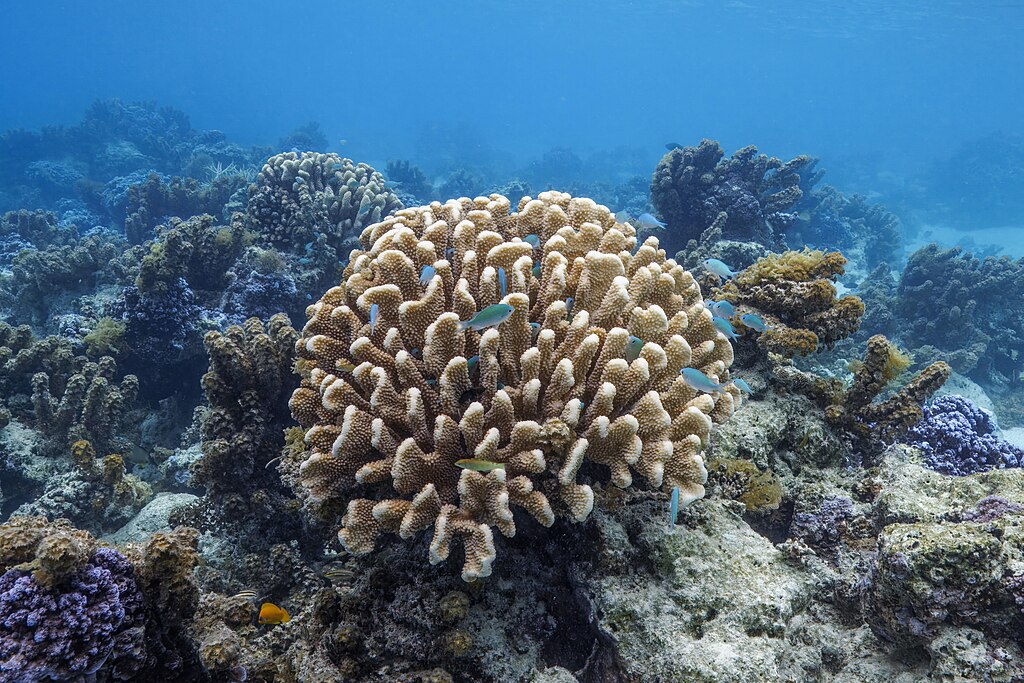
Pocillopora is a fast-growing small polyp stony coral. It can be hardy once established. Many reef keepers use it as an early SPS coral. Success depends on stable alkalinity, strong light, brisk flow, and good nutrient balance. This guide covers care, placement, feeding, compatibility, fragging, and common problems.
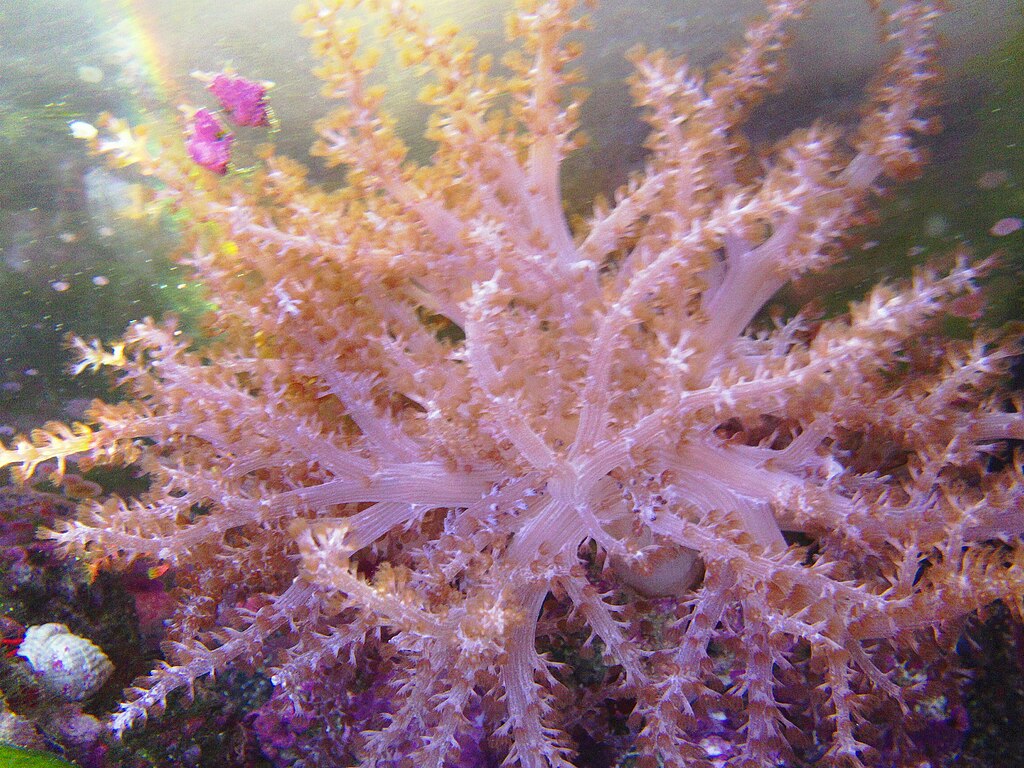
Pocillopora is popular for good reason. It grows into dense, bushy colonies. Its branches create movement and texture in a reef tank. Many species show pink, green, tan, purple, or cream tones. Polyps often extend well during the day. That makes the coral look very lively. It also gives hobbyists a visible clue about health. While Pocillopora is often sold as a beginner-friendly SPS, it still needs stable conditions. Sudden swings can cause tissue loss or faded color. In this article, you will learn how to keep Pocillopora healthy long term. We will cover natural habitat, tank setup, lighting, flow, feeding, compatibility, fragging, and troubleshooting. If you want an SPS coral with fast growth and classic branching form, Pocillopora is a strong choice.
Pocillopora Care Quick Reference
| Care Factor | Recommendation |
|---|---|
| Difficulty | Moderate |
| Placement | Middle to upper rockwork |
| Lighting | Moderate to high, about 200-350 PAR |
| Water Flow | Moderate to strong, turbulent flow |
| Temperature | 76-79°F |
| Salinity | 1.025-1.026 specific gravity |
| Alkalinity | 8-9 dKH, stable |
| Calcium | 400-450 ppm |
| Magnesium | 1250-1400 ppm |
| Nitrate | 2-15 ppm |
| Phosphate | 0.03-0.10 ppm |
| Feeding | Optional but beneficial |
| Aggression | Moderate space needed from neighbors |
| Growth Rate | Fast under stable conditions |
Use this table as a starting point. Every reef tank is different. The most important factor is consistency. Pocillopora usually handles slightly elevated nutrients better than many Acropora. It does not handle sharp swings well.
Natural Habitat
Pocillopora occurs across the Indo-Pacific. It is found on shallow reefs, reef slopes, and lagoons. Many colonies live where water movement is strong. Waves and surge bring oxygen and suspended food. Light levels are often intense in these areas. In nature, these corals form compact branches that resist water motion. Their shape helps them handle changing flow. Some species host small crabs or shrimp. These animals can protect the coral from predators and debris. In the wild, Pocillopora often grows in nutrient-poor water. Yet that water is not sterile. It still contains plankton, dissolved nutrients, and constant exchange. This matters in aquariums. The coral wants clean water, but not stripped water. It also wants random flow, not a harsh direct blast. Understanding this habitat helps with placement. Think bright light, active water movement, and room to grow into a dense colony.
Aquarium Setup
Pocillopora can live in tanks as small as 20 gallons. Larger tanks are easier to keep stable. A mature reef tank is best. Try to wait at least several months before adding SPS corals. Stable alkalinity matters more than tank age alone. Place Pocillopora on secure rockwork. The colony will gain weight as it grows. Loose frags can fall and break. Start new frags in the middle of the tank. Then adjust based on color and polyp extension. Give the coral open space on all sides. Branches thicken quickly in good conditions. Avoid tight placement near aggressive LPS corals. Sweeper tentacles can damage tissue at night. Good filtration helps a lot. Use a quality skimmer, regular testing, and strong biological filtration. Keep salinity stable with an auto top-off if possible. If you dose alkalinity and calcium, use reliable pumps or a simple daily routine. Stability beats chasing perfect numbers.
Helpful reads: reef tank parameters, how to lower phosphate in a reef tank, best salt mix for reef tank.
Lighting Requirements
Pocillopora likes moderate to high light. A practical range is 200 to 350 PAR. Many frags do well around 200 to 250 PAR at first. Established colonies can thrive higher if acclimated slowly. Sudden light increases can bleach tissue. That is common after moving a frag upward too fast. Use a light acclimation mode when possible. You can also shorten the photoperiod for a week or two. Color gives useful feedback. Brown tissue often suggests lower light or higher nutrients. Pale tissue can mean too much light, unstable alkalinity, or both. Aim for a balanced approach. Strong blue spectrum helps fluorescence. A full reef spectrum supports growth. Keep the photoperiod consistent each day. Most reef tanks run 8 to 10 hours of strong lighting. If your Pocillopora loses color after a lighting change, act slowly. Small adjustments are safer than large ones. Watch the coral for two weeks before making another change.
Water Flow
Flow is critical for Pocillopora care. This coral needs moderate to strong turbulent flow. Random movement keeps detritus from settling between branches. It also improves gas exchange and nutrient delivery. Avoid a constant direct stream. That can strip tissue on one side of the colony. Instead, aim for intersecting currents or pulsing flow. Gyres, wavemakers, and alternating pumps work well. You want the polyps to move gently, not flatten hard in one direction. As the colony grows, flow patterns change. Dense branches can trap debris inside the coral. Check this often. A colony that looked happy as a frag may need more flow later. Poor flow can lead to algae growth in shaded areas. It can also cause tissue recession at the base. If you see detritus collecting, increase random flow around the colony. Repositioning the coral a few inches can make a big difference.
Feeding
Pocillopora gets much of its energy from light. Its zooxanthellae provide the main fuel. Still, feeding can improve growth and color. Many reef keepers target feed very fine planktonic foods. Good options include rotifers, reef roids, powdered coral foods, and broadcast plankton blends. Feed lightly once or twice each week. Turn off return flow for a short time if needed. Keep circulation on low so food stays suspended. Overfeeding causes more harm than good. Extra food can raise phosphate and nitrate too fast. That can dull color and encourage algae. Fish waste also helps feed SPS corals indirectly. A tank with healthy fish and moderate nutrients often supports good Pocillopora growth. Do not force heavy feeding just because the coral can capture food. Think of feeding as a supplement, not a requirement. Stable chemistry and proper placement matter more than any coral food.
Compatibility
Pocillopora is generally reef safe. It mixes well with many fish, invertebrates, and other corals. Still, placement matters. Leave room between Pocillopora and aggressive neighbors. Euphyllia, Galaxea, and many chalices can sting it badly. Soft corals can also create chemical stress in smaller tanks. Run carbon if your tank contains many soft corals. Fish compatibility is usually simple. Most reef-safe fish ignore Pocillopora. Watch for coral nippers like some angelfish and butterflyfish. Crabs and shrimp are usually fine. In fact, some tiny commensal crabs can benefit the coral. They help clean debris and may deter pests. Pocillopora can shade nearby corals as it grows. That is often the bigger issue than direct aggression. Keep pruning in mind from the start. Also note that some Pocillopora may release larvae in healthy systems. This can lead to small colonies appearing on rockwork or equipment.
More reef guides: SPS coral care and coral dipping guide.
Step-by-Step Placement Guide
Start by inspecting the frag closely. Look for pests, eggs, algae, or damaged tissue. Dip the coral before it enters the display tank. Mount it on a stable frag plug or rock. Choose a spot with good light and random flow. Start in the middle of the tank if unsure. Leave several inches around the frag. Watch polyp extension during the first week. If tissue looks pale, reduce light exposure. If detritus settles on branches, improve flow. Test alkalinity often during the first month. Fast-growing SPS can increase demand quickly. Once the coral shows steady extension and color, leave it alone. Frequent moving causes stress. After several weeks, you can shift it slightly higher if needed. Make only one change at a time. That makes troubleshooting much easier. A calm, methodical approach usually works best with Pocillopora.
Propagation and Fragging
Pocillopora is one of the easier SPS corals to frag. Healthy branches snap cleanly. This makes propagation simple for most hobbyists. Frag only strong, pest-free colonies. Avoid cutting stressed or freshly imported pieces.
How to Frag Pocillopora
Use bone cutters or coral shears. Select a healthy branch tip with good color. Cut a small section cleanly. Try not to crush the skeleton. Dry the base briefly with a paper towel. Glue the frag to a plug or small rock using reef-safe gel glue. Hold it in place for several seconds. Return the frag to moderate light and strong indirect flow. Most pieces heal quickly if conditions are stable.
Aftercare for Fresh Frags
New frags need stability more than anything else. Do not blast them with light immediately. Start a bit lower than the parent colony if needed. Keep alkalinity steady. Watch for tissue recession around the cut. Good flow helps prevent infection and detritus buildup. If the frag stays closed for a few days, that is normal. Give it time. Avoid handling it repeatedly.
Common Problems
Pocillopora is often forgiving for an SPS coral. Still, it can decline quickly when conditions swing. Most issues trace back to unstable alkalinity, poor flow, lighting shock, or pests. Diagnose slowly. Sudden changes often make things worse.
Why is my Pocillopora turning brown?
Brown color usually points to lower light, elevated nutrients, or both. Check PAR if possible. Review nitrate and phosphate trends. Brown tissue can also appear after shipping stress. Improve conditions gradually. Do not slash nutrients overnight. Aim for steady, moderate export and better placement.
Why is my Pocillopora bleaching?
Bleaching often follows a fast increase in light or a chemistry swing. Alkalinity spikes are a common cause. Heat stress can also trigger bleaching. Check temperature first. Then review recent changes to lighting, dosing, and maintenance. Reduce stress. Keep nutrients from bottoming out. Pale corals need balance, not starvation.
Why is tissue receding at the base?
Base recession often links to poor flow, detritus buildup, or unstable alkalinity. Shading can contribute in dense colonies. Increase random flow around the base. Siphon debris during water changes. Test alkalinity at the same time each day for a week. Hidden swings are common in growing SPS tanks.
Does Pocillopora get pests?
Yes. Flatworms, nudibranchs, and irritating hitchhikers can appear. Red bugs are less common on Pocillopora than on some Acropora, but inspection still matters. Dip all new frags. Quarantine if possible. Look for bite marks, missing polyps, or unexplained poor extension. Pests are easier to beat early.
Frequently Asked Questions
Is Pocillopora a good beginner SPS coral?
Yes, in many cases. It is often hardier than Acropora. It still needs stable parameters. Think of it as an entry-level SPS, not a no-care coral.
How fast does Pocillopora grow?
It can grow quickly under strong light and stable chemistry. Small frags may become mini colonies within months. Growth slows in low light or unstable tanks.
What PAR does Pocillopora need?
Aim for roughly 200 to 350 PAR. Start lower with new frags. Increase only after the coral adjusts well.
Can Pocillopora live in a mixed reef?
Yes. It does well in many mixed reefs. Just leave space from stinging corals and maintain strong flow.
Why are baby Pocillopora appearing in my tank?
Healthy colonies can release larvae or spread small fragments. These can settle elsewhere in the aquarium. Some hobbyists enjoy this. Others prune them to control spread.
Pocillopora rewards consistency. It does not need perfection. It needs stability, light, and active flow. Keep alkalinity steady. Avoid sudden changes. Give the colony room to grow. If you do that, Pocillopora can become one of the most satisfying SPS corals in your reef.
Was this helpful?
Related Posts
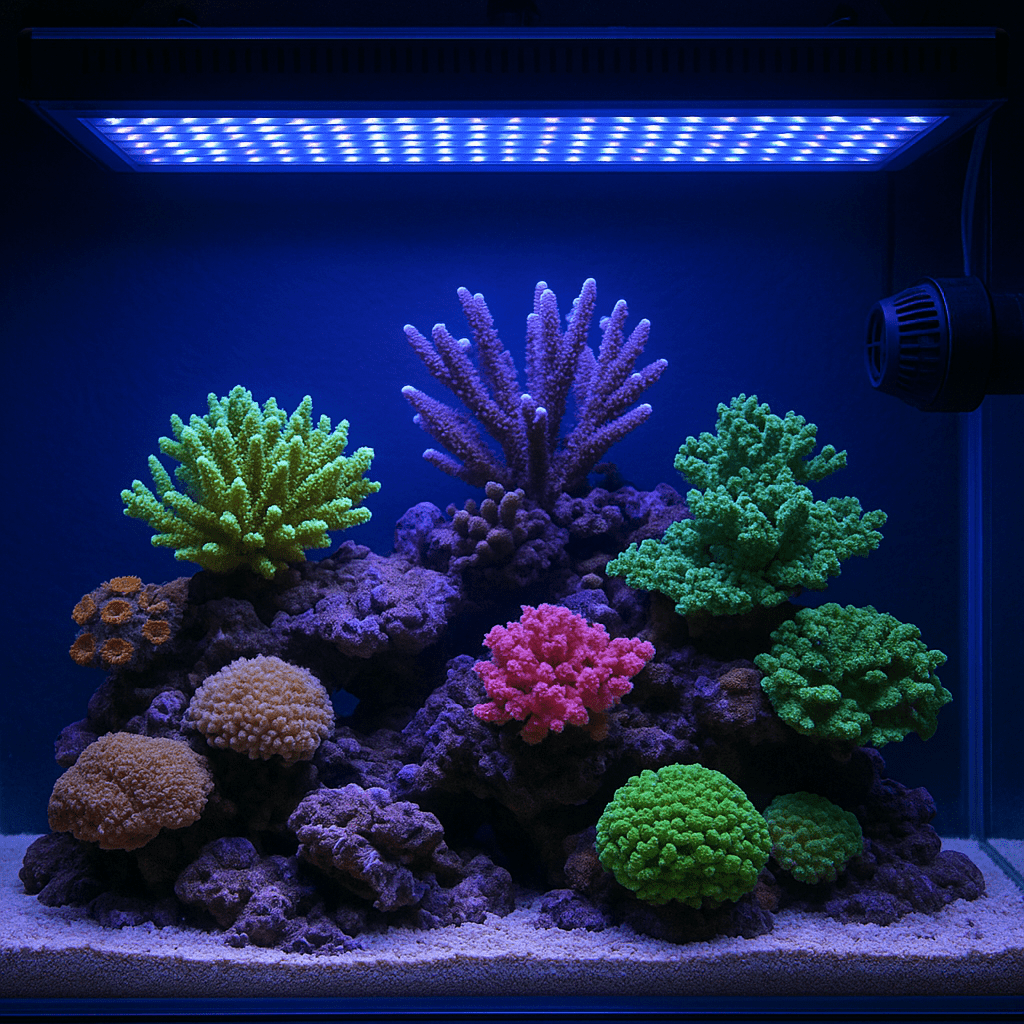
Reef Tank Basics
Learn reef tank basics, from setup and cycling to lighting, flow, and water chemistry, so your first reef…
 By
By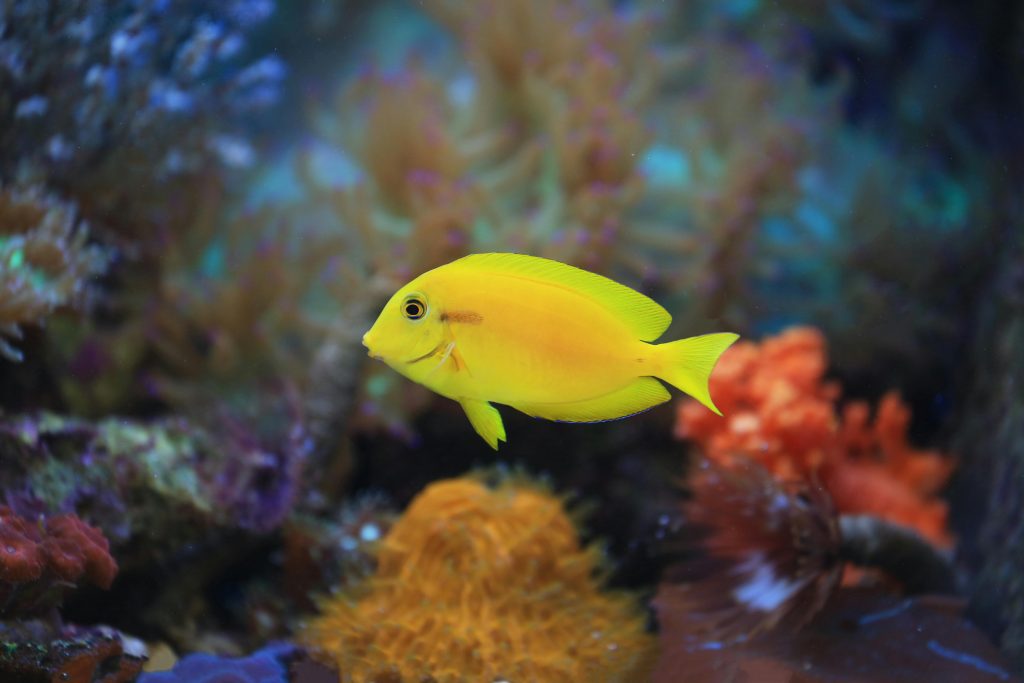
Juvenile Orange Shoulder (acanthurus Olivaceus)
Juvenile orange shoulder tangs are bright, hardy, and reef safe, but they grow large and need a spacious…
[favorite_button]
My Bookmarks:
To see full list click here
[user_favorites user_id="" include_links="true" site_id="" post_types="" include_thumbnails="true" thumbnail_size="thumbnail" include_excerpt="false"]