Powerheads keep reef tanks alive. They move oxygen and nutrients. They can also injure animals if you ignore safety.
Good flow should not mean lost fish, shredded anemones, or sandstorms. A few setup habits reduce risk fast. You can keep strong flow and safer livestock.
Choose, place, and tune powerheads for safe flow
Start with the right size and count. Aim for 20–40x total turnover each hour. Many mixed reefs do well near 30x. Use two smaller pumps instead of one large unit.
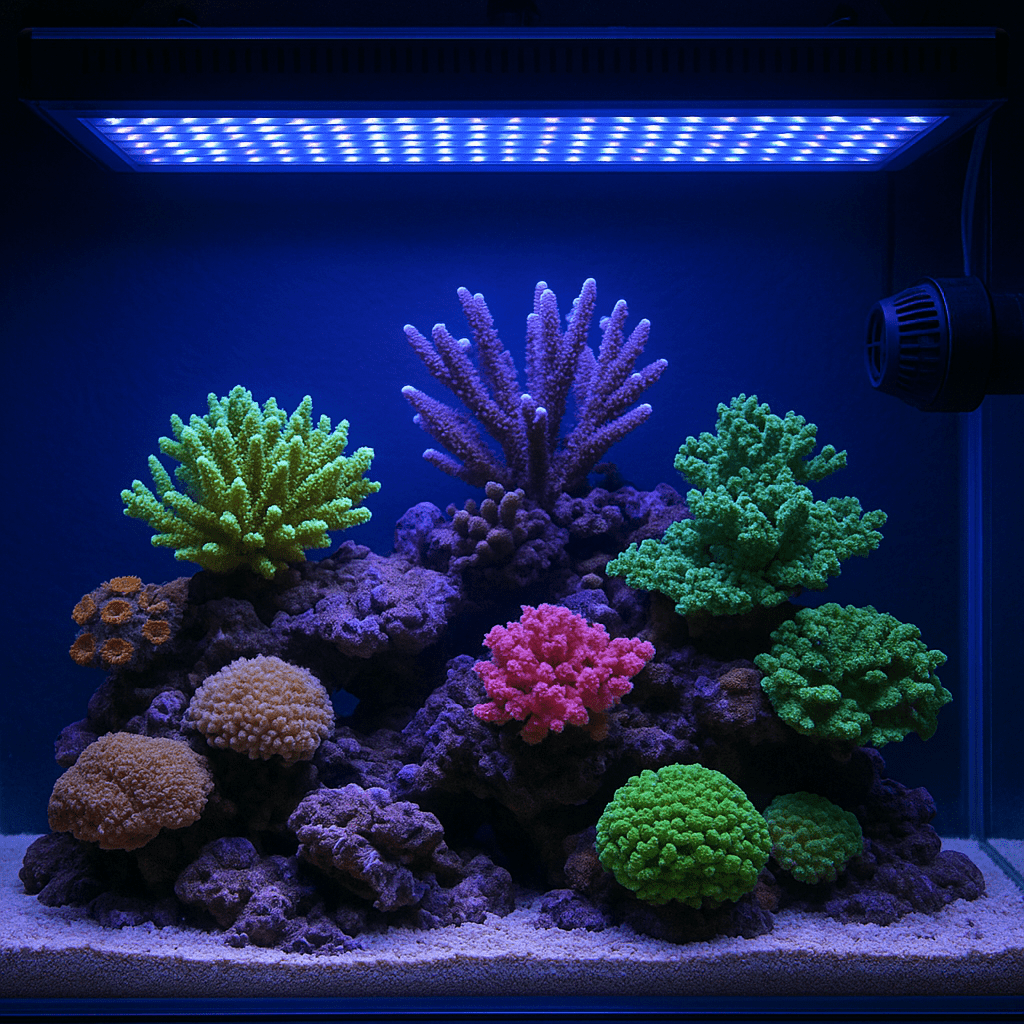
Place pumps to avoid direct blasts. Point flow across the surface for gas exchange. Bounce flow off glass or rock for spread. Keep at least 3–4 inches from sand to limit dunes.
Use a random or pulsing mode when possible. It reduces “pinning” force on fish. It also prevents dead spots behind rock. Start at 30–40% power for new setups.
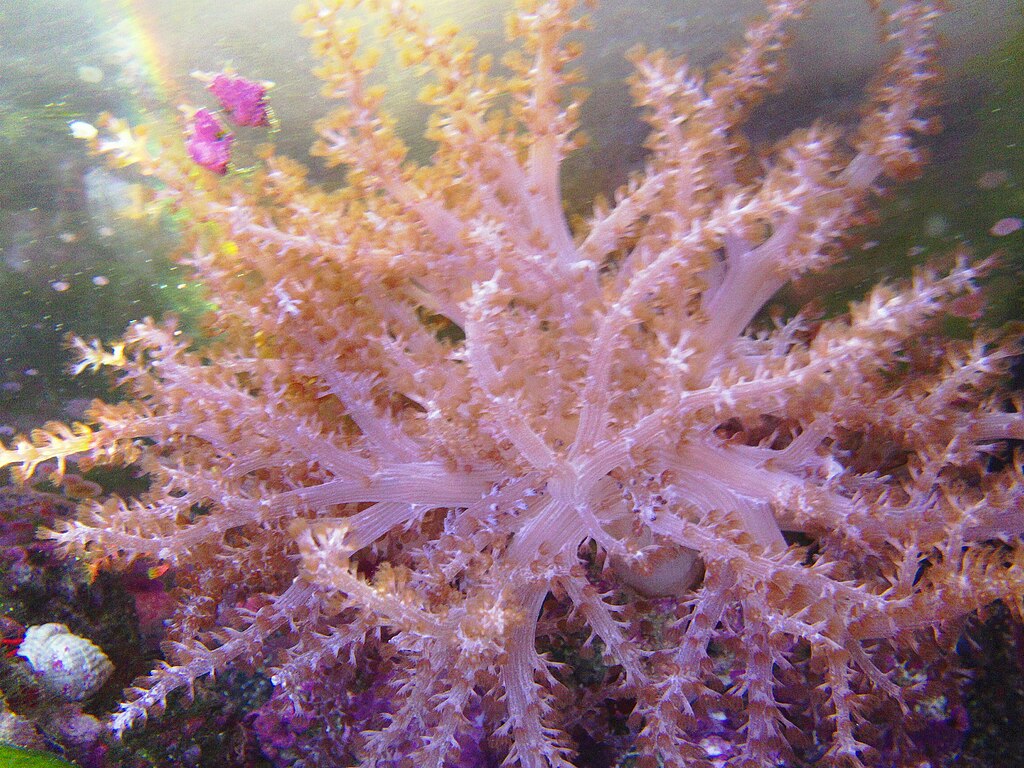
Watch coral response for tuning. LPS should sway, not whip. Soft corals should extend polyps without folding. If tissue peels on SPS tips, lower intensity or change angle.
- Target surface ripple, not splashing, to reduce salt creep.
- Use crossflow patterns with two pumps on opposite sides.
- Re-check flow after moving rock or adding new coral colonies.
For more on dialing in circulation, see reef tank flow patterns. For sand control, review managing a reef sandbed.
Prevent injuries to fish, anemones, and inverts
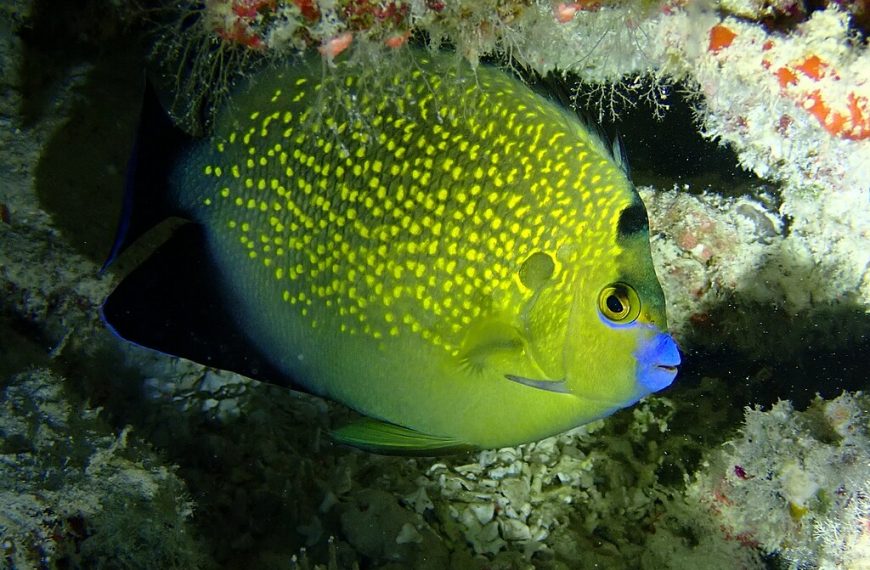
Intakes are the main hazard. Small fish can get pinned. Anemones can wander at night. Urchins and snails can block guards and stall motors.
Use a guard or foam cover on every pump. Choose foam with 20–30 PPI for reef use. Rinse it weekly in removed tank water. Replace it when it loses shape.
Give anemones a safer plan. Place them on an isolated rock island. Keep powerheads 6–8 inches away from their path. Add guards before introducing any anemone.
Use a “night check” routine after lights out. Look for roaming anemones and sleeping fish. Reduce flow 10–20% at night if your controller allows it. Keep surface agitation steady.
- Install guards before adding clownfish, gobies, or juvenile wrasses.
- Secure cords with drip loops to prevent water reaching outlets.
- Quarantine new anemones and watch for foot damage or deflation.
If you keep wandering species, read anemone care basics. It covers placement and early warning signs.
Maintenance, troubleshooting, and common mistakes
Dirty powerheads are unsafe powerheads. Calcium and algae increase heat and noise. They also reduce flow. Less flow can create low oxygen at night.
Clean wet sides every 4–6 weeks. Soak parts in 1:1 vinegar and water for 20–30 minutes. Scrub the shaft and magnet pocket with a soft brush. Rinse well before reinstalling.
Watch for warning signs. Clicking often means a worn bushing or debris. Surging can mean a blocked intake or air ingestion. A hot pump can mean stalled rotation or heavy buildup.
A common mistake is aiming pumps at each other. It can create a standing wave that slams corals. Another mistake is mounting too close to the surface. It can pull air and spray salt.
- If fish gasp at night, increase surface agitation and check skimmer air.
- If sand blows, raise the pump and reduce to 50–70% power.
- If anemones shrink, check for direct flow and unstable salinity (1.025–1.026).
Keep core parameters stable during changes. Maintain temperature at 77–79°F. Keep pH near 8.1–8.3. Avoid big alkalinity swings during maintenance.
Powerhead safety is mostly planning and routine. Use guards, smart placement, and steady maintenance. Your reef will have strong flow without avoidable losses.
Take five minutes each week to inspect intakes and cords. Clean on a schedule and retune as corals grow. Small habits protect your livestock for years.
Sources: Borneman, Eric H. “Aquarium Corals” (TFH); Delbeek, J. Charles & Sprung, Julian. “The Reef Aquarium” Vol. 1–3; Fenner, Robert. “The Conscientious Marine Aquarist.”
Was this helpful?
Related Posts
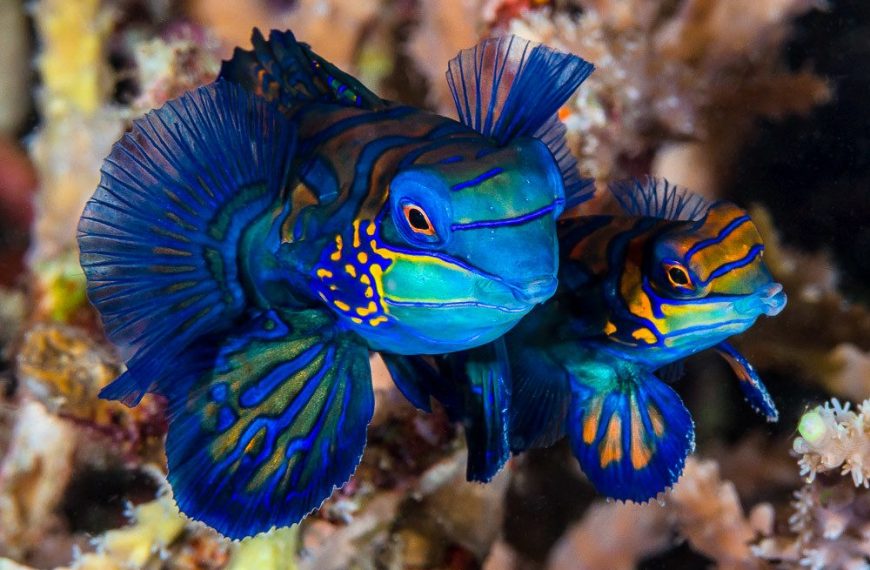
Dragonets Fish Care
Dragonets are beautiful reef fish, but they need mature tanks and steady food sources. Learn how to keep…
 By
By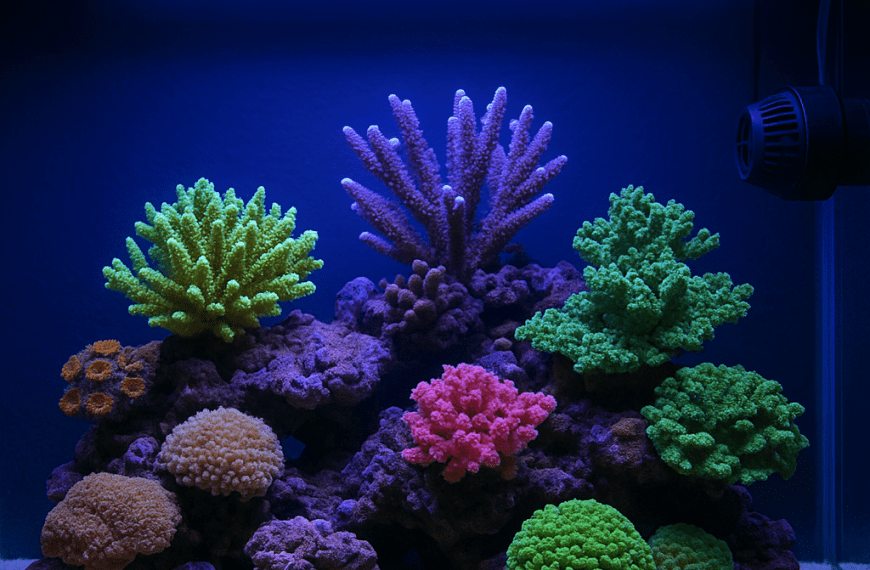
Lighting For Aquarium
Lighting for Aquarium: Getting Saltwater Illumination Right Lighting for a saltwater aquarium is about much more than simply…