
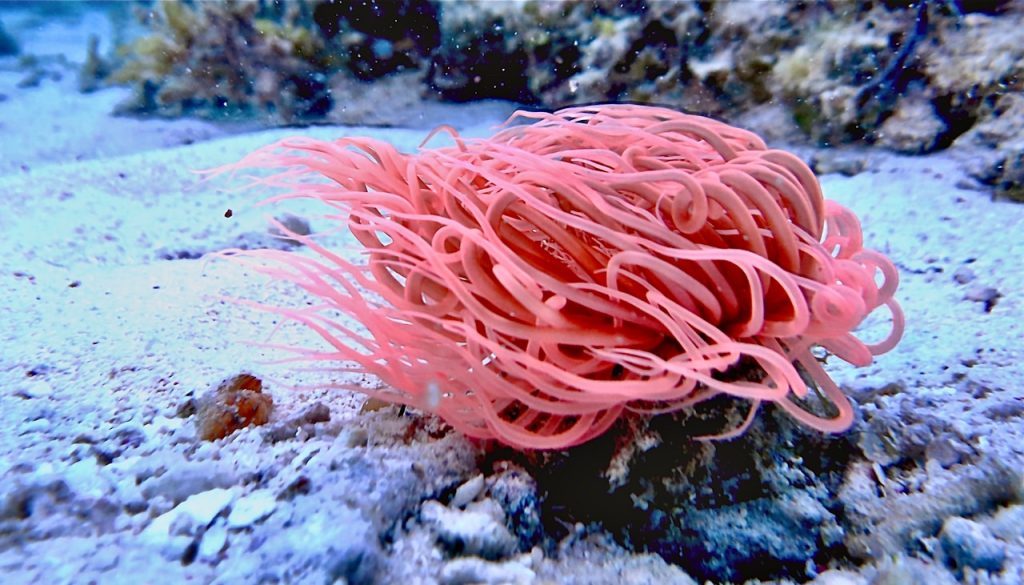
Feeding reef anemones is simple once you match food size, schedule, and tank conditions to the species. Most healthy anemones get much of their energy from light, but targeted feeding can improve growth, color, and recovery when done carefully.
Many reef keepers overfeed anemones at first. That often leads to regurgitation, poor water quality, or a wandering animal. This guide explains what reef anemones eat, how often to feed them, which foods work best, and how to troubleshoot common feeding problems. You will also learn how lighting, flow, tankmates, and species choice affect feeding success in a reef aquarium.
Quick Reference Table
| Anemone Type | Best Foods | Feeding Frequency | Notes |
|---|---|---|---|
| Bubble Tip Anemone | Mysis, krill pieces, shrimp, silverside chunks | 1 to 2 times weekly | Do not offer oversized meals |
| Long Tentacle Anemone | Mysis, clam, shrimp, marine fish flesh | 1 to 2 times weekly | Needs a secure sand bed placement |
| Magnifica Anemone | Mysis, chopped shrimp, marine meaty foods | 2 times weekly | Strong light and flow are critical |
| Carpet Anemone | Shrimp, fish flesh, scallop, mysis | 1 time weekly | Sticky feeders, but easy to overfeed |
| Rock Flower Anemone | Mysis, brine, pellet, fine chopped seafood | 1 to 2 times weekly | Usually accepts smaller foods well |
Use this table as a starting point. Always adjust feeding based on the animal’s size, inflation, color, and response to food.
Do Reef Anemones Need to Be Fed?
Yes, but not always as much as people think. Most hosting anemones contain zooxanthellae. These symbiotic algae produce energy under strong reef lighting. That means a healthy anemone can meet much of its energy demand from light alone. In a stable tank, some specimens survive for long periods with little direct feeding.
Still, feeding offers real benefits. It can support faster growth. It can improve recovery after shipping. It may also help bleached anemones regain strength. Small, regular feedings are usually better than large meals. Large meals stress digestion and pollute the tank. A well-fed anemone should stay inflated, sticky, and responsive. It should not repeatedly spit out food hours later.
Your goal is balance. Think of light as the foundation. Think of feeding as a supplement. If lighting, flow, and water chemistry are poor, extra food will not fix the problem.
What Reef Anemones Eat in Nature
In the wild, reef anemones capture suspended plankton, tiny crustaceans, and bits of meaty prey. Larger species may also trap small fish or invertebrates that touch their tentacles. Their stinging cells help immobilize prey. Their mucus and tentacles then move food toward the mouth.
Natural feeding is opportunistic. Anemones do not eat large meals every day. Ocean currents bring a steady mix of tiny food items. This matters in aquariums. Many hobbyists offer food that is too large and too often. That is not how these animals usually feed in nature. Smaller foods better match their natural feeding pattern. Mysis shrimp, finely chopped shrimp, and similar marine foods are often ideal.
Species also differ. Carpet anemones are strong feeders. Bubble tips often accept a wide range of meaty foods. Rock flowers usually prefer smaller offerings. Understanding natural feeding behavior helps you avoid common mistakes.
Best Foods for Reef Anemones
The best foods are marine-based, clean, and appropriately sized. Frozen mysis shrimp is one of the safest choices. It is small, easy to digest, and widely accepted. Finely chopped raw shrimp also works well. Other good options include clam, scallop, krill pieces, and marine fish flesh from a trusted source.
Avoid freshwater feeder fish. Avoid heavily seasoned grocery seafood. Avoid giant chunks of silverside. Whole silversides were once common advice, but many hobbyists now report regurgitation after oversized fish meals. Smaller portions are safer. If you use prepared foods, choose high-quality marine blends without excess fillers.
Pellets can work for some rock flower anemones and bubble tips. Still, meaty frozen foods are usually more reliable. Thaw frozen food in tank water first. Rinse if the food is very oily. Then feed with tongs or a turkey baster. Match the food size to the mouth. A piece about the size of the anemone’s mouth opening is usually enough.
How Often to Feed an Anemone
Most reef anemones do well with one or two feedings per week. That is enough for healthy growth in a reef tank with proper lighting. Newly imported anemones may need lighter feeding at first. Let them settle and attach before offering food. Bleached specimens may benefit from small meals every few days, but only if they hold food well.
Young or small anemones often respond better to tiny feedings. Large adults can take larger portions, but they still do not need daily meals. Daily feeding often causes waste buildup. It can also trigger unstable nutrient levels. If your tank already runs high nitrate or phosphate, reduce feeding volume first.
Watch the response. A healthy anemone grabs food, closes around it, and keeps it down. If it drops food quickly, spits it out later, or stays deflated, feed less and check tank conditions. Feeding frequency should follow the animal’s behavior, not a rigid calendar.
Step-by-Step: How to Feed a Reef Anemone
- Choose a small marine-based food. Mysis or chopped shrimp are great starters.
- Thaw frozen food in a cup of tank water.
- Turn off return pumps if needed. Reduce flow for a few minutes.
- Use feeding tongs or a turkey baster.
- Place the food gently onto the tentacles near the mouth.
- Watch for a feeding response. The tentacles should hold the food.
- Leave flow low for five to ten minutes if needed.
- Remove uneaten food from the tank.
- Turn equipment back on.
- Check the anemone later. It should remain inflated and settled.
Do not force food into the mouth. That can injure the oral disc. Let the anemone move food naturally. If clownfish steal food, distract them with a small feeding on the other side of the tank. Feeding after lights have been on for a while often works best because the anemone is fully expanded.
Lighting and Flow Matter More Than Food
Anemones are not just hungry mouths. They are light-driven animals. Strong, stable lighting supports their zooxanthellae. Without enough light, they often shrink, bleach, or wander. In that state, heavy feeding rarely helps. It usually adds stress.
Flow is just as important. Moderate to strong, indirect flow helps anemones exchange gases and remove waste. It also brings suspended food to the tentacles. Weak flow can leave detritus trapped around the animal. Harsh direct flow can keep it closed and irritated. The right flow depends on species, but most prefer movement that makes the tentacles sway rather than whip.
If your anemone will not eat, check the basics first. Review your reef tank water parameters. Confirm your reef lighting guide settings. Stable salinity and temperature often matter more than the exact food choice.
Aquarium Setup and Placement
Feeding success depends on proper placement. Bubble tip anemones prefer rock crevices where the foot can attach securely. Long tentacle anemones and some carpets prefer sand with a solid base below. Magnifica anemones often seek the highest rock points under intense light. Rock flower anemones like stable rock or rubble zones with moderate flow.
A stressed anemone rarely feeds well. Give it time to settle before target feeding. Protect powerheads with guards. Wandering anemones can be shredded by unprotected pumps. Keep enough space around the animal. Many anemones sting nearby corals. Crowding leads to chemical and physical warfare. That stress reduces feeding response and expansion.
If you are still planning your tank, review a solid reef tank aquascaping basics article. Good structure helps anemones choose a secure home. Once they attach in a favorable spot, feeding becomes much easier.
Compatibility With Fish, Corals, and Invertebrates
Clownfish can help and hinder feeding. A bonded clown pair often brings scraps to the anemone and defends it. That can be beneficial. However, large or aggressive clownfish may overhandle a newly introduced anemone. They can also steal food before it is swallowed. If this happens, feed the fish first or use a feeding dome briefly.
Corals are a bigger issue. Anemones can sting SPS, LPS, and soft corals. A wandering bubble tip can damage prized colonies overnight. Keep a generous buffer zone. Mobile invertebrates may also interfere. Cleaner shrimp often rush in and steal food from the oral disc. Use feeding tongs to hold the food in place for a moment if needed.
Some fish nip tentacles. Certain butterflyfish and large angels are risky choices. Research tankmates first. You can learn more in our reef safe fish guide. Peaceful tankmates make feeding calmer and more predictable.
Common Problems
Why is my anemone spitting out food?
This usually means the meal was too large, too rich, or offered too often. Poor water quality can also cause regurgitation. Try smaller foods like mysis. Feed less often. Check salinity, alkalinity, and temperature for swings. Make sure the anemone is fully attached and not wandering.
Why won’t my anemone eat?
New arrivals often refuse food for several days. Shipping stress is common. Bleaching, low light, unstable salinity, and excessive flow can also suppress feeding. Do not keep forcing food. Focus on stability first. Offer a tiny piece of mysis or shrimp after the animal has settled.
Why is my anemone shrinking after feeding?
Some temporary deflation is normal. Repeated shrinking is not. It may indicate stress, bacterial issues, or poor digestion. Review your maintenance routine. Test nutrients and temperature. Remove any uneaten food quickly. If the mouth stays gaping, the problem is likely broader than feeding alone.
Can you overfeed a reef anemone?
Yes. Overfeeding is one of the most common mistakes. It leads to waste, algae growth, and digestive stress. Anemones do not need large daily meals. Small portions once or twice per week are enough for most species under strong light.
Propagation and Splitting
Natural splitting in bubble tip anemones
Bubble tip anemones often reproduce by splitting in aquariums. Good feeding and stable conditions can encourage growth that eventually leads to division. Stress can also trigger splitting, but that is not ideal. A healthy split usually produces two attached, responsive clones that inflate normally.
Feeding after a split
Wait until both halves are attached and the mouths look healed. Then offer very small meals. Do not rush large feedings. The new clones need time to recover. Clean water and stable light are more important than extra food during this stage.
Frequently Asked Questions
Can anemones live without target feeding?
Some can for long periods under strong light. Still, occasional feeding usually supports better growth and recovery.
Is mysis shrimp the best food for anemones?
It is one of the best starter foods. It is small, digestible, and accepted by many species.
Should I feed my clownfish-hosting anemone more often?
Not always. Clownfish may bring scraps, so many hosted anemones need only light supplemental feeding.
Can I feed reef roids or coral foods to anemones?
Fine particulate foods may be captured, but meaty marine foods are usually more effective for direct feeding.
What is the biggest feeding mistake beginners make?
Offering oversized meals too often. Smaller portions and stable tank conditions work much better.
Reef anemone feeding works best when you keep things simple. Start with a healthy specimen. Provide strong light, stable water, and suitable flow. Feed small marine foods once or twice per week. Then adjust based on the anemone’s response. That approach is safer, cleaner, and much closer to how these animals feed on the reef.
Was this helpful?
Related Posts
Kenya Tree Corals
Kenya Tree corals are hardy soft corals with easy care, moderate light needs, and fast growth. Learn placement,…
 By
By
Rhodactis Mushrooms Care
Rhodactis mushrooms are hardy reef corals that prefer low to moderate light, gentle flow, and stable water. Learn…
[favorite_button]
My Bookmarks:
To see full list click here
[user_favorites user_id="" include_links="true" site_id="" post_types="" include_thumbnails="true" thumbnail_size="thumbnail" include_excerpt="false"]