Corals fight for space, light, and flow. In many reef tanks, the biggest battles happen at night. Sweeper tentacles are one of the most common causes of surprise tissue loss.
This guide explains how coral aggression works and how to plan around it. You will learn safe spacing, warning signs, and fixes that work in real tanks.
How sweeper tentacles work and which corals use them
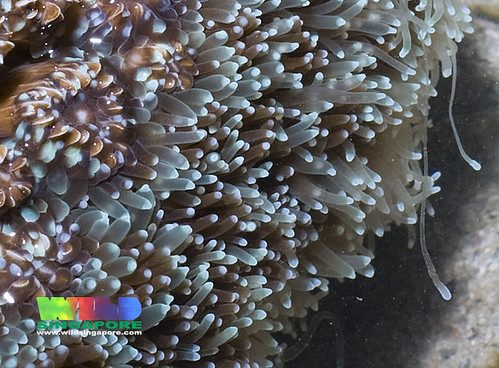
Sweeper tentacles are long, stinging tentacles used for defense. They extend beyond the normal feeding tentacles. Many corals deploy them after lights out or during low flow.
LPS corals are the usual offenders. Torch, hammer, and frogspawn can sting nearby neighbors. Galaxea and hydnophora can be even worse. Some sweepers reach 6–12 inches in strong systems.
Sweepers are packed with nematocysts. They cause burns, recession, and exposed skeleton. The damage often shows as a white line on the downcurrent coral. You may only notice it the next day.
Other aggression types matter too. Some corals use mesenterial filaments to digest competitors. Others rely on chemical warfare in the water column. Learn the difference in reef tank chemistry basics.
- Common sweepers: Galaxea, Euphyllia, Hydnophora, Favites, Platygyra
- Often targeted: Acropora tips, Montipora plates, zoanthid mats
- Typical timing: 1–4 hours after lights out
Planning coral placement with real spacing numbers
Start with a simple rule. Give LPS more room than you think. In a mixed reef, aim for 6 inches between most LPS colonies. Give Galaxea 10–12 inches if possible.
Flow changes the danger zone. Strong, directional flow can push sweepers farther. Random flow can spread contact risk in more directions. Watch where tentacles drift during the night cycle.
Rockwork height also matters. A coral placed above another can sting downward in the current. Keep “stingers” on isolated islands when you can. Use sand gaps as a buffer zone.
Plan for growth, not today’s frag size. A 1-inch frag can become a 6-inch colony. Leave room for expansion and for your hand tools. For layout help, see reef aquascaping tips.
- Place aggressive LPS on a separate rock that can be removed.
- Use a “no coral zone” corridor in front of powerheads.
- Keep SPS up high with strong flow and stable light.
- Mount encrusters on isolated rubble to limit spread.
Troubleshooting coral stings and preventing repeat attacks
First, confirm the cause. Look for a clean, pale burn line on the victim. Check for a nearby coral within reach of 6–12 inches. Inspect at night with a dim red flashlight.
Next, stop contact within hours. Move the aggressor or the victim right away. If you cannot move them, redirect flow to keep tentacles from touching. A small powerhead angle change can help.
Support recovery with stable parameters. Keep alkalinity steady at 8–9 dKH. Keep calcium at 420–450 ppm and magnesium at 1300–1400 ppm. Hold nitrate at 5–15 ppm and phosphate at 0.03–0.10 ppm.
Chemical aggression can linger after a fight. Run fresh activated carbon for 48–72 hours. Use 1 cup per 50 gallons as a starting point. Replace it if the water yellows or odors return. For quarantine and observation tips, read coral quarantine guide.
- Common mistake: Placing Euphyllia next to Acropora “for contrast.”
- Common mistake: Assuming short sweepers mean permanent safety.
- Quick check: Photograph the tank one hour after lights out.
- Emergency step: Frag the damaged edge if tissue keeps peeling.
If tissue recession continues, check for secondary issues. Low flow can trap detritus on the wound. Sudden alkalinity swings can stop healing. Also check for pests that exploit damage, like bristleworms and crabs.
Sources: Borneman, E. (2001) Aquarium Corals; Delbeek & Sprung (1994–2005) The Reef Aquarium series; Fenner, R. (2003) The Conscientious Marine Aquarist.
Coral aggression is normal, but it is manageable. Use night checks, buffer spacing, and smart rock islands. With steady parameters and quick intervention, most stings heal and your reef stays peaceful.
Was this helpful?
Related Posts
Dragonets Fish Care
Dragonets are beautiful reef fish, but they need mature tanks and steady food sources. Learn how to keep…
 By
By
Lighting For Aquarium
Lighting for Aquarium: Getting Saltwater Illumination Right Lighting for a saltwater aquarium is about much more than simply…